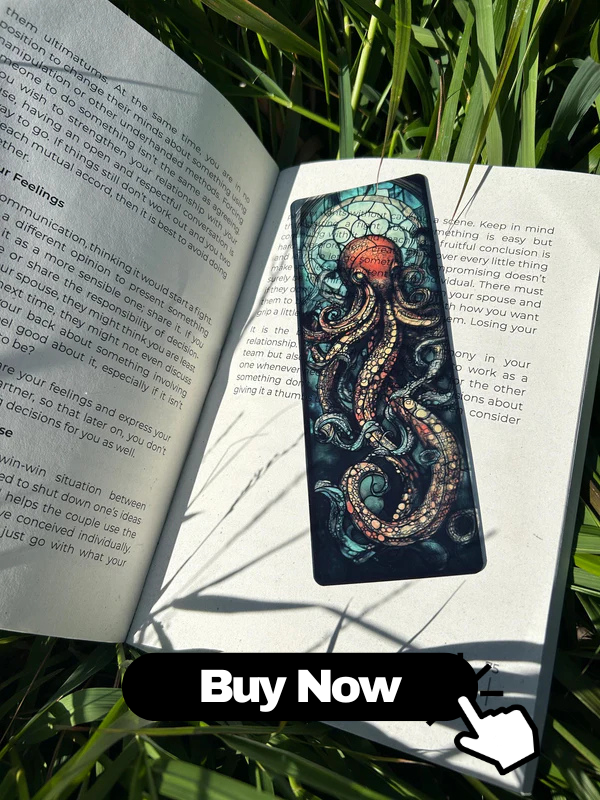
Bookmarks are more than just placeholders; they are essential tools for book care and preservation. Whether you’re an avid reader, a student, or a book collector, the type of bookmark you use can significantly affect the condition and lifespan of your books. One of the most common questions in the reading community is: Should you choose laminated bookmarks or non-laminated bookmarks for better book care? This detailed guide compares laminated vs non-laminated bookmarks, explains their impact on book longevity, and helps you make an informed choice based on your reading habits, budget, and preservation goals.
What Are Laminated Bookmarks?
Laminated bookmarks are bookmarks that have been sealed within a thin layer of plastic film, usually through a heat or cold lamination process. This creates a smooth, glossy or matte protective coating around the printed material, often made of paper or cardstock.
Key characteristics of laminated bookmarks:
- Protective plastic layer on both sides of the bookmark
- Often made from thicker cardstock before lamination
- Available in glossy, semi-gloss, or matte finishes
- Edges are typically sealed to prevent moisture ingress
- Resistant to tearing, smudging, and stains
Laminated bookmarks are widely used for:
- Long-term reading projects (e.g., textbooks, reference books)
- Bookmarks for children, who may handle them less gently
- Promotional or branded bookmarks that need to last
- Gifts and collectibles where visual durability is important
What Are Non-Laminated Bookmarks?
Non-laminated bookmarks are bookmarks made from paper, cardstock, fabric, leather, wood, or other materials that have no plastic lamination layer. They may have surface treatments like varnish or coating, but they are not sealed in plastic.
Common non-laminated bookmark materials:
- Paper or cardstock (plain, coated, or textured)
- Fabric (ribbons, woven bookmarks, embroidered designs)
- Leather (often used in premium or vintage-style bookmarks)
- Wood or bamboo (thin, lightweight slivers)
- Handmade materials (pressed flowers, handmade paper, art prints)
Non-laminated bookmarks are popular because they:
- Often provide a more natural and tactile feel
- Can be more eco-friendly depending on the material
- Are typically cheaper to produce in small quantities
- Are preferred by some book collectors and conservators for delicate books
Laminated vs Non-Laminated Bookmarks: An Overview
When comparing laminated vs non-laminated bookmarks for book care, it helps to look at the major factors that matter to readers and collectors: durability, impact on pages, aesthetics, sustainability, and cost.
-
Laminated Bookmarks:
- Highly durable and resistant to damage
- Can be slightly stiff and thicker
- Offer strong protection for printed artwork
- May put more pressure on book spines if too rigid or thick
- Contain plastic, which may be less eco-friendly
-
Non-Laminated Bookmarks:
- Usually thinner and more flexible
- Can be gentler on book spines and pages
- More susceptible to wear, wrinkles, and moisture
- Can be more sustainable, especially with recycled materials
- Offer a wide range of textures and natural finishes
Impact on Book Care and Preservation
The main concern for many readers is how a bookmark affects the health and preservation of a book. Bookmarks should support book care, not cause damage.
How Laminated Bookmarks Affect Book Care
-
Thickness and rigidity:
- Laminated bookmarks are often thicker and stiffer.
- In tightly bound or older books, this can slightly stress the spine if the book is forced closed.
-
Surface smoothness:
- The smooth plastic surface reduces friction against pages.
- Less likely to cause paper fibers to snag or tear under normal use.
-
Resistance to moisture:
- Spills and oily fingers are less likely to stain or transfer onto pages from the bookmark.
- This can be beneficial for library books and textbooks shared by many readers.
How Non-Laminated Bookmarks Affect Book Care
-
Flexibility:
- Thinner, flexible bookmarks conform to the page and put less pressure on the spine.
- Often preferred for antique, rare, or fragile books.
-
Potential for transfer:
- Ink from poorly printed non-laminated bookmarks can sometimes smudge or transfer onto pages, especially in humid conditions.
- Acidic papers can, over time, discolor adjacent pages.
-
Wear and tear:
- Edges may fray, bend, or crumble, leaving small paper dust in the book.
- However, this wear seldom causes major damage to the book itself if handled carefully.
From a pure book care perspective, the ideal bookmark is:
- Thin and smooth
- Non-acidic (archival quality)
- Non-abrasive and not too rigid
Durability and Longevity
Durability matters if you want a bookmark to last for years, or if you use bookmarks for heavy, daily reading.
Durability of Laminated Bookmarks
-
High resistance to:
- Water, coffee, tea, and light spills
- Finger oils and smudging
- Tearing and creasing
-
Printed design protection:
- The lamination film protects the ink, artwork, and colors from fading due to handling.
- Ideal for collector’s bookmarks or bookmarks with intricate designs.
-
Edge wear:
- If the lamination is poorly done, edges may peel or bubble over time.
Durability of Non-Laminated Bookmarks
-
Dependent on material:
- Thick cardstock can be quite sturdy under normal use.
- Fabric, leather, and wood bookmarks can be very long-lasting if cared for properly.
-
More vulnerable to handling:
- Edges may bend, fold, or tear over time.
- Susceptible to water damage and stains.
-
Aging and patina:
- Some readers appreciate the aged look of a well-used, non-laminated bookmark.
- For collectors, this can add character rather than being seen as damage.
Aesthetic and Design Considerations
The appearance and feel of your bookmark can enhance your reading experience and reflect your personal style.
Design Benefits of Laminated Bookmarks
-
Color vibrancy:
- Lamination enhances and protects bright, vivid colors.
- Excellent for full-color artwork, photography, and branding.
-
Finish options:
- Glossy lamination gives a shiny, polished look.
- Matte lamination reduces glare and provides a more elegant, smooth feel.
-
Professional look:
- Ideal for bookstores, authors, and publishers creating promotional bookmarks.
Design Benefits of Non-Laminated Bookmarks
-
Variety of textures:
- Textured papers, handmade paper, or cotton paper provide a unique tactile experience.
- Fabric and leather add a luxurious and classic touch.
-
Artistic and handmade appeal:
- Ideal for hand-painted, calligraphy, or artisan bookmarks.
- Often used in craft fairs, Etsy shops, and DIY projects.
-
Less reflective:
- Non-laminated surfaces typically have no glare, which some readers prefer.
Comfort and Reading Experience
A bookmark should feel comfortable to use and not interfere with how you hold or store your book.
Using Laminated Bookmarks
-
Feel in the hand:
- Smooth, sometimes slightly slippery, especially in glossy finishes.
- Edges are usually rounded to be comfortable to handle.
-
In the book:
- Might slightly lift the covers or create a gap in very thin or tightly bound books.
- Generally lies flat in hardcovers and thick paperbacks.
Using Non-Laminated Bookmarks
-
Feel in the hand:
- More grip and texture, especially with uncoated or textured papers.
- Some materials (like fabric) offer a soft, flexible feel.
-
In the book:
- Usually lies flatter due to reduced thickness.
- Less likely to cause the book to bulge or warp with a single bookmark.
Cost and Budget Considerations
Choosing between laminated and non-laminated bookmarks also involves looking at cost, production, and value.
Cost of Laminated Bookmarks
-
Higher production cost:
- Lamination adds an extra step and material cost.
- More economical when ordered in larger quantities.
-
Perceived value:
- Often seen as more premium and durable.
- Suitable for gifts, events, and professional branding.
Cost of Non-Laminated Bookmarks
-
Lower base cost:
- Simpler production: print, cut, and finish.
- Ideal for small runs, DIY, or quick projects.
-
Material-dependent:
- Premium papers, leather, or wood can still be costly.
- Standard cardstock or recycled paper is generally budget-friendly.
Environmental Impact and Sustainability
For eco-conscious readers, the choice between laminated and non-laminated bookmarks has environmental implications.
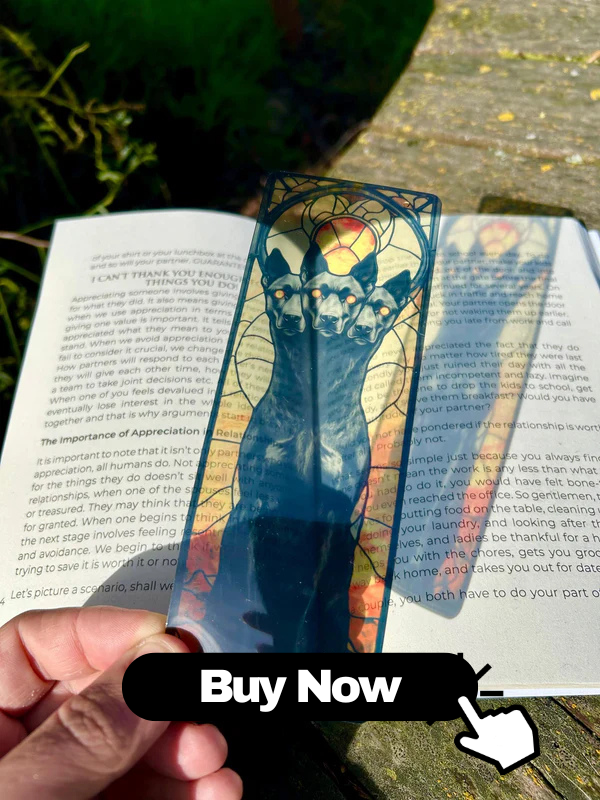
Environmental Considerations for Laminated Bookmarks
-
Plastic component:
- Lamination typically uses plastic film that is not easily recyclable with standard paper recycling streams.
- Contributes to long-term waste if not disposed of properly.
-
Longevity as a trade-off:
- Because laminated bookmarks last longer, they may reduce the need for frequent replacements.
Environmental Considerations for Non-Laminated Bookmarks
-
Recyclability:
- Paper-based bookmarks can often be recycled or composted, especially if uncoated and free from metallic inks.
-
Material choices:
- Using recycled paper, FSC-certified cardstock, or natural fibers can reduce environmental impact.
- Fabric bookmarks made from natural fibers (like cotton or linen) are usually more eco-friendly than synthetic ones.
-
Shorter lifespan:
- More fragile bookmarks may need to be replaced more often, which can offset some environmental benefits.
Best Use Cases: When to Choose Each Type
Different reading scenarios benefit from different types of bookmarks. Here’s when to choose laminated vs non-laminated bookmarks for optimal book care and practicality.
When Laminated Bookmarks Are Best
-
For students and heavy readers:
- Ideal for textbooks, reference books, and study materials that see constant use.
-
For children’s books:
- More resistant to spills, bending, and rough handling.
-
For promotional and gift bookmarks:
- Authors, publishers, and bookstores often prefer laminated bookmarks for longevity and professional appearance.
-
For humid or high-risk environments:
- Perfect if you read near coffee shops, beaches, pools, or outdoors, where moisture is a concern.
When Non-Laminated Bookmarks Are Best
-
For rare, antique, or delicate books:
- Thin, non-rigid bookmarks are gentler on old bindings.
-
For eco-conscious readers:
- Recycled paper, natural fibers, and uncoated materials can align with sustainable reading habits.
-
For art and handmade items:
- Hand-drawn, painted, or crafted bookmarks often rely on non-laminated materials for an authentic, artistic feel.
-
For slim paperbacks:
- Thin bookmarks help prevent warping or bulging in smaller or tightly bound books.
Tips for Choosing the Right Bookmark for Book Care
To choose the best bookmark for protecting and preserving your books, consider the following factors.
-
Assess your book type:
- For everyday paperbacks, both laminated and non-laminated work well.
- For delicate, rare, or old books, choose thin, archival-quality, non-laminated bookmarks.
-
Consider your reading environment:
- If you read where spills or moisture are likely, laminated bookmarks offer better protection.
-
Think about page and spine pressure:
- Avoid very thick or rigid bookmarks in tight bindings.
- Opt for thin and smooth designs.
-
Check materials for acidity:
- When possible, choose acid-free paper or archival materials to prevent discoloration.
-
Align with your values and budget:
- For sustainability, consider recycled non-laminated bookmarks.
- For longevity and durability, laminated bookmarks provide excellent value.
Bookmark Maintenance Tips for Better Book Care
Even the best bookmark can harm a book if it’s used incorrectly. Good bookmark habits are essential for proper book care.
-
Use only one or two bookmarks per book:
- Too many bookmarks can stress the spine and covers.
-
Do not use bulky objects:
- Avoid paperclips, pens, or thick items as placeholders; they can dent or tear pages.
-
Insert the bookmark flat:
- Place the bookmark fully inside the book, aligned with the page, not sticking awkwardly between tightly closed pages.
-
Avoid using sticky notes long-term:
- Adhesive can damage or stain pages over time.
-
Keep bookmarks clean:
- Wipe laminated bookmarks with a soft cloth if dirty.
- Store non-laminated bookmarks in a dry, clean place when not in use.
FAQ: Laminated vs Non-Laminated Bookmarks
Are laminated bookmarks bad for books?
When made thin and used properly, laminated bookmarks are not bad for books. However, overly thick or rigid laminated bookmarks can put slight pressure on the spine of tightly bound or delicate books. For very fragile volumes, a thin, non-laminated, archival-quality bookmark is often safer.
Do non-laminated bookmarks damage pages?
Most non-laminated bookmarks are safe for pages if they are:
- Made from smooth, non-abrasive materials
- Printed with high-quality, non-smudging ink
- Not excessively thick or heavily textured
Low-quality or acidic paper bookmarks can, over many years, cause slight discoloration to adjacent pages.
Which type of bookmark is best for collectors?
For book collectors and archivists, the priority is preserving the book:
- Use thin, acid-free, non-laminated bookmarks for rare or antique books.
- Avoid overly stiff or thick laminated options in fragile bindings.
Can I laminate my own bookmarks at home?
Yes. You can use:
- Home laminating machines with pouches
- Self-adhesive laminating sheets
Ensure you:
- Use thin cardstock to keep the final bookmark from becoming too thick.
- Round the corners to prevent them from digging into pages.
Are there eco-friendly laminated bookmarks?
Some manufacturers offer eco-conscious lamination options, such as:
- Biodegradable or plant-based films
- Recycled paper cores with thinner coatings
However, these are less common and may still not be fully recyclable in standard household systems.
Final Thoughts: Which Bookmark Is Better for Book Care?
Both laminated bookmarks and non-laminated bookmarks can be excellent choices for book care, depending on how and where you read. Laminated bookmarks shine in durability, protection from spills, and long-term use, making them ideal for everyday reading, study, and promotional purposes. Non-laminated bookmarks excel in flexibility, eco-friendliness, and suitability for delicate or collectible books.
For optimal book preservation:
- Use thin, smooth, acid-free bookmarks for valuable or fragile books.
- Choose laminated bookmarks for busy, everyday use where durability matters.
- Consider your environmental values, reading habits, and book collection type when deciding between laminated and non-laminated options.
By selecting the right bookmark and using it carefully, you can significantly improve your book care routine, prolong the life of your favorite titles, and enjoy a more comfortable and aesthetically pleasing reading experience.