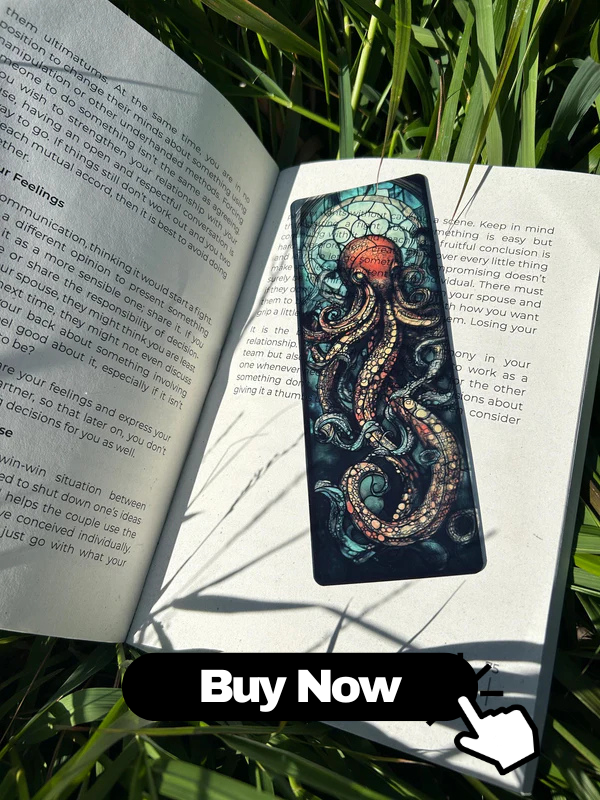
Bookmarks for kids can turn an ordinary reading session into an exciting adventure. When children have playful, colorful, and interactive bookmarks, they are more motivated to pick up a book, remember their place, and come back for more. This detailed guide explores fun bookmarks for kids, how they support early literacy, creative DIY ideas, and tips for parents and teachers on using bookmarks to make reading fun, engaging, and memorable.
Why Bookmarks Matter for Kids
To adults, bookmarks can seem like simple accessories. For children, they can be powerful tools that support reading motivation, focus, and organization.
How Bookmarks Support Young Readers
- Reduce frustration: Kids don’t lose their place, which keeps long stories from feeling overwhelming.
- Build ownership: Having a special bookmark makes kids feel that the book is “theirs.”
- Encourage routine: Using a bookmark at the end of a reading session can signal, “We’ll come back to this story soon.”
- Make reading more playful: Fun shapes, characters, and colors turn books into inviting objects.
Why Fun Bookmarks Make a Difference
Children respond to visual appeal and tactile experiences. A bookmark that features their favorite animal, superhero, or hobby can:
- Act as a reading incentive (“Let’s read until we get to the bookmark.”)
- Help them talk about books by connecting characters on the bookmark to stories.
- Make reading feel like a special activity, not just homework.
Types of Bookmarks for Kids That Make Reading More Fun
There are many different kids’ bookmark styles, each with its own features and benefits. The best ones combine durability, safety, and fun designs.
1. Character and Theme Bookmarks
These bookmarks feature popular characters or themes that kids love.
- Cartoon characters and superheroes
- Fairies, unicorns, dragons, and fantasy creatures
- Sports themes (soccer, basketball, gymnastics)
- Animals and nature (dinosaurs, pets, jungle animals)
Why they work: When children see a character they like, they naturally want to use the bookmark and, by extension, interact more with books.
2. Magnetic Bookmarks for Kids
Magnetic bookmarks clip over the page and stay in place very securely.
- Less likely to fall out of books in backpacks.
- Small and lightweight, suitable for chapter books and picture books.
- Often come in sets with matching designs.
Best for: Kids who carry books to school, the library, or on trips.
3. 3D and Pop-Up Bookmarks
3D bookmarks use layered paper, foam, or plastic to create a raised design or a mini-figure that “pops” out of the book.
- Makes books look like toys or collectibles.
- Can feature 3D animals, vehicles, or mini characters.
- Adds a tactile, sensory element to reading.
Note: Choose sturdy 3D bookmarks for younger children to avoid easy breakage.
4. Corner Bookmarks
Corner bookmarks fit over the top corner of a page instead of sticking out like a traditional strip.
- Fun shapes: monster mouths, animal faces, geometric patterns.
- Often used in DIY bookmark crafts with kids.
- Help children practice fine motor skills when they put them on the page.
5. Tassel and Ribbon Bookmarks
These classic bookmarks include a ribbon, tassel, or string that hangs from the top of the book.
- Easy for kids to spot in a backpack or on a shelf.
- Great for older children who like a more “grown-up” reading style.
- Tassels can include beads or charms for extra personality.
6. Interactive and Activity Bookmarks
Interactive bookmarks do more than mark a page. They might include:
- Mini reading trackers (check boxes or stars to mark chapters read).
- Questions about the story (“Who is your favorite character so far?”).
- Simple games or riddles printed on the bookmark.
These options are excellent for reading comprehension and keeping children involved in the story.
7. Educational Bookmarks
Some bookmarks for kids combine fun with learning content such as:
- Alphabet and phonics charts for early readers.
- Multiplication tables and math facts.
- Vocabulary words, sight words, or language tips.
- Science facts, space information, or animal facts.
Benefit: Kids absorb information every time they open their book, supporting everyday learning in a low-pressure way.
Educational Benefits of Bookmarks for Kids
Beyond decoration, children’s bookmarks can quietly boost key academic and developmental skills.
Improved Reading Comprehension
- Bookmarks help kids return to the story quickly and remember what they last read.
- Bookmarks with prompts (“What happened last?”) reinforce story recall.
- Using bookmarks to pause at chapter breaks teaches kids to recognize story structure.
Building Focus and Attention Span
- Kids can set small goals: “Read to the bookmark,” then move it further.
- This helps children develop a longer reading stamina in a playful way.
- Visual markers give a sense of progress and achievement.
Supporting Organization and Responsibility
- Keeping track of a bookmark teaches kids about caring for their books.
- It reduces page folding or book damage, an early lesson in respecting belongings.
- Designated bookmarks can be assigned to specific books or school subjects.
Encouraging a Lifelong Reading Habit
When reading is tied to positive experiences, children are more likely to:
- See books as fun, not just assignments.
- Look forward to reading time with a favorite bookmark.
- Associate reading with creativity and self-expression.
DIY Bookmarks for Kids: Creative Crafts and Ideas
DIY kids’ bookmarks are a great way to combine art, play, and literacy. Crafting bookmarks makes reading feel even more personal and exciting.
Simple Paper Strip Bookmarks
- Cut strips of cardstock or thick paper (about 5–6 inches long).
- Let kids decorate with:
- Markers, crayons, or colored pencils
- Stickers and washi tape
- Stamps or stencils
- Optional: Laminate the bookmark or cover it with clear tape to make it more durable.
- Hole-punch the top and add a ribbon or yarn tassel.
Corner Monster Bookmarks
These are popular fun bookmarks for kids that sit on the corner of the page like a little monster “eating” the book.

- Fold a square of paper into a triangle pocket (there are many simple origami tutorials).
- Glue the edges so it holds firmly.
- Add:
- Paper eyes and teeth
- Funny tongues or eyebrows
- Bright colors and patterns
Photo Bookmarks
Personalized bookmarks with a child’s own photo are very motivating.
- Print a small photo of the child and glue it onto cardstock.
- Decorate the edges with borders, stickers, or drawings.
- Laminate to protect the image.
Tip: These make great reading rewards and gifts for grandparents.
Nature-Themed Bookmarks
- Collect flat leaves or small flowers.
- Press them in a thick book for several days.
- Arrange them on a cardstock strip and cover with clear contact paper.
This project connects outdoor exploration with indoor reading time.
STEM and Learning Bookmarks
Create customized educational bookmarks:
- Math bookmarks with multiplication tables.
- Science bookmarks with planets or life cycles.
- Language bookmarks with sight words or grammar tips.
Kids can help design these, increasing their engagement with both the content and the reading process.
Using Bookmarks to Encourage Reading Habits
Bookmarks are more than page markers—they can be part of a reading routine at home or school.
Create a Reading Ritual
- Let kids choose a special bookmark at the start of reading time.
- End each session with a small ceremony: “Place your bookmark and we’ll return tomorrow.”
- Use the same bookmark for a series or chapter book to build anticipation.
Set Reading Goals with Bookmarks
- Place the bookmark several pages ahead as a visible goal.
- Use bookmarks that include:
- Checklists (chapters completed).
- Spaces for stickers or stars after each reading session.
- Celebrate when your child moves the bookmark closer to the end of the book.
Use Bookmarks to Start Book Conversations
Many kids’ bookmarks can double as prompts:
- Ask kids to draw their favorite character on the bookmark.
- Write one question on the back (e.g., “What do you think will happen next?”).
- Discuss the question at the next reading session.
Best Materials and Safety Tips for Children’s Bookmarks
When choosing or making bookmarks for kids, safety and durability are essential.
Recommended Materials
- Cardstock or thick paper: Sturdy yet flexible.
- Laminated paper: Protects from spills and tears.
- Soft plastics: Good for younger children, easy to wipe clean.
- Fabric or felt: Cozy texture, especially for younger readers.
Safety Considerations
- Avoid very small parts (beads, buttons) for toddlers or preschoolers.
- Round off sharp corners to prevent pokes or scratches.
- Ensure magnets in magnetic bookmarks are tightly sealed and not removable.
- Choose non-toxic, child-safe inks, glues, and paints for DIY projects.
Durability Tips
- Laminate or cover frequently used bookmarks in clear tape.
- Teach kids to remove bookmarks gently instead of pulling them roughly.
- Keep a small storage box or pencil case for bookmark collections.
Bookmark Ideas by Age Group
Different ages benefit from different styles of fun bookmarks.
Bookmarks for Toddlers and Preschoolers (Ages 3–5)
- Large, chunky bookmarks that are easy to hold.
- Bright colors and simple shapes (animals, vehicles, fruits).
- Soft, bendable materials like foam or felt.
- Picture-only bookmarks for pre-readers.
Bookmarks for Early Readers (Ages 6–8)
- Bookmarks with:
- Alphabet and phonics support.
- Short sentences or sight words.
- Favorite cartoon characters.
- DIY projects that let kids design their own bookmarks.
- Magnetic bookmarks for school reading books.
Bookmarks for Tweens (Ages 9–12)
- More “grown-up” designs (patterns, quotes, minimalist styles).
- Bookmarks with reading trackers or book logs on the back.
- Bookmarks related to hobbies (sports, music, gaming, art).
- Inspirational and motivational reading quotes.
Bookmarks for Classrooms and School Libraries
Teachers and librarians can use classroom bookmarks as tools for reading engagement and organization.
Classroom Bookmark Strategies
- Give each student a personalized bookmark at the start of the year.
- Use different colored bookmarks for different reading groups or levels.
- Create a “bookmark station” where students can borrow or design their own.
Bookmarks as Reading Incentives
- Offer new bookmark designs as rewards in reading challenges.
- Celebrate “Reader of the Week” with a special themed bookmark.
- Allow students to earn “DIY bookmark time” as a prize.
Library Organization with Bookmarks
- Use bookmarks as temporary hold markers when kids browse books.
- Provide educational bookmarks that explain:
- How to care for library books.
- How to choose just-right reading levels.
- Create bookmarks with library rules and hours printed on them.
Personalized Bookmarks for Gifts and Rewards
Personalized bookmarks make memorable, meaningful gifts that can strengthen a child’s identity as a reader.
Occasions for Gifting Kids’ Bookmarks
- Birthdays and holiday stocking stuffers.
- End-of-school-year gifts from teachers.
- Prizes for reading challenges or book clubs.
- Party favors for book-themed birthday parties.
Personalization Ideas
- Add the child’s name in a fun font.
- Include a favorite quote or encouraging message:
- “Reading is your superpower.”
- “One more chapter!”
- Use photos of the child doing their favorite activity.
- Match bookmarks to favorite book series or genres.
Tips for Choosing the Right Bookmarks for Kids
When selecting bookmarks for kids that make reading more fun, keep the following tips in mind.
Consider the Child’s Interests
- Ask about favorite animals, colors, and stories.
- Let kids help pick or design their bookmarks.
- Rotate bookmark designs to keep things fresh and exciting.
Match the Bookmark to the Book Type
- Picture books: Larger, bolder bookmarks that are easy to spot.
- Chapter books: Slim, flat bookmarks that won’t damage the spine.
- School textbooks: Magnetic or laminated bookmarks for durability.
Prioritize Comfort and Function
- Choose materials that feel good in small hands.
- Avoid bookmarks that are too heavy or bulky.
- Ensure bookmarks slide in and out of pages easily.
Look for Long-Term Engagement
- Bookmarks that double as reading logs or trackers.
- Designs that can grow with the child, not just trendy fads.
- Bookmarks that invite questions or curiosity (“What animal is this?” “What planet is that?”).
FAQ About Kids’ Bookmarks
Are bookmarks safe for very young children?
Yes, with proper design. For toddlers and preschoolers, choose:
- Large, soft, and flexible materials (like felt or foam).
- No tiny detachable parts or strong magnets.
- Rounded edges and non-toxic inks or paints.
How many bookmarks should a child have?
There is no strict rule, but a small collection can be helpful:
- 1–2 bookmarks for current reading books.
- Several extra for school, the library, and home.
- A mix of fun and educational designs.
Do bookmarks really make kids read more?
Bookmarks alone won’t transform reading habits, but they:
- Make reading feel more special and enjoyable.
- Support consistent routines and reduce frustration.
- Often become part of positive memories around books.
Combined with supportive adults, cozy reading spaces, and good book choices, fun kids’ bookmarks can make a meaningful difference.
Conclusion: Small Tools, Big Impact on Kids’ Reading
Bookmarks for kids that make reading more fun are simple, affordable tools with surprisingly powerful effects. Whether they feature favorite characters, interactive activities, or DIY art, these bookmarks:
- Encourage kids to pick up a book more often.
- Help children feel confident, organized, and engaged while reading.
- Support important skills like comprehension, focus, and responsibility.
By choosing or creating playful, safe, and personalized bookmarks, parents, teachers, and librarians can turn ordinary pages into invitations to explore, imagine, and learn. A small strip of paper might seem insignificant, but in a child’s hands, the right bookmark can be a big step toward a lifelong love of reading.