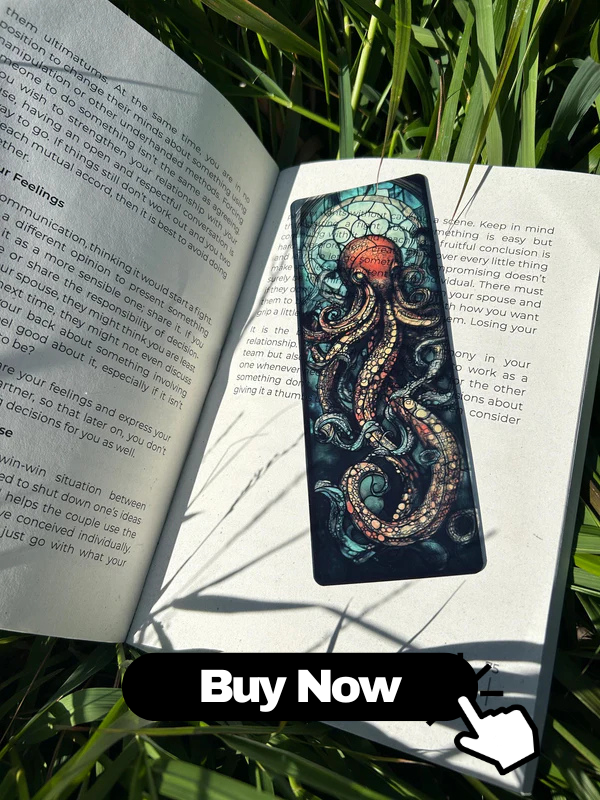
Bookmarks are more than simple page markers; for readers who care deeply about book condition, the right bookmark is an essential tool for preserving pages, protecting spines, and maintaining the value of their collection. This detailed guide explores the best bookmarks for book lovers who prioritize condition, how to use them properly, and which types to avoid, while also covering storage, material choices, and book-friendly reading habits. Whether you’re a collector, librarian, or casual reader who wants to keep books looking like new, this article will help you choose the perfect bookmarks and use them in a way that truly protects your books.
Why Bookmarks Matter to Readers Who Care About Book Condition
For readers who want to keep their books in excellent shape, bookmark choice is a critical part of overall book care. The wrong placeholder can:
- Warp or crease pages
- Stretch or deform the book’s spine
- Leave stains, discoloration, or oily marks
- Cause long-term structural damage, especially in older or delicate books
By contrast, the right book-safe bookmark can help you:
- Maintain crisp, uncreased pages
- Preserve book value for collectors and resellers
- Protect first editions, rare books, and signed copies
- Enjoy reading without feeling guilty about harming your books
When you care about book condition, a bookmark isn’t just decorative; it’s a preservation tool, similar to a book sleeve, dust jacket, or archival box.
How the Wrong Bookmark Can Damage Your Books
Not all placeholders are safe. Many common “bookmark substitutes” actually pose hidden risks to your books.
Common Improvised Bookmarks That Can Harm Books
-
Paper clips and binder clips
- Can indent or tear pages
- May rust over time and stain paper
- Put extra pressure on the spine when the book is closed
-
Sticky notes and tape
- Adhesive can pull fibers from the page
- Leaves behind sticky residue and long-term discoloration
-
Receipts, tickets, and newsprint
- Often printed on acidic paper that can cause yellowing
- Ink can transfer to your book’s pages over time
-
Bulky objects (pens, keys, small gadgets)
- Stretch the spine when the book is closed
- Cause warping, dents, and imprints on pages
-
Pressed flowers or leaves
- Contain moisture and organic material
- Can mold, stain, or attract pests in the long term
Subtle Damage Over Time
Some damage from poor bookmark choices is gradual and easy to overlook:
- Permanent page indentations from metal clips or thick items
- Uneven page edges from using oversized or rigid items
- Color-transfer stains from dyed materials or printed paper
- Spine misalignment from closing books on lumpy objects
For readers who value pristine page edges, straight spines, and clean paper, understanding these risks is key to choosing truly book-safe bookmarks.
Best Types of Bookmarks for Protecting Book Condition
When choosing a bookmark that prioritizes book preservation, look for designs that are:
- Thin and low-profile
- Non-metallic or coated to avoid rust and scratching
- Non-acidic and colorfast
- Gentle on page edges and the binding
1. Flat Paper or Cardstock Bookmarks
Simple, flat bookmarks made of quality cardstock are among the safest options for everyday reading.
-
Advantages
- Lightweight and thin, reducing pressure on pages
- Can be made from acid-free, archival-quality paper
- Easy to replace if worn or damaged
-
Best for
- Most modern paperbacks and hardcovers
- Casual reading where long-term value still matters
2. Magnetic Bookmarks (Used Carefully)
Magnetic bookmarks wrap around a page using two small magnets. They can be safe if chosen and used correctly.
-
Pros
- Stay in place even when the book is jostled
- Good for reading in transit or on the go
- Available in thin, lightweight designs
-
Cons
- Thick or strong magnets can leave impressions in thin paper
- Can create slight pressure spots if left in one place for years
-
Condition-conscious tips
- Choose ultra-thin magnetic bookmarks
- Avoid using them on very delicate, old, or brittle pages
- Do not clamp too many pages at once
3. Ribbon or String Bookmarks
Ribbon bookmarks are frequently used in journals, Bibles, and high-quality hardcovers.
-
Advantages
- Extremely gentle on pages when they are thin and smooth
- Do not add bulk to the book
- Can be permanently attached to the spine in a book-safe way
-
Best practices
- Use soft, non-fraying ribbon such as satin or silk
- Ensure ribbon edges are sealed to prevent fraying and snagging
- Do not attach large beads or charms that create bulk inside the book
4. Archival-Quality Plastic Bookmarks
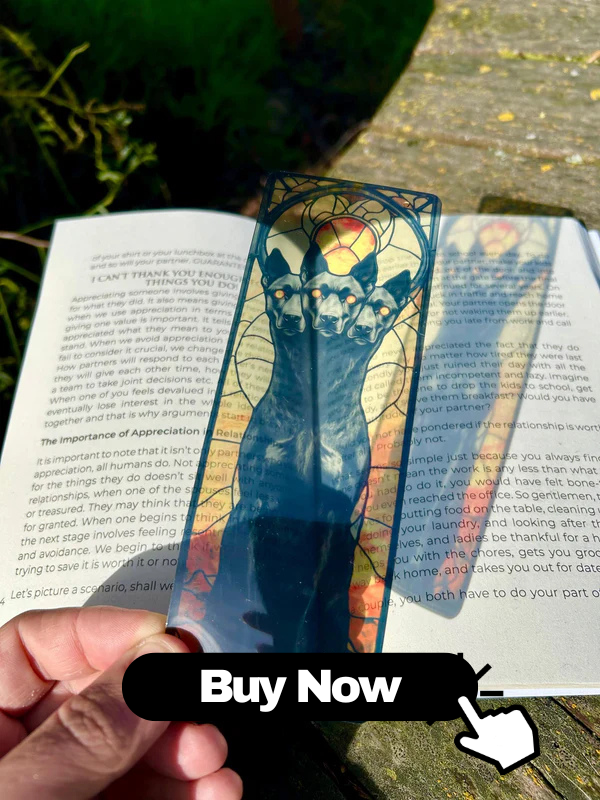
Thin, clear archival plastic bookmarks can be good for both reading and reference when chosen correctly.
-
Advantages
- Durable and long-lasting
- Resistant to moisture and bending
- Often smooth and non-abrasive when made for archival use
-
Look for
- Non-PVC, archival-safe plastics such as polyester (Mylar) or polypropylene
- Rounded edges to avoid cutting or indenting pages
- Very thin profile to minimize pressure
5. Corner Bookmarks (With Caution)
Corner bookmarks slide over the corner of a page. They can be convenient but need careful design to avoid damage.
-
Safe characteristics
- Made from thin, smooth materials
- Not too tight, so they don’t crease the page
-
Potential issues
- Thick or stiff corner bookmarks can crush or bend corners
- Leather or fabric versions sometimes transfer dyes to pages
Bookmark Materials: What’s Safe and What to Avoid
The material your bookmark is made from has a major impact on long-term book preservation.
Safe and Book-Friendly Materials
-
Acid-free paper and cardstock
- Prevents yellowing and chemical damage to pages
- Ideal for collectors and archival storage
-
Archival plastic (polyester, polypropylene)
- Stable, inert materials used in libraries and archives
- Won’t off-gas harmful chemicals onto paper
-
High-quality fabric ribbons
- Soft and flexible, with minimal friction
- Best when colorfast and non-bleeding
Materials to Use With Care
-
Leather
- Can be safe if properly tanned and finished
- Some leathers may transfer oils or dyes to pages
-
Metal
- Risk of rust, scratches, and indentations
- Very thin, coated metal bookmarks are safer but not ideal for rare books
Materials to Avoid for Condition-Conscious Readers
-
PVC plastics
- Can off-gas and damage paper over time
- Not used in professional archival settings
-
Rough or textured materials
- Sandpaper-like surfaces can abrade page edges
- Glittered or heavily embossed bookmarks can leave imprints
-
Anything scented or treated with oils
- Perfumed bookmarks can leave oily stains on paper
- Essential oils and fragrances may discolor pages over time
Bookmarks for Collectors, Archivists, and Rare Books
Collectors and archivists have higher standards for book-safe bookmarking because they handle:
- First editions and signed copies
- Out-of-print and rare books
- Antique or fragile volumes with brittle paper
Recommended Bookmark Types for Rare Books
-
Acid-free paper slips
- Thin, unprinted, high-quality paper
- Often used by libraries for safe page marking
-
Mylar (polyester) strips
- Very thin, inert, archival standard plastic
- Does not interact chemically with paper
Special Practices for Archival Use
- Never use:
- Sticky notes
- Metal clips
- Rubber bands
- Avoid:
- Anything bulky, rigid, or heavily dyed
- Bookmarks that require folding or bending pages
- Do:
- Store rare books upright and supported
- Remove bookmarks before long-term storage whenever possible
DIY Bookmarks That Are Safe for Your Books
Condition-conscious readers who enjoy crafts can create DIY bookmarks that are both beautiful and book-safe.
Safe DIY Bookmark Ideas
-
Acid-Free Cardstock Bookmarks
- Use archival, acid-free cardstock
- Cut into narrow strips to reduce bulk
- Decorate with:
- Light, non-flaking inks or pens
- Water-based markers that are fully dry before use
- Minimal, flat embellishments
-
Simple Ribbon Bookmarks
- Choose soft ribbons 3–6 mm wide
- Melt or seal ends to prevent fraying
- Use without heavy charms or beads
-
Archival Plastic Strips
- Cut thin strips from archival polyester sheets
- Round the corners to avoid sharp points
DIY Bookmark Elements to Avoid
- Thick layers of acrylic paint or heavy glue
- Glitter, sand, or rough textures
- Bulky add-ons like buttons, large beads, or thick fabric patches
How to Use a Bookmark Without Damaging the Book
Even the best bookmark can cause problems if used incorrectly. Use these book-safe reading practices to protect condition.
Placing the Bookmark
- Insert the bookmark fully inside the book, aligned with the page
- Avoid placing bookmarks at an angle that sticks out and bends when shelved
- Do not wedge the bookmark between too many pages at once
Closing the Book
- Close the book gently so the bookmark lies flat
- Ensure nothing else (pens, devices, or objects) is inside the book
- Avoid slamming or pressing down hard on a closed book with a bookmark in it
Removing or Moving the Bookmark
- Slide the bookmark out gently, without pulling on the page
- Do not yank magnetic bookmarks off, which can tug the paper
- Move the bookmark regularly if you’re keeping the book stored for long periods
Bookmark and Book Storage Tips for Long-Term Preservation
Proper storage of both books and bookmarks is part of caring about book condition.
Storing Books With Bookmarks Inside
- For everyday reading:
- It’s generally safe to leave a flat, book-friendly bookmark inside
- Ensure bookmarks are not protruding excessively from the top or sides
- For long-term storage and archives:
- Remove bookmarks whenever possible
- Store the book closed, upright, in a stable environment
- Keep temperature and humidity moderate and consistent
Organizing Your Bookmark Collection
- Use a small box or envelope to store extra bookmarks
- Keep metal or potentially abrasive bookmarks separate from delicate or antique books
- Label archival-safe bookmarks so you can easily grab them for valuable volumes
Book-Friendly Reading Habits to Protect Condition
Beyond bookmarks, condition-conscious readers practice book-safe habits every time they read.
Habits That Help Maintain Book Condition
-
Never dog-ear pages
- Dog-earing creates permanent creases and weak spots in paper
- Use a flat bookmark instead to mark your place
-
Avoid forcing books to lie flat
- Cracking the spine can loosen pages and reduce longevity
- Support both covers while reading, especially with hardcovers
-
Keep books away from food and drinks
- Spills can permanently stain pages and covers
- Greasy fingers leave marks, especially on glossy paper
-
Use clean, dry hands
- Minimizes oil and dirt transfer to paper
- Especially important when handling older or collectible books
Frequently Asked Questions About Bookmarks and Book Condition
Are magnetic bookmarks bad for books?
Thin, lightweight magnetic bookmarks are generally safe for modern books when used correctly. Avoid:
- Very thick magnets that press deeply into the paper
- Using them on brittle or antique pages
Is it okay to leave a bookmark in a book for years?
For everyday books, a flat, book-safe bookmark is usually fine. For rare or archival books, it is better to:
- Remove bookmarks before long-term storage
- Store the book closed, clean, and supported
What is the safest bookmark for valuable books?
The safest choices are:
- Acid-free, uncoated paper slips
- Mylar (polyester) archival strips
These are widely used in libraries and archives to protect valuable collections.
Can a bookmark cause a book to warp?
Yes, if the bookmark is:
- Too thick or bulky
- Left in the same place under pressure for long periods
Choose thin, flat bookmarks and avoid storing books under heavy weight with bookmarks inside.
Should I avoid all metal bookmarks?
Not necessarily, but metal bookmarks are not ideal for condition-focused readers. If you use them:
- Make sure edges are smooth and rounded
- Do not use them in rare or fragile books
Summary: Choosing the Best Bookmarks for Condition-Conscious Readers
Readers who care about book condition should treat bookmarks as part of a complete book preservation strategy. To protect your books:
- Choose thin, flat, acid-free bookmarks made of archival-safe materials
- Avoid clips, sticky notes, bulky objects, and items that can rust or stain
- Use bookmarks gently, ensuring they lie flat and do not strain the spine
- Remove bookmarks before long-term storage of rare or valuable books
- Combine good bookmarks with book-friendly reading habits for maximum protection
By selecting the right bookmarks and using them with care, you can enjoy your reading life while keeping your books in excellent condition—preserving their beauty, readability, and value for years to come.