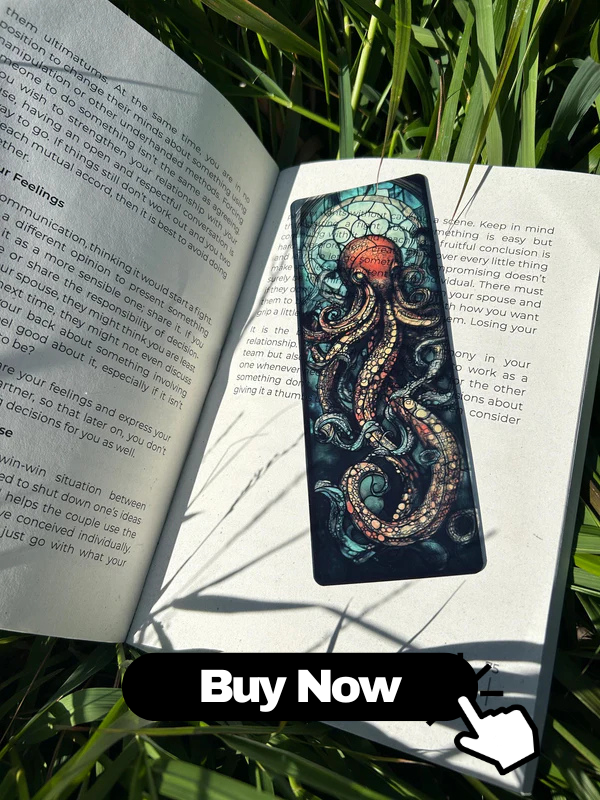
Bookmarks are beloved tools for readers, but a common question persists: do bookmarks damage books over time? While bookmarks are generally safer than folding corners or leaving a book open face-down, certain types and habits can indeed cause wear, warping, stains, or tears. This in-depth guide explores how different bookmarks affect books, how to prevent damage, and best practices for preserving your collection.
Do Bookmarks Damage Books Over Time?
In most everyday situations, properly used bookmarks do not significantly damage books. However, certain factors can lead to gradual wear:
- Thickness of the bookmark – Thick or bulky items can stretch or distort the spine.
- Material and texture – Rough, sharp, or acidic materials can scratch, tear, or discolor pages.
- Placement and pressure – Forcing a book closed over a large bookmark can weaken the binding.
- Environmental conditions – Moist or dirty bookmarks can introduce stains, mold, or odors.
For readers who care about book preservation, understanding the interaction between bookmarks and books is essential. With a few mindful adjustments, you can use bookmarks daily while maintaining the long-term condition and value of your collection.
Types of Bookmarks and Their Effects on Books
Different bookmarks have very different effects on book longevity. Some are designed with preservation in mind, while others are purely decorative and may not be book-friendly.
1. Paper and Cardstock Bookmarks
These are the most common and usually the safest when made from neutral materials.
-
Pros:
- Thin and flexible, reducing pressure on the binding.
- Usually smooth, causing minimal friction or scratching.
- Affordable and widely available.
-
Cons:
- Cheap, rough paper can be acidic and may discolor pages over many years.
- Glossy coatings can sometimes stick in high humidity.
- Heavily inked or dyed card can transfer color if it gets damp.
2. Fabric and Ribbon Bookmarks
Fabric bookmarks and attached ribbon markers are popular, especially in hardcovers and journals.
-
Pros:
- Very thin and flexible, putting minimal strain on the spine.
- Often sewn in and properly sized for the book.
- Soft edges that rarely tear pages.
-
Cons:
- Cheap dye can bleed if the book or ribbon gets wet.
- Fraying edges might catch or snag on fragile pages.
3. Magnetic Bookmarks
Magnetic bookmarks clip over the page and are popular for their convenience.
-
Pros:
- Stay firmly in place, ideal for travel and bags.
- Usually quite thin, so they don’t add much bulk.
- Good for marking specific lines or passages.
-
Cons:
- The magnets can pinch the paper and leave impressions, especially if the bookmark is strong.
- Heavier designs can stress delicate or brittle pages.
- Glossy or rough edges can rub or indent the paper over time.
4. Metal Bookmarks
Metal bookmarks range from thin, flat designs to ornate clips and charms.
-
Pros:
- Durable and long-lasting; won’t tear or fray.
- Can be made very thin if well-designed.
-
Cons:
- Sharp or rough edges can scratch or cut pages.
- Heavy pieces can dent pages or deform the book if left inside for long periods.
- Metal can corrode in humid conditions, potentially staining nearby pages.
5. Leather Bookmarks
Leather bookmarks are often seen as premium and are common in gift sets and Bibles.
-
Pros:
- Flexible and generally smooth.
- Can be long-lasting if made from quality leather.
-
Cons:
- Can be thick, especially if embossed, adding pressure to the binding.
- Dyed leather may transfer color if it gets damp.
- Treatments and finishes can contain oils that might interact with paper over time.
6. Improvised Bookmarks (Receipts, Tickets, Objects)
Many readers use whatever is at hand instead of a dedicated bookmark.
-
Common improvised bookmarks include:
- Receipts, tickets, envelopes.
- Photos, postcards, sticky notes.
- Bulky items: pens, pencils, hair ties, small objects.
-
Potential issues:
- Thick objects stretch the spine and warp the cover.
- Adhesive from notes or tape can damage pages and leave residue.
- Printed inks on thermal receipts may transfer under heat or pressure.
Common Ways Bookmarks Can Damage Books
The bookmark itself is only part of the story. How you use and store it with the book matters just as much. Over time, certain habits can gradually harm your books.
1. Spine Strain and Warping
Placing a thick or bulky bookmark in the middle of a book and then forcing it closed can cause:
- Permanent spine curvature.
- Loosening or cracking of the glue in perfect-bound paperbacks.
- Weakening of the sewing in stitched hardcovers.
Repeated stress can lead to pages that fall out or covers that no longer lie flat.
2. Indentations and Impressions
Hard-edged or rigid bookmarks, especially metal or stiff plastic, can leave:
- Visible indent lines where the bookmark rested.
- Pressure marks that show up on several surrounding pages.
- Deformations in the paper fibers that never fully flatten.
3. Tears and Snags
Bookmarks with cut-out designs, dangling charms, or rough corners can catch on delicate paper.
- Modern paperbacks often use thin, cheaper paper that tears easily.
- Vintage or antique papers can be brittle and more vulnerable to snagging.
4. Staining and Discoloration
Some bookmark materials or inks can transfer color or chemicals to pages, especially over long periods.
- Dye transfer from leather, fabric, or low-quality ink.
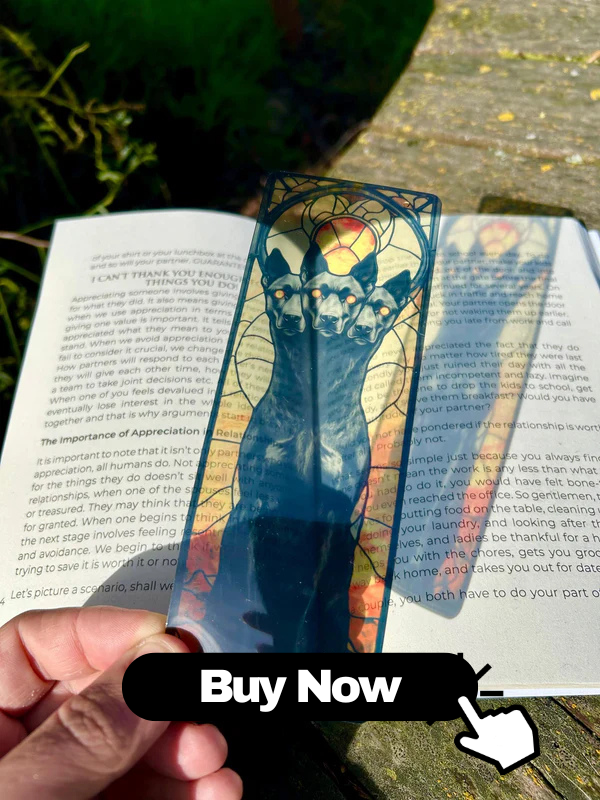
- Oil or residue from coated cards or laminated materials.
- Acidic paper that gradually causes yellowing where it touches.
5. Mold, Mildew, and Odors
If a bookmark is even slightly damp when placed in a closed book, it can trap moisture.
- Encourages mold and mildew growth between pages.
- Can lead to musty odors and warped paper.
- Spreads damage to nearby books if stored together.
Materials That Are Safe for Books
For long-term book preservation, especially with collectible or rare books, the safest bookmarks are made from materials designed with archival care in mind.
Archival-Quality Paper Bookmarks
- Acid-free and lignin-free paper helps prevent yellowing and deterioration.
- Neutral pH materials do not react adversely with paper pages.
- These are often used in libraries, archives, and special collections.
Thin, Smooth Plastics
- Flexible plastic bookmarks that are thin and smooth can be safe.
- Avoid textured or rigid plastics that may scratch or imprint.
- Ensure they are clean and free from sharp edges.
Built-In Ribbon Markers
- Factory-installed ribbons are usually designed to be book-safe.
- Because they are integrated into the binding, they rarely cause strain.
- Ideal for Bibles, journals, planners, and high-use reference books.
Bookmark Practices That Hurt Book Longevity
Even a safe bookmark can be harmful if used carelessly. Certain common habits pose risks to book condition.
- Forcing the book closed over thick items – causes warping and spine damage.
- Leaving heavy or metal bookmarks inside long-term – can compress and mark pages.
- Using sticky notes as permanent bookmarks – adhesives age poorly and damage paper.
- Marking multiple sections with bulky materials – creates uneven pressure points.
- Storing books with bookmarks protruding – leads to bent or torn pages and snagged bookmarks.
How to Use Bookmarks Without Damaging Books
You can safely use bookmarks and still maintain excellent book care and preservation. Follow these practices to minimize damage.
Choose the Right Bookmark
- Prefer thin, smooth, acid-free paper or archival-quality cardstock.
- Use soft fabric or ribbon for delicate or antique books.
- Avoid bulky, sharp, or heavily dyed materials for long-term placement.
Place the Bookmark Correctly
- Insert the bookmark fully within the page margins; avoid hanging it halfway into the text block.
- Do not wedge it deep into the spine; keep it closer to the outer edge of the page.
- Align the top so it doesn’t extend excessively beyond the page, reducing risk of bending.
Close the Book Gently
- Let the bookmark rest naturally; do not press hard on the cover.
- If the book doesn’t close easily, the bookmark is probably too thick.
- A properly chosen bookmark should allow the book to close nearly flat.
Limit Long-Term Storage with Bookmarks
- Remove bookmarks from books you are not actively reading.
- For valuable first editions or rare volumes, avoid leaving anything inside long-term.
- Store bookmarks separately in a box or holder when not in use.
Are Magnetic Bookmarks Bad for Books?
Magnetic bookmarks are a popular topic in discussions about whether bookmarks damage books over time.
Potential Concerns with Magnetic Bookmarks
- Pressure points: Magnets pinch the page between two stiff pieces, which can leave small indentations, especially on thin paper.
- Strength of magnets: Extra-strong magnets increase pressure and can slightly emboss the page fibers.
- Edge wear: If the edges are not smooth, they can rub as the bookmark is slid on and off.
Safer Use of Magnetic Bookmarks
- Use them in sturdier books, like textbooks, planners, and modern hardcovers.
- Avoid using them in very thin-paged books (e.g., Bible paper, onionskin, or old fragile novels).
- Check that the surfaces and corners are soft and rounded.
- Do not stack multiple magnetic bookmarks on the same set of pages.
When chosen carefully and used with care, magnetic bookmarks are generally safe for everyday reading, but they are not ideal for archival or rare book collections.
Book Preservation Tips for Avid Readers
Beyond bookmarks alone, overall book care practices play a huge role in how your books age.
Maintain Good Storage Conditions
- Store books upright on shelves with proper support.
- Avoid direct sunlight to prevent fading and drying of pages and covers.
- Keep humidity moderate to prevent mold growth and paper warping.
Handle Books Gently
- Do not open books wider than they comfortably allow.
- Avoid eating or drinking while reading rare or delicate books.
- Wash and dry your hands before handling valuable volumes.
Use Bookmarks Instead of Damaging Habits
- Never fold corners (“dog-earing”) as a substitute for a bookmark.
- Do not leave the book open face-down on a table.
- Avoid paperclips, binder clips, or rubber bands, which can crush or rust onto pages.
Bookmark Alternatives and What to Avoid
When you don’t have a traditional bookmark, some substitutes are safer than others.
Safer Alternatives
- Clean, plain paper strips (preferably acid-free if long-term).
- Thin, uncoated cardstock without heavy ink coverage.
- A clean ribbon or soft fabric strip for short-term marking.
Things You Should Avoid Using as Bookmarks
- Food wrappers or napkins – may contain oils, residue, or crumbs that attract pests.
- Pressed flowers or leaves – romantic, but they can stain and encourage mold.
- Coins, keys, or small objects – heavy and thick, causing extreme spine strain.
- Adhesive notes – glue ages and can tear pages when removed.
Caring for Valuable and Collectible Books
If you are a collector or own books with high sentimental or monetary value, be especially careful about bookmark use.
Best Practices for Collectors
- Avoid leaving any bookmark inside the book long-term.
- Use archival-quality paper slips if you must mark a page.
- Keep notes of important pages separately in a reading journal or digital document.
- Handle with clean, dry hands; in some cases, consider cotton gloves.
Consulting Book Conservators
- For very rare or antique books, ask a professional conservator for guidance.
- They can advise on safe marking and storage strategies.
- Never tape in or glue in permanent markers or tabs; these are highly damaging.
Frequently Asked Questions About Bookmarks and Book Damage
Do bookmarks damage books more than dog-earing?
No. Dog-earing (folding page corners) is generally more damaging than using a proper bookmark, as it permanently creases and weakens the paper. A thin, smooth bookmark is a much safer alternative.
Is it okay to keep a bookmark in a book for years?
It depends on the book and the bookmark material.
- For everyday paperbacks, it is usually fine, as long as the bookmark is thin and non-acidic.
- For rare or collectible books, avoid long-term insertion of anything between pages.
Can I use more than one bookmark in the same book?
Yes, but use caution.
- Keep all bookmarks very thin if you use multiple.
- Avoid stacking several on the same section, which creates thick pressure points.
Are laminated bookmarks safe?
Laminated bookmarks can be safe if they are:
- Thin, with smooth edges.
- Made from quality, non-sticky laminating material.
- Clean and free from residue or peeling edges.
Final Thoughts on Bookmarks and Book Care
Used correctly, bookmarks are one of the safest ways to mark your place in a book. Most damage associated with bookmarks arises not from the idea of using a bookmark, but from:
- Poor material choices (bulky, sharp, dyed, or acidic).
- Forcing books closed over thick or rigid items.
- Long-term storage with inappropriate objects between pages.
If you value book longevity, book care, and preservation, choose thin, smooth, and preferably acid-free bookmarks, insert them gently, and remove them when you are finished reading the book. With mindful habits, you can enjoy bookmarks as practical reading accessories without sacrificing the condition or life span of your favorite books.