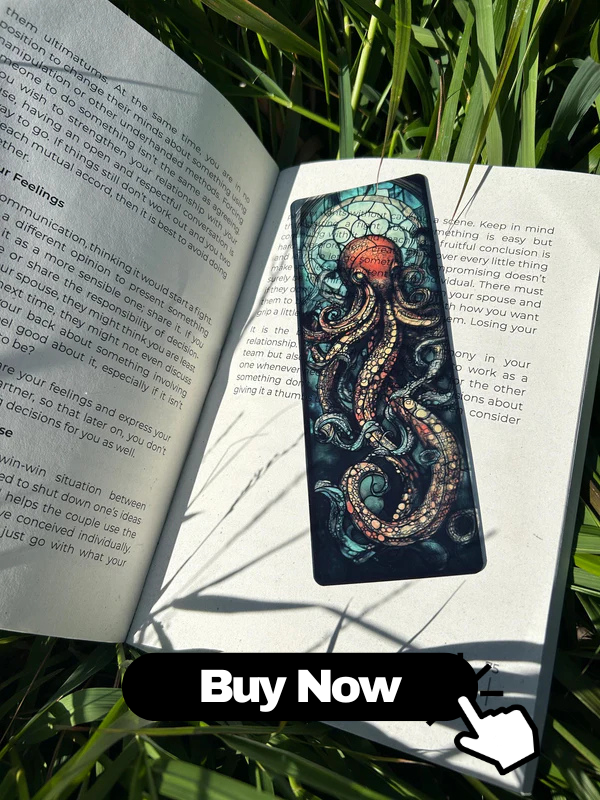
Handmade bookmarks are more than simple page holders; they are miniature artworks that blend creativity, craftsmanship, and everyday usability. For handmade bookmark makers, the challenge is to balance art and function—creating designs that are visually striking while remaining slim, durable, and practical for regular reading. This article explores how artisans achieve this balance, which materials and techniques they use, and how they design bookmarks that are both collectible and highly functional.
1. Understanding the Balance Between Art and Function
Every handmade bookmark maker faces a fundamental question: Is this piece meant to be art, or a practical tool for reading? The best designs answer: both. To balance art and function, artisans consider:
- Visual appeal – How eye-catching, unique, and artistic the bookmark looks.
- Practical usability – How comfortably it fits in a book, how easily it can be moved, and whether it protects pages.
- Reader experience – Whether it enhances or distracts from the act of reading.
Handmade bookmark makers must weigh creative ideas—like adding beads, charms, or textured paints—against practical questions:
- Will this bookmark be too thick for tightly bound books?
- Could sharp edges damage pages over time?
- Is it flexible enough to slip into a paperback without bending or breaking?
- Does the surface smudge ink or cause discoloration?
This constant decision-making defines how artisans successfully integrate aesthetic design with functional constraints.
2. Choosing Materials That Support Beauty and Durability
Material choice is one of the most critical ways handmade bookmark makers balance art and function. Each material has its own look, feel, and performance.
2.1 Paper and Cardstock Bookmarks
Paper-based bookmarks are among the most popular for their versatility, affordability, and printable surfaces.
-
Pros:
- Lightweight and thin enough for most books.
- Excellent for printed designs, watercolor, and ink illustrations.
- Easy to cut into various shapes and sizes.
- Can be laminated for extra protection.
-
Cons:
- More vulnerable to bending, tearing, and moisture.
- Uncoated paper can absorb oils from hands and fade over time.
To maintain function, makers often choose:
- Thicker cardstock (250–350 gsm) for stability.
- Archival, acid-free paper to prevent yellowing and page damage.
- Matte or satin finishes that prevent sticking between pages.
2.2 Laminated Bookmarks
Many handmade bookmark makers use lamination to increase durability while preserving artistic detail.
-
Advantages for functionality:
- Protects against spills, smudges, and dirt.
- Adds structure without too much bulk.
- Prevents artwork from scratching or fading easily.
-
Design considerations:
- Using thin lamination film so the bookmark remains flexible.
- Trimming edges carefully to avoid sharp corners that can damage pages.
2.3 Fabric and Textile Bookmarks
Fabric bookmarks offer a soft, tactile experience and a unique aesthetic.
-
Common materials:
- Cotton, linen, or canvas for printed or embroidered designs.
- Felt for cut-out shapes and appliqué work.
- Ribbon and lace for delicate, vintage-style bookmarks.
-
Functional pros:
- Soft against pages, unlikely to scratch or tear paper.
- Can be made very thin and flexible.
- Great for washable, durable bookmarks when properly sewn and finished.
-
Functional challenges:
- Edges may fray if not hemmed or sealed.
- Some fabrics may stretch or warp over time.
- Heavier embellishments (beads, buttons) can bulk up the bookmark.
2.4 Leather and Faux Leather Bookmarks
Leather bookmarks blend luxury and longevity when crafted properly.
-
Benefits:
- Extremely durable and long-lasting.
- Develops a beautiful patina with age.
- Suitable for engraving, stamping, and pyrography (burned art).
-
Functional considerations:
- Must be kept relatively thin to avoid damaging book spines.
- Edges should be smoothed or burnished to prevent roughness.
- Finish and dye must be stable so color does not transfer to pages.
2.5 Metal, Wood, and Acrylic Bookmarks
Hard-material bookmarks emphasize durability and sculptural design, but require extra thought to preserve functionality.
-
Metal bookmarks:
- Very sturdy and long-lasting.
- Allow for intricate cutouts, engraving, and filigree work.
- Must be thin and smooth-edged to avoid dents and page cuts.
-
Wood bookmarks:
- Offer a natural, warm aesthetic.
- Can be laser-engraved or hand-carved.
- Need to be sanded and sealed to prevent splinters or rough surfaces.
-
Acrylic bookmarks:
- Transparent or colored designs with printed or embedded art.
- Resistant to water and tearing.
- Edges must be gently rounded; overly thick acrylic can stress bindings.
3. Design Principles Bookmark Makers Use to Balance Art and Usability
Successful handmade bookmark design is guided by clear design principles that support both aesthetics and function.
3.1 Ideal Size and Proportions
Most artisans work within tried-and-true bookmark dimensions to ensure usability:
-
Common size range:
- Width: approximately 4–5 cm (1.5–2 inches).
- Height: approximately 13–18 cm (5–7 inches).
-
Why size matters:
- Too long, and the bookmark may bend or stick out awkwardly.
- Too wide, and it can strain the binding or crowd text areas.
- Too short, and it becomes easy to lose between pages.
3.2 Thickness and Flexibility
Balancing thickness is one of the most important aspects of combining art and function in bookmarks.
-
Ideal thickness:
- Thin enough to fit easily between pages.
- Thick enough to hold shape and resist folding.
-
Factors affecting thickness:
- Base material (paper, fabric, leather, metal).
- Added decorations (beads, charms, layered paper, resin).
- Protective coatings (lamination, varnish, sealant).
3.3 Edge and Corner Safety
To ensure the bookmark is truly functional and safe for books:
- Rounded corners are often preferred over sharp 90-degree corners.
- Edges are sanded, burnished, or sealed to avoid catching on pages.
- Metal and acrylic bookmarks often have polished edges to reduce risk of indentations.
3.4 Readable and Relevant Artwork
Many handmade bookmark makers design artwork that enhances the reading experience, such as:
- Literary quotes in clear, legible fonts.
- Minimalist art that doesn’t overshadow the book itself.
- Design themes that match:
- Favorite genres (fantasy, romance, mystery).
- Specific books or characters.
- Seasonal or holiday reading habits.
4. Popular Handmade Bookmark Techniques and Their Functional Impact
Different art techniques influence how a bookmark behaves in real-world use.
4.1 Watercolor and Ink Illustration
-
Artistic strengths:
- Soft gradients, expressive lines, and unique original art.
- Ideal for one-of-a-kind handmade bookmarks.
-
Functional considerations:
- Need high-quality paper that can handle water without warping.
- Art is often sealed or laminated to prevent color transfer and fading.
4.2 Collage and Mixed Media
-
Artistic strengths:
- Eye-catching layers and textures.
- Use of recycled materials (vintage books, maps, music sheets).
-
Functional challenges:
- Layers can create uneven surfaces that press into pages.
- Glue and embellishments must be fully dried and sealed.
- Thickness must be carefully controlled.
4.3 Embroidery and Textile Art
-
Artistic strengths:
- Beautiful thread patterns, motifs, and monograms.
- Highly tactile and personal.
-
Functional best practices:
- Use flat stitches rather than bulky knots.
- Back the fabric with a smooth layer to protect pages.
- Trim threads neatly to avoid snagging.
4.4 Resin and Pressed Flower Bookmarks
-
Artistic strengths:
- Encapsulated natural elements (flowers, leaves, glitter).
- Crystal-clear appearance with a modern feel.
-
Functional considerations:
- Resin must cure fully to avoid stickiness.
- Bookmarks should be cast very thin to fit across pages.
- Edges are sanded and polished to avoid scratching.
4.5 Laser-Cut and Engraved Bookmarks
-
Artistic strengths:
- Intricate cutout patterns in wood, metal, or acrylic.
- Clean, precise engraving of names, quotes, or artwork.
-
Functional elements:
- Cutouts reduce weight and thickness.
- Designers must avoid fragile, ultra-thin sections that could snap.
- Surface finishes should be smooth and non-abrasive.
5. Ergonomics: How Bookmarks Interact With Real Books
True functionality comes from understanding how bookmarks feel in the hand and behave inside books.
5.1 Ease of Insertion and Removal
-
Key ergonomic features:
- Slim edges that slide effortlessly between pages.
- A small top extension (such as a tab or charm) that sticks out for easy grabbing.
- Surfaces that are not overly slippery, making repositioning easier.
5.2 Weight and Balance
-
Lightweight designs:
- Prevent strain on delicate bindings.
- Stay in place without sliding out if the book is gently moved.
-
Heavy charms or beads:
- Add visual interest but can pull the bookmark out or stress pages.
- Many artisans limit weight or shift embellishments above the spine, not within pages.
5.3 Compatibility With Different Book Types
Handmade bookmark makers often test designs in:
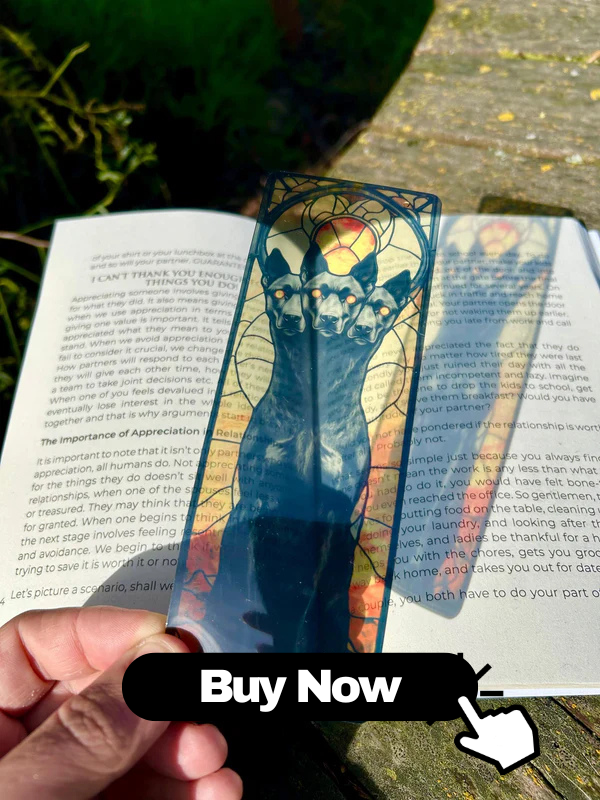
- Paperbacks – More flexible, but pages are thinner.
- Hardcovers – More room near the spine but heavier overall.
- Journals and planners – Require bookmarks that can handle frequent movement.
Designs that work for one book type may need slight modifications for another to maintain optimal usability.
6. Durability, Preservation, and Long-Term Use
Balancing art and function also means ensuring that the bookmark stays beautiful and usable over time.
6.1 Protective Coatings and Finishes
-
Common solutions:
- Lamination films for paper artworks.
- Varnishes and sealants for wood or painted surfaces.
- Leather conditioners and finishes for leather bookmarks.
-
Functional benefits:
- Protection from moisture, fingerprints, and UV light.
- Improved resistance to bending and minor wear.
6.2 Testing for Real-Life Wear
Many professional handmade bookmark makers test their designs by:
- Using the bookmark in several types of books for a few weeks.
- Checking for color fading, ink transfer, or edge fraying.
- Adjusting thickness, finishes, or embellishments based on results.
6.3 Storage Considerations
Bookmarks that are also art prints or collectibles must be easy to store:
- Flat designs are easier to keep in protective sleeves or boxes.
- Very delicate or protruding elements (like 3D flowers) can be damaged in bags or tight shelves.
7. Building an Artistic Identity Without Sacrificing Function
For artisans, developing a recognizable style is essential, but not at the expense of usability.
7.1 Signature Motifs and Themes
- Recurring color palettes (pastels, monochrome, bold primaries).
- Specific art styles: minimalist line art, botanical illustrations, fantasy landscapes.
- Use of consistent fonts and layout styles for quote bookmarks.
7.2 Balancing Complexity and Simplicity
Complex designs may look impressive, but too much detail can:
- Make the bookmark feel visually heavy.
- Distract from the reading experience.
- Introduce more fragile or bulky elements.
Many successful handmade bookmark makers aim for clean, readable, and balanced compositions that remain functional.
8. Custom and Personalized Bookmarks: Tailoring Art to the Reader
Customization is a powerful way to align artistic design with individual reader needs.
8.1 Types of Personalization
-
Names and initials:
- Engraved on metal or wood.
- Hand-lettered in calligraphy on paper or leather.
-
Favorite quotes or book titles:
- Printed or handwritten with attention to font readability.
-
Themed designs:
- Fan art inspired by beloved series.
- Genre-specific icons (dragons, flowers, stars, typewriters).
8.2 Functional Custom Options
- Choosing bookmark length for large-format books vs. pocket paperbacks.
- Selecting laminated or unlaminated finishes based on usage style.
- Opting for lighter or heavier bookmarks for different book bindings.
9. Presenting and Selling Handmade Bookmarks Online (SEO & Product Strategy)
Many handmade bookmark makers sell through online marketplaces and personal websites. To reach readers, they combine strong design with search engine optimization (SEO) and clear product descriptions.
9.1 Using SEO-Friendly Product Titles and Descriptions
Effective bookmark listings often integrate relevant keywords naturally, such as:
- “Handmade floral bookmark, laminated watercolor bookmark for book lovers”
- “Leather engraved bookmark, personalized gift for readers and writers”
- “Pressed flower resin bookmark, aesthetic bookmark for journals and novels”
Well-optimized descriptions typically include:
- Material details (paper type, lamination, metal, wood, fabric).
- Size and thickness information.
- Care instructions and durability notes.
- Use cases (gifts for bookworms, teacher gifts, reading accessories).
9.2 High-Quality Photography for Clarity and Trust
- Photos showing the bookmark:
- Flat on a neutral background.
- Inside a book to show thickness and scale.
- Close-up to highlight details and finishes.
- Lighting that accurately represents colors and textures.
9.3 Blog Content to Support SEO and Educate Buyers
Many creators maintain a bookmark blog or website to target search queries like:
- “How to choose the best bookmark for hardcovers”
- “Difference between laminated and resin bookmarks”
- “Unique handmade bookmark gift ideas”
By writing informative articles optimized with relevant keywords—such as handmade bookmarks, artistic bookmarks, book lover gifts, and reading accessories—makers improve visibility and attract readers who appreciate both art and function.
10. Care Tips for Handmade Bookmarks
Part of maintaining the balance between artistry and function is helping users keep their bookmarks in good condition.
10.1 General Care Tips
- Store bookmarks flat when not in use.
- Avoid placing them in very humid or wet environments.
- Do not close books on objects thicker than the bookmark itself.
10.2 Material-Specific Care
-
Paper and laminated bookmarks:
- Wipe gently with a dry or slightly damp cloth if needed.
- Avoid bending sharply to prevent creases.
-
Leather bookmarks:
- Keep away from prolonged moisture.
- Use leather conditioner occasionally if needed.
-
Resin, acrylic, and metal bookmarks:
- Wipe with a soft cloth to remove fingerprints.
- Avoid dropping from heights to prevent chipping or bending.
11. Future Trends in Handmade Bookmark Design
The world of handmade bookmarks continues to evolve as makers explore new ways to balance creative expression with practical use.
11.1 Eco-Friendly and Sustainable Materials
- Recycled cardstock and eco-friendly inks.
- Upcycled fabrics and vintage papers.
- Natural finishes and plant-based resins.
11.2 Interactive and Multi-Functional Bookmarks
- Bookmarks that double as rulers or tab markers.
- Designs with built-in reading trackers or habit logs.
- Magnetic bookmarks that clip around a page without slipping.
11.3 Digital Integration
- Bookmarks with QR codes leading to book playlists or reading group discussions.
- Limited-edition bookmarks coordinated with online book club events and challenges.
12. Conclusion: Where Art and Function Meet Between the Pages
Handmade bookmark makers play a unique role in the reading world, turning a simple tool into a work of art. By carefully selecting materials, refining their designs, and testing real-world usability, they create bookmarks that are:
- Beautiful – a reflection of personal style and artistic skill.
- Durable – capable of withstanding countless reading sessions.
- Comfortable to use – protecting pages and enhancing the reading experience.
The most successful handmade bookmarks prove that function does not have to limit creativity. Instead, the constraints of size, thickness, and durability inspire more thoughtful and intentional artwork. Whether you are a bookmark maker, a book collector, or simply a devoted reader, understanding how these small pieces of art are designed helps you appreciate the delicate balance between art and function that lives quietly between the pages of every beloved book.