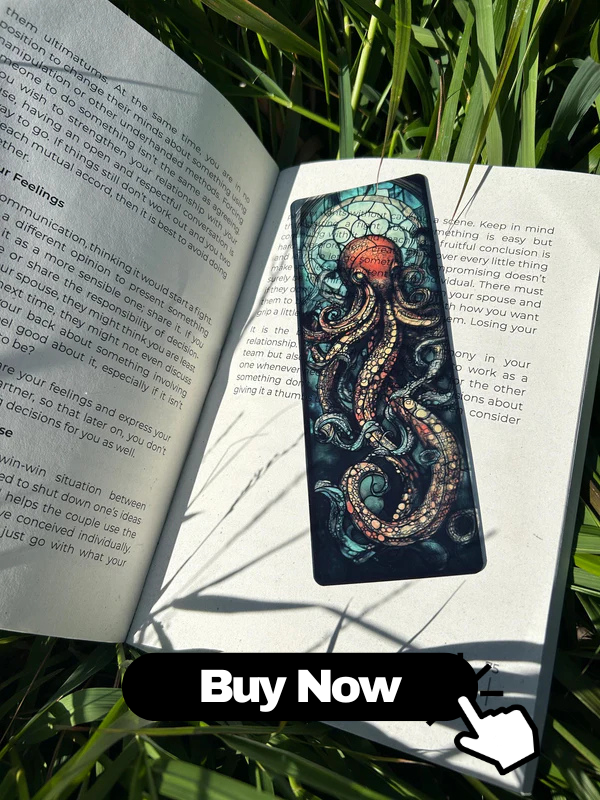
Laminated bookmarks have become a popular choice among readers, students, teachers, librarians, and even businesses that use them as promotional items. By encasing paper or cardstock in a thin protective plastic layer, lamination promises durability and a polished, professional look. But are laminated bookmarks really the best option for everyone? In this in-depth guide, we explore the pros and cons of laminated bookmarks, compare them with other bookmark materials, and help you decide whether lamination is worth the investment for your reading habits, gifts, or branding needs.
What Are Laminated Bookmarks?
Laminated bookmarks are bookmarks that have been sealed within a thin plastic film, typically using heat (thermal lamination) or pressure (cold lamination). The lamination covers both sides of the bookmark and usually extends slightly beyond the edges of the paper to create a sealed border.
Common features of laminated bookmarks include:
- Core Material: Paper, cardstock, photo paper, or printed designs.
- Protective Layer: Clear plastic film (often PET, PVC, or similar materials).
- Finish Options: Glossy, matte, or soft‑touch finishes.
- Optional Add‑Ons: Rounded corners, punched holes, tassels, ribbons, or charms.
The main idea behind lamination is to protect your bookmark from wear and tear, enhance its appearance, and extend its lifespan, especially when used frequently in books, planners, and notebooks.
Advantages of Laminated Bookmarks
The popularity of laminated bookmarks is driven by several clear advantages. Understanding these benefits can help you decide whether laminated bookmarks fit your needs.
Durability and Protection
One of the biggest benefits of laminated bookmarks is their exceptional durability. The plastic coating turns a simple piece of paper into a long‑lasting reading accessory.
-
Resistance to Tears and Bends:
- Lamination makes the bookmark sturdier and less likely to tear, crease, or fold.
- Ideal for children, students, and heavy readers who handle bookmarks frequently.
-
Protection Against Moisture:
- While not fully waterproof, laminated bookmarks are water‑resistant.
- They can withstand accidental spills, sweaty hands, or damp environments better than plain paper.
-
Prevention of Fading and Smudging:
- The plastic layer protects ink from smudging, especially for printed designs.
- Helps keep colors vibrant and text sharp over time.
-
Longer Lifespan:
- Laminated bookmarks can last for years with regular use.
- Suitable for keepsake bookmarks, gift sets, and collectible designs.
If you want reusable, long‑lasting bookmarks that won’t fall apart in your bag or backpack, lamination is a strong advantage.
Appearance and Aesthetic Appeal
Laminated bookmarks are often chosen for their polished, professional appearance. The lamination can enhance artwork, photography, and brand elements.
-
Glossy Finish:
- Creates a shiny, reflective surface that makes colors “pop.”
- Excellent for photo bookmarks, colorful illustrations, and branding.
-
Matte Finish:
- Reduces glare and fingerprints, offering a sophisticated look.
- Preferred for minimalist designs, muted color palettes, or text‑heavy bookmarks.
-
Professional Look:
- Makes DIY bookmarks look store‑bought or print‑shop quality.
- Ideal for authors, bookshops, libraries, and small businesses.
-
Enhanced Color and Clarity:
- The clear film can deepen contrast and enhance saturation.
- Details such as small text or intricate patterns stand out more clearly.
For anyone seeking visually appealing bookmarks—from custom book club designs to branded promotional items—lamination significantly boosts aesthetic value.
Practical Benefits for Daily Use
Beyond looks and durability, laminated bookmarks offer several practical advantages in everyday use.
-
Easy to Clean:
- Smudges and surface dirt can be wiped off with a soft cloth.
- Suitable for use in environments where books may come into contact with food, drinks, or art supplies.
-
Smooth Edges:
- Laminated edges, especially when rounded, are comfortable to handle.
- Less risk of paper cuts or frayed corners.
-
Consistent Shape:
- Lamination prevents bookmarks from curling or warping.
- They slide easily between pages without snagging.
-
Reusability Across Many Books:
- One laminated bookmark can be used for dozens or hundreds of books over time.
- Reduces frequent replacement compared to thin paper bookmarks.
For readers who frequently switch between books or carry bookmarks in bags and pockets, these user‑friendly benefits are a major plus.
Branding, Gifts, and Marketing Uses
Laminated bookmarks are particularly popular in marketing and gift‑giving. Their durability and visual appeal make them excellent for:
-
Author Swag and Book Launches:
- Authors often include laminated bookmarks featuring cover art, quotes, and social media handles.
- They serve as long‑term reminders of a book or series.
-
Bookstore and Library Promotions:
- Bookshops print laminated bookmarks with logos, event calendars, or reading challenges.
- Libraries use them to promote literacy programs, opening hours, or online catalog access.
-
Corporate and Educational Branding:
- Schools, universities, and businesses distribute custom laminated bookmarks at events.
- They can include motivational quotes, study tips, or corporate messaging.
-
Personalized Gifts:
- Custom photo bookmarks, children’s artwork, or favorite quotes can be laminated as keepsakes.
- They make thoughtful, low‑cost, yet meaningful gifts for book lovers.
Because they last longer, laminated promotional bookmarks keep your brand, name, or message visible to readers far longer than a simple paper insert.
Disadvantages of Laminated Bookmarks
Despite their strengths, laminated bookmarks also come with notable downsides. These cons may be significant depending on your values, budget, and reading style.
Environmental Impact
The most important drawback of laminated bookmarks is their environmental footprint.
-
Plastic Use:
- Lamination typically relies on plastic films that are not biodegradable.
- Once laminated, paper and plastic layers are difficult to separate and recycle.
-
Waste Generation:
- Damaged or unwanted laminated bookmarks usually end up in landfills.
- Mass‑produced promotional bookmarks can create significant waste after events.
-
Energy and Resource Consumption:
- Laminating machines and supplies require energy and manufacturing resources.
- For single‑use or short‑term promotions, this can be excessive.
For eco‑conscious readers, teachers, and businesses, the non‑recyclable nature of many laminated bookmarks can be a serious concern.
Feel and Usability Concerns
While laminated bookmarks are durable, not everyone enjoys the way they feel or behave in books.
-
Stiffness:
- Some laminated bookmarks can be quite rigid, especially with thick cardstock and heavy film.
- This can put slight pressure on the book’s spine or pages.
-
Slipperiness:
- The smooth plastic surface can slide out more easily than textured paper.
- In very smooth paperbacks, they may shift if the book is jostled.
-
Glare and Reflection (Glossy Lamination):
- Glossy finishes can reflect light, making designs harder to see under strong lighting.
- For reading at the beach or outdoors, the glare may be annoying.
-
Thickness:
- Lamination adds bulk compared to thin paper bookmarks.
- In tightly bound books, a thick bookmark can cause slight page distortion over time.
Readers who prefer minimal interference with the book’s pages may opt for thinner, non‑laminated options.
Cost and Production Time
Laminated bookmarks are generally more expensive and time‑consuming to produce than plain paper bookmarks.
-
Higher Material Costs:
- You need both paper (or cardstock) and lamination film.
- Professional services charge more for laminated printing than for uncoated paper.
-
Equipment Investment:
- Home crafters may need to purchase a laminator and pouches.
- For small runs, this can be more expensive than using basic materials.
-
Longer Production Time:
- Lamination adds extra steps: trimming, aligning, laminating, cooling, and re‑trimming.
- For large quantities, this significantly increases preparation time.
For quick, low‑budget needs such as temporary bookmarks or one‑time events, the additional cost and effort may not be justified.
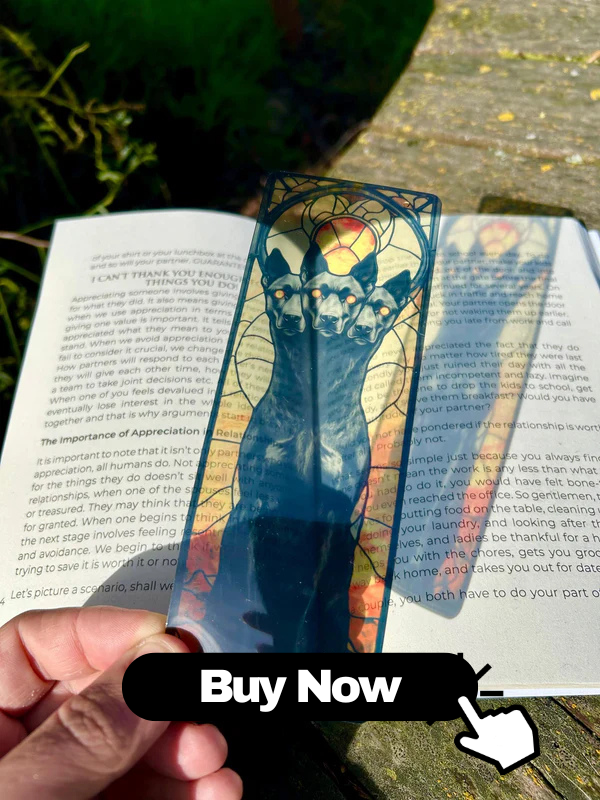
Limitations for Crafters and Artists
If you enjoy handmade or mixed‑media bookmarks, lamination can be both a help and a hindrance.
-
Dimensional Elements:
- Thick embellishments (buttons, beads, layered paper) do not laminate well.
- Air pockets, wrinkles, or broken seals can occur around raised elements.
-
Texture Loss:
- Lamination covers the natural feel of watercolor paper, textured cardstock, or fabric.
- Artists who rely on tactile qualities may find lamination limiting.
-
Irreversibility:
- Once laminated, you cannot easily modify or write directly on the design (unless using special pens).
- Mistakes or design changes require starting from scratch.
For highly tactile, artistic, or changeable bookmarks, lamination may be too restrictive.
Types of Laminated Bookmarks
Not all laminated bookmarks are identical. Different styles, finishes, and materials can change how a bookmark feels and performs.
-
By Finish:
- Glossy Laminated Bookmarks – Bright, reflective, vivid colors; best for photos and bold graphics.
- Matte Laminated Bookmarks – Soft, non‑glare, modern look; better for reading quotes and detailed text.
- Soft‑Touch / Velvet Lamination – Smooth, luxurious feel; commonly used for premium branding.
-
By Thickness:
- Lightweight Lamination – More flexible and thin; gentler on book pages.
- Heavy‑Duty Lamination – Very sturdy; suited for children, classrooms, or rough use.
-
By Core Material:
- Standard Cardstock – Affordable and versatile; great for most designs.
- Photo Paper – High‑resolution images; ideal for photography or art.
- Recycled Paper – More eco‑friendly core, though lamination still adds plastic.
-
By Shape and Features:
- Standard Rectangles – Most common; easy to print and laminate.
- Die‑Cut Shapes – Custom silhouettes (hearts, animals, logos) for unique branding.
- With Tassels or Ribbons – Adds decorative and functional elements to help locate pages.
Choosing the right type of laminated bookmark allows you to balance durability, aesthetics, and reading comfort.
Laminated vs. Non‑Laminated Bookmarks
To fully understand the pros and cons of laminated bookmarks, it helps to compare them directly with non‑laminated alternatives.
-
Durability:
- Laminated: Highly resistant to tearing, bending, and moisture.
- Non‑laminated: Wear out faster; can tear, crease, or fade more easily.
-
Environmental Considerations:
- Laminated: Difficult to recycle; contains plastic film.
- Non‑laminated: Often recyclable or compostable, especially if made of plain paper or cardstock.
-
Cost and Production:
- Laminated: Higher cost per piece; requires extra materials and steps.
- Non‑laminated: Cheaper and faster to produce, perfect for large print runs on a tight budget.
-
Look and Feel:
- Laminated: Smooth, polished, and often more vibrant.
- Non‑laminated: More natural, textural, and lightweight; may be preferred by traditionalists.
-
Customization and Crafting:
- Laminated: Best for printed designs and flat artwork.
- Non‑laminated: Better for adding handwritten notes, stamps, or 3D embellishments.
In short, laminated bookmarks excel in durability and appearance, while non‑laminated bookmarks win for environmental friendliness, tactile variety, and low cost.
Best Uses for Laminated Bookmarks
Given the pros and cons, laminated bookmarks shine in specific situations. They are especially suitable for:
-
Intense or Long‑Term Use:
- Daily readers who keep the same bookmark for months or years.
- Students who use bookmarks in textbooks, planners, and workbooks.
-
Gifts and Keepsakes:
- Bookmarks with personal photos, special dates, or meaningful quotes.
- Wedding favors, graduation gifts, or book club mementos.
-
Educational and Classroom Settings:
- Teachers who need sturdy bookmarks for multiple classes and school years.
- Bookmarks with reading rules, phonics charts, or study tips for repeated reference.
-
Marketing and Branding:
- Authors, bookstores, and businesses that want their message to last.
- Events where bookmarks double as promotional materials and souvenirs.
If your priority is longevity, repeated use, and a professional appearance, laminated bookmarks are a top choice.
How to Make Laminated Bookmarks
Creating your own laminated bookmarks is straightforward, whether you’re a crafter, teacher, or small business owner. The process can be done at home or through a professional print service.
Materials You May Need
- Printer and paper (preferably cardstock for sturdiness)
- Scissors or a paper trimmer
- Lamination pouches or sheets
- Laminating machine (for thermal lamination) or self‑adhesive lamination sheets
- Optional: corner rounder, hole punch, tassels, ribbons
Basic Steps to Make Laminated Bookmarks at Home
-
Design Your Bookmark:
- Use design software or simple word processors to lay out text and images.
- Include elements such as quotes, artwork, logos, or contact information.
- Standard bookmark size is often around 2" × 6" (5 cm × 15 cm), but you can customize.
-
Print on Cardstock:
- Choose a high‑quality print setting for crisp images and text.
- Print multiple bookmarks per page to save paper.
-
Cut the Bookmarks:
- Use a paper trimmer for clean, straight edges.
- Leave a small gap between designs to allow for trimming after lamination.
-
Arrange in Lamination Pouches:
- Place bookmarks inside the pouch, leaving a small border between each one.
- Ensure there is at least a few millimeters of plastic around every edge.
-
Laminating:
- Pre‑heat the laminator if using thermal pouches.
- Feed the pouch sealed end first according to the machine’s instructions.
- Allow the laminated sheet to cool flat to avoid warping.
-
Final Trimming and Finishing Touches:
- Cut out each bookmark, leaving a small clear border to maintain the seal.
- Round corners for comfort and to prevent sharp plastic edges.
- Punch a hole at the top and add a tassel or ribbon if desired.
By following these steps, you can produce high‑quality laminated bookmarks suitable for personal use, classrooms, or small business branding.
Eco‑Friendly Alternatives and Tips
If you appreciate the benefits of laminated bookmarks but worry about environmental impact, consider these eco‑friendly strategies and alternatives.
-
Use Thinner Lamination or Partial Lamination:
- Choose lower‑gauge lamination film to reduce plastic usage.
- Consider laminating only one side or using spot lamination on key areas.
-
Opt for Recycled or FSC‑Certified Paper Cores:
- Use recycled cardstock or paper from responsibly managed forests.
- This doesn’t remove plastic but improves the overall sustainability of materials.
-
Limit One‑Time Use Promotional Bookmarks:
- Avoid mass‑laminating bookmarks for events where many will be discarded.
- Reserve lamination for designs intended for long‑term use.
-
Non‑Plastic Protective Alternatives:
- Use thicker, coated cardstocks or varnish finishes instead of full lamination.
- Consider bookmarks made from durable materials such as bamboo, wood, or metal when appropriate.
-
Encourage Reuse and Care:
- Include a note encouraging recipients to keep and reuse bookmarks.
- Design classic, timeless artwork that won’t quickly feel outdated.
By balancing the advantages of lamination with conscious design choices, you can create more sustainable bookmarks that still serve readers well.
Frequently Asked Questions About Laminated Bookmarks
Are laminated bookmarks bad for books?
When made with appropriate thickness and smooth edges, laminated bookmarks are generally safe for books. However, very thick or rigid bookmarks can slightly stress the binding if left inside tightly closed books for long periods. Choosing moderately thin lamination and avoiding bulky add‑ons reduces any risk.
Can I write on laminated bookmarks?
Yes, but you will need the right tools. You can write on laminated surfaces using:
- Permanent markers (for non‑erasable notes)
- Wet‑erase markers (for temporary notes, wiped off with a damp cloth)
Standard pens or pencils do not write well on plastic surfaces without smudging.
How long do laminated bookmarks last?
With normal use, laminated bookmarks can last for years. Their lifespan depends on factors like lamination thickness, handling conditions, and storage. In classrooms or public settings, they often survive heavy use far longer than unlaminated paper.
Can laminated bookmarks be recycled?
In most household recycling systems, laminated bookmarks are not accepted because the paper and plastic layers are fused together. They usually must be disposed of with regular waste. This is a key environmental drawback to consider.
Are laminated bookmarks worth it for personal use?
If you are an avid reader who likes to keep a favorite bookmark for years, or if you value a polished, durable look, laminated bookmarks can be worth the investment. However, if you enjoy frequently changing designs or prioritize zero‑waste living, non‑laminated or alternative materials might suit you better.
Final Thoughts: Should You Choose Laminated Bookmarks?
The decision to use laminated bookmarks ultimately depends on your priorities and values.
- Choose laminated bookmarks if:
- You want long‑lasting, durable bookmarks that withstand heavy use.
- You need professional‑looking promotional or gift bookmarks.
- You prefer designs with vibrant color, protection from moisture, and easy cleaning.
- Consider non‑laminated or alternative bookmarks if:
- Environmental sustainability is a top concern.
- You enjoy textured, handmade, or easily recyclable materials.
- You often change bookmarks and don’t need them to last for years.
By weighing the pros and cons of laminated bookmarks—from durability and aesthetics to environmental impact and cost—you can make an informed choice that fits your reading lifestyle, your creative projects, or your brand’s identity. Whether you opt for glossy laminated designs, matte finishes, or simple uncoated cardstock, the best bookmark is the one that keeps you turning pages with enjoyment and ease.