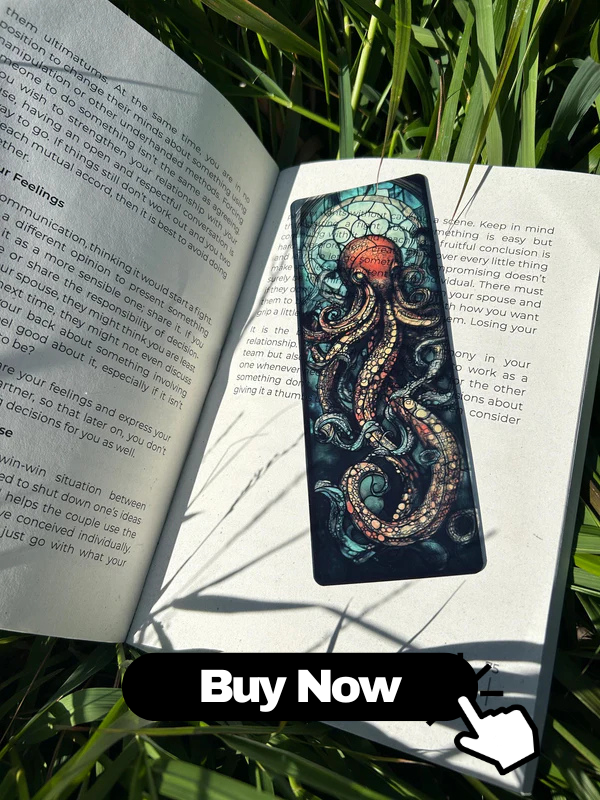
Teaching children to love reading is one of the most valuable gifts we can give them. Along the way, kids naturally develop their own reading habits—one of the most common being folding page corners to save their place. While dog-earing may seem harmless, using bookmarks for kids is a much better and more beneficial habit. In this article, we’ll explore in detail why bookmarks are better than folding pages for kids, how they protect books, encourage responsibility, support literacy, and even become a creative, fun part of your child’s reading routine.
Why Bookmarks Matter for Young Readers
Bookmarks might seem like a small accessory, but for children they can play a big role in how they experience books and develop reading habits. Using children’s bookmarks instead of folding pages offers several key benefits:
- Protects the physical condition of books, keeping pages flat and clean.
- Encourages responsibility and care for personal and shared property.
- Supports focus and continuity in reading by clearly marking where they left off.
- Turns reading into a more engaging ritual through colorful, themed, or personalized bookmarks.
- Helps kids feel like “real readers”, boosting confidence and motivation.
When we choose bookmarks instead of folding pages, we’re not just protecting paper—we’re teaching habits that reinforce literacy, respect, and organization.
How Bookmarks Protect Books Better Than Folding Pages
One of the main reasons bookmarks are better than dog-earing pages is the simple fact that they protect books. For kids who often share books with siblings, classmates, or libraries, this matters a lot.
Damage Caused by Folding Pages
When children fold page corners to mark their place, it can lead to several problems over time:
- Permanent creases that never fully flatten out.
- Weakening of paper fibers, which makes pages more likely to rip.
- Wrinkled or curled pages that make reading less comfortable.
- Visible wear and tear, especially in picture books and early readers.
In school and public libraries, repeated folding can shorten a book’s lifespan significantly, leading to higher replacement costs and fewer quality copies available for kids.
How Bookmarks Keep Books in Good Condition
When children use kids’ bookmarks instead of folding pages, books stay in much better shape:
- No bent or folded corners.
- Pages stay flat and easier to turn.
- Illustrations and text remain clear and undamaged.
- Books look newer for longer, even with frequent use.
For families building a home library for kids, this is especially important. Many children’s books are read again and again, shared with younger siblings, and kept as keepsakes. Protecting them with bookmarks preserves those special stories and memories.
Teaching Kids to Respect and Care for Books
Using bookmarks is also a simple way to teach children broader life lessons about respect and responsibility.
From “It’s Just a Book” to “This Is Something Valuable”
Children often learn how to treat objects by watching how adults handle them. When we:
- Ask kids not to fold pages,
- Provide them with their own special bookmarks, and
- Explain why we take care of books,
we send the message that books are valuable, important, and worth protecting.
Life Skills Learned Through Bookmark Use
The habit of using a bookmark can quietly reinforce important skills:
- Responsibility: Keeping track of a bookmark encourages children to care for small personal items.
- Respect for shared resources: When kids borrow books from a library or classroom, using a bookmark shows they are thinking about others who will read the book later.
- Patience and self-control: Instead of quickly folding a page, children learn a small routine—find the bookmark, place it carefully, then close the book.
These are the kinds of habits that support a child’s development not only as a reader, but as a thoughtful, considerate person.
How Bookmarks Support Early Literacy and Reading Skills
Bookmarks are more than just place-holders. For kids, they can become part of the learning process, especially in the early stages of reading.
Helping Kids Find Their Place Quickly
Young readers often read in short bursts—before bed, during quiet time, or in the classroom. A simple bookmark helps them:
- Quickly return to the story without losing time looking for the right page.
- Avoid confusion about where they left off, which can reduce frustration.
- Maintain continuity in the story, which is critical for comprehension.
Bookmarks as Visual Reading Tools
Bookmarks can be used in creative ways to support literacy:
- Tracking progress: Some bookmarks have measurement marks or spaces to write dates, helping kids see how far they’ve read.
- Reading goals: Parents or teachers can write short goals on a bookmark, such as “Read to chapter 3” or “Finish this page today.”
- Vocabulary notes: Older children can use a bookmark with lines to jot down new or difficult words as they read.
Encouraging Reading Independence
When children know how to:
- Choose a book,
- Use a bookmark to save their place, and
- Return to the same book later on their own,
they begin to feel more like independent readers. That sense of ownership over the reading process is powerful motivation to keep going.
Bookmarks and Organizational Skills in Children
One often overlooked benefit of using bookmarks for kids is the way they support organizational skills.
Creating Simple, Kid-Friendly Routines
Using a bookmark introduces a small but meaningful routine:
- Finish reading for now.
- Place the bookmark carefully at the right spot.
- Close the book and put it back where it belongs.
This sequence helps kids practice:
- Orderly behavior—doing things in steps, not rushing.
- Attention to detail—placing the bookmark correctly instead of just folding any corner.
- Consistency—building habits that will benefit them in school and beyond.
Managing Multiple Books at Once
As children grow, many start reading more than one book at a time—perhaps a chapter book, a comic, and a nonfiction title. Bookmarks help them:
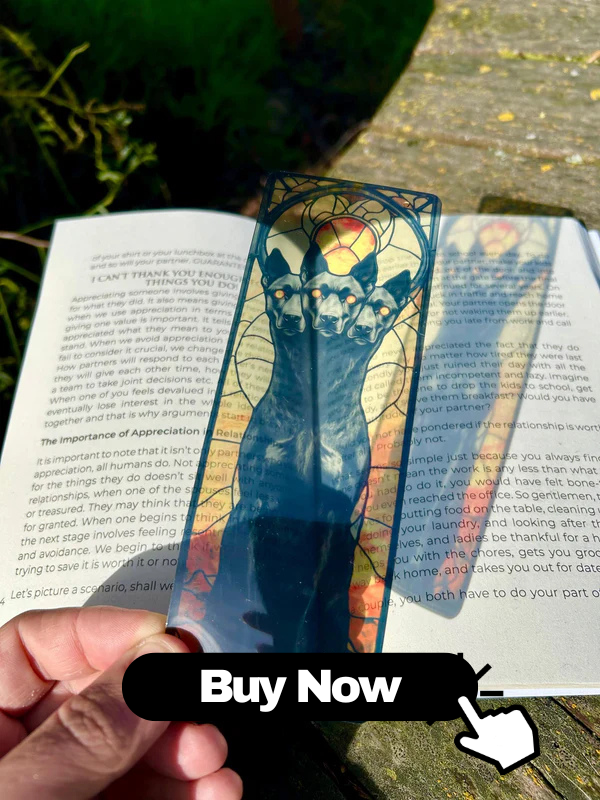
- Keep track of multiple stories without mixing them up.
- Switch between books easily, especially for school assignments.
- Develop early time-management and planning skills (for example, finishing a chapter before bed).
Creativity and Fun: Making Personalized Bookmarks for Kids
One of the best ways to encourage kids to use bookmarks instead of folding pages is to make bookmarks fun, personal, and creative.
DIY Bookmark Ideas for Children
Homemade bookmarks can become a beloved craft project. Some easy ideas include:
- Paper strip bookmarks: Decorate heavy paper with markers, stickers, or stamps.
- Photo bookmarks: Use a small photograph, laminate it, and punch a hole for a ribbon.
- Character bookmarks: Print or draw favorite book characters and glue them onto cardstock.
- Corner bookmarks (that don’t fold the page): Origami-style corner bookmarks that sit over the page, without bending it.
- Nature bookmarks: Press leaves or flowers and laminate them between two layers of clear plastic.
Why Creative Bookmarks Encourage Reading
Customized bookmarks make reading more engaging by:
- Giving kids something they made themselves to use during reading time.
- Connecting their interests and hobbies (like animals, superheroes, or sports) to books.
- Turning the act of saving their place into a special ritual rather than a quick fold.
Practical Tips for Parents and Teachers to Encourage Bookmark Use
Helping children switch from folding pages to using bookmarks is easier when you make it simple and positive.
Tips for Parents at Home
- Provide plenty of bookmarks: Keep bookmarks in baskets, on bedside tables, and near reading spots.
- Model the habit: Show your own book with a bookmark instead of a folded page.
- Explain why: Briefly share that bookmarks help keep books nice so others can enjoy them too.
- Let kids choose: Allow your child to pick or design their own bookmark for their current book.
- Celebrate the habit: Praise them when you see them using a bookmark correctly.
Tips for Teachers and Librarians
- Offer free bookmarks: Keep a jar of simple bookmarks near the book checkout area.
- Bookmark lessons: Incorporate a short mini-lesson on why and how to use bookmarks.
- Create a class craft: Have students design their own bookmarks at the beginning of the year.
- Use visual reminders: Post signs like “Use a bookmark, not a fold!” in kid-friendly language.
- Include bookmarks in reading rewards: Use special bookmarks as part of reading incentive programs.
Choosing the Right Bookmarks for Kids
Not all bookmarks are equally suitable for children. The best bookmarks for young readers are:
Child-Friendly Bookmark Features
- Durable: Made of cardstock, laminated paper, or thin plastic that won’t tear easily.
- Safe: No sharp metal edges or tiny pieces that could become a choking hazard.
- Bright and engaging: Colorful designs, characters, or patterns kids love.
- Appropriate size: Long enough to be easy to spot, but not so large it bends.
- Non-damaging: Avoid clips or designs that pinch or crease pages.
Types of Bookmarks Kids Often Enjoy
- Character bookmarks: Featuring animals, superheroes, or characters from favorite books.
- Magnetic bookmarks: Small magnets that fold over the top of the page without bending it.
- Ribbon bookmarks: Soft ribbons that hang from the top of the book.
- Interactive bookmarks: With reading trackers, mini calendars, or reward charts printed on them.
Digital Reading vs. Physical Bookmarks for Kids
In a world of tablets and e-readers, digital bookmarks are another way children save their place. However, for young readers, physical bookmarks still offer unique advantages.
Benefits of Physical Bookmarks Over Digital Ones
- Tactile experience: Handling a bookmark reinforces the physical routine of reading a book.
- Reduced screen time: Physical books with bookmarks help balance digital exposure.
- Visual progress: Children can actually see how far they’ve read in a physical book.
- Ownership: Personal bookmarks make reading feel special and meaningful.
Blending Digital and Traditional Reading
For families who use both digital and print books:
- Encourage kids to use digital bookmarking tools on e-readers (like “Save Location” or “Bookmark Page”).
- Use physical bookmarks for print books and discuss the similarities between both systems.
- Talk with children about the importance of respecting all books, whether on a screen or on paper.
Environmental Benefits: Bookmarks vs. Damaged Books
Using bookmarks also has an indirect environmental benefit. When children repeatedly fold pages, books wear out sooner and may need to be replaced more often.
How Book Preservation Helps the Environment
- Fewer replacements: Well-cared-for books last longer, which means fewer new copies must be printed.
- Less waste: Damaged books are more likely to be thrown away or recycled.
- Better library circulation: Libraries can serve more children with the same set of books when they’re treated gently.
Eco-Friendly Bookmark Options
Parents and teachers can choose eco-friendly bookmarks for kids by:
- Using recycled paper or cardboard.
- Reusing old greeting cards, cereal boxes, or packaging to make homemade bookmarks.
- Avoiding plastic whenever possible and choosing durable, long-lasting materials instead.
Using Bookmarks in Classrooms and Kids’ Libraries
Bookmarks are especially valuable in classroom libraries, school libraries, and community reading spaces built for kids.
Making Bookmarks Part of Classroom Culture
- Bookmark baskets: Place baskets of bookmarks in reading corners or next to book racks.
- Rules and routines: Add “Use a bookmark” to classroom reading expectations.
- Student-made bookmarks: Host a “Design a Bookmark” contest and use the winning designs around the classroom.
- Bookmark exchanges: Let students trade bookmarks as reading rewards or to celebrate book fairs.
Supporting Shared Books with Better Care
In shared reading environments, using bookmarks instead of folding pages ensures:
- Books stay in good condition for multiple classes or grade levels.
- Students learn that shared items deserve extra care and respect.
- Teachers spend less time repairing or replacing damaged books.
Frequently Asked Questions About Kids and Bookmarks
Is folding pages really that bad for children’s books?
Occasional folding won’t destroy a book immediately, but over time, repeated dog-ears:
- Cause permanent creases and weaken the page.
- Make books look worn and old quickly.
- Can eventually lead to tearing and damage, especially in thin or glossy pages.
Using bookmarks avoids these problems and preserves the book for long-term reading.
What if my child keeps losing bookmarks?
It’s normal for kids to misplace small items. To help:
- Keep a large supply of simple, inexpensive bookmarks on hand.
- Use larger or brightly colored bookmarks that are harder to overlook.
- Teach a simple habit: the bookmark always stays inside the current book when not in use.
- Allow kids to make new bookmarks if they lose one—turn it into a creative, low-pressure solution.
At what age should children start using bookmarks?
Children can begin using bookmarks as soon as they are handling books independently—often as early as preschool or kindergarten with board books and picture books. Younger kids may need help placing the bookmark correctly, but they quickly learn the routine.
Are magnetic bookmarks safe for kids?
Magnetic bookmarks are popular and can be safe if:
- They are large enough not to be swallowed.
- The magnets are securely enclosed and cannot break loose.
- They are used under adult supervision with younger children.
For very young children, simple paper or cardstock bookmarks are often the safest choice.
How can I make bookmarks part of our family reading time?
Some easy ideas include:
- Start each new book by choosing or creating a special bookmark for it.
- Keep a “family bookmark box” near your reading area.
- Give bookmarks as small gifts with new books on birthdays or holidays.
- Talk briefly about why your family doesn’t fold pages and uses bookmarks instead.
Conclusion: Building Better Reading Habits with Bookmarks
Folding page corners may feel like a quick, easy way for kids to save their place, but in the long run, bookmarks are a much better choice. They protect books, nurture respect and responsibility, support literacy skills, and add a touch of creativity and fun to every reading session.
By encouraging children to use bookmarks instead of folding pages, parents and teachers help them build healthy, respectful reading habits that can last a lifetime. With the right tools, positive guidance, and a few colorful, kid-friendly bookmarks, every child can learn to care for books while discovering the joy of reading—one carefully marked page at a time.