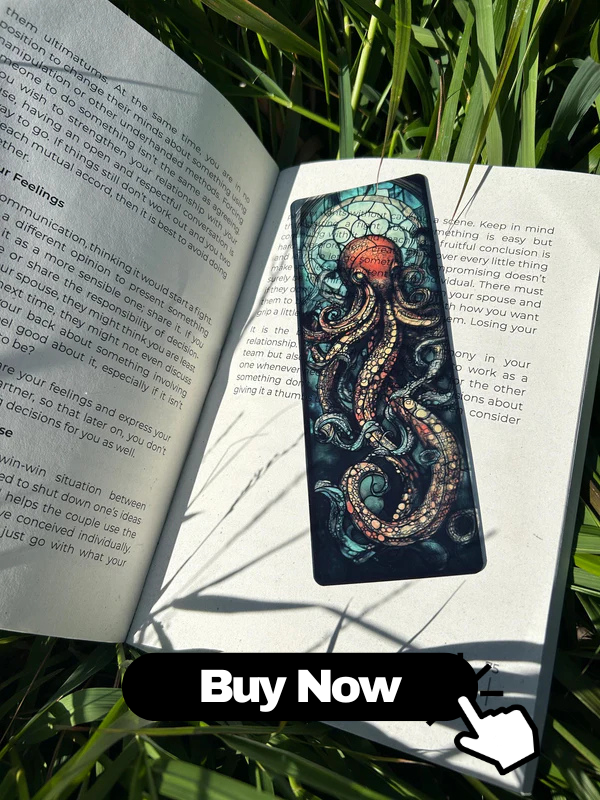
Many book lovers don’t realize that the type of bookmark they use can significantly affect the long-term condition of their books. While thick, rigid, or bulky bookmarks may look beautiful or feel luxurious, they can actually damage pages, weaken the spine, and distort the book’s overall shape. Understanding why readers should avoid thick or rigid bookmarks is essential for anyone who cares about book preservation, collecting, or simply keeping their favorite reads in good condition for years to come.
1. Why Bookmarks Matter More Than You Think
Using a bookmark seems like a small decision, but it plays a major role in book care and book preservation. Just as book collectors pay attention to humidity, light exposure, and shelving, everyday readers should pay attention to the type of bookmark they place between their pages.
A bookmark is in constant contact with the pages and spine. When it is too thick, rigid, or heavy, it can:
- Put unnecessary pressure on the book’s binding
- Indent or wrinkle adjacent pages
- Cause the book to close unevenly
- Accelerate wear and tear over time
From an SEO and informational standpoint, understanding bookmark thickness, rigid bookmarks, and book-safe bookmark materials helps readers make better choices and avoid unintentional damage.
2. The Hidden Problems with Thick or Rigid Bookmarks
Thick or stiff bookmarks might appear durable and high-quality, but they come with a range of hidden issues. These problems become more apparent the longer the bookmark is kept in the book and the tighter the book is stored on a shelf or in a bag.
- Increased pressure on the binding: Thick bookmarks force the book open slightly, even when closed.
- Uneven closing of the book: A rigid object in the middle disrupts the natural way pages lie flat.
- Long-term structural stress: Over months or years, this stress can lead to loose pages or a cracked spine.
- Greater risk during transport: When carrying a book in a bag, a hard bookmark can act like a lever, bending the cover or pages.
For readers who want to protect their books, these hidden issues are a strong reason to avoid thick, rigid bookmarks and opt instead for slim, flexible, book-safe options.
3. How Thick Bookmarks Damage the Spine of a Book
One of the most serious risks of using thick bookmarks is the damage they cause to the spine. The spine is the structural backbone of a book, literally holding all the pages together. Any constant internal pressure can weaken this crucial area.
Key ways thick bookmarks harm the spine include:
- Constant outward pressure: A thick bookmark pushes the pages apart, forcing the spine into an unnatural position even when the book is closed.
- Cracking and breaking: Over time, the glue or stitching in the spine can crack, especially in paperbacks and older hardcovers.
- Misalignment of signatures: In bound books, pages are grouped in “signatures.” A rigid bookmark can twist these groups, leading to uneven page blocks.
- Loose or detached pages: Once the spine is compromised, individual pages may begin to loosen or fall out.
If you care about maintaining the book’s structural integrity, avoiding thick or rigid bookmarks is one of the simplest protective measures.
4. The Impact on Pages: Creases, Imprints, and Tearing
Pages are made from relatively thin paper, which is sensitive to pressure, weight, and texture. Thick or hard bookmarks can have several negative effects on the pages themselves.
-
Indentations and Imprints
- Heavy or stiff bookmarks leave visible impressions on adjacent pages.
- Glossy or textured bookmarks can transfer patterns onto softer paper fibers.
- These marks may be permanent, especially in older or lower-quality paperbacks.
-
Creases and Wrinkles
- When a book is forced to close around a thick bookmark, pages can buckle or fold.
- Over time, these creases become permanent, reducing both readability and resale value.
-
Edge Damage and Tearing
- Rigid corners or metal edges can catch the paper while opening or closing the book.
- This can lead to small tears that gradually expand into larger rips.
- Books with thin or brittle paper (such as older editions or mass-market paperbacks) are especially vulnerable.
For anyone interested in book condition, rare books, or collecting, it is crucial to choose gentle, flexible bookmarks that sit naturally between the pages without pressing into them.
5. How Bulky Bookmarks Distort the Shape of a Book
Beyond invisible structural damage, thick or rigid bookmarks can change the physical shape of a book, making it look worn or warped even when it is relatively new.
- Permanent bulging: A thick bookmark left in a book for weeks or months can cause a visible bulge in the middle.
- Uneven covers: The front or back cover may no longer sit flat but will curve outward around the bookmark.
- Warped page block: Over time, the page block may no longer be rectangular but may bow outward.
- Problems with shelving: Warped books do not sit neatly on a shelf and may lean or tilt.
For readers who value a tidy bookshelf or who care about long-term book aesthetics, avoiding bulky bookmarks is an easy way to prevent distortion and keep books looking clean and well-kept.
6. Bookmark Materials Readers Should Avoid
Not all bookmark materials are equally safe for books. Some are more likely to be thick, hard, or abrasive and should be avoided, especially for cherished, valuable, or fragile books.
Common bookmark materials to avoid:
-
Metal bookmarks
- Often rigid and thin, but still too hard for delicate paper.
- Can leave sharp imprints or cause tearing at the edges of pages.
-
Wooden bookmarks
- Usually thicker than ideal and completely inflexible.
- Can apply uneven pressure and create permanent dents.
-
Chunky plastic bookmarks
- Hard, thick, and non-bending, especially acrylic or resin bookmarks.
- Can easily distort the book’s shape and strain the spine.
-
Bookmarks with protruding charms or beads
- Decorative elements add bulk and can press into the cover or pages.
- Dangling charms may get caught when pulling the book from a shelf or bag.
-
Magnetic bookmarks that are too thick
- Thin magnetic bookmarks can be safe; thick ones are not.
- The magnet pair can press together strongly, leaving creases in the page.
When choosing a bookmark, always consider both material and thickness. Even a slim metal strip may be less forgiving than a slightly thicker but flexible paper bookmark.
7. Safe and Book-Friendly Bookmark Alternatives
Readers can easily switch to book-safe bookmark alternatives that protect both the pages and the spine. These options are usually thin, flexible, lightweight, and smooth.
Recommended bookmark materials and styles:
-
Thin paper bookmarks
- Standard printed paper bookmarks are usually thin enough to sit comfortably between pages.
- Opt for smooth, non-textured paper to reduce imprinting.
-
Cardstock bookmarks (slim)
- Light cardstock is fine as long as it is not excessively thick.
- Ideal for everyday reading and casual book collections.
-
Fabric or ribbon bookmarks
- Soft, flat ribbons are among the safest options for books.
- Many hardcover books come with built-in fabric bookmarks for this reason.
-
Thin, flexible plastic
- If plastic is used, it should be very thin, bendable, and smooth-edged.
- Avoid decorated plastic with attached charms or thick lamination.
-
Ultra-thin magnetic bookmarks
- Look for low-profile, minimal magnets designed specifically for book safety.
- Use sparingly in fragile or collectible books.
These alternatives allow readers to mark pages safely while preserving the book’s condition, value, and reading comfort.
8. Practical Tips for Bookmark Use and Book Preservation
Even with safe bookmarks, how you use them matters. Proper bookmark use is part of good overall book preservation practices.
Best practices for safe bookmark use:
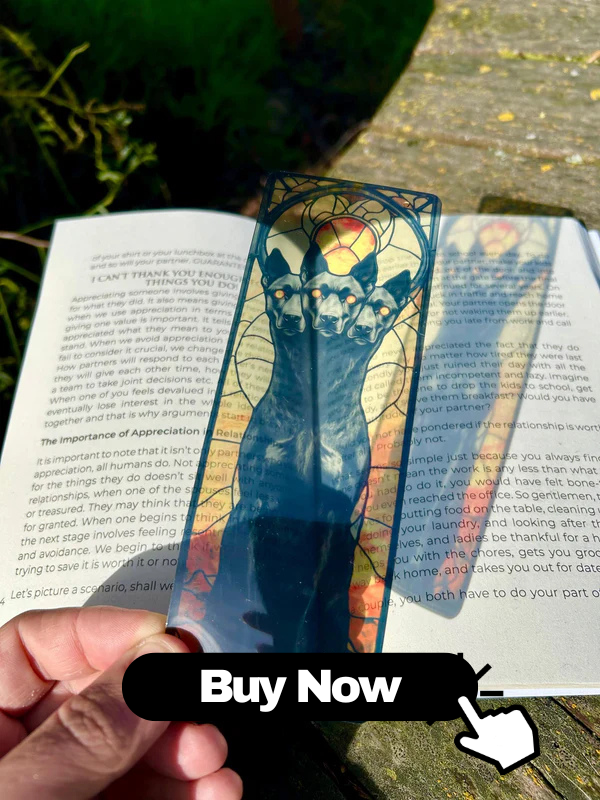
- Choose bookmarks that are thin, flexible, and smooth.
- Insert the bookmark fully so that it lies flat between the pages.
- Avoid forcing a book shut if the bookmark feels bulky or stiff.
- Do not store multiple objects (notes, pencils, thick cards) inside the book along with the bookmark.
- Remove the bookmark occasionally if the book is stored for a long time, especially on rare or valuable volumes.
General book care tips that complement safe bookmark use:
- Store books upright on shelves without packing them too tightly.
- Keep books away from moisture, direct sunlight, and extreme temperatures.
- Avoid folding pages (“dog-earing”) as a replacement for bookmarks.
- Handle pages by the edges, not by pulling on the top corners.
Combining thin, book-friendly bookmarks with these preservation tips ensures longer book life and a more enjoyable reading experience.
9. Common Myths About Bookmark Thickness and Durability
Many readers choose thick or rigid bookmarks based on assumptions that are not necessarily true. Understanding these myths can help in making more informed, book-safe decisions.
Myth 1: “Thicker bookmarks are more durable.”
- Reality: Durability comes from material quality, not just thickness.
- A well-made thin paper or fabric bookmark can last for years without harming books.
Myth 2: “Rigid bookmarks protect the pages better.”
- Reality: The book’s cover already protects the pages.
- Rigid bookmarks create pressure instead of protection, especially when the book is closed.
Myth 3: “If a bookmark is sold in a bookstore, it must be book-safe.”
- Reality: Bookstores often stock items for aesthetic appeal, not archival safety.
- Always evaluate the thickness and material yourself, even if the bookmark looks “premium.”
Myth 4: “Magnetic bookmarks are always safe.”
- Reality: Only thin, low-pressure magnetic bookmarks are truly safe.
- Thicker versions can pinch the pages and cause creases or dents.
10. Ideal Characteristics of a Book-Safe Bookmark
When choosing a bookmark, focus on specific characteristics rather than just appearance. A book-safe bookmark should meet several important criteria.
Key characteristics to look for:
-
Thinness
- The bookmark should be no thicker than a few sheets of paper.
- If you feel resistance when closing the book, it may be too thick.
-
Flexibility
- It should bend easily along with the pages.
- Rigid objects do not adapt to the natural curve of a book.
-
Smooth edges
- No sharp corners, metal points, or rough cut edges.
- Smooth edges prevent tears and reduce page wear.
-
Lightweight design
- The bookmark should not add noticeable weight to the book.
- Heavy objects can shift around and damage pages during transport.
-
Non-reactive material
- Avoid materials that may stick, stain, or transfer color (such as some inks or dyes).
- Archival-safe, acid-free paper is ideal for long-term storage or collectible books.
By focusing on these characteristics, readers can confidently choose bookmarks that protect rather than harm their books.
11. Special Cases: Collectors, Libraries, and Rare Books
For book collectors, librarians, archivists, and fans of rare or first-edition books, the choice of bookmark is even more critical. Thick or rigid bookmarks can dramatically reduce the value and longevity of special volumes.
Why bookmark choice is critical for special collections:
- Financial value: Damage to the spine, covers, or pages can significantly reduce resale or appraisal value.
- Historical importance: Rare books are irreplaceable; even minor damage is permanent loss.
- Archival standards: Professional archives avoid anything thick or acidic inside books.
Recommended practices for rare or valuable books:
- Use acid-free, ultra-thin paper slips or archival-quality bookmarks.
- Avoid all metal, wood, or decorative heavy bookmarks.
- Do not leave bookmarks inside long-term when books are in storage.
- Consider using external methods (like note cards or catalog systems) to track reading progress instead of inserting items inside the book.
Following these practices aligns with professional book preservation guidelines and helps ensure rare volumes remain in the best possible condition.
12. Environmentally Friendly and Budget-Friendly Bookmark Choices
Readers do not need expensive, heavy bookmarks to enjoy their books. In fact, the safest bookmarks for books are often simple, affordable, and environmentally friendly.
Eco-conscious and budget-friendly bookmark ideas:
-
Recycled paper strips
- Cut from old magazines, paper bags, or scrap paper.
- Thin, flexible, and customizable.
-
Thin cardboard from packaging
- Use light, non-corrugated cardboard from cereal or tea boxes.
- Avoid thick, multi-layered cardboard that adds bulk.
-
Fabric ribbons
- Repurpose ribbon from gifts or sewing projects.
- Choose flat, smooth ribbons without bulky knots or beads.
-
Library-style paper bookmarks
- Many libraries offer free or low-cost thin paper bookmarks.
- Designed to be both safe and practical.
These choices support sustainable reading habits while also protecting the physical integrity of your favorite books.
13. Conclusion: Choose Slim, Flexible Bookmarks for Healthy Books
Thick or rigid bookmarks may seem sturdy or stylish, but they come with significant hidden risks: spine damage, page creasing, warping, and long-term structural stress. For readers who value their personal libraries, love well-kept paperbacks, or collect rare volumes, it is essential to understand why readers should avoid thick or rigid bookmarks.
By choosing thin, flexible, smooth, and lightweight bookmarks, and by following basic book care practices, you can:
- Extend the life of your books
- Maintain their appearance and value
- Improve your reading comfort
- Build a more sustainable and book-friendly reading routine
The small decision to switch from thick or rigid bookmarks to book-safe alternatives can make a surprisingly large difference in how your library looks and lasts over time. For every passionate reader, careful bookmark choice is a simple, effective step toward better book preservation and a more enjoyable reading experience.