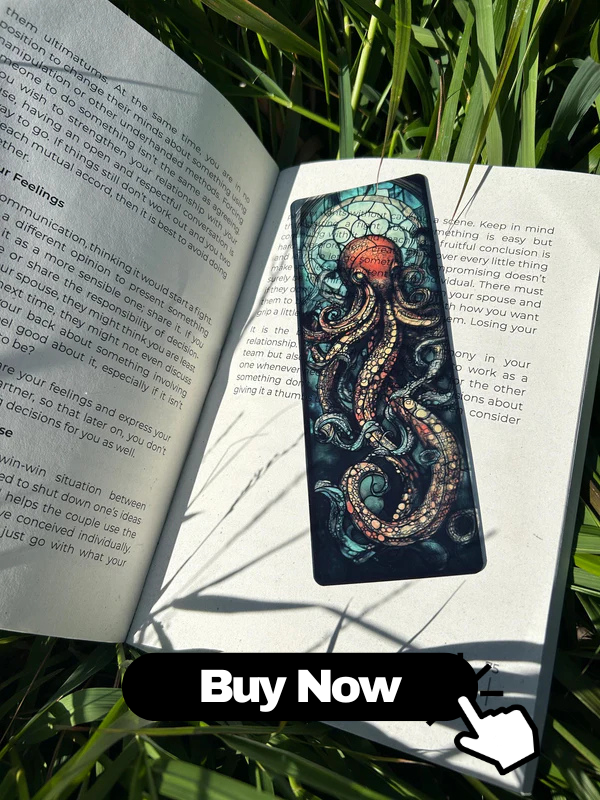
Choosing the right bookmark can make everyday reading more enjoyable, organized, and even more inspiring. Among the most popular options today are acrylic bookmarks and flexible bookmarks (such as plastic, laminated, or magnetic bookmarks). Each type offers different benefits in terms of durability, design, comfort, and practicality. In this detailed guide, we’ll compare acrylic bookmarks vs flexible bookmarks for everyday reading, helping you decide which bookmark style is best for your reading habits, book collection, and personal preferences.
What Are Acrylic Bookmarks?
Acrylic bookmarks are rigid bookmarks made from acrylic, a transparent plastic often used as a lightweight glass alternative. They have become popular among readers, gift buyers, and stationery lovers because of their clear appearance, vibrant printed designs, and collectible nature.
Key characteristics of acrylic bookmarks include:
- Rigid structure: They do not bend easily, keeping their shape even with frequent use.
- Glossy or matte finish: Many acrylic bookmarks have a glossy finish that enhances color and detail, while some feature a matte or frosted look for subtle elegance.
- Clear or opaque base: Designs can be printed on fully transparent acrylic or on colored/opaque bases.
- Decorative elements: Often feature tassels, charms, foil details, or cut-out shapes for a more artistic touch.
Acrylic bookmarks are a favorite choice for:
- Collectors who enjoy unique artwork and limited editions.
- Gift-givers looking for a stylish and durable reading accessory.
- Book lovers who want a sturdy, visually appealing bookmark for special books or everyday reading.
What Are Flexible Bookmarks?
Flexible bookmarks include any bookmark that can bend or curve without breaking. This broad category covers:
- Thin plastic bookmarks – semi-rigid but bendable.
- Laminated paper bookmarks – printed paper sealed in a protective plastic layer.
- Magnetic bookmarks – small, fold-over bookmarks that clip onto a page with embedded magnets.
- Rubber or silicone bookmarks – highly flexible, often with playful or minimalist designs.
- Fabric or leather bookmarks – soft, flexible materials that sit gently between pages.
Common traits of flexible bookmarks:
- Bendable and lightweight: They conform more easily to the shape of the book.
- Space-saving: They add minimal bulk and are ideal for tightly packed bookshelves or backpacks.
- Wide variety of styles: From simple strips to character-themed, motivational quotes, or branded designs.
Flexible bookmarks are especially popular among:
- Students who need practical, lightweight bookmarks for textbooks.
- Commuters who carry books in bags and need durable, non-bulky markers.
- Everyday readers who prefer comfort and simplicity over display-piece aesthetics.
Key Differences: Acrylic Bookmarks vs Flexible Bookmarks
Understanding the core differences between acrylic and flexible bookmarks helps you determine which option suits your reading style. Below is a comparison across essential factors:
- Material: Acrylic is rigid plastic; flexible bookmarks can be plastic, laminated paper, silicone, fabric, or magnetic.
- Rigidity: Acrylic is firm and inflexible; flexible bookmarks bend, fold slightly, or even wrap around pages.
- Durability: Acrylic resists bending and creasing but can crack; flexible bookmarks resist cracking but may warp, crease, or fray.
- Book safety: Acrylic may apply pressure to spines if books are overstuffed; flexible bookmarks adapt more gently to the book’s shape.
- Aesthetic value: Acrylic excels for clear, vivid designs; flexible bookmarks shine in variety, textures, and novelty styles.
- Portability: Flexible bookmarks are generally more portable and forgiving; acrylic requires a bit more care in bags or crowded spaces.
- Price range: Acrylic bookmarks are often more expensive per piece; flexible bookmarks are usually budget-friendly, especially in multipacks.
Durability and Longevity
Both acrylic and flexible bookmarks can be long-lasting, but they handle wear and tear differently.
Durability of Acrylic Bookmarks
- Resistant to bending: Acrylic maintains its flat shape, resisting warping better than thin plastic or paper.
- Scratch risk: The glossy surface can show scratches, especially when tossed in bags with keys or pens.
- Cracking or chipping: Extreme pressure or accidental drops on hard surfaces can cause cracks or chips.
- Water resistance: Acrylic is highly water-resistant; light spills usually don’t damage the bookmark.
Durability of Flexible Bookmarks
- Bend-friendly: Designed to flex, they’re less likely to crack, making them excellent for travel and rough handling.
- Potential for creasing: Laminated or thin plastic bookmarks may crease, curl, or develop bent corners over time.
- Edge wear: Paper-based or fabric bookmarks can fray or peel on the edges with heavy use.
- Magnetic variety: Magnetic bookmarks generally hold up well but can lose magnetic strength if repeatedly bent sharply.
In terms of pure structural longevity under careful use, acrylic bookmarks usually last longer and maintain their original appearance. However, under rough, everyday conditions (like being tossed into backpacks), flexible bookmarks often handle impacts better because they bend instead of breaking.
Protecting Your Books: Which Bookmark Is Gentler?
Many readers, especially collectors and library enthusiasts, worry about how different bookmarks affect the health of their books.
How Acrylic Bookmarks Affect Books
-
Thickness and rigidity: Acrylic is typically thicker than paper bookmarks. When a book is tightly closed, the rigid material may:
- Cause a slight gap in the pages around the bookmark.
- Put pressure on the book’s spine, especially in paperbacks.
- Edges and corners: High-quality acrylic bookmarks usually have rounded edges to reduce risk of page dents. Cheap or poorly finished versions with sharp edges can leave impressions or marks.
- Page imprint risk: Heavier acrylic pieces, especially with attached charms, can occasionally leave light marks on delicate or old paper if stored under pressure.
How Flexible Bookmarks Affect Books
- Conforming to pages: Flexible bookmarks sit more naturally between pages, applying less localized pressure.
- Reduced spine stress: Thin and bendable designs minimize strain on the binding when the book is closed.
- Risk of wrinkling: Very thin or over-sized flexible bookmarks can wrinkle or fold inside the book, which in rare cases can transfer creases to the surrounding pages.
- Magnetic bookmarks and page dents: Small magnetic bookmarks are usually gentle, but thick or strong magnets—if clamped onto very thin or delicate pages—may leave slight impressions.
For fragile, vintage, or collector’s editions, most readers prefer thin flexible bookmarks that put minimal pressure on the book block. For modern hardcovers and sturdy paperbacks, both acrylic and flexible bookmarks are generally safe when used with care.
Comfort and Everyday Reading Experience
The daily reading experience—how a bookmark feels in hand, how easily it can be moved, and whether it gets in the way—matters just as much as durability.
Acrylic Bookmarks in Everyday Reading
- Easy to locate: Their firmness and thickness make acrylic bookmarks easy to grasp and reposition.
- Page security: They stay in place well, especially in hardcover books.
- Potential bulk: The rigid material may feel slightly bulky in very thin paperbacks or pocket-sized books.
- Comfort in hand: Smooth acrylic feels pleasant to hold and can double as a mini art piece you enjoy seeing each time you open your book.
Flexible Bookmarks in Everyday Reading
- Subtle and lightweight: They are often barely noticeable while you’re holding the book.
- Ideal for frequent repositioning: Thin, flexible strips slide smoothly between pages without adding heft.
-
Magnetic convenience: Magnetic bookmarks securely clip to the page, making them perfect for readers who:
- Read while commuting.
- Often toss books into bags.
- Want the bookmark to stay put even when the book is jostled.
- Less intrusive: Flexible bookmarks are better for readers who dislike feeling an object protruding from their book.
If you prioritize lightweight comfort and minimal distraction, flexible bookmarks usually provide a smoother everyday reading experience. If you like tactile, decorative pieces that are easy to find and move, acrylic may feel more satisfying.
Design, Aesthetics, and Customization Options
Both acrylic bookmarks and flexible bookmarks offer huge design flexibility, but they excel in different areas.
Design Advantages of Acrylic Bookmarks
-
High-definition printing: Acrylic’s smooth, clear surface is ideal for:
- Vibrant character art.
- Detailed illustrations.
- Gradient colors and transparent effects.
-
Cut-out shapes and silhouettes: Acrylic can be laser-cut into creative shapes such as:
- Character outlines.
- Animals or plants.
- Geometric or abstract forms.
-
Decorative extras: Many acrylic bookmarks include:
- Tassels, ribbons, or chains.
- Metal charms (stars, moons, keys, etc.).
- Foil details, glitter, or engraving.
- Collectible quality: Because of their durability and visual impact, acrylic bookmarks are often produced in limited editions or as part of book box subscriptions and fandom merchandise.
Design Advantages of Flexible Bookmarks
-
Versatile materials: With plastic, cardstock, fabric, leather, and silicone options, flexible bookmarks offer:
- Different textures (smooth, matte, soft-touch, or leather grain).
- Minimalist styles or heavily illustrated designs.
-
Full-bleed printed art: Laminated or plastic bookmarks allow edge-to-edge printing for:
- Quotes and typography.
- Patterns and photography.
-
Magnetic formats: Magnetic bookmarks are popular for:
- Small character heads or icons that peek over page tops.
- Page tabs to mark multiple spots in a single book.
-
Custom DIY options: Flexible bookmarks are easier to design and produce at home, especially:
- Printed paper bookmarks laminated with a home laminator.
- Handmade fabric or ribbon bookmarks for personalized gifts.
For art-forward, collectible bookmarks, acrylic often stands out. For versatile, practical, and easily customized bookmarks (especially in bulk), flexible bookmarks typically win.
Portability and Practical Use on the Go
Readers who travel, commute, or carry their books everywhere need bookmarks that handle movement and rough handling.
Acrylic Bookmarks on the Go
- Stiff and protective: Acrylic can act as a mini shield for pages around it, but:
- Risk of cracking: If placed in tightly packed bags or bent between items, acrylic bookmarks can crack or chip.
-
Best storage: Works well if:
- You carry your book in a dedicated compartment.
- You use a book sleeve or protective pouch.
Flexible Bookmarks on the Go
-
Highly portable: Flexible bookmarks bend with the book, making them ideal for:
- Backpacks.
- Messenger bags.
- Handbags and briefcases.
-
Magnetic bookmarks for movement: They stay attached to the page, even when the book:
- Is opened accidentally.
- Falls or is jostled in transit.
- Low risk of damage: While corners can wear over time, flexible bookmarks rarely suffer catastrophic damage from pressure.
For on-the-go reading, flexible bookmarks—especially magnetic ones—are typically the most practical choice.

Ideal Uses for Acrylic Bookmarks
Acrylic bookmarks shine in specific reading situations and contexts where aesthetics and structure matter.
-
Display-worthy books:
- Special editions, collector’s hardcovers, or favorite novels displayed on shelves.
- Photo opportunities for bookstagram, book blogs, or reading journals.
-
Reading at home:
- When your books stay on nightstands, desks, or bookshelves.
- Where there is less risk of rough handling.
-
Gift giving:
- Acrylic bookmarks make premium-feeling gifts for birthdays, holidays, and book club exchanges.
-
Collecting and decor:
- Displayed in bookmark stands or organizers.
- Used as decorative accents alongside bookish merchandise.
Ideal Uses for Flexible Bookmarks
Flexible bookmarks are all about practicality, comfort, and versatility.
-
Everyday, high-frequency reading:
- Perfect for readers who always have a book in their bag.
- Great for students and professionals who work with multiple texts and need multiple bookmarks.
-
Study and note-taking:
- Magnetic bookmarks can mark multiple chapters or key sections.
- Color-coded flexible bookmarks help organize subjects or topics.
-
Children’s books:
- Flexible bookmarks are safer and less fragile in younger hands.
- Soft silicone or laminated designs withstand rougher use.
-
Travel and commuting:
- Flexible bookmarks handle backpacks, crowded trains, and frequent movement much better.
Price and Value Considerations
Price is often a deciding factor, especially for avid readers who use many bookmarks.
Cost of Acrylic Bookmarks
- Higher per-piece cost: Due to thicker material, printing techniques, and sometimes added accessories, acrylic bookmarks generally cost more.
- Perceived value: They feel premium and make the reading experience feel special, which many readers consider worth the extra cost.
- Smaller collections: Readers often buy fewer acrylic bookmarks and treat them as special items.
Cost of Flexible Bookmarks
- Budget-friendly: Flexible bookmarks (especially laminated paper or thin plastic) are typically inexpensive.
-
Bulk options: They’re often sold in sets, making them cost-effective for:
- Classrooms.
- Libraries.
- Book clubs.
- Easy to replace: If one is lost or damaged, it’s inexpensive to replace compared with acrylic.
If you are looking for high-value gifts or collectible items, acrylic may be the better investment. For practical, everyday usability and bulk purchasing, flexible bookmarks usually deliver the best value.
Care and Maintenance Tips
Proper care ensures that both acrylic and flexible bookmarks stay attractive and functional for a long time.
Caring for Acrylic Bookmarks
-
Cleaning:
- Wipe gently with a soft, dry microfiber cloth to remove fingerprints and dust.
- For smudges, use a slightly damp cloth; avoid harsh chemicals that can cloud the surface.
-
Storage:
- Store flat in a drawer, bookmark organizer, or between pages of a sturdy hardcover.
- Avoid placing heavy objects directly on top of acrylic pieces.
-
Handling:
- Keep away from extreme heat (which can warp) or severe impacts (which can crack).
Caring for Flexible Bookmarks
-
Cleaning laminated or plastic bookmarks:
- Wipe with a slightly damp cloth to remove dust or grime.
- Dry thoroughly before placing back into books.
-
Preventing warping:
- Store flat, not crumpled at the bottom of bags.
- Avoid prolonged exposure to moisture or high humidity.
-
Fabric or leather care:
- Spot clean with gentle soap and water (for fabric) or leather cleaner.
- Let completely dry before placing inside books to avoid staining pages.
-
Magnet health:
- Do not over-bend magnetic bookmarks where the magnets are attached.
- Avoid exposing them to very high temperatures to preserve magnetic strength.
Eco-Friendly and Sustainability Aspects
Sustainability is increasingly important for readers who want eco-conscious reading accessories.
Environmental Considerations for Acrylic Bookmarks
- Material type: Acrylic is a type of plastic derived from petroleum; it is not biodegradable.
- Longevity as an advantage: Because acrylic bookmarks can last many years, they may reduce the need for frequent replacements.
- Recycling challenges: Acrylic recycling is possible in some regions but not widely available in standard household recycling streams.
Environmental Considerations for Flexible Bookmarks
-
Paper-based options: Many flexible bookmarks are made from paper or cardstock and can:
- Use recycled paper.
- Be more easily recycled (if not fully laminated in plastic).
- Plastic flexible bookmarks: These have similar environmental drawbacks to acrylic, though they use less material.
- Fabric and leather: Natural fabrics (like cotton or linen) may be more eco-friendly, while synthetic fabrics involve plastics.
- DIY upcycling: Old greeting cards, packaging, or scrap fabric can be repurposed into homemade flexible bookmarks, extending material life and reducing waste.
For readers who prioritize eco-friendly bookmarks, paper-based or fabric flexible bookmarks (ideally using recycled materials) are usually the best option. Acrylic bookmarks, while long-lasting, are less environmentally flexible in terms of end-of-life disposal.
How to Choose the Right Bookmark for You
Selecting between acrylic bookmarks and flexible bookmarks depends on your priorities, habits, and reading goals. Consider the questions below to guide your decision.
-
Where do you usually read?
- Mostly at home: Acrylic or flexible both work well; you can choose based on aesthetics.
- On the go (commuting, travel, school): Flexible, especially magnetic or laminated options, are usually better.
-
How do you treat your books?
- You baby your books: Go for thin, flexible bookmarks that minimize spine and page pressure.
- You’re more relaxed: Acrylic bookmarks are a great choice if you aren’t overly worried about minimal wear.
-
What’s more important: art or utility?
- Art and collectibility: Acrylic bookmarks are ideal for showcasing designs and fandom art.
- Utility and flexibility: Flexible bookmarks are better for organizing, studying, and everyday convenience.
-
What is your budget?
- Limited budget or need many bookmarks: Choose flexible, especially paper or laminated varieties.
- Willing to invest in a few favorites: Acrylic bookmarks offer premium feel and long-term enjoyment.
-
Do you want eco-friendly options?
- Yes, sustainability matters: Look for recycled paper, fabric, or upcycled flexible bookmarks.
- Less concerned about materials: Acrylic bookmarks open up more design options and durability.
FAQ: Acrylic Bookmarks vs Flexible Bookmarks
Are acrylic bookmarks safe for all types of books?
Yes, generally, but with some exceptions. Acrylic bookmarks are safe for most modern hardcovers and trade paperbacks when used correctly. For:
- Very thin paperbacks or books with tight bindings – consider using a thinner flexible bookmark to reduce spine stress.
- Antique or delicate books – flexible, soft materials (fabric or thin paper bookmarks) are safer.
Do acrylic bookmarks damage book spines?
They usually do not damage spines if:
- The bookmark is not excessively thick or heavy.
- You do not overfill the book with multiple rigid items.
- You avoid forcing the book tightly closed around the bookmark.
Which bookmark type is best for students?
For students, flexible bookmarksmagnetic bookmarks or laminated strips—are often best because they:
- Are lightweight and easy to carry.
- Can mark multiple important sections.
- Are inexpensive and simple to replace.
Can I customize my own acrylic or flexible bookmarks?
Absolutely.
- Acrylic bookmarks: Typically customized through professional print shops or online bookmark makers. Great for artists, small businesses, or custom gift orders.
-
Flexible bookmarks: Easily customized at home using:
- Printed designs laminated with a home laminator.
- Hand-painted or hand-lettered cardstock.
- Sewn or glued fabric bookmarks.
Which bookmarks last longer: acrylic or flexible?
Under careful use, acrylic bookmarks often last longer without visible wear because they resist bending and fraying. However, flexible bookmarks can last many years if:
- They’re stored flat.
- You avoid excessive bending and moisture.
Are magnetic bookmarks considered flexible bookmarks?
Yes. Magnetic bookmarks fall under the umbrella of flexible bookmarks because:
- They typically use thin, flexible material (paper or plastic) combined with magnets.
- They bend over the page to clip in place.
Conclusion: Acrylic or Flexible – Which Bookmark Wins?
When comparing acrylic bookmarks vs flexible bookmarks for everyday reading, there is no single winner—only the best choice for your reading lifestyle.
-
Choose acrylic bookmarks if you:
- Love visually striking, collectible designs.
- Mostly read at home or in controlled environments.
- Want a durable, premium-feeling bookmark that doubles as a piece of art.
-
Choose flexible bookmarks if you:
- Read on the go, commute, or travel frequently.
- Need multiple bookmarks for studying, work, or organizing your reading.
- Prefer thin, lightweight, and budget-friendly reading accessories.
- Are looking for eco-friendlier or DIY options.
Many passionate readers keep both acrylic and flexible bookmarks in their collection—using acrylic pieces for special books and at-home reading, and relying on flexible, magnetic, or laminated bookmarks for daily commuting, studying, and work. By understanding the strengths and limitations of each type, you can build a bookmark collection that enhances your reading experience, protects your books, and reflects your personal style.