Back-to-school season is the perfect time to refresh more than just notebooks and backpacks—it’s also the ideal moment to upgrade reading accessories for kids and teens. The right tools not only make reading more comfortable and enjoyable, but they also support better focus, organization, and comprehension. From fun bookmarks and personal reading lights to book stands and annotation tools, thoughtfully chosen reading accessories can turn homework and independent reading into something students actually look forward to.
Why Reading Accessories Matter for Kids and Teens
Thoughtfully selected back-to-school reading accessories do more than look cute in a backpack. They can significantly impact how well kids and teens:
- Focus during independent reading or homework
- Stay organized across multiple classes and assignments
- Protect their eyes with better lighting and posture support
- Engage with books through annotations, highlighting, and note-taking
- Build positive reading habits with fun and personal tools
When families invest in reading accessories for students, they support literacy development, academic success, and a lifelong love of books. Below is a comprehensive, SEO-optimized guide to the best back-to-school reading accessories for kids and teens, along with tips on how to choose and use them effectively.
1. Bookmarks: Fun, Functional, and Motivating
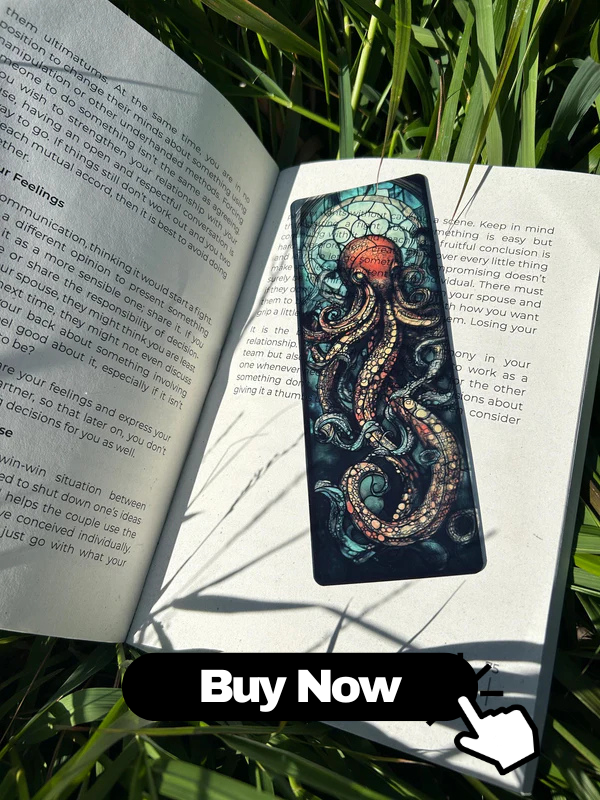
Bookmarks are the most basic yet essential reading accessory. For students juggling multiple books—novels, textbooks, workbooks, and reference materials—having the right bookmarks can dramatically improve organization and make reading more enjoyable.
Types of Bookmarks for Kids and Teens
-
Classic paper or cardboard bookmarks
- Lightweight and inexpensive
- Easy to personalize with drawings, stickers, or washi tape
- Great for classroom giveaways and reading rewards
-
Magnetic bookmarks
- Clip over a page so they don’t fall out in a backpack
- Ideal for middle school and high school students carrying heavy loads
- Available in themed designs (animals, sports, fandoms, inspirational quotes)
-
Elastic or band-style bookmarks
- Wrap around an entire book, doubling as a book strap
- Stay secure even in messy lockers or crowded backpacks
- Useful for planners, journals, and textbooks
-
Clip-on page markers
- Attach to the top or side of pages to mark key sections
- Great for study guides, test prep books, and research projects
- Often reusable and durable
-
DIY and personalized bookmarks
- Crafted from cardstock, photos, laminating sheets, or fabric
- Allow kids to express their interests and personalities
- Can be used as a back-to-school project to get kids excited about reading
Features to Look For in Student-Friendly Bookmarks
- Durability – Laminated or magnetic bookmarks last longer under daily use.
- Size and visibility – Bright or high-contrast designs make it easy to resume reading quickly.
- Motivational messages – Quotes about learning, growth, and reading can encourage reluctant readers.
- Subject-specific sets – Different colors or themes for different classes (e.g., red for English, blue for science).
Integrating colorful bookmarks for kids and aesthetic bookmarks for teens into a back-to-school routine can make daily reading feel more personal and engaging.
2. Reading Lights and Lamps for Eye-Friendly Study Spaces
Proper lighting is crucial for comfortable, healthy reading. With homework, nightly reading logs, and digital assignments, kids and teens spend many hours using their eyes at close range. The right reading light for students can reduce strain and improve focus.
Types of Reading Lights for Kids and Teens
-
Clip-on book lights
- Attach directly to a book, headboard, or desk
- Portable and perfect for reading in bed, in the car, or on the couch
- Often rechargeable via USB, making them convenient for school nights
-
Desk lamps
- Provide a dedicated, well-lit study area
- Look for adjustable arms and brightness settings
- LED lamps with warm and cool light options support different tasks (reading vs. drawing or typing)
-
Headlamp-style reading lights
- Worn around the head or neck for hands-free reading
- Useful for late-night reading that doesn’t disturb siblings
- Fun for younger kids who enjoy “reading adventures” in blanket forts
Key Features for Eye-Friendly Reading Lights
- Adjustable brightness – Allows customization for different environments (dim bedrooms vs. bright living rooms).
- Warm color temperature – Warmer light is often more comfortable for evening reading and can be less disruptive to sleep.
- Glare reduction – Even, diffused lighting prevents harsh reflections on glossy pages.
- Safety and durability – Stable bases, flexible arms, and robust materials are best for kids and teens.
When setting up a back-to-school reading nook, combining a desk lamp with a portable book light gives students flexible options for both study and leisure reading.
3. Book Stands and Reading Pillows for Hands-Free Comfort
As students advance through school, textbooks get heavier and reading sessions longer. Book stands, reading pillows, and lap desks can dramatically improve posture and reduce neck and shoulder strain.
Types of Book Stands and Supports
-
Adjustable desktop book stands
- Hold textbooks, cookbooks, or workbooks upright
- Ideal for note-taking, studying, and copying from a book
- Often include page clips to keep books open
-
Soft reading pillows (book pillows)
- Cushioned bases with ridges to rest books or tablets
- Perfect for reading on the couch, bed, or floor
- Can double as a tablet holder for digital reading
-
Portable lap desks
- Provide a stable surface for writing, reading, or using a device
- Often have built-in cushions and storage compartments
- Useful for kids who prefer to work away from a traditional desk
-
Ergonomic book holders
- Designed to keep reading materials at eye level
- Support better posture and reduce long-term strain
- Especially important for teens with heavy reading loads
Benefits of Using Book Stands for Students
- Improved posture – Books at eye level help prevent slouching.
- Hands-free note-taking – Students can write more efficiently while reading.
- Better focus – A dedicated reading setup signals “study mode.”
- Reduced clutter – Books sit neatly rather than sprawling across a desk.
Including a book stand or reading pillow in a child’s or teen’s back-to-school reading accessories can encourage longer, more comfortable study sessions.
4. Annotation Tools: Highlighters, Sticky Notes, and Tabs
Older elementary students, middle schoolers, and high schoolers benefit enormously from learning to annotate their reading. The right annotation accessories turn passive reading into active learning.
Essential Annotation Tools for Students
-
Highlighters
- Use different colors for themes, vocabulary, key ideas, and questions
- Choose smear-resistant, fast-drying options for textbooks and printed handouts
- Pastel highlighters can be easier on the eyes for long review sessions
-
Sticky notes
- Small squares for margin notes, questions, and quick summaries
- Larger sticky notes for character maps, timelines, or chapter summaries
- Great for rented or school-owned textbooks that can’t be written in directly
-
Page flags and tabs
- Color-coded markers to quickly find key sections
- Ideal for research projects, literature essays, and test prep
- Transparent options allow text to remain visible
-
Fine-tip pens and pencils
- Perfect for underlining, jotting margin notes, and drawing small symbols
- Mechanical pencils are useful for erasable, neat annotations
- Non-bleeding pens help protect thin pages
Organizing Annotation Accessories
- Use a small pouch or pencil case dedicated to reading tools.
- Keep an annotation key (e.g., yellow = main idea, pink = quotes, green = vocabulary) taped inside a notebook or binder.
- Store sticky notes and tabs in the inside cover of frequently used textbooks.
Providing kids and teens with high-quality annotation accessories at the start of the school year promotes better comprehension, test preparation, and confident class participation.
5. Book Covers, Sleeves, and Cases for Protection
School books are an investment, whether they’re purchased or borrowed. Protective reading accessories help keep books in good condition throughout the school year.
Protective Accessories for Books
-
Reusable fabric or plastic book covers
- Protect against spills, scratches, and torn corners
- Many schools encourage or require book covers for textbooks
- Students can choose designs that match their personality or class subject
-
Book sleeves
- Padded sleeves that slide over novels, paperbacks, or smaller textbooks
- Ideal for library books and personal favorites carried in backpacks
- Help prevent bent covers and dog-eared pages
-
Water-resistant cases
- Protect books and devices from leaks and rainy walks to school
- Useful for students who commute or participate in after-school travel
Benefits of Book Protection for Students
- Lower replacement costs for damaged school books.
- Neater appearance for classroom use and daily reading.
- Less stress about keeping borrowed books in good condition.
Adding durable book covers and sleeves to a back-to-school list helps kids and teens respect their materials and keep them looking new all year.
6. Organizers, Caddies, and Storage Solutions
Even the best reading accessories won’t help if they’re lost at the bottom of a backpack. Simple organizers for reading tools can transform chaos into a smooth reading routine.
Storage Solutions for Reading Accessories
-
Desktop organizers
- Hold bookmarks, pens, highlighters, and sticky notes
- Keep reading materials within easy reach on study desks
-
Portable caddies
- Small baskets or bins for moving reading supplies between rooms
- Ideal for families who share study spaces or move between kitchen tables and bedrooms
-
Binder pockets and zip pouches
- Attach to binders or planners to store annotation accessories
- Transparent pockets make tools easy to find quickly
-
Wall-mounted organizers
- File holders or pockets for keeping current reading books visible and accessible
- Encourage kids and teens to grab a book instead of a device during downtime
Organizational Tips for Families
- Designate a single reading supply station at home.
- Use labels (names, subjects, grade levels) on bins and pouches.
- Schedule a quick weekly “reset” to return all reading accessories to their spots.
Creating simple, sustainable systems ensures that back-to-school reading accessories actually get used—and don’t disappear halfway through the semester.

7. Digital Reading Accessories for Tablets and E-Readers
Many schools now rely on tablets, Chromebooks, and e-readers. Digital reading accessories help kids and teens read comfortably and protect their devices.
Essential Accessories for Digital Reading
-
Protective cases and sleeves
- Shock-absorbing corners for drops and bumps
- Raised edges to protect screens in backpacks and lockers
- Kid-friendly grips for younger readers
-
Screen protectors
- Prevent scratches from pens, styluses, and keys
- Matte finishes can reduce glare for reading outdoors or under bright lights
-
Tablet stands and holders
- Keep screens at eye level to support good posture
- Adjustable angles for typing, reading, and video lessons
-
Styluses for annotation
- Allow highlighting and note-taking on digital texts
- Encourage active reading even on screens
Digital Reading Comfort and Safety
- Encourage regular screen breaks using the 20-20-20 rule (every 20 minutes, look 20 feet away for 20 seconds).
- Use built-in blue light filters or night mode during evening study sessions.
- Combine digital reading with offline accessories like paper notebooks and physical bookmarks for balance.
Balancing traditional reading tools with the right digital accessories helps students navigate modern classrooms without sacrificing comfort or comprehension.
8. Comfort Accessories: Cushions, Lap Desks, and Blue Light Glasses
Comfort plays a huge role in whether students can focus on reading for extended periods. Small upgrades in their environment can yield big improvements in concentration.
Comfort-Boosting Reading Accessories
-
Seat cushions
- Add comfort to hard chairs or kitchen stools used as study spots
- Support posture during longer homework sessions
-
Lap desks
- Provide a stable writing and reading surface on the couch or bed
- Often include built-in cushions, handles, and device slots
-
Blue light filtering glasses
- May reduce eye fatigue from long periods of screen reading
- Helpful for teens using devices for e-books and online research
-
Cozy blankets and throws
- Create a welcoming reading corner for younger kids
- Help build positive associations with quiet reading time
Building a cozy, ergonomic reading setup is a powerful way to encourage kids and teens to spend more time with books instead of distractions.
9. Motivational and Reward-Based Reading Accessories
Some students naturally love reading; others need a bit of encouragement. Motivational reading accessories and systems can make reading feel like an achievement rather than a chore.
Motivational Tools to Encourage Reading
-
Reading logs and trackers
- Printable or reusable charts to track minutes, pages, or books read
- Can incorporate stickers or stamps as rewards
-
Goal-setting bookmarks
- Bookmarks printed with reading goals (“Read for 20 minutes,” “Finish 3 chapters”)
- Help students pace themselves for nightly or weekly reading
-
Reward stickers and badges
- Used for younger children to celebrate milestones (first chapter book, finishing a series)
- Can be added to calendars, planners, or reading journals
-
Personalized bookplates
- “This book belongs to…” labels encourage ownership and pride
- Especially meaningful for reluctant readers receiving books as gifts
Combining practical reading accessories with motivational tools supports strong reading habits all school year long.
10. Age-Specific Reading Accessories: Elementary, Middle, and High School
Different ages have different needs. Tailoring reading accessories for kids and teens by grade level makes them more effective and appealing.
Elementary School (K–5)
- Bright, sturdy bookmarks with characters or animals
- Clip-on book lights for bedtime stories and early chapter books
- Soft book sleeves to protect library books
- Simple lap desks or reading pillows for floor or couch reading
- Sticker-based reading logs to track minutes or books read
Middle School (6–8)
- Magnetic and elastic bookmarks for multiple subjects
- Desk lamps with adjustable brightness for homework
- Portable book stands for textbooks and novels
- Highlighters, tabs, and sticky notes for annotation practice
- Durable device cases for e-reading and school-issued tablets
High School (9–12)
- Aesthetic bookmarks that match personal style
- Ergonomic book stands for heavy test prep books
- Comprehensive annotation kits (pens, highlighters, tabs)
- Blue light glasses and well-positioned desk lamps
- Professional-looking organizers for desks, lockers, and bags
Matching reading accessories to grade level keeps them age-appropriate, appealing, and genuinely useful.
How to Choose the Right Reading Accessories
With so many options, it helps to use a simple checklist when selecting back-to-school reading accessories.
Key Questions to Ask
-
What does my child actually use now?
- Start by upgrading what already works (favorite style of bookmark, specific lamp type, etc.).
-
Where do they usually read and study?
- Bed, desk, kitchen table, couch—each setting suggests different supports and lighting.
-
How many books and devices are they carrying?
- Heavier loads may require sturdier covers, sleeves, and organizers.
-
Do they struggle with focus, organization, or comprehension?
- Annotation tools, organizers, and motivational accessories can help address specific challenges.
-
What are the school’s expectations?
- Check supply lists and teacher recommendations for required or recommended accessories.
Balancing Fun and Function
- Let kids and teens choose designs and colors they love.
- Prioritize durability and usability over novelty.
- Start with a basic set, then add specialty items as needs emerge.
A thoughtful approach ensures that reading accessories become genuinely helpful tools instead of clutter.
Care, Organization, and Long-Term Use
Once you’ve invested in high-quality reading accessories for students, simple routines can keep them working all year.
Maintenance Tips
- Regular cleaning of book lights, tablet screens, and reading stands.
- Check batteries or charging cables for reading lights at least weekly.
- Replace worn bookmarks or tabs before they cause frustration.
- Inspect book covers and sleeves for tears or damage.
Organization Habits for Kids and Teens
- Keep a small reading kit (bookmark, highlighter, pen) in each frequently used bag.
- Use a home base—a specific shelf, bin, or drawer—for all reading tools.
- Do a quick Sunday night check-in to refresh supplies for the school week.
Building simple routines around care and organization protects your investment and supports consistent reading habits.
Final Tips for Back-to-School Reading Success
Strategically chosen back-to-school reading accessories for kids and teens can transform reading from a requirement into a more comfortable, organized, and motivating experience. To maximize their impact:
- Combine basic tools (bookmarks, lights, book covers) with study supports (annotation kits, stands, organizers).
- Create a dedicated reading space at home, even if it’s just a small corner with a lamp and caddy.
- Let students help choose their reading accessories so they feel invested.
- Revisit and adjust supplies throughout the year as reading levels, homework loads, and interests change.
By focusing on comfort, organization, protection, and motivation, families can build a toolkit of reading accessories that supports strong literacy skills, better study habits, and a genuine love of books—long after the back-to-school rush is over.