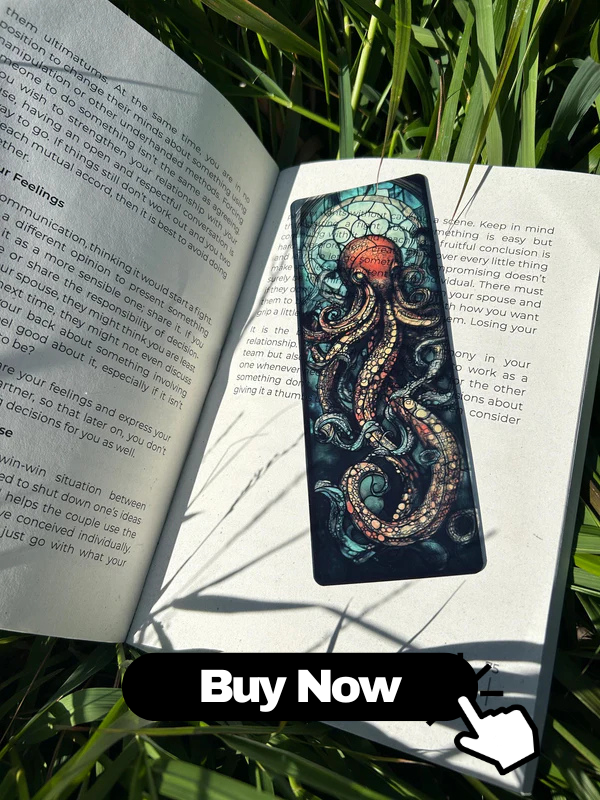
Choosing the best bookmarks for kids who are just learning to read can surprisingly make a big difference in how excited they feel about books. For early readers, bookmarks are more than simple page holders—they can be learning tools, motivation boosters, and even reading aids that support tracking text, recognizing letters, and building reading confidence. In this guide, you’ll discover the most useful types of bookmarks for beginning readers, what features to look for, and how to use bookmarks to encourage a lifelong love of reading.
Why Bookmarks Matter for Early Readers
For adults, a bookmark might seem like a small thing. For a child who is just learning to read, a bookmark can be a visual reminder that they are a reader. It turns reading into a special ritual and helps children feel ownership over their books.
Some key reasons bookmarks matter for beginning readers:
- Encourage reading independence – Kids can mark their own place and return to it later without help.
- Support reading routines – A reusable bookmark can be part of a regular bedtime or after-school reading habit.
- Promote a sense of progress – Watching the bookmark move through the book shows children they are improving.
- Reduce frustration – Bookmarks help kids find exactly where they stopped, avoiding confusion or rereading the same page.
- Make reading fun – Colorful, themed, and interactive bookmarks add excitement to story time.
When parents and educators intentionally choose the right bookmarks for early readers, they can reinforce phonics skills, sight word recognition, and tracking from left to right, all while keeping kids engaged.
Key Features of the Best Bookmarks for Kids Learning to Read
Not all bookmarks are equally helpful for kids who are just starting to read. The best bookmarks for children share several important characteristics that support little hands and developing reading skills.
1. Child-Friendly Size and Shape
- Shorter length so kids can handle them easily
- Rounded corners to prevent pokes and paper tears
- Not too thick to avoid stretching or damaging book spines
2. Durable and Easy to Clean
- Laminated paper or cardstock for durability
- Plastic or silicone for long-lasting use
- Water-resistant surfaces that can be wiped clean
3. High-Contrast, Clear Designs
- Large, simple images that are easy to see
- Bold colors to hold attention
- Readable fonts for any words printed on the bookmark
4. Safety First
- No sharp metal edges or tiny detachable pieces
- Avoid small charms that can detach and become choking hazards
- Choose non-toxic materials when possible
5. Educational Value
The best bookmarks for kids who are just learning to read often double as simple learning tools:
- Alphabet bookmarks for letter recognition
- Sight word bookmarks to practice common words
- Phonics bookmarks featuring sounds or word families
- Reading trackers that help children follow one line at a time
Types of Bookmarks for Kids Who Are Learning to Read
There is a wide variety of bookmarks designed specifically for young readers. Understanding the different types can help you choose the best bookmark for your child’s reading stage and learning style.
1. Traditional Cardstock Bookmarks for Kids
These are the classic rectangular bookmarks, but with kid-friendly designs and extra features.
- Colorful illustrations of animals, superheroes, princesses, or favorite characters
- Simple motivational phrases such as “I Love Reading” or “Reading is an Adventure”
- Laminated surfaces to withstand bending and spills
Best for: Early elementary students who handle books with some care and enjoy themes that match their interests.
2. Magnetic Bookmarks for Early Readers
Magnetic bookmarks clip around a page and stay in place, which is especially useful for young kids.
- Stay securely attached even if the book is dropped
- Easy for small hands to open and close
- Often feature fun shapes (animals, arrows, cartoon characters)
Best for: Kids who frequently carry books to school, the library, or on trips.
3. Finger or Pointer Bookmarks
Finger bookmarks or pointer bookmarks are designed to help kids track the line they are reading.
- Often shaped like a hand, arrow, or finger pointing to the text
- Help kids keep their place on the page while decoding words
- Encourage left-to-right tracking, which is essential for reading fluency
Best for: Beginning readers who lose their place easily or skip lines.
4. Reading Strip or Guided Reading Bookmarks
Reading strip bookmarks are long, narrow strips—sometimes with a colored window—that highlight a single line of text.
- Reduce visual clutter, helping kids focus on one line at a time
- May include a transparent tinted window to emphasize the words being read
- Useful for kids with attention or tracking difficulties
Best for: Young readers who benefit from visual guidance and structure.
5. Corner Bookmarks for Children
Corner bookmarks slip over the corner of a page and are often made from paper, felt, or fabric.
- Fun and visually appealing—often shaped like animals, monsters, or emojis
- Stay in place without bending the page
- Add a playful element that can motivate kids to read more
Best for: Kids who love crafts or want a decorative bookmark that feels special.
6. Interactive and Reward Bookmarks
Some bookmarks include interactive or reward elements that help motivate kids.
- Reading progress trackers where kids can check off chapters or minutes read
- Sticker spaces for adding a small sticker after each reading session
- Goal-setting bookmarks, such as “When I reach this mark, I’ve read 10 pages!”
Best for: Reluctant readers who need extra encouragement and a sense of achievement.
7. Themed and Character Bookmarks
Bookmarks that feature favorite characters, hobbies, or themes can make reading feel personal and exciting.
- Bookmarks with popular cartoon characters, superheroes, or animals
- Themes like space, dinosaurs, unicorns, sports, or nature
- Customizable bookmarks where kids can write their own names
Best for: Encouraging kids to see books as part of their interests and identity.
Bookmarks That Promote Reading Skills
The best bookmarks for kids learning to read do more than mark a page; they can actively support early literacy skills. When choosing bookmarks, look for designs that encourage phonics, vocabulary, fluency, and comprehension.
1. Alphabet Bookmarks
Alphabet bookmarks are especially useful for preschoolers and kindergarteners.

- Display the entire alphabet in upper and lower case
- Often include pictures that start with each letter (A–apple, B–ball, etc.)
- Help children practice letter recognition while using their bookmark
2. Sight Word Bookmarks
Sight word bookmarks list high-frequency words that children need to recognize quickly (such as “the,” “and,” “said”).
- Can be tailored to specific grade-level sight word lists
- Help kids review important words each time they open their book
- Encourage quick, automatic recognition of common words
3. Phonics and Word Family Bookmarks
These bookmarks focus on phonics patterns, such as:
- Short vowel sounds (a, e, i, o, u)
- Blends (bl, cr, st, etc.)
- Digraphs (sh, ch, th, wh)
- Word families (cat, hat, mat)
Kids can quickly refer to the bookmark when they encounter tricky words, reinforcing sound-symbol relationships as they read.
4. Comprehension Prompt Bookmarks
Some bookmarks include simple reading comprehension questions to guide discussion.
- “Who are the main characters?”
- “Where does the story take place?”
- “What happened first, next, and last?”
- “What was your favorite part and why?”
Parents and teachers can use these prompts to build understanding and critical thinking, even with short picture books.
5. Reading Strategy Bookmarks
Strategy bookmarks help kids remember what to do when they get stuck.
- “Look at the picture.”
- “Sound out the first letter.”
- “Read the sentence again.”
- “Ask for help if it still doesn’t make sense.”
These bookmarks empower new readers to be more independent problem-solvers when decoding text.
Age-Appropriate Bookmarks by Reading Level
Choosing the right bookmarks for kids also means considering their age and reading stage. Here is a general guide to help you match bookmark types to early reading levels.
1. Preschool (Ages 3–4)
- Goals: Build print awareness and book-handling skills.
-
Best bookmarks:
- Soft, durable, picture-based bookmarks
- Alphabet bookmarks with bold letters and simple images
- Themed bookmarks with favorite animals or colors
2. Pre-K and Kindergarten (Ages 4–6)
- Goals: Learn letter sounds, basic sight words, and track text.
-
Best bookmarks:
- Alphabet and phonics bookmarks
- Reading strip or finger pointer bookmarks
- Magnetic bookmarks that won’t easily fall out
3. Early Elementary (Grades 1–2)
- Goals: Develop fluency, decode longer words, build comprehension.
-
Best bookmarks:
- Sight word and word family bookmarks
- Comprehension prompt bookmarks
- Reward or progress-tracking bookmarks to motivate reading
4. Transitional Readers (Grades 2–3)
- Goals: Increase reading stamina and transition to early chapter books.
-
Best bookmarks:
- Goal-setting and progress trackers
- Character-themed bookmarks tied to book series
- Strategy bookmarks (predicting, summarizing, visualizing)
How to Use Bookmarks to Motivate Reluctant Readers
For some children, reading can feel like hard work. The right bookmarks and routines can transform reading into a positive experience.
1. Let Kids Choose Their Own Bookmark
- Offer a small selection of kid-friendly bookmarks.
- Allow your child to pick a favorite design or character.
- Explain that this is their “special reading bookmark”.
2. Turn Bookmarks Into Reading Rewards
- Create a bookmark reward chart: after a certain number of reading sessions, let kids choose a new bookmark.
- Give special edition bookmarks as rewards for meeting reading goals (finishing a book, reading daily for a week, etc.).
- Include motivational messages on rewards: “Super Reader” or “Chapter Champion.”
3. Build a Reading Ritual Around Bookmarks
- Begin every reading session with “Find your bookmark and open your book.”
- End each session by letting the child carefully place the bookmark and close the book.
- Use this as a signal that reading time is special and valued.
4. Use Bookmarks to Set Small, Achievable Goals
- Place the bookmark a few pages ahead and say, “Let’s read until we reach the bookmark.”
- Help reluctant readers feel successful by setting short, manageable reading segments.
- Gradually increase the distance as confidence and stamina grow.
DIY Bookmarks for Kids Learning to Read
Homemade bookmarks can be both educational and meaningful. Creating bookmarks together also reinforces the message that reading is important and fun.
1. Simple Paper Bookmarks
- Cut strips of cardstock or thick paper.
- Have children decorate with crayons, markers, or stickers.
- Write the child’s name and a positive reading message (e.g., “I am a Reader!”).
- Laminating the bookmarks (optional) will make them more durable.
2. DIY Alphabet or Sight Word Bookmarks
- Choose a few letters or sight words your child is practicing.
- Print or write them clearly on the bookmark.
- Add matching pictures or doodles (cat for “c,” dog for “d”).
- Use during reading to look for those letters or words in the text.
3. Corner Monster Bookmarks
These corner bookmarks are especially engaging for kids.
- Fold a small square of paper into a corner pocket.
- Decorate with eyes, teeth, and colors to make a monster or animal face.
- Slip over the page corner where your child stops reading.
4. Photo Bookmarks
- Print a small photo of your child or a family picture.
- Glue it to a strip of cardstock and decorate around it.
- Laminating can help preserve the bookmark for long-term use.
Kids often feel proud and more connected to reading when they use a bookmark that features themselves or their family.
Classroom and Library Ideas for Teachers and Librarians
Teachers and librarians can use child-friendly bookmarks to reinforce reading skills and routines in group settings.
1. Welcome-to-Reading Bookmarks
- Give each new student or library visitor a personalized bookmark at the start of the year or program.
- Include classroom or library rules on the back (e.g., “Treat books gently”).
- Use bookmarks as a symbol of joining the community of readers.
2. Reading Strategy Bookmarks for Guided Reading Groups
- Create different bookmarks for various reading strategies (decoding, predicting, summarizing).
- Distribute them during small group reading lessons.
- Encourage students to keep them inside their reading folders or books.
3. Bookmark Craft Centers
- Set up a bookmark-making station with paper, markers, and stickers.
- Use this as a center activity during literacy rotations.
- Connect the craft to current themes or classroom books.
4. Reading Incentive Programs
- Reward consistent reading with special edition bookmarks.
- Offer bookmarks recognizing achievements like “First Chapter Book” or “Reading Star of the Week.”
- In libraries, use bookmarks to highlight recommended books for early readers.
Safety and Durability Tips for Child-Friendly Bookmarks
When selecting the best bookmarks for kids who are just learning to read, pay careful attention to both safety and durability.
1. What to Avoid
- Sharp metal clips that can scratch or poke
- Bookmarks with tiny detachable charms for children under 3
- Very thick or rigid materials that can damage book spines
2. What to Look For
- Rounded edges and smooth finishes
- Non-toxic inks and materials whenever possible
- Sturdy construction that can handle bending and frequent use
3. Caring for Bookmarks
- Teach kids to slide the bookmark in gently instead of forcing it.
- Store bookmarks in a small container or pouch near the reading area.
- Wipe plastic or laminated bookmarks with a slightly damp cloth if they get sticky or dirty.
Where to Buy the Best Bookmarks for Kids
There are many places to find high-quality bookmarks for early readers. Look for options that match your child’s needs and interests.
-
Bookstores (local and chain)
- Often have themed bookmarks for popular children’s book series.
- May offer free promotional bookmarks for kids.
-
Online retailers
- Large selection of magnetic, corner, and reading strip bookmarks.
- Search for phrases like “bookmarks for early readers,” “alphabet bookmarks,” or “kids reading trackers”.
-
Teacher supply stores
- Offer educational bookmarks with sight words, phonics, and reading strategies.
- Often sold in classroom packs at affordable prices.
-
Craft marketplaces
- Handmade, customizable bookmarks with names or special designs.
- Unique materials like felt, wood, or fabric.
Frequently Asked Questions About Bookmarks for Early Readers
1. At what age should kids start using bookmarks?
Children can start using very simple, durable bookmarks as soon as they are handling books independently, often around ages 3–4. At this stage, bookmarks help build book care habits rather than track independent reading.
2. Are magnetic bookmarks safe for young children?
Magnetic bookmarks are generally safe for school-age children, but for toddlers and very young kids, always supervise and choose larger designs without small detachable parts. Avoid any bookmark small enough to be a choking hazard.
3. Do kids really read better when using guided reading bookmarks?
Guided reading bookmarks, including reading strips and pointer bookmarks, can help many beginning readers by:
- Reducing distractions on the page
- Improving left-to-right tracking
- Helping children keep their place on the correct line
While they are not a magic solution, they are a helpful supportive tool for building early reading fluency.
4. How many bookmarks does one child need?
Most children benefit from having at least two or three bookmarks:
- One for their main reading book
- One for a school or library book
- One extra in case a bookmark gets lost
Final Thoughts on Bookmarks for Beginning Readers
The best bookmarks for kids who are just learning to read are those that combine fun, function, and educational value. From simple paper strips to interactive reading trackers, the right bookmark can:
- Encourage children to see themselves as readers
- Support important early literacy skills
- Turn daily reading into an enjoyable routine
By choosing child-friendly, durable, and engaging bookmarks—and using them as part of a consistent reading habit—parents, teachers, and librarians can help young readers build the confidence, skills, and motivation they need to thrive. In the end, a simple bookmark can be a powerful tool in guiding a child from first letters and sounds to a lifelong love of books and reading.