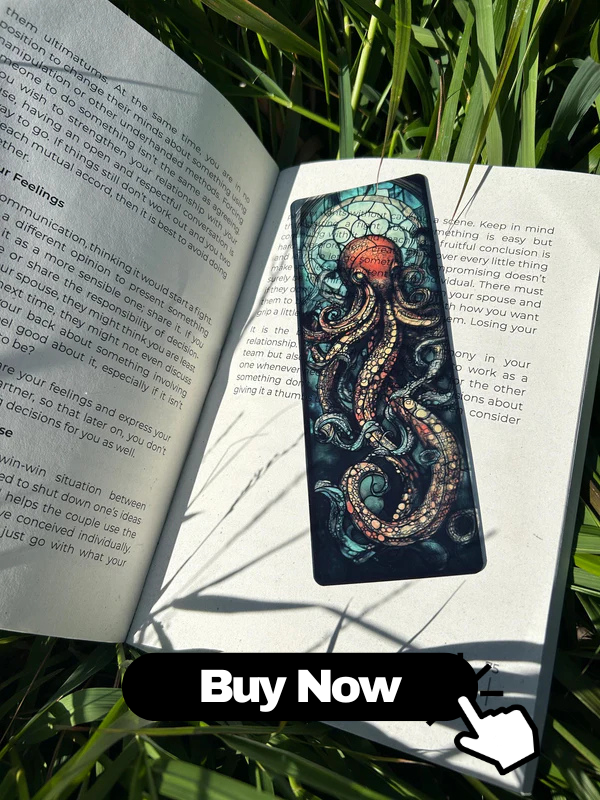
Bookmarks are more than just placeholders between pages; they are essential tools that support reading, information organization, and long-term preservation of books. For librarians, who are responsible for maintaining collections and promoting positive reading habits, quality bookmarks are a vital part of the library experience. This article explores in depth what librarians look for in quality bookmarks, including durability, materials, design, usability, branding, and accessibility. Whether you are a library supplier, designer, publisher, or book lover, understanding these criteria will help you create and choose bookmarks that truly serve readers and protect library collections.
1. The Importance of Quality Bookmarks in Libraries
Librarians see bookmarks every day: tucked into novels, academic texts, children’s picture books, and reference materials. As small as they are, bookmarks have a significant impact on reader satisfaction, book preservation, and library branding.
From a professional librarian’s perspective, quality bookmarks are important because they:
- Protect books from damage caused by folded corners, improvised placeholders, or sticky notes.
- Promote library services by showcasing opening hours, contact details, and digital resources.
- Encourage reading and re-engagement with books by making it easy to return to a page.
- Support literacy programs with reading tips, reading challenges, and recommended titles.
- Enhance the user experience with attractive, functional, and easy-to-use page markers.
Because of this, librarians look closely at bookmark quality, preferring designs that are durable, safe for books, visually clear, and aligned with library values.
2. Core Criteria Librarians Use to Evaluate Bookmarks
When librarians consider whether a bookmark is suitable for library use, they typically evaluate it based on several core criteria. These criteria ensure that bookmarks are not just decorative, but truly practical tools that support reading and care for the collection.
Key evaluation points include:
- Durability – Will the bookmark last through many uses without tearing or fraying?
- Non-damaging materials – Does the bookmark avoid adhesives, sharp edges, or heavy pressure on the book spine?
- Size and fit – Is it appropriately sized for common library books (paperbacks, hardcovers, large-format)?
- Readability – Is any printed text easy to read, even for patrons with visual impairments?
- Practical design – Does the bookmark stay in place and remain visible without distorting pages?
- Relevance – Does it support library goals (promoting reading, literacy campaigns, resources, or events)?
- Accessibility – Is it easy for patrons of different ages and abilities to handle?
- Sustainability – Is the bookmark environmentally responsible and consistent with the library’s sustainability commitments?
These factors together help librarians determine whether a bookmark is not only attractive but also library-quality.
3. Materials and Durability: Protecting Library Collections
One of the first things librarians look at in a bookmark is the material. The composition of a bookmark affects how it feels, how long it lasts, and whether it might damage books over time.
3.1 Preferred Bookmark Materials in Libraries
-
Heavyweight paper or cardstock
- Commonly in the range of 250–350 gsm for durability.
- Provides enough stiffness to slide in and out without bending easily.
- Ideal for printed information and graphics.
-
Laminated bookmarks
- Offer added protection against spills, tearing, and frequent handling.
- Particularly useful in children’s sections and high-circulation areas.
- Should be thin enough that lamination does not add bulk or sharp edges.
-
Acid-free paper
- Helps prevent discoloration or chemical interaction with book pages over time.
- Important for special collections, archives, and long-term use.
-
Thin, flexible plastic (for some uses)
- Can be appropriate if smooth, non-scratching, and not overly thick.
- Often used for long-term promotional bookmarks and donor recognition pieces.
3.2 Materials Librarians Usually Avoid
Librarians are protective of their collections, so certain bookmark materials are seen as risky or unsuitable for regular use:
-
Metal bookmarks with sharp or rigid edges that can:
- Indent or scratch paper.
- Put pressure on the spine when the book is closed.
-
Very thick or bulky materials (e.g., wood, heavy plastic, padded fabric)
- Increase stress on the spine and binding.
- Distort the shape of the book over time.
-
Bookmarks with adhesive parts
- Sticky notes or tape-based markers can leave residue, pull fibers from the page, or stain older paper.
-
Bookmarks with glitter or shedding decorations
- Loose particles can lodge between pages and be difficult to remove.
- Can create a mess in shared library spaces.
3.3 Durability Expectations in Library Environments
Librarians expect bookmarks to endure heavy use, especially if they are:
- Handed out at the circulation desk or reference desk.
- Used in children’s and teen library sections.
- Included in school outreach and literacy programs.
To meet durability standards, quality bookmarks should:
- Resist easy tearing when removed quickly from a book.
- Maintain color and ink quality without rapid fading.
- Resist curling or warping when stored in stacks or containers.
- Survive occasional spills or damp handling, especially in public spaces.
4. Design, Readability, and User Experience
Librarians evaluate bookmarks not just as objects, but as communication tools. A well-designed bookmark is visually appealing, easy to read, and intuitive to use. Design quality is especially important when bookmarks double as library marketing pieces or educational tools.
4.1 Visual Hierarchy and Clarity
Key design principles librarians often look for include:
-
Clear hierarchy of information:
- Library name and logo at the top or clearly visible.
- Important details (hours, website, contact) grouped and easy to find.
- Secondary information (reading tips, quotes, event dates) separated but accessible.
-
Legible fonts:
- Avoid overly decorative typefaces for main text.
- Use readable font sizes, especially for children, seniors, and low-vision readers.
-
High-contrast text and background:
- Dark text on a light background or vice versa for optimum readability.
- Limit text over complex images or patterns.
4.2 Aesthetic Appeal and Library Image
Because bookmarks often serve as take-home reminders of the library, librarians value bookmarks that visually reflect the library’s mission and atmosphere.
Effective aesthetic features include:
- Consistent color schemes that match library branding.
- Clean, modern designs for academic or public libraries that emphasize technology and study spaces.
- Whimsical or thematic art for children’s areas or special programs (e.g., summer reading, holiday events).
- Local imagery such as landmarks or community art to connect the bookmark to the region.
4.3 Readability for All Ages and Abilities
Librarians serve diverse patron populations, so quality bookmarks should be:
- Easy to read at a glance – no crowded layouts or excessive text.
- Language-appropriate – simple wording for children, multilingual options in diverse communities.
-
Accessible – consider:
- Large-print versions for visually impaired patrons.
- Use of icons or symbols along with text to aid understanding.
- Color choices that avoid problematic combinations for color-blind users.
5. Functionality and Extra Features Librarians Appreciate
Beyond basic design and materials, librarians pay attention to how well a bookmark actually functions in daily use. A bookmark that falls out easily or gets lost in the pages is frustrating for readers and fails its purpose.
5.1 Ideal Bookmark Size and Shape
Librarians often prefer bookmarks that follow these practical guidelines:
- Standard length that fits comfortably in most books without sticking out excessively.
-
Moderate width that:
- Is wide enough for useful information (e.g., 2–2.5 inches / 5–6.5 cm).
- Is narrow enough to avoid covering too much of the text on the page.
- Rectangular shape with gently rounded corners to avoid page damage.
5.2 Features That Improve Usability
Librarians look for features that make bookmarks more user-friendly while still safe for books, such as:
- Top tabs or slight extensions that make it easier to find the bookmark within the book.
-
Lightweight tassels or ribbons that:
- Increase visibility.
- Should be thin and non-abrasive to prevent damage.
-
Writable surfaces where patrons can:
- Note due dates.
- Record reading goals or page numbers.
- List book club meeting dates.
-
Double-sided printing to maximize useful information:
- Front: library branding and key contact info.
- Back: reading tips, citation guides, or quick resource lists.
5.3 Functional Information Librarians Like to Include
Quality library bookmarks commonly feature:
-
Library contact details:
- Library name and logo.
- Address and phone number.
- Website URL and main email address.
-
Core service information:
- Opening hours or a link/QR code to check current hours.
- Online catalog URL.
- Links to e-book platforms and digital collections.
-
Quick reference guides:
- Simple citation examples (APA, MLA, Chicago) for academic libraries.
- Reading level guides, genre lists, or award lists for public libraries.
- Research tips and subject guide URLs for university and school libraries.
6. Preservation and Safety: Avoiding Damage to Books
Protecting the physical integrity of books is a core librarian responsibility. As a result, librarians pay close attention to whether bookmarks might cause short-term annoyance or long-term damage to books.
6.1 Avoiding Pressure and Bulk
-
Thin, flat bookmarks are preferred because they:
- Do not put pressure on the spine when the book is closed.
- Do not deform pages or covers.
-
No three-dimensional decorations:
- Beads, buttons, charms, and padded decorations can cause permanent dents.
- Bulkier items are more likely to snag pages or tear the paper.
6.2 Non-Staining, Non-Transferable Inks
Librarians also consider ink quality and printing techniques:
- Colorfast inks that will not smear or transfer to book pages.
- Non-greasy finishes that do not leave residue inside books.
- Minimal use of textured coatings that might leave marks or catch on paper fibers.
6.3 Safety for Young Readers
In libraries serving children, bookmarks must also be physically safe for young users:
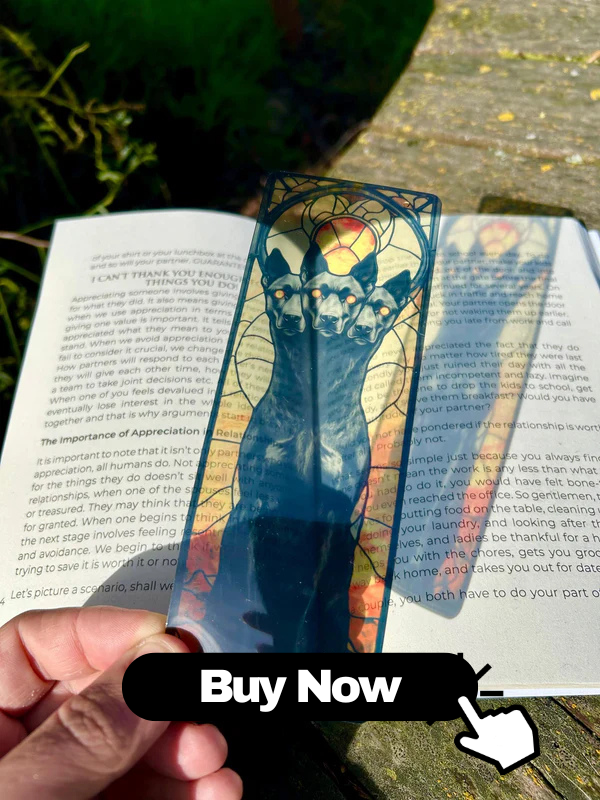
- No sharp corners or cutouts that could scratch skin or eyes.
- No small detachable parts that could pose choking hazards.
- Non-toxic inks, adhesives, and coatings.
7. Branding, Outreach, and Library Identity
For librarians, bookmarks are not only functional; they are also powerful tools for library marketing, community outreach, and brand recognition. High-quality bookmarks reinforce the library’s role in the community and encourage ongoing engagement.
7.1 Core Branding Elements on Quality Library Bookmarks
Librarians look for bookmarks that consistently display:
- Library logo and name in a prominent position.
-
Tagline or mission statement that reflects library values, such as:
- “Your gateway to information.”
- “Read, learn, connect.”
- Consistent color palette that matches other library materials (websites, brochures, signage).
7.2 Promoting Library Services and Programs
A quality bookmark often serves as a mini-brochure for key library services. Librarians especially value bookmarks that:
- List online resources, including:
- E-book and audiobook platforms.
- Research databases and digital archives.
- Online learning platforms and language tools.
- Highlight regular programs such as:
- Storytimes and early literacy events.
- Book clubs and author talks.
- Homework help and tutoring sessions.
- Feature seasonal campaigns:
- Summer reading programs.
- National Library Week.
- Banned Books Week or literacy awareness campaigns.
7.3 QR Codes and Digital Connections
Modern library bookmarks often incorporate QR codes to bridge the gap between physical books and digital resources. Librarians look for:
- QR codes that link directly to:
- The online catalog.
- Library apps or mobile portals.
- Event calendars and registration pages.
- Reading lists and curated book recommendations.
- Clear instructions near the QR code, such as:
- “Scan to explore e-books and audiobooks.”
- “Scan for today’s events and programs.”
- Proper sizing and contrast so the code scans reliably.
8. Age- and Audience-Specific Bookmark Considerations
Librarians serve varied audiences—children, teens, adults, seniors, students, and researchers—so they often evaluate bookmarks based on target audience needs.
8.1 Bookmarks for Children
In children’s sections, librarians look for bookmarks that are:
- Colorful and engaging with friendly characters, animals, or playful themes.
- Durable and laminated to withstand rough handling.
-
Educational, possibly including:
- Alphabet letters or simple sight words.
- Tips for caring for library books.
- Simple reading challenges or “I read today!” checklists.
- Appropriately sized for small hands and picture books.
8.2 Bookmarks for Teens and Young Adults
For teen and young adult readers, librarians focus on:
- Modern, relatable designs that reflect current aesthetics, fandoms, or genres.
- Motivational or humorous quotes to keep reading fun and engaging.
-
Information on teen programs, such as:
- Manga and graphic novel clubs.
- Gaming events.
- Creative writing workshops.
- Social media handles that encourage connection with the library online.
8.3 Bookmarks for Adults and Seniors
Librarians tailor bookmarks for adult and senior audiences by emphasizing:
- Readable fonts and larger text, especially for older adults.
-
Calm, professional designs with clear information on services:
- Large print collections.
- Homebound delivery services.
- Technology help and digital literacy classes.
-
Recommended reading lists, such as:
- Genre-specific suggestions (mysteries, historical fiction, memoirs).
- Award winners and book club favorites.
8.4 Academic and Research-Focused Bookmarks
In academic and special libraries, bookmarks are often more information-dense. Librarians favor bookmarks that include:
- Citation format quick references (APA, MLA, Chicago).
- Subject-specific database lists and login information.
- Research support contact info (reference desk, subject librarians).
- Links to guides, tutorials, and academic integrity policies.
9. Sustainability and Eco-Friendly Bookmark Choices
Many libraries prioritize sustainability and eco-friendly practices. Bookmarks are no exception. Librarians increasingly consider the environmental impact of the materials they distribute.
9.1 Eco-Friendly Materials and Printing
Librarians often prefer bookmarks that are:
- Printed on recycled or responsibly sourced paper (e.g., FSC-certified).
- Produced with vegetable-based or low-VOC inks.
- Recyclable or compostable at end of life.
9.2 Messaging That Supports Sustainability
Some quality bookmarks also reinforce sustainability messages, such as:
- “Please recycle this bookmark when you’re done.”
- Quick tips for sustainable reading habits (e.g., using the library, sharing books, reading digital copies).
- Information about the library’s green initiatives and environmental programs.
9.3 Balancing Durability and Eco-Responsibility
Librarians must balance durability with environmental impact:
- Thicker or laminated bookmarks last longer but may be harder to recycle.
- Uncoated paper is more easily recyclable but may wear out faster.
Choosing high-quality, eco-conscious materials helps ensure that bookmarks are both long-lasting and environmentally responsible.
10. Digital Bookmarks and Hybrid Reading Environments
As reading increasingly occurs in digital environments, librarians also think about the relationship between physical bookmarks and digital bookmarking tools.
10.1 Physical Bookmarks as Portals to Digital Content
Quality physical bookmarks can complement digital reading by:
- Providing QR codes or short URLs that:
- Link to digital catalogs and e-book platforms.
- Connect readers to online reading logs and challenges.
- Highlighting:
- Library apps for managing holds and due dates.
- Online reserves, streaming video, and audiobooks.
10.2 Teaching Digital Bookmarking Skills
Some librarians use physical bookmarks to teach digital literacy, for example:
- Printing short instructions for:
- How to use browser bookmarks.
- How to save articles in citation managers (Zotero, Mendeley, etc.).
- How to highlight and bookmark within e-reader apps.
- Including links to:
- Tutorials on digital note-taking and reading strategies.
- Guides for using learning management systems and online course platforms.
11. Best Practices for Creating Library-Quality Bookmarks
For designers, publishers, and libraries that want to produce high-quality, librarian-approved bookmarks, the following best practices are especially valuable.
11.1 Planning the Content
-
Define the main purpose:
- Is it to promote the library in general?
- Support a specific reading program?
- Provide research tips or citation help?
-
Limit the amount of text:
- Prioritize essential information (contact details, URLs, core messages).
- Use bullet points and short phrases rather than long paragraphs.
-
Use clear calls to action:
- “Visit our website to explore e-books.”
- “Join our summer reading program.”
- “Ask a librarian for research help.”
11.2 Designing for Readability and Function
-
Choose a legible typeface:
- Sans-serif fonts (e.g., Arial, Helvetica) or simple serif fonts (e.g., Georgia) are often best.
- Maintain sufficient font size (usually no smaller than 8–9 pt for adults, larger for children).
-
Maintain strong contrast:
- Avoid placing text over busy images.
- Test print samples to ensure readability in real-world lighting.
-
Keep layouts clean:
- Use white space to separate content areas.
- Align text and elements consistently.
11.3 Selecting the Right Materials
- Use sturdy cardstock that will not bend easily in use.
- Consider lamination for heavy-use environments, especially youth services.
- Opt for eco-friendly materials when possible to align with library sustainability goals.
11.4 Testing with Librarians and Patrons
-
Get librarian feedback on:
- Material choices and thickness.
- Information relevance and clarity.
- Suitability for different sections (children’s, adult, academic).
-
Observe real-world use:
- Do bookmarks fall out easily?
- Do patrons understand the information and QR codes?
- Are any design elements causing damage to library books?
12. Common Bookmark Mistakes Librarians Try to Avoid
When librarians evaluate bookmarks, they are often wary of recurring problems that can negatively affect users or collections.
12.1 Design and Content Issues
- Too much text that makes bookmarks cluttered and hard to read.
- Tiny fonts that are inaccessible to many readers. li>Poor contrast between text and background, making information difficult to see.
- Outdated or incorrect information (old URLs, changes in hours or policies).
12.2 Material and Construction Problems
- Bookmarks that are too thick or rigid, stressing bindings and spines.
- Sharp or pointed corners that can dent or tear pages.
- Decorative elements that shed (glitter, sequins, fuzzy fibers).
- Sticky or adhesive parts that can discolor or damage paper.
12.3 Misalignment with Library Goals
- Bookmarks featuring commercial advertising that does not align with library values.
- Content that is not inclusive or accessible to the full community.
- Bookmarks that promote services no longer offered, confusing patrons.
13. Conclusion: What Librarians Really Want in a Bookmark
For librarians, a quality bookmark is a small but powerful tool that brings together book care, reader support, and library outreach. The best bookmarks are:
- Durable and non-damaging – made from safe, sturdy, and thin materials that protect books.
- Clear and readable – designed with legible fonts, strong contrast, and logical information hierarchy.
- Functional and user-centered – properly sized, easy to handle, and practical in daily use.
- Aligned with library identity – reinforcing branding, promoting services, and supporting literacy.
- Accessible and inclusive – suitable for readers of different ages and abilities.
- Sustainable and responsible – created with eco-friendly materials and practices where possible.
By thoughtfully considering materials, design, functionality, preservation, and audience needs, creators can produce bookmarks that librarians will be eager to distribute and patrons will be delighted to use. In a world of both physical books and digital reading platforms, the humble bookmark remains an essential companion—one that, when designed well, supports not only the reader, but the entire library ecosystem.