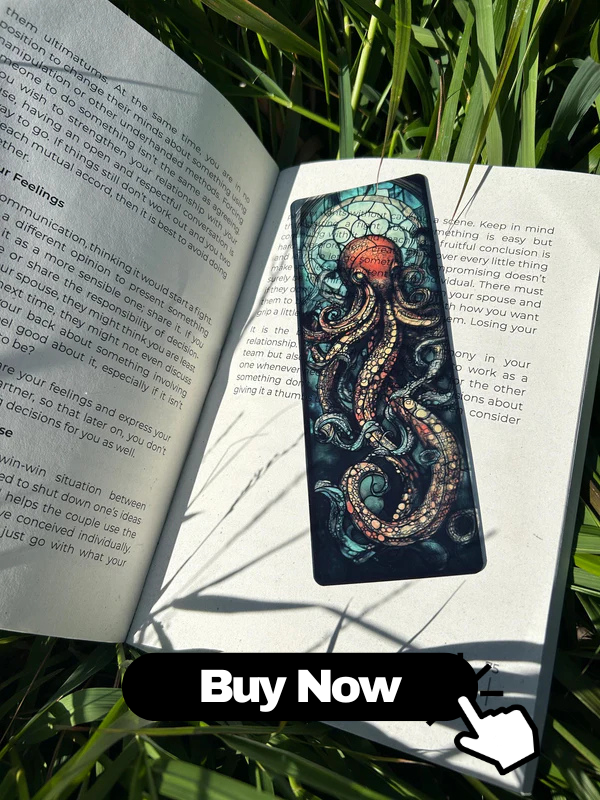
Bookmarks for kids that do not damage books are an excellent way to encourage reading while keeping beloved stories in good condition. Many parents and teachers worry that bending pages, using sticky notes, or clipping bulky accessories can rip, crease, or stain books. In this detailed guide, you’ll learn about child‑friendly, non‑damaging bookmarks, how to choose the best ones for young readers, and creative ideas for DIY options that protect pages. Whether you are a parent, librarian, or educator, this article will help you find safe, fun, and durable bookmarks for children that won’t harm their books.
Why Non‑Damaging Bookmarks for Kids Matter
Helping children develop a love of reading often starts with small habits, such as learning how to take care of books. One of the simplest habits is using non‑damaging bookmarks instead of folding corners or stuffing objects between pages.
Choosing the right bookmark for children matters because:
- Preserves the book’s condition: Gentle bookmarks prevent torn pages, broken spines, and deep creases.
- Teaches respect for books: When kids use proper bookmarks, they learn that books are valuable and worth protecting.
- Makes reading more enjoyable: Fun, colorful, kid‑friendly bookmarks can motivate children to return to their book.
- Supports school and library rules: Many schools and libraries discourage dog‑eared pages or clips that mark or dent books.
- Encourages independent reading: A special bookmark gives kids ownership of their reading experience.
Parents and educators who pay attention to these details often report that kids show more pride in their personal and classroom libraries. The right bookmark is not just an accessory; it’s a tool for building healthy reading habits.
What Makes a Bookmark Safe for Books?
To choose the best bookmarks for kids that do not damage books, it helps to know what “safe” really means. A bookmark that is safe for books has design features that avoid stress on the pages and spine.
Look for bookmarks that:
- Lie flat between pages without creating thick bulges.
- Have smooth edges that will not scratch or tear the paper.
- Contain no sticky residues that could stain, warp, or fuse pages together.
- Apply minimal pressure on the spine and binding.
- Are sized appropriately for the book’s height (not extremely small or overly long).
In addition, safe bookmarks for children must also be:
- Non‑toxic and child‑safe (especially for younger readers who may put items in their mouths).
- Durable enough to survive backpacks, classrooms, and daily handling.
- Easy to insert and remove without complicated clips or mechanisms.
Combining book safety with child safety ensures that bookmarks support reading without becoming a risk or nuisance.
Best Types of Kid‑Friendly Non‑Damaging Bookmarks
There are many kinds of bookmarks designed specifically for children and for preserving books. Below are kid‑approved favorites that are gentle on pages, fun to use, and great for building reading routines.
1. Flat Paper and Cardstock Bookmarks
Flat paper bookmarks are the classic choice. They are typically thin, light, and easy for kids to understand and use.
-
Advantages:
- Minimal bulk between pages.
- Very unlikely to damage the spine.
- Often inexpensive and widely available.
- Easy to decorate, color, or personalize.
- Best for: Early readers, school reading programs, and classroom rewards.
2. Laminated Bookmarks
Laminated bookmarks are simply paper or cardstock bookmarks sealed in a thin plastic film for better durability.
-
Advantages:
- Water‑resistant and wipe‑clean – ideal for kids who read at lunch or near snacks.
- Edges are smooth and less likely to fray.
- Long‑lasting, even with heavy use.
- Considerations: Choose bookmarks with thin lamination to keep them flexible and reduce page bulging.
3. Magnetic Bookmarks (Soft Grip)
Magnetic bookmarks for kids can be a safe option when designed correctly. They fold over the top of a page and use small magnets to hold in place.
-
Advantages:
- Stay in place even when the book is tossed into a backpack.
- Easy for kids to find their last page.
- Available in many fun shapes, animals, and characters.
-
What to look for:
- Thin magnets that don’t press too hard on the paper.
- Soft, smooth finishing materials.
- Rounded corners to avoid poking or tearing pages.
4. Ribbon Bookmarks with a Flat End
Ribbon bookmarks are lightweight and soft, making them naturally gentle on books.
-
Best designs for kids’ books:
- Thin ribbon that lies flat between pages.
- A small, flat charm or bead at one end (avoid heavy metal charms).
- Securely knotted or sewn ends to prevent fraying.
- Advantages: Adds a special, “gift‑like” feel to a favorite chapter book without stressing the binding.
5. Corner Sleeves (Non‑Adhesive)
Fabric or paper corner sleeves slide over the corner of the page, marking the reader’s place without folding or gluing anything.
-
Advantages:
- Protects page corners from bending.
- Fun for kids who like origami‑style accessories.
- Often very flat and unobtrusive.
- Tip: Ensure the corner sleeves are slightly loose so they glide on and off rather than gripping too tightly.
6. Silicone or Soft Plastic Bookmarks
Flexible silicone bookmarks are another child‑friendly, non‑damaging option when they are thin and smooth.
-
Advantages:
- Very durable and almost impossible to tear.
- Water‑resistant and easy to clean.
- Can be molded into playful shapes that appeal to kids.
- Important: Choose bookmarks that are flat and flexible, not thick or rigid, to avoid stressing the book’s spine.
Materials to Look For in Kids’ Bookmarks
When selecting non‑damaging bookmarks for children’s books, the materials used are just as important as the design. The right materials protect both the book and the reader.
Recommended Materials
-
Cardstock or heavy paper
- Sturdy but flexible.
- Easy to print and decorate with reading themes.
-
Laminated paper
- Ideal for school libraries and classroom collections.
-
Thin, non‑toxic plastic
- Lightweight and kid‑safe.
-
Soft silicone
- Gentle, bendable, and resilient.
-
Soft fabric or felt
- Works well for DIY projects, especially flat fabric bookmarks.
-
Ribbons
- Thin, satin or grosgrain ribbons are gentle and elegant.
Child‑Safe Features
Because these bookmarks are for kids, safety includes more than just protecting the book.
- Non‑toxic inks and dyes for printed designs.
- Rounded corners instead of sharp points.
- No small detachable parts for very young readers (to avoid choking hazards).
- Sturdy construction so pieces do not break off inside the book.
Combining safe materials with well‑thought‑out design leads to bookmarks that do not damage books and are safe for kids to use daily.
Bookmark Styles to Avoid Because They Damage Books
Not every cute or trendy bookmark is a good choice for children’s books. Some popular styles can create long‑term damage to pages and bindings.
Try to avoid:
-
Bulky metal clips and clamps
- Can dent, crease, or tear pages.
- Put pressure on the spine when the book is closed.
-
Bookmarks with thick, heavy charms
- Cause the book to rest unevenly.
- Can rip endpapers if yanked or pulled.
-
Adhesive bookmarks or sticky notes
- Glue residue can discolor pages over time.
- May rip paper when removed.
-
Very thick wooden bookmarks
- Look beautiful but can severely strain the spine, especially in paperbacks.
-
Homemade items not meant for books
- Hair clips, binder clips, or rubber bands can all warp or damage pages.
Teach children that if an object is thick, sticky, sharp, or very heavy, it probably is not a safe bookmark for their books.
Age‑Appropriate Bookmarks for Different Age Groups
Different ages benefit from different bookmark designs. Choosing age‑appropriate, non‑damaging bookmarks helps kids use them correctly and safely.
Bookmarks for Toddlers and Preschoolers (Ages 3–5)
-
Recommended features:
- Large, flat bookmarks that are easy to grab.
- Bright colors and simple images (animals, shapes, favorite characters).
- Rounded edges and non‑toxic materials.
- Best types: Thick paper, laminated bookmarks, or soft silicone designs.
Bookmarks for Early Readers (Ages 6–8)
-
Recommended features:
- Fun themes related to school subjects or hobbies.
- Space to write their name.
- Durable, but still flexible.
- Best types: Laminated bookmarks, thin magnetic bookmarks, simple ribbon bookmarks.
Bookmarks for Tweens (Ages 9–12)
-
Recommended features:
- Stylish and expressive designs.
- Inspirational reading quotes or series‑themed art.
- More variety in materials and shapes.
- Best types: Flat cardstock, magnetic bookmarks with soft closure, fabric or ribbon bookmarks with small, flat charms.
Bookmarks for Teens
-
Recommended features:
- More subtle, sleek designs.
- Thin, minimalistic bookmarks that still protect books.
- Best types: Thin metal bookmarks with rounded edges, high‑quality paper bookmarks, slim ribbon or leather‑style strips.
Matching bookmark style to age increases the chances that kids will actually use the bookmark correctly instead of bending pages or inserting damaging objects.
DIY Non‑Damaging Bookmark Ideas for Kids
Making bookmarks together is a fun way to promote reading and teach kids about caring for books. DIY bookmarks can be book‑safe, budget‑friendly, and highly personalized.
Simple Paper Bookmark Craft
- Cut rectangles from sturdy cardstock (about 5–6 inches long).
- Let kids decorate with:
- Colored pencils or crayons.
- Stickers (avoid very thick 3D stickers).
- Stamps or washi tape.
- Optional: Laminate the bookmarks or cover them with clear contact paper for durability.
- Round the corners with scissors to prevent poking or tearing pages.
Ribbon Bookmark with Bead Stopper
- Cut a piece of thin ribbon slightly longer than the height of the book.
- Tie a small, flat bead or button at one end.
- Seal the other end of the ribbon with clear nail polish or heat (with adult supervision) to prevent fraying.
- Lay the ribbon flat inside the book, with the bead resting outside the top or bottom edge.
Origami Corner Bookmark (Non‑Damaging)
- Use a square of thin, smooth paper.
- Fold it into a simple corner pocket shape (many tutorials are available online).
- Decorate with drawn faces, shapes, or patterns.
- Ensure the pocket is slightly loose so it slides on and off easily without gripping the paper too tightly.
Felt Bookmarks
- Cut a strip of thin felt into a rectangle.
- Decorate with flat felt shapes stitched or glued on.
- Keep the overall thickness low to avoid bulging the book.
All of these projects let children design their own book‑friendly bookmarks while understanding why thin, smooth, and flat designs are best for protecting pages.
Teaching Kids to Use Bookmarks Properly
Even the best bookmark for kids can still cause problems if it is not used correctly. Teaching a few simple rules will help prevent accidental book damage.
Basic Rules to Share with Kids
- Always place the bookmark gently between the pages—never force it in.
- Close the book carefully so the pages line up around the bookmark.
- Do not fold the page corners or press down hard on the book when inserting the bookmark.
- Use only one bookmark at a time in thin paperback books to reduce strain on the spine.
- Remove bulky items (like pencils or toys) from the book; they are not bookmarks.
Fun Ways to Reinforce Good Habits
- Create a “Book Care Pledge” that includes using non‑damaging bookmarks.
- Let kids earn special bookmarks as reading rewards.
- Model proper use when reading aloud at home or in class.
When children know why bookmarks matter—“They keep our books beautiful so we can read them again and again”—they are more likely to treat both books and bookmarks with care.
Organizing and Storing Kids’ Bookmarks
To keep bookmarks in good condition and make them easy to find, set up simple storage systems.
- Bookmark jar or cup: A decorated jar on a desk where kids can grab a bookmark before reading.
- Bookmark box: A small box or pencil case dedicated to holding bookmarks.
- Wall pocket organizer: Fabric or plastic pockets labeled with each child’s name.
- Binder pocket: A clear plastic pocket inside a reading binder or folder.
Encourage kids to return bookmarks to the same spot after finishing a book. This simple system prevents losing bookmarks and resorting to folding page corners.
Where to Buy Safe Bookmarks for Kids
You can find high‑quality, non‑damaging bookmarks for children from a variety of sources. When shopping, use search terms like “bookmarks for kids that don’t damage books”, “child‑friendly flat bookmarks”, or “magnetic bookmarks for children’s books” to narrow down results.
-
Online marketplaces:
- Search for sets of laminated children’s bookmarks or educational bookmarks for kids.
- Check reviews for comments about thickness and book safety.
-
Bookstores:
- Many local bookstores carry themed bookmarks for popular children’s series.
- You can physically test how thick or flexible a bookmark is.
-
Teacher supply stores:
- Offer bulk packs of reading incentive bookmarks designed with classrooms in mind.
-
Craft fairs and handmade marketplaces:
- Look for artisans who emphasize thin, book‑safe designs for kids.
Always prioritize product descriptions that mention “thin,” “flat,” “book‑safe,” or “gentle on pages”, especially when browsing for children’s bookmarks.
FAQ: Kids’ Bookmarks That Protect Books
Do magnetic bookmarks damage books?
Most thin magnetic bookmarks are safe for books, especially when made for children. Avoid very thick magnets or designs that clamp tightly, as they can crease pages.
Are paper clips safe to use as bookmarks?
No. Paper clips can scratch, dent, or tear pages, especially in children’s books with thinner paper. It is better to use flat, dedicated bookmarks.
Is it okay for kids to fold the page corner instead of using a bookmark?
While it might seem harmless, repeated folding weakens and eventually tears the paper. Encouraging children to use non‑damaging bookmarks is a better long‑term habit.
What is the safest bookmark material for very young kids?
Sturdy laminated cardstock or soft silicone are usually safest, as they are durable, easy to clean, and less likely to tear or crumple.
How many bookmarks can kids safely use in one book?
For thin paperbacks, try to limit to one or two flat bookmarks. In thicker hardcovers, kids can sometimes use several, as long as each one is thin and flat.
Final Thoughts
Choosing bookmarks for kids that do not damage books is a small but meaningful way to support reading. By selecting thin, flat, non‑damaging bookmarks and teaching children how to use them properly, you protect your family’s and classroom’s books, encourage responsibility, and make reading more fun. Whether you buy themed bookmarks or create DIY designs together, the key is always the same: keep bookmarks gentle on pages, safe for kids, and enjoyable to use. When kids love their bookmarks, they are more likely to love their books—and that is where lifelong reading begins.