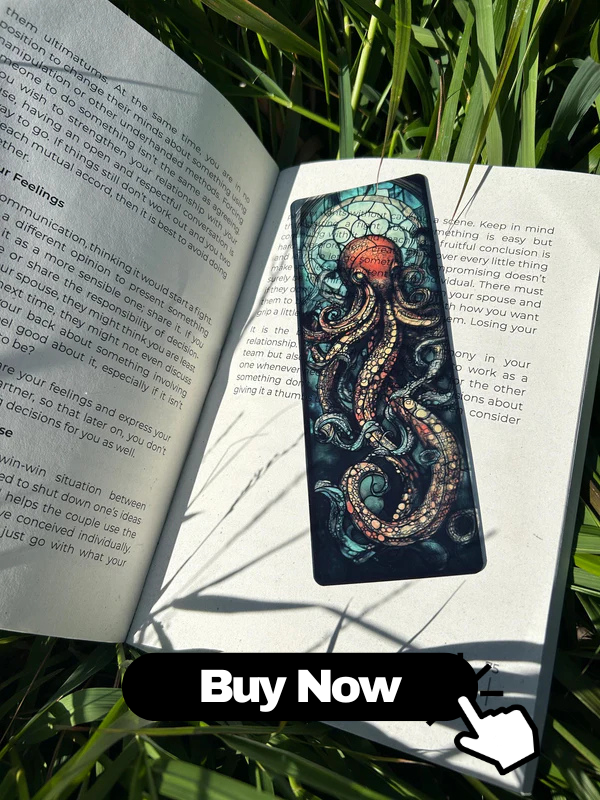
Choosing the right bookmarks for kids that work well with library books can make reading more fun, keep borrowed books in great condition, and help young readers build good habits. In this guide, you’ll find detailed information about different types of kids’ bookmarks, how to use them safely with library books, fun DIY ideas, and tips for teaching children to respect shared books while still expressing their creativity.
Why Bookmarks for Kids Matter, Especially With Library Books
For children, a bookmark is more than a strip of paper—it’s a small tool that can turn reading into a routine, protect fragile pages, and make library visits more exciting. Using kid-friendly bookmarks with library books teaches responsibility, helps keep the books in circulation longer, and can even encourage kids to read more often.
Some key reasons bookmarks matter for kids and library books:
- Protects pages from damage: A proper bookmark prevents dog‑eared corners, torn pages, and broken spines caused by leaving books open face‑down.
- Supports reading independence: Kids can easily find their place again, which increases confidence and makes it easier to read in short sessions.
- Teaches library etiquette: When children learn to use non‑damaging bookmarks, they understand that library books are shared resources.
- Adds fun and motivation: Colorful, themed bookmarks help transform reading into a more playful experience, especially for reluctant readers.
Key Features of Good Bookmarks for Library Books
Not every bookmark is safe for shared books. When you’re choosing bookmarks for kids that work well with library books, look for features that protect the book while still appealing to children.
1. Safe Materials
- Lightweight and flat: Avoid anything bulky that forces the book to stretch. Thin card stock, laminated paper, and flexible plastic are ideal.
- Non‑toxic and child‑safe: Especially for younger kids, choose bookmarks made with non‑toxic inks and coatings.
- No sharp edges: Rounded corners and smooth surfaces help prevent tears and scratches on pages.
2. Gentle on Book Spines and Pages
- No thick charms or heavy decorations that press into the pages when the book is closed.
- Avoid metal clips with tight springs that can leave dents or creases.
- Choose bookmarks that slide in and out easily without dragging or catching on the paper.
3. Easy for Kids to Use
- Visible tops or tabs so kids can quickly find their page.
- Simple designs that don’t require delicate handling or precise placement.
- Bookmarks that stay put even when the book is carried in a backpack.
4. Engaging Designs That Encourage Reading
- Bookmarks with favorite characters, animals, or themes (space, dinosaurs, princesses, sports).
- Inspiring reading quotes for kids that promote a growth mindset and love of stories.
- Interactive features like reading trackers or spaces to write the child’s name.
Best Types of Bookmarks for Kids Using Library Books
Some bookmark styles are especially well‑suited for library books used by children. Below are popular options, plus their pros and cons.
1. Classic Flat Paper or Cardstock Bookmarks
These are the most common and often the safest choice for library books.
-
Pros:
- Inexpensive and easy to replace if lost.
- Very gentle on pages and spines.
- Can be laminated for durability.
- Highly customizable for school or library programs.
-
Cons:
- Can bend or crease if not laminated.
- Kids may accidentally crumple or tear them.
Best use: Everyday reading, school libraries, public library visits, and reading programs.
2. Magnetic Bookmarks for Kids
Magnetic bookmarks fold over the top of the page and hold together with small magnets, which can be very appealing for young readers.
-
Pros:
- Stay in place even in backpacks and book bags.
- Compact and typically gentle on pages when made thin.
- Fun to use and collect, with many themed designs.
-
Cons:
- Some magnets can be too strong and risk leaving slight imprints if clamped too tightly.
- Small size can be easier to lose for younger children.
Tip: For library books, choose thin, lightweight magnetic bookmarks with gentle magnets and smooth surfaces.
3. Corner Bookmarks
Corner bookmarks slip over the top corner of a page, marking the spot without hanging over the top of the book too much.
-
Pros:
- Secure and unlikely to fall out.
- Often made from folded paper, felt, or thin plastic.
- Great for DIY projects and crafts with kids.
-
Cons:
- If too tight or thick, they can crease page corners.
- Some designs may slip off smooth pages.
Tip: For library‑safe corner bookmarks, ensure they are loose enough not to pinch and made of thin, flexible materials.
4. Ribbon and Tassel Bookmarks
Ribbons or thin cords attached to flat bookmarks can make them easier to find and more attractive to children.
-
Pros:
- Easy for little hands to grab.
- Visually appealing and customizable with beads (used carefully).
- Can double as reading reward bookmarks for reading programs.
-
Cons:
- Large or heavy charms can dent pages or pull on the binding.
- Long tassels can get caught in zippers or straps in backpacks.
Tip: Keep tassels short and light, and avoid thick, heavy beads when using these bookmarks with library books.
5. Elastic Band Bookmarks
Elastic bookmarks wrap around the entire book, holding the pages closed and marking the place.
-
Pros:
- Excellent for on‑the‑go reading; won’t fall out.
- Good for older children who carry multiple books.
-
Cons:
- If too tight, they can stress the spine of the book.
- Not ideal for very young readers who may overstretch them.
Tip: Use only soft, moderately loose elastic bands and avoid wrapping them too tightly around hardcover library books.

6. Reading Tracker & Progress Bookmarks
Some bookmarks double as reading logs, with space to write dates, chapters, or minutes read.
-
Pros:
- Motivates kids to read daily and track progress.
- Ideal for reading challenges and school assignments.
- Still flat and usually library‑safe.
-
Cons:
- Kids might press hard while writing, leaving indentations on pages underneath.
Tip: Ask kids to remove the bookmark from the book before writing on it to protect library pages.
Choosing Bookmarks by Age Group
Different ages have different needs. Here’s how to pick age‑appropriate bookmarks for kids that still respect library books.
Preschool (Ages 3–5)
- Priorities: Safety, simplicity, bright visuals.
-
Best bookmark types:
- Large, laminated paper bookmarks with rounded corners.
- Soft felt bookmarks without small parts.
- Avoid: Magnets (choking hazard), small charms, and anything with detachable pieces.
Early Elementary (Ages 6–8)
- Priorities: Fun themes, durability, easy handling.
-
Best bookmark types:
- Flat laminated bookmarks with characters or animals.
- Gentle magnetic bookmarks with clear pictures.
- Simple corner bookmarks made from thin card stock.
- Avoid: Heavy tassels, very tight clips, or thick elastic bands.
Upper Elementary (Ages 9–11)
- Priorities: Personalization, reading motivation, style.
-
Best bookmark types:
- Reading progress bookmarks with checklists or goal trackers.
- Magnetic sets for series books or chapter books.
- DIY or personalized bookmarks with the child’s name.
- Avoid: Anything so bulky it can damage thicker chapter books or hardcovers.
Middle School and Early Teens (Ages 12+)
- Priorities: Subtle designs, durability, multi‑book organization.
-
Best bookmark types:
- Elastic band bookmarks used gently.
- Magnetic bookmarks in sets for different classes or subjects.
- Minimalist flat bookmarks with quotes or simple art.
- Avoid: Overly heavy or rigid bookmarks that can crease pages of thick textbooks or large library books.
Bookmarks for Classrooms and Home Libraries
If you manage a classroom library, school library, or home reading nook, the right bookmark strategy can reduce wear and tear on books and keep kids engaged.
Classroom Bookmark Stations
- Create a “Take One, Return One” bookmark basket near the classroom library.
- Offer only library‑safe styles: thin laminated paper or gentle magnetic bookmarks.
- Include bookmarks with rules for caring for books printed on the back.
Library‑Sponsored Bookmarks
- Public and school libraries can offer free branded bookmarks for kids to take home.
- Print library card reminders, reading challenge information, or due‑date tips on each bookmark.
- Use bookmarks as rewards for reading programs, such as “Summer Reading Champion” or “Reading Star.”
Home Reading Corners
- Keep a small bookmark jar next to the family bookshelf.
- Encourage kids to pick a bookmark every time they start a new library book.
- Label some bookmarks as “Library Books Only” and store them with the library tote bag to build a habit of using them.
Fun and Safe DIY Bookmarks Kids Can Make
DIY bookmarks are a creative way to involve children in reading, but when using them in library books, safety and design matter. These DIY kids’ bookmarks balance fun with book protection.
1. Laminated Drawing Bookmarks
- Have kids draw on thin card stock strips (about 5–6 inches long).
- Write their name and a short reading goal (e.g., “Read 15 minutes a day”).
- Laminated the strips and trim with rounded corners.
- Library‑safe: Flat, smooth, and personalized.
- Bonus: Great project for teachers and librarians to do with a group.
2. Origami Corner Bookmarks
- Use thin, smooth paper (not too stiff) to fold simple corner bookmarks.
- Decorate with markers or stickers that are flat and non‑sticky at the edges.
- Ensure the fold is loose enough to slide over the page without squeezing it.
- Library‑safe tip: Test on a scrap piece of paper to ensure it doesn’t crease or dent.
3. Felt Strip Bookmarks
- Cut thin strips of soft felt, about 1–1.5 inches wide.
- Let kids decorate with embroidery thread, fabric markers, or stitched shapes (avoid glued‑on thick items).
- Round the corners to avoid catching on pages.
- Library‑safe: Flexible, lightweight, and gentle on pages.
4. Reading Goal Bookmark Charts
- Print or draw a vertical chart on card stock with small boxes for chapters read or minutes read.
- Laminate for reuse with a dry‑erase marker, or leave unlaminated for one‑time use.
- Use the chart as a bookmark inside library books.
- Library‑safe tip: Remove the bookmark from the book before kids mark off boxes.
Teaching Kids to Care for Library Books (Using Bookmarks as a Tool)
Bookmarks can be a practical way to teach children library book care and responsibility.
Bookmark Rules for Kids
- Always use a bookmark—never fold the corners of a library book page.
- Place bookmarks gently between the pages; never force them into a tight spot.
- Never use thick objects like pencils, crayons, toys, or hair ties as bookmarks.
- Keep bookmarks clean and dry so they don’t stain or wrinkle the pages.
Using Bookmarks to Build Reading Habits
- Ask kids to move their bookmark every time they finish a reading session—this creates a reading ritual.
- Use special “reward bookmarks” that kids earn after finishing a certain number of library books.
- Turn choosing a bookmark into part of the library visit routine.
Organizing a Kids’ Bookmark Collection
Many children love collecting bookmarks, and a bit of organization helps ensure those bookmarks actually get used in library books and home books rather than getting lost.
Simple Organization Ideas
- Bookmark box or tin: Store all bookmarks in a small container that sits near the reading area.
- Ring clip: Punch a small hole in non‑magnetic bookmarks and store them on a binder ring (not for library books if the hole weakens the bookmark too much).
- Wall display: Use a cork board or string line with clips to hang favorite bookmarks.
Labeling Bookmarks
- Use a pencil or fine marker to write the child’s name on the back.
- Create categories, like:
- “Library Book Favorites” – These are extra gentle and flat.
- “Home Only” – Slightly bulkier or more decorative bookmarks safe for owned books.
Buying Guide: Where and How to Choose Kids’ Bookmarks
When purchasing kids’ bookmarks that work well with library books, look beyond just the artwork. Consider quality, safety, and long‑term use.
What to Look for When Buying
- Material quality: Check that bookmarks are thin, smooth, and flexible.
- Age recommendations: Make sure they’re appropriate for your child’s age group.
- Finish: A light, matte lamination can make bookmarks more durable and wipe‑clean.
- Set size: Kids frequently lose bookmarks, so purchasing a multipack can be helpful.
- Design variety: Look for themes related to reading, adventure, science, animals, or fantasy to spark interest.
Where to Find Library‑Friendly Kids’ Bookmarks
- Bookstores: Many children’s sections stock themed bookmark sets designed for young readers.
-
Online marketplaces: Search for terms like:
- “library‑safe kids bookmarks”
- “thin magnetic bookmarks for children”
- “laminated reading bookmarks for kids”
- Libraries and schools: Some offer free or low‑cost bookmarks during reading events.
FAQs About Kids’ Bookmarks and Library Books
Can kids use any bookmark in library books?
Not all bookmarks are suitable. For library books, choose flat, lightweight, and non‑damaging bookmarks. Avoid thick, rigid, or sharp options and anything that presses heavily on the pages.
Are magnetic bookmarks safe for library books?
Yes, thin, gentle magnetic bookmarks are usually safe, especially if they don’t clamp too tightly. Avoid bulky magnets or metal edges that could dent pages.
Is it okay to use sticky notes as bookmarks in library books?
Most libraries prefer that you avoid sticky notes because adhesive can leave residue or tear pages when removed. Choose a traditional bookmark instead.
How many bookmarks should a child have?
Enough to cover the number of books they usually read at once, plus a few extras. A small collection of 5–10 kids’ bookmarks is plenty for most families.
What is the best bookmark for young kids?
For younger readers, large laminated paper bookmarks with rounded corners are ideal. They’re easy to hold, hard to damage, and safe for library books.
Final Tips for Choosing the Best Bookmarks for Kids and Library Books
- Prioritize flat, gentle, and lightweight
- Choose bookmarks that match your child’s age and reading level.
- Reserve a set of “library‑only” bookmarks that are guaranteed safe for shared books.
- Use bookmarks as tools to build reading routines, track progress, and encourage responsibility.
- Invite kids to help select or create bookmarks—they are more likely to use and care for library books when they feel involved.
By picking the right bookmarks for kids that work well with library books, you protect shared resources, nurture a love of reading, and give children a simple, enjoyable way to take ownership of their reading journey.