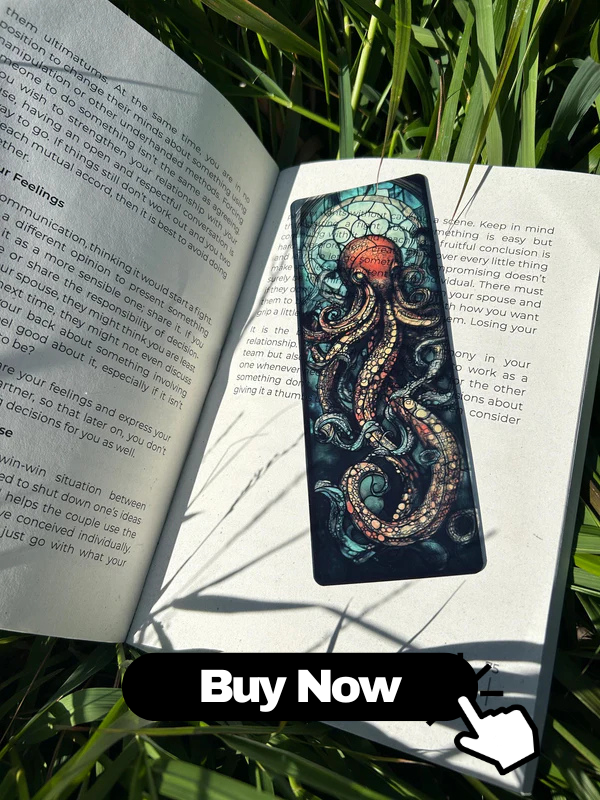
Bookmarks for kids who read picture books are more than just paper slips that mark a page. They are fun, colorful reading tools that help children develop a love of books, care for their favorite stories, and build early literacy habits. The right bookmark can turn story time into a special ritual, encourage kids to finish books, and even support early reading skills like tracking text and remembering story elements. In this guide, you’ll discover everything you need to know about choosing, using, and even making the best bookmarks for young picture book readers.
Why Bookmarks Matter for Kids Who Read Picture Books
For young children, picture books are often their first real connection to reading. Bookmarks designed specifically for kids who read picture books can play a surprisingly powerful role in that experience.
Here’s why bookmarks matter so much in early reading:
- They protect books: Kids learn not to fold corners or leave books open face-down, which helps keep picture books looking new and beautiful.
- They create a reading ritual: Using a bookmark can become part of a calming, predictable reading routine that kids look forward to.
- They give kids ownership: Choosing a favorite bookmark helps children feel like the book is “theirs” and encourages responsibility and care.
- They support longer stories: As picture books get longer and more complex, bookmarks help kids remember where they left off and stay engaged.
- They motivate reading: A fun, colorful, or character-themed bookmark can be a simple but powerful reading motivator for kids.
When thoughtfully chosen, bookmarks for kids are not just page markers; they become reading companions that spark imagination and curiosity every time a child opens a book.
Key Features of a Good Bookmark for Picture Book Readers
Not every bookmark is ideal for young children or for thick, large-format picture books. When you’re choosing bookmarks for kids, pay attention to these essential features:
1. Size and Shape
-
Fit for larger pages: Picture books are often taller and wider than chapter books, so bookmarks should be:
- Long enough to be visible at the top
- Wide enough not to slide down between pages
- Rounded corners: Rounded or softly trimmed corners are safer and less likely to bend or tear pages.
- Flat and slim: Bulky bookmarks can stress the book’s spine and cause pages to warp.
2. Materials and Durability
- Sturdy cardstock or laminated paper: These are durable enough for frequent use but still gentle on pages.
- Flexible plastic: Thin plastic bookmarks are easy to wipe clean and handle spills better than paper.
- Magnetic bookmarks: These clip over a page, so they don’t fall out easily – a big plus for kids.
- Avoid sharp metal edges, heavy charms, or anything that could rip pages or poke small hands.
3. Safety and Child-Friendly Design
- Non-toxic materials: Especially for toddlers who may mouth objects, materials should be non-toxic and preferably labeled child-safe.
- No choking hazards: Skip tiny beads, loose charms, or detachable pieces for kids under 3–4 years old.
- Soft finishes: Smooth surfaces and rounded shapes keep both kids and books safe.
4. Visual Appeal and Engagement
- Bright colors and playful designs are more likely to draw children back to the book.
- Favorite characters: Bookmarks featuring animals, superheroes, princesses, or characters from beloved picture books make reading feel familiar and exciting.
- Interactive elements: Flip-up tabs, small writing spaces, or illustrated prompts can deepen kids’ connection with what they read.
5. Functionality for Picture Books
- Easy to place and remove: Young children should be able to use the bookmark independently without help.
-
Page-friendly: The bookmark should not:
- Leave marks or dents
- Stick to pages or ink
- Cause the book to stay partially open when shelved
-
Room for parent notes: Some bookmarks have space for:
- Writing the child’s name
- Adding reading goals
- Noting the date started or finished
Types of Bookmarks for Kids Who Love Picture Books
There are many different types of bookmarks, and each one offers unique benefits for young readers. Understanding the options will help you choose the best bookmark style for your child’s reading habits and age.
1. Traditional Paper or Cardstock Bookmarks
These are classic, simple, and highly customizable.
-
Pros:
- Lightweight and gentle on pages
- Easy to decorate or personalize
- Affordable in bulk for classrooms or libraries
-
Best for:
- Home libraries
- School reading programs
- Craft projects where kids design their own bookmarks
2. Laminated Bookmarks for Kids
Laminated bookmarks are simply paper bookmarks sealed in plastic for extra durability.
-
Pros:
- Resistant to tears, spills, and sticky fingers
- Easy to wipe clean
- Great for intensive, daily use
-
Consider:
- Ensure the lamination edges are smooth and not sharp.
3. Magnetic Bookmarks for Children
Magnetic bookmarks fold over the top of the page and stay in place with small magnets.
-
Benefits:
- Stay securely on the page, even if the book is dropped or carried around
- Compact and less likely to fall out of the book bag
- Fun shapes and designs that clip onto pages
-
Ideal for:
- Kids who like to bring books to school or on trips
- Children who often lose or misplace regular bookmarks
4. Corner Bookmarks for Picture Books
Corner bookmarks slide over the corner of the page instead of sticking out the top.
-
Advantages:
- Stay in place securely
- Protect page corners (a good alternative to dog-earing pages)
- Fun to make as origami or craft projects
-
Watch out for:
- Ensure they are not too tight, or they might crumple delicate picture book pages.
5. 3D, Ribbon, and Charm Bookmarks
Some bookmarks include ribbons, tassels, or small charms at the top.
-
Pros:
- Easy to spot on a shelf
- Feel special and “fancy,” which many kids love
- Can be themed to holidays, seasons, or favorite characters
-
Cons:
- Too bulky for very thin or delicate picture books
- Small charms can be a choking hazard for toddlers
6. Educational and Interactive Bookmarks
Educational bookmarks do more than hold a place; they actively support reading skills.
-
May include:
- Alphabet letters or sight words
- Simple reading prompts (e.g., “Who is your favorite character on this page?”)
- Spaces to draw a favorite scene from the book
- Numbers to help children track pages
-
Perfect for:
- Parents and teachers who want to link bookmarks to literacy activities
- Kids transitioning from picture books to early readers
7. Personalized Name Bookmarks
Bookmarks customized with a child’s name or photo can be highly motivating.
-
Benefits:
- Reduces conflicts in shared spaces (each child has their own bookmark)
- Teaches kids to take care of their reading tools
- Helps kids recognize and spell their own names
Age-Appropriate Bookmarks for Different Picture Book Stages
Children’s needs change as they move from board books to more complex picture books and early readers. Age-appropriate bookmarks keep reading fun and safe at every stage.
1. Toddlers (Ages 1–3): Board Book Users
-
Recommended features:
- Soft, rounded edges
- Thick, sturdy materials (foam, thick laminated card, or felt)
- Bright, simple images with high contrast
- Large size that is hard to swallow or lose
-
Usage tips:
- Use bookmarks more as a reading prop than as a strict page holder.
- Let toddlers play with the bookmark while an adult turns pages.
2. Preschoolers (Ages 3–5): Picture Book Explorers
-
Ideal bookmark types:
- Colorful laminated bookmarks with large illustrations
- Magnetic bookmarks with animals, shapes, or familiar characters
- Simple corner bookmarks that are easy to slide on and off
-
Design ideas:
- Include basic shapes, colors, or letters for passive learning.
- Feature characters from the child’s favorite picture books to build connections.
3. Early Elementary (Ages 5–8): Beginning Readers
-
Best features:
- Room on the bookmark to write:
- Name
- Current book title
- Start/finish dates
- Simple reading prompts:
- “What happened first?”
- “How do you think the story will end?”
- Number lines or rulers that also function as bookmarks
- Room on the bookmark to write:
-
Great choices:
- Educational bookmarks with sight words or phonics patterns
- Themed bookmarks that match classroom units or favorite series
4. Older Elementary (Ages 8–10+): Transitioning from Picture Books
-
Recommended styles:
- Slim, stylish bookmarks that feel more “grown-up”
- Magnetic bookmarks for on-the-go reading
- Quote bookmarks with inspirational messages about reading
-
Focus:
- Emphasize independent reading and book care habits.
- Keep some picture-book-themed bookmarks to honor their early reading journey.
How Bookmarks Help Build Healthy Reading Habits
Thoughtful bookmark use can directly support strong reading routines and habits for kids who read picture books.

1. Supporting Consistent Reading Routines
- Bookmarks signal where to “pick up the story” tomorrow, making nightly reading easier.
- Using a bookmark as part of bedtime reading creates a calming and predictable ritual.
- Children learn that choosing a book and marking the page is part of a complete reading session.
2. Encouraging Book Respect and Care
- Teaching kids to use bookmarks instead of dog-earing pages instills respect for books.
- Children learn that:
- Books are valuable
- Pages shouldn’t be torn or folded
- Stories deserve to be preserved
- This helps keep home libraries and school collections in better condition.
3. Helping Kids Finish Longer Picture Books
- As children’s picture books become longer and more complex, finishing a book in one sitting isn’t always possible.
- Bookmarks:
- Show exactly where the child stopped
- Reduce frustration about losing a place
- Motivate kids to come back and finish the story
4. Building Independence and Responsibility
- When kids manage their own bookmarks, they:
- Take responsibility for their reading tools
- Practice organizational skills
- Feel proud of “owning” part of the reading process
Bookmarks as Tools to Support Early Literacy Skills
Beyond marking a spot, bookmarks for kids who read picture books can be designed to actively support learning and reading development.
1. Tracking Text and Illustrations
- Some bookmarks have:
- Transparent windows that help kids follow a line of text
- Simple arrows that can point to words or pictures on a page
- This helps early readers:
- Match spoken words to printed words
- Stay focused on the correct line or image
2. Reinforcing Vocabulary and Concepts
- Educational bookmarks can include:
- Theme-related vocabulary (animals, seasons, emotions)
- Simple definitions or picture cues
- Basic sight words (“the,” “and,” “said”)
- Children encounter these words repeatedly each time they use the bookmark.
3. Supporting Comprehension and Discussion
Bookmarks with reading questions or prompts help turn picture book reading into an interactive conversation.
- Sample prompts on a bookmark:
- “What was your favorite part so far?”
- “Who is in the story?”
- “What do you think will happen next?”
- “How does this picture make you feel?”
- Parents and teachers can point to these prompts to spark discussion during or after reading.
4. Encouraging Story Retelling
- Some bookmarks have:
- Beginning–Middle–End icons
- Spaces to draw small pictures about the story
- Numbered steps for retelling events
- This supports:
- Narrative skills
- Memory
- Understanding of story structure
Creative Bookmark Activities for Kids
Bookmarks can be fun craft projects, reading rewards, and family keepsakes. Making bookmarks with children also reinforces the idea that reading is enjoyable and creative.
1. DIY Picture Book Character Bookmarks
- Ask your child to choose a favorite picture book character.
- Cut a strip of cardstock the size of a classic bookmark.
- Have your child:
- Draw the character
- Add the book’s title
- Write their name on the back
- Laminating the bookmark will make it last longer.
2. Origami Corner Bookmarks
- Use colorful paper to fold simple corner bookmarks that sit on the page’s corner.
- Decorate them as:
- Animals (cats, dogs, foxes, owls)
- Monsters with googly eyes
- Character hats or crowns
- These corner bookmarks are:
- Perfect for older preschoolers and early elementary kids
- Great for classroom craft projects tied to a favorite picture book
3. Reading Reward Bookmarks
Use bookmarks as rewards in a kids’ reading program or at home:
- Create a chart where kids earn bookmark “badges” for:
- Finishing a picture book
- Reading with a family member
- Trying a new type of book (poetry, nonfiction, wordless picture book)
- Each reward bookmark can:
- Feature a special design
- Include the child’s name and date earned
- Highlight a reading goal achieved
4. Seasonal and Holiday Bookmark Projects
- Make themed bookmarks for:
- Back-to-school
- Halloween, winter holidays, or spring reading challenges
- Summer reading programs
- Connect bookmarks to seasonal picture books to create a complete, immersive reading experience.
Caring for Bookmarks and Picture Books
Teaching kids how to care for their bookmarks and picture books will help them develop lifelong respect for reading materials.
1. Basic Bookmark Care Tips for Kids
- Keep bookmarks:
- In a small cup, jar, or box near the bookshelf
- In a pencil case or reading basket for school
- Remind children:
- Not to chew, bend, or tear their bookmarks
- To place the bookmark gently between pages, not jam it in
2. Protecting Picture Books While Using Bookmarks
- Always insert the bookmark:
- Fully inside the book
- With minimal overhang to avoid bending
- Avoid:
- Very thick or heavy bookmarks in thin picture books
- Paper clips or binder clips that can dent or rip pages
- Store books upright on a shelf so the bookmark doesn’t distort the spine.
3. Teaching Library Book Etiquette
- Show kids that bookmarks:
- Are the only thing they should place inside library books
- Help keep borrowed picture books in good condition
- Practice:
- Marking the page before closing the book
- Removing the bookmark when returning the book to the library
Bookmarks for Classrooms, Libraries, and Reading Programs
In educational settings, bookmarks for kids who read picture books can be powerful tools for organization, motivation, and literacy development.
1. Classroom Use
- Provide each student with:
- A personal bookmark with their name
- Space to write reading goals
- Small icons for self-check (Did I read the pictures? Did I read the words?)
- Use color-coded bookmarks:
- Different colors for reading groups
- One color for fiction picture books, another for nonfiction
2. School and Public Libraries
- Create library-branded bookmarks with:
- Library name and logo
- Tips for caring for books
- Space to list favorite picture books
- Use bookmarks as:
- Take-home reminders of storytime sessions
- Prizes for summer reading programs
- Tools to guide parents in reading with their children
3. Family and Community Reading Programs
- Distribute reading challenge bookmarks where kids can:
- Check off each picture book they read
- Color in a symbol every time they complete a story
- Offer special “I Love Picture Books” bookmarks as completion rewards.
Buying Guide: Where and How to Choose Kids’ Bookmarks
When selecting bookmarks for kids who read picture books, consider where you buy and what criteria matter most.
1. Where to Find Bookmarks for Kids
-
Bookstores:
- Often sell themed bookmarks that match popular picture book series
- May offer seasonal or limited-edition designs
-
Online marketplaces:
- Huge variety of kid-friendly designs
- Custom and personalized options (names, photos, favorite quotes)
- Printable bookmark sets you can download and laminate at home
-
Educational suppliers:
- Offer bulk classroom packs
- Include literacy-focused designs and reading prompts
-
Libraries and schools:
- Sometimes provide free bookmarks during reading events
- Can be a source of kid-safe, reading-focused bookmark designs
2. What to Look For When Buying
-
Durability:
- Laminated or coated for younger children
- Sturdy but not too stiff for delicate pages
-
Age-appropriate theme:
- Friendly animals, simple patterns for toddlers and preschoolers
- More detailed or humorous designs for early elementary
-
Safety:
- No tiny detachable parts for children who still mouth objects
- Non-toxic inks and finishes whenever possible
-
Educational value (optional but beneficial):
- Alphabet, numbers, shapes
- Short reading tips for parents
3. Cost-Saving Tips
- Buy multi-pack bookmark sets for classrooms, libraries, or families with several children.
- Use printable bookmarks:
- Download free or low-cost designs
- Print on cardstock and laminate for durability
- Turn kids’ artwork into bookmarks by:
- Cutting long strips from their drawings
- Laminating to preserve the art
Frequently Asked Questions About Bookmarks for Kids
1. At what age should kids start using bookmarks?
Children can begin using simple, safe bookmarks as early as preschool (around ages 3–4), especially when they start enjoying longer picture books that take more than one sitting to finish. Toddlers can be introduced to soft or sturdy bookmarks as part of reading play, with close adult supervision.
2. Are magnetic bookmarks safe for young children?
Magnetic bookmarks are generally safe for older preschoolers and elementary-age children, but they are not recommended for toddlers who might put them in their mouths. Always choose magnetic bookmarks with securely sealed magnets and supervise very young users.
3. Can bookmarks damage picture books?
Well-designed bookmarks should not damage books. To protect picture books:
- Choose slim bookmarks without sharp edges.
- Avoid metal clips, thick objects, or heavy charms.
- Teach kids to place bookmarks carefully and close the book gently.
4. How many bookmarks does a child need?
Most children do well with 2–5 bookmarks:
- One or two favorites they use regularly
- One for home, one for school or library visits
- Extra bookmarks for different reading challenges or seasons
5. What if my child loses bookmarks often?
For children who misplace bookmarks:
- Use inexpensive, printable bookmarks you can easily replace.
- Try magnetic bookmarks that stay attached to the page.
- Create a special bookmark holder near the bookshelf to build a habit of returning them.
Conclusion: Turning Every Bookmark into a Reading Invitation
Bookmarks for kids who read picture books may seem like small accessories, but they have a big impact on how children experience stories, care for books, and grow as readers. When you choose bookmarks that are age-appropriate, visually engaging, safe, and thoughtfully designed, you give young readers a tool that:
- Protects their favorite picture books
- Supports consistent reading routines
- Encourages independence and responsibility
- Reinforces early literacy skills in a playful way
Whether you purchase beautifully illustrated bookmarks, design educational versions for the classroom, or create homemade character bookmarks with your child, each one can become a special invitation to open a book and dive into a story. With the right bookmarks, kids who love picture books will be eager to turn the page—again and again.