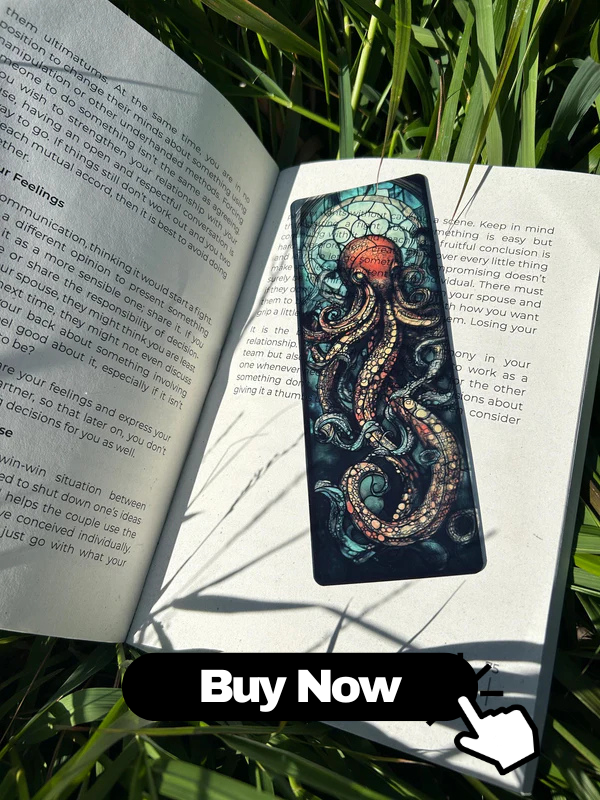
Transparent bookmarks are increasingly popular among students, book lovers, archivists, and professionals because they offer a safer, gentler way to mark pages without damaging books. Unlike rigid or thick bookmarks made of metal, wood, or heavy cardboard, transparent bookmarks—especially flexible plastic bookmarks—reduce stress on the book spine, prevent page creases, and allow you to see text and illustrations underneath. In this in-depth guide, we explore why transparent bookmarks are safer than rigid bookmarks, how they protect your books, and what to look for when choosing the best transparent bookmark for long-term reading comfort and book preservation.
What Are Transparent Bookmarks?
Transparent bookmarks are page markers made from clear or semi-clear materials that allow you to see the text and graphics beneath them. They are designed to mark your place in a book without obscuring content or adding unnecessary bulk.
Typical characteristics include:
- Clear or translucent material (often plastic or PET film)
- Thin, flexible design that conforms to the curvature of a book
- Rounded or polished edges to prevent page tearing
- Variety of shapes: strips, corner bookmarks, page overlays, or ruler-style bookmarks
These bookmarks are especially appreciated for:
- Non-intrusive design – they do not distract from the page layout
- Dual functionality – can serve as both a bookmark and a reading aid (e.g., underlining guide)
- Book-safe construction – minimizes mechanical stress and friction
Why Transparency Matters for Safer Reading
The transparency of these bookmarks provides more than just aesthetic appeal. It directly contributes to safer and more convenient reading.
Key advantages of transparency include:
- Full visibility of text and illustrations even when the bookmark is in place
- Reduced need to constantly remove and reinsert the bookmark, which helps protect the pages
- Better alignment with lines of text, useful for students and language learners
Transparent bookmarks often work as:
- Line trackers for readers with dyslexia or attention difficulties
- Highlighting tools that emphasize text without using ink or highlighters
- Study aids in manuals, textbooks, and technical documentation
Transparency means less disruption to the reading experience and less handling of the book’s pages—both of which increase overall safety and longevity for your books.
Rigid vs. Transparent Bookmarks: Key Differences
Rigid bookmarks can be beautiful and durable, but they often come with hidden risks for your books. Understanding the differences helps explain why transparent bookmarks are often the safer choice.
1. Flexibility and Pressure Distribution
-
Rigid bookmarks (metal, wood, thick cardboard):
- Do not bend easily with the pages
- Concentrate pressure on a small area of the spine and page edges
- Can cause indentations, warping, and permanent creases
-
Transparent flexible bookmarks (thin plastic, PET):
- Conform smoothly to the curve of the book
- Distribute pressure evenly across the page
- Reduce the risk of damage to bindings and fragile pages
2. Thickness and Bulk
-
Rigid bookmarks:
- Often thicker and heavier
- Can force the book open and stress the spine when stored
- May create a visible bump in tightly bound books
-
Thin transparent bookmarks:
- Usually ultra-thin and lightweight
- Fit between pages with minimal added thickness
- Allow books to close naturally without structural strain
3. Edge Safety
-
Rigid bookmarks:
- Can have sharp or rough edges
- More likely to tear delicate paper or scratch coated pages
- Potentially unsafe for children if edges are not rounded
-
Transparent bookmarks:
- Commonly designed with rounded or smooth edges
- Glide between pages without catching or ripping
- Safer for frequent use, especially in thin-paper books
4. Visibility and Usability
-
Rigid opaque bookmarks:
- Completely cover the text they rest on
- Require constant removal to read the full page
- Encourage more page handling, increasing wear and tear
-
Transparent bookmarks:
- Keep text visible underneath
- Can remain in place as you read
- Reduce repeated friction on the same page areas
How Transparent Bookmarks Protect Your Books
If you value book care and long-term preservation, transparent bookmarks offer several specific protective advantages.
1. Reduced Stress on the Spine
Book spines are designed to accommodate the thickness of the pages, not extra rigid objects inserted between them.
- Thin transparent bookmarks add minimal bulk, so the spine remains in a neutral position.
- The flexibility allows pages to rest naturally, avoiding forced bends or twists.
- This is particularly important for:
- Old or antique books with fragile bindings
- Paperbacks with glue bindings that crack easily
- Heavily used textbooks that are opened and closed multiple times a day
2. Minimizing Page Creases and Dog-Ears
Many readers turn down the corners of pages (dog-earing) when they do not have a reliable bookmark. Transparent bookmarks help break this habit.

- Their low-profile design encourages consistent use instead of folding pages.
- Because they are clear, they do not disrupt the look of the page, making them more pleasant to keep in place.
- Regular use prevents:
- Permanent corner creases
- Weakened page fibers
- Visible wear on high-value or collectible books
3. Preventing Ink Transfer and Staining
Some rigid bookmarks are printed with heavy inks, paints, or foil that can transfer onto pages over time, especially in humid conditions.
-
High-quality transparent bookmarks are often:
- Unprinted or lightly printed with stable inks
- Resistant to smudging and color bleed
- Non-porous, preventing absorption of dirt or moisture
- This significantly reduces the risk of staining delicate pages, art paper, and glossy prints.
4. Protecting Illustrations and Special Pages
Art books, photography collections, and illustrated novels benefit greatly from transparent bookmarks:
- They allow you to mark full-page illustrations without covering them.
- They serve as a protective overlay, reducing fingerprint marks and smudges.
- They are ideal for:
- Children’s picture books
- Graphic novels and comics
- Cookbooks with photo-heavy layouts
Benefits for Different Types of Readers
Transparent bookmarks are not just universally safer for books; they are also more user-friendly for specific reading needs.
For Students and Researchers
- Precise page marking in textbooks and reference works
- Using multiple transparent bookmarks to:
- Mark key chapters or diagrams
- Quickly locate important formulas or tables
- Track reading in multiple sources for research papers
- Ability to write notes next to visible text without moving the bookmark
For Book Collectors and Archivists
- Non-invasive page marking for rare and valuable books
- Reduced risk of:
- Acidic transfer from low-quality paper bookmarks
- Physical damage from metal clips or ribbons with metal ends
- Use of archival-quality transparent bookmarks that are acid-free and chemically stable
For Casual Readers and Book Club Members
- Convenient, everyday use without page damage
- Easy sharing of marked passages with friends or book clubs
- Simple organization of:
- Multiple books being read at the same time
- Favorite quotes or key scenes
For Children and Young Readers
- Safer than metal or wooden bookmarks with sharp edges
- Encourages good book-care habits early on
- Transparent bookmarks with:
- Colorful borders
- Educational rulers or grids
- Alphabet or number guides
For Readers with Vision or Attention Challenges
- Line-tracking transparent bookmarks help:
- Keep focus on a single line of text
- Reduce eye strain
- Support readers with dyslexia or ADHD
- Colored transparent strips can:
- Increase contrast between text and background
- Make letters easier to distinguish
Materials Used in Transparent Bookmarks
The safety and durability of a transparent bookmark depend heavily on the material used.
Common Transparent Bookmark Materials
-
PET (Polyethylene Terephthalate)
- Clear, durable, and flexible
- Resistant to tearing and warping
- Popular for premium transparent bookmarks
-
PVC (Polyvinyl Chloride)
- Flexible and often used for soft plastic bookmarks
- May have additives; higher-quality, phthalate-free versions are safer
- Check for non-toxic, eco-friendly labels
-
Polypropylene
- Lightweight and semi-rigid
- Often used for translucent index tabs and bookmarks
- Good resistance to moisture
-
Acetate / Cellulose Film
- Very clear and thin
- Often used in archival and conservation settings
- Can be more environmentally friendly, depending on production
Material Safety Considerations
- Look for bookmarks marketed as:
- Acid-free
- Non-yellowing
- Archival-safe
- Avoid very cheap plastics that:
- Smell strongly of chemicals
- Bend “white” or crack under slight pressure
- Show early signs of discoloration
- High-quality transparent bookmarks are:
- Stable over time
- Less likely to react with inks or paper coatings
Ergonomics and Reading Comfort
Safe bookmarks are not only about protecting books; they also support comfortable reading habits.
Ergonomic Benefits of Transparent Bookmarks
-
Reduced hand movements
- No need to constantly remove and replace the bookmark
- Less repeated handling of the same page corners
-
Visual continuity
- Readers can scan the page quickly without obstruction
- Ideal for quick reference and scanning in study sessions
-
Page alignment
- Some transparent bookmarks double as rulers or grids
- Help maintain straight reading lines during long sessions
Comfort in Different Reading Environments
-
On the go (commuting, travel):
- Flexible bookmark bends without snapping in bags
- Thin design avoids denting or marking pages while in transit
-
At desks and study tables:
- Can be used as a temporary ruler or straightedge
- Visible text under the bookmark improves note-taking speed
-
In bed or relaxed settings:
- Less risk of uncomfortable pressure on fingers or hands
- Bookmark stays in place even if the book is moved around
Safety Considerations and Common Issues
When discussing why transparent bookmarks are safer than rigid bookmarks, it’s useful to highlight specific risk areas.
Risks Associated with Rigid Bookmarks
-
Mechanical damage:
- Torn pages when quickly closing or opening books
- Indentations on soft paper from sharp corners
- Cracked spines due to thick, inflexible shapes
-
Surface scratches:
- Metal bookmarks can scratch glossy or coated paper
- Wooden bookmarks with rough edges can abrade illustrations
-
Personal safety:
- Pointed metal or acrylic edges can cause minor injuries
- Less suitable for children or shared reading environments
How Transparent Bookmarks Reduce These Risks
-
Flexibility means less force on pages during:
- Transport
- Sudden book closure
- Accidental bending
-
Smooth edges significantly reduce the risk of:
- Page tears
- Finger cuts
- Snagging on page corners
-
Low weight reduces:
- Impact if the bookmark falls out
- Pressure on thin or delicate paper
How to Choose the Best Transparent Bookmark
Selecting a high-quality transparent bookmark ensures maximum safety for both books and readers.
Key Features to Look For
-
Material Quality
- Prefer PET, polypropylene, or archival-grade acetate
- Avoid heavily scented or visibly brittle plastics
- Look for acid-free and non-toxic labels
-
Thickness
- Choose a thin but sturdy bookmark (often 0.2–0.5 mm)
- Thicker options may behave more like rigid bookmarks and increase pressure on pages
-
Edge Design
- Ensure all edges are rounded or smoothly cut
- Avoid decorative cutouts that create sharp internal angles
-
Surface Finish
- Matte surfaces reduce glare under bright light
- Glossy surfaces show text more clearly but may reflect light
-
Size and Shape
- Narrow strips for novels and paperbacks
- Larger rectangles for textbooks and workbooks
- Corner-style transparent bookmarks for compact marking
-
Additional Features
- Printed rulers (cm/inches) along the edge
- Colored overlays for reading assistance
- Index tabs or labels for multi-section marking
Matching Bookmark Type to Book Type
-
Novels and fiction:
- Slim, flexible transparent strips
- Minimal printing to keep pages visually clean
-
Textbooks and manuals:
- Wider transparent bookmarks with ruler edges
- Multiple colors to code subjects or topics
-
Art books and photography collections:
- Completely clear, high-clarity materials
- Archival-grade plastic to avoid long-term reactions
-
Children’s books:
- Sturdy, flexible plastic with rounded corners
- Light designs that do not distract from illustrations
Maintenance and Care Tips
Proper care of your transparent bookmarks ensures they remain safe for your books over time.
Cleaning Transparent Bookmarks
- Use a soft, lint-free cloth to wipe away dust and fingerprints.
- For heavier dirt:
- Use a drop of mild soap in water
- Wipe gently, then dry completely before using
- Avoid:
- Strong solvents like acetone or alcohol, which may damage plastic
- Abrasive sponges that can scratch the surface
Storage Recommendations
- Store bookmarks flat to prevent warping.
- Keep them away from:
- Direct sunlight (to reduce yellowing risk)
- High heat sources (to avoid deformation)
- Organize multiple bookmarks in:
- Small pouches
- Plastic sleeves
- Desk organizers
Usage Best Practices
- Insert and remove the bookmark gently and straight to avoid bending pages.
- Do not use very small transparent pieces that can slip too deep into the binding.
- Avoid leaving bookmarks in books stored in very hot or damp environments.
Eco-Friendly and Archival Perspectives
Transparent bookmarks also connect to broader topics of sustainability and archival safety.
Environmental Considerations
-
Durability leads to less waste:
- High-quality transparent bookmarks last for years
- Reduce the need for disposable paper scraps as bookmarks
- Some brands offer:
- Recyclable plastics
- Bio-based or partially plant-derived materials
- Reusing a small set of reliable bookmarks is generally more eco-friendly than repeatedly buying novelty rigid bookmarks that can damage books and be discarded quickly.
Archival and Preservation Best Practices
- Archives and libraries often prefer:
- Non-acidic, inert plastics for any object stored with paper
- Transparent films that do not off-gas harmful chemicals
- Transparent bookmarks can be chosen to:
- Meet basic archival standards
- Minimize physical contact area while still marking pages
- For highly valuable items, always:
- Consult conservation guidelines
- Test a single bookmark in a less critical book first
FAQ About Transparent Bookmarks
Are transparent bookmarks better than magnetic bookmarks?
- Magnetic bookmarks can pinch pages and sometimes leave small indentations.
- Transparent non-magnetic bookmarks rest between pages without compression.
- For delicate or old books, transparent bookmarks are generally safer and gentler.
Can transparent bookmarks damage glossy or coated paper?
- High-quality transparent bookmarks with smooth edges:
- Are safe for glossy pages
- Do not scratch or abrade the coating
- Avoid dragging rigid or scratched plastic across printed surfaces.
Do transparent bookmarks yellow over time?
- Low-quality plastics may yellow or become brittle when exposed to sunlight or heat.
- Choose:
- UV-resistant materials
- Bookmarks labeled as non-yellowing or archival
Are all transparent bookmarks flexible?
- No. Some thick acrylic or resin bookmarks are transparent but still rigid.
- For maximum safety, look for thin, flexible transparent bookmarks specifically.
Can transparent bookmarks be customized?
- Yes. Many suppliers offer:
- Custom sizes
- Logos and minimal printing
- Colored borders and design elements
- When customizing, ensure inks and finishes are:
- Stable
- Smudge-resistant
- Book-safe
Conclusion: Why Transparent Bookmarks Are the Safer Choice
Transparent bookmarks combine book safety, reader comfort, and long-term durability in a single, simple tool. Their thin, flexible, and clear design protects spines, prevents page creases, and preserves delicate illustrations and printed surfaces. When compared to rigid bookmarks made from metal, wood, or thick cardboard, transparent bookmarks significantly reduce mechanical stress, minimize the risk of tears and indentations, and offer a more seamless reading experience.
For anyone who cares about book preservation—students, collectors, librarians, teachers, and avid readers—switching from rigid bookmarks to high-quality transparent bookmarks is a smart, book-safe decision. By selecting flexible, acid-free materials with smooth edges and maintaining them properly, you can enjoy your reading while keeping your favorite books in excellent condition for years to come.