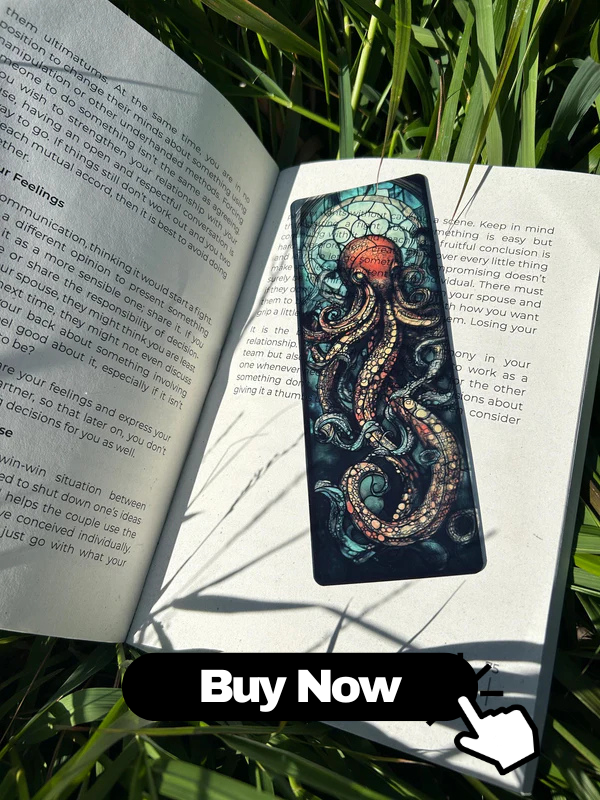
For readers who cherish their books, a bookmark is more than a placeholder—it’s a tool for preserving pages, protecting spines, and maintaining the overall condition of a treasured collection. This comprehensive guide explores the best bookmarks for readers who care about book condition, what to avoid, and how to choose, use, and store bookmarks so your books stay as pristine as possible for years to come.
Why Bookmarks Matter for Book Condition
Using the right bookmark is a simple yet powerful way to protect the condition of your books. Many readers underestimate how much damage an inappropriate placeholder can cause over time.
Well-chosen, book-safe bookmarks help to:
- Prevent dog-earing (folding page corners), which weakens paper fibers and leaves permanent creases.
- Avoid spine damage by reducing the need to lay books face-down or force them open too wide.
- Minimize staining and discoloration caused by metal clips, sticky notes, or acidic paper.
- Reduce warping from bulky or thick objects left between pages.
- Preserve resale and collectible value for first editions and rare books.
For bibliophiles, collectors, and anyone who loves a clean, crisp page, bookmark choice and bookmark use are part of basic book care.
How Common “Bookmarks” Damage Your Books
Many readers grab whatever’s nearby to mark their place—but everyday objects can silently ruin a book’s condition. To protect your library, it helps to understand which bookmark substitutes to avoid.
Items You Should Never Use as Bookmarks
-
Paper clips and binder clips
- Leave indentations and creases along the page edge.
- Metal can rust, staining pages with irreversible marks.
- Bent clips can tear or cut fragile paper fibers.
-
Post-it notes and sticky tabs
- Adhesive can pull fibers from the page when removed.
- Glue may yellow over time, causing discolored marks.
- Sticky residue attracts dirt and dust, further damaging paper.
-
Receipts, tickets, or newspaper clippings
- Often printed on thermal or acidic paper, which can cause yellowing.
- Ink may transfer or smudge onto book pages.
- Thin corners can crumple and create uneven pressure on the book.
-
Bulky objects (pens, phones, glasses)
- Force the book to stay open too wide, straining the spine.
- Create permanent warping in the cover and pages.
- Can slip and tear pages when the book is moved.
-
Pressed flowers, leaves, or organic materials
- Contain moisture and oils that can stain paper.
- May attract insects or mold, especially in humid environments.
- Become brittle and crumble into page creases.
For readers who care about book condition, the safest choice is a purpose-made, book-safe bookmark designed specifically to protect pages.
Best Bookmark Materials for Preserving Books
The material of your bookmark directly affects how it interacts with book pages. Below are the most common bookmark materials recommended for book preservation.
1. Acid-Free Paper and Cardstock Bookmarks
Acid-free bookmarks are among the best and safest options for everyday readers and collectors.
-
Pros
- Won’t contribute to page yellowing or degradation.
- Lightweight, so they don’t stress the binding.
- Easy to find in bookstores, libraries, and online.
- Can be printed with reading trackers, quotes, or designs.
-
Cons
- Less durable if bent or exposed to moisture.
- Very thin stocks can sometimes curl with heavy use.
2. Laminated Paper Bookmarks
Laminated bookmarks offer a good mix of durability and page safety when used correctly.
-
Pros
- Protect printed designs from wear and tear.
- Resistant to moisture, smudges, and dirt.
- Stay flat and don’t fray at edges.
-
Cons
- Too thick or stiff lamination can warp thin paperback covers.
- Plastic adds to environmental impact if not recycled properly.
3. Fabric and Ribbon Bookmarks
Soft fabric bookmarks are gentle on pages and spines, making them ideal for delicate books.
-
Pros
- Very thin and flexible, so they don’t distort the binding.
- Less likely to cause indentations or cuts.
- Available in beautiful patterns and textures (silk, cotton, satin).
-
Cons
- Fraying edges can leave threads between pages.
- Some dyes may transfer if the bookmark gets wet.
- Can slip more easily out of place in smooth paperbacks.
4. Thin Magnetic Bookmarks (Used Correctly)
Magnetic bookmarks clip gently over a page, making them popular with commuters and students.
-
Pros
- Stay in place, even in bags or while traveling.
- Good for marking multiple sections (notes, quotes, references).
- Small footprint—ideal for compact or pocket-sized books.
-
Cons
- Thick magnets can add pressure dents to pages.
- Should not be used on very fragile or antique paper.
- Cheap versions may have rough edges that scuff pages.
Best practice: Choose ultra-thin, smooth magnetic bookmarks and avoid stacking several in one small area of the book.
5. Leather Bookmarks
Thin leather bookmarks are a traditional, durable choice preferred by many serious readers.
-
Pros
- Durable and long-lasting—ideal for daily use.
- Flexible and smooth, so they rarely snag pages.
- Often have an elegant, classic look.
-
Cons
- Cheap or thick leather can be too rigid, stressing bindings.
- Some leather dyes may transfer if wet or humid.
- Not ideal for readers seeking vegan or cruelty-free options.
6. Materials to Use with Caution
-
Metal bookmarks
- Can look beautiful, but edges may be sharp or rigid.
- Heavier pieces may dent covers or pages.
-
Wooden bookmarks
- Need to be very thin and sanded smooth to be safe.
- Improperly finished wood can scratch or stain paper.
For readers focused on book preservation, the safest bets are usually acid-free paper, thin laminated cardstock, soft fabric, or high-quality thin leather.
Bookmark Design Features That Protect Your Books
Beyond material, the design and shape of a bookmark can have a major impact on how safe it is for your books.
Key Design Elements to Look For
-
Rounded corners
- Prevent sharp points from digging into or cutting pages.
- Reduce the risk of corner creases when sliding bookmarks in and out.
-
Thin profile
- Thinner bookmarks exert less pressure on the spine.
- Multiple thin bookmarks can be used without distorting the book’s shape.
-
Smooth edges and surfaces
- Rough or unfinished edges can catch on pages and cause tears.
- Glossy, smooth finishes glide between pages more safely.
-
Appropriate length
- A bookmark that’s too long can protrude and bend in bags.
- One that’s too short may slip inside the book and be hard to retrieve.
-
Lightweight design
- Heavy charms and beads can damage thin covers or dust jackets.
- For book safety, keep decorative elements small and light.
Design Features to Avoid for Book Safety
-
Thick tassels, heavy beads, or metal charms that:
- Pull on the pages or spine when the book is lifted.
- Leave dents or impressions on covers.
-
Sharp, angular shapes that:
- Increase the risk of page tears or punctures.
- Catch when inserting or removing the bookmark.
-
Overly wide bookmarks that:
- Force the book’s pages apart, subtly stretching the binding.
- Make the book feel constantly “full” even when closed.
When browsing or buying bookmarks online, look for language such as “book-safe,” “acid-free,” “rounded corners,” and “thin profile”—all good indicators the design is suitable for careful readers.
Specialty Bookmarks for Serious Book Lovers
Readers who care deeply about book condition and usability often invest in specialty bookmarks that offer added functionality without harming pages.
1. Page Corner Bookmarks (Used Correctly)
Page corner bookmarks wrap around the corner of a page instead of extending from the top or side.
-
Benefits
- Stay in place securely, even in bags or backpacks.
- Can be very thin and unobtrusive.
- Helpful for marking multiple pages for study or reference.
-
Risks & Tips
- Choose soft, flexible materials (fabric or soft plastic), not rigid metal.
- Make sure the corner doesn’t pinch or crease the page.
2. Indexing and Tabbed Bookmarks
Ideal for non-fiction, study books, and manuals, indexing bookmarks allow you to mark and quickly return to multiple sections.
-
Page-safe options
- Thin, non-adhesive plastic or paper tabs that slide in rather than stick on.
- Color-coded sets made of acid-free materials.
-
Best uses
- Academic textbooks and reference books.
- Cookbooks, pattern books, and manuals.
- Study Bibles and annotated editions.
3. Built-In Ribbon Bookmarks (Integrated Markers)
Many high-quality hardcovers and journals include a built-in ribbon bookmark.
-
Advantages
- Designed specifically for the book, so they’re usually spine-safe.
- Always available—no risk of losing your bookmark.
- Ribbons are thin, soft, and rarely harm pages.
-
Usage tips
- Lay ribbons flat between pages, not folded or twisted.
- Avoid tugging firmly on the ribbon to prevent loosening the binding.
4. Line-Marking and Annotation Bookmarks
Some specialized bookmarks are designed to help you track your exact line or make notes without writing in the book.
-
Features
- Clear windows or rules to highlight a specific line of text.
- Marginal note areas on the bookmark itself, not on the page.
- Reusable, non-adhesive designs for note-taking.
-
Best for
- Students and researchers who avoid marking up books.
- Readers of dense or technical material.
How to Use Bookmarks Without Damaging Books
Even the safest bookmark can cause wear if used carelessly. To protect book condition, focus not only on what bookmark you choose, but also on how you use it.
Bookmark Usage Best Practices
-
Insert bookmarks gently
- Slide the bookmark in from the top or side with minimal pressure.
- Avoid forcing thick bookmarks between tightly bound pages.
-
Align bookmarks with the page edge
- Don’t push bookmarks deep into the spine area.
- Leave the bookmark naturally aligned with the page edges.
-
Use only one main bookmark per reading position
- Stacking multiple thick bookmarks in one area can strain the binding.
- If you must mark several places, use very thin bookmarks or tabs.
-
Do not use bookmarks to flatten an open book
- Never wedge a bookmark in the middle to force the book to stay open.
- This practice can rapidly break the spine and loosen pages.
-
Remove bookmarks before long-term storage
- For books on display or in archival storage, store them without bookmarks inside.
- This prevents long-term pressure or potential chemical interactions.
Caring for and Storing Your Bookmarks
Proper care of your bookmarks ensures they stay clean, flat, and book-safe over time.
How to Keep Bookmarks in Good Condition
-
Store bookmarks flat
- Use a small box, envelope, or drawer to keep them from bending.
- Avoid storing them between heavy books, which can warp or crease them.
-
Keep them clean and dry
- Moisture can cause color bleeding or mold, especially on fabric or paper.
- Wipe non-porous bookmarks gently with a soft, dry cloth if dusty.
-
Inspect older bookmarks for damage
- Retire bookmarks with rough or frayed edges from valuable books.
- Check for any signs of color transfer on frequently used designs.
-
Separate archival bookmarks
- Keep bookmarks used in rare or collectible books in a separate set.
- Ensure these are acid-free, thin, and neutral in color.
Bookmarks for Collectors, Archivists, and Rare Books
For book collectors, librarians, and archivists, bookmarks must meet a higher standard of safety and preservation. When working with rare or antique books, every material choice matters.
Bookmark Guidelines for Rare and Valuable Books
-
Use only archival-quality materials
- Choose acid-free, lignin-free paper for any bookmark or placeholder.
- Avoid dyes, inks, or pigments that could transfer or bleed.
-
Avoid adhesives and magnets entirely
- No sticky notes, tape, or adhesive-backed tabs.
- No magnetic clips that can press into fragile paper.
-
Use minimal, temporary markers
- For serious research, consider using archival paper flags that are removed after use.
- Remove all bookmarks before long-term archival storage.
-
Document page references separately
- Record page numbers and notes in a separate notebook or digital file.
- This reduces the need for multiple bookmarks or intrusive markers.
In professional preservation contexts, the safest bookmark is often a temporary, archival-quality slip that is removed once the research or reading session is complete.
Bookmarks for Kids That Keep Books Safe
Helping children develop a habit of using book-safe bookmarks early not only protects the books they read, but also teaches them to value printed materials.
Choosing Child-Friendly, Book-Safe Bookmarks
-
Soft, flexible materials
- Use cardstock, foam, or fabric bookmarks with rounded corners.
- Avoid metal, glass, or heavy decorative pieces.
-
Durable, easy-to-find designs
- Bright colors and favorite characters encourage kids to use bookmarks instead of folding pages.
- Larger bookmarks are harder to lose and easier for small hands.
-
Simple rules for use
- Teach children to place the bookmark gently from the top, not shoved deep into the spine.
- Explain why dog-earing or using toys as bookmarks damages their books.
DIY, Eco-Friendly, and Upcycled Bookmarks
For readers who enjoy crafting and sustainability, DIY bookmarks can be both eco-friendly and safe for book condition—if you choose the right materials.
Eco-Friendly Bookmark Ideas That Protect Books
-
Recycled cardstock bookmarks
- Use offcuts from acid-free art papers or scrapbooking paper.
- Decorate with non-bleeding pens, pencils, or stamps.
-
Fabric scrap bookmarks
- Cut strips from old cotton shirts or linens and sew or glue the edges to prevent fraying.
- Choose light-colored, pre-washed fabrics to minimize dye transfer risk.
-
Pressed art (with caution)
- Instead of real flowers or leaves, use printed botanical designs on archival paper.
- Seal with thin, non-yellowing lamination for durability.
DIY Bookmark Tips for Book Safety
- Avoid adding thick layers of glue, heavy beads, or sharp embellishments.
- Test DIY bookmarks in a non-valuable book first to ensure no smudging or color transfer.
- Keep bookmarks smooth, thin, and flexible to protect your books’ spines and pages.
Buying Guide: How to Choose the Right Bookmark
With countless options available online and in stores, it helps to have a quick checklist to select the best bookmarks for readers who care about book condition.
Bookmark Buying Checklist
-
Is the material book-safe?
- Prefer: acid-free paper, thin laminated cardstock, soft fabric, or thin leather.
- Use caution with: metal, wood, thick plastics, magnets.
-
Does it have rounded, smooth edges?
- Avoid sharp corners or rough cut edges that can scratch pages.
-
Is it thin and lightweight?
- A bookmark should not force the book open when closed.
- Heavy charms or beads are best avoided, especially in paperbacks.
-
Is it appropriately sized for your books?
- Smaller bookmarks for paperbacks, larger ones for oversized hardcovers.
- Check that it does not extend excessively beyond the book’s edges.
-
Does the design suit how you read?
- Commuters might prefer magnetic or corner bookmarks that stay put.
- Students might choose annotative or tab-style bookmarks for reference.
When shopping online, include keywords such as “acid-free bookmark,” “book-safe bookmark,” “thin fabric bookmark,” “archival bookmark,” or “preservation-friendly bookmark” to find products that prioritize book condition.
FAQ: Bookmarks and Book Condition
Are magnetic bookmarks bad for books?
Thin, smooth magnetic bookmarks are generally safe for modern books when used sparingly. Avoid thick magnets, stacking many in the same spot, or using them on fragile, antique, or very thin pages.
Is it okay to leave a bookmark in a book long-term?
For casual reading, it’s usually fine. For long-term storage or archival preservation, it’s best to remove all bookmarks to prevent any pressure marks or potential chemical reactions over time.
Can bookmarks damage the spine of a book?
Yes—especially if they are thick, rigid, or used to prop a book open. Always choose thin bookmarks and never wedge them into the spine to force the book to lie flat.
What is the safest type of bookmark for rare books?
The safest option is a simple, acid-free, lignin-free paper bookmark with rounded corners, used only temporarily and removed after reading or research sessions.
Are DIY bookmarks safe for books?
DIY bookmarks can be book-safe if you use archival-quality paper, smooth edges, and minimal decoration. Avoid thick glues, glitter, heavy beads, or any materials that could shed, scratch, or transfer color.
Conclusion: Build a Bookmark Habit That Protects Your Library
Caring about bookmark choice is an easy, practical way to protect the condition and longevity of your books. By selecting thin, smooth, acid-free, and book-safe bookmarks—and using them with care—you reduce wear on pages, maintain clean covers and intact spines, and preserve the monetary and sentimental value of your collection.
Whether you read rare first editions, everyday paperbacks, children’s picture books, or academic texts, the right bookmark—used correctly—becomes part of a simple, sustainable book care routine. Invest in a small set of trusted, high-quality bookmarks, teach others in your home to use them, and enjoy a library that stays beautiful every time you open it.