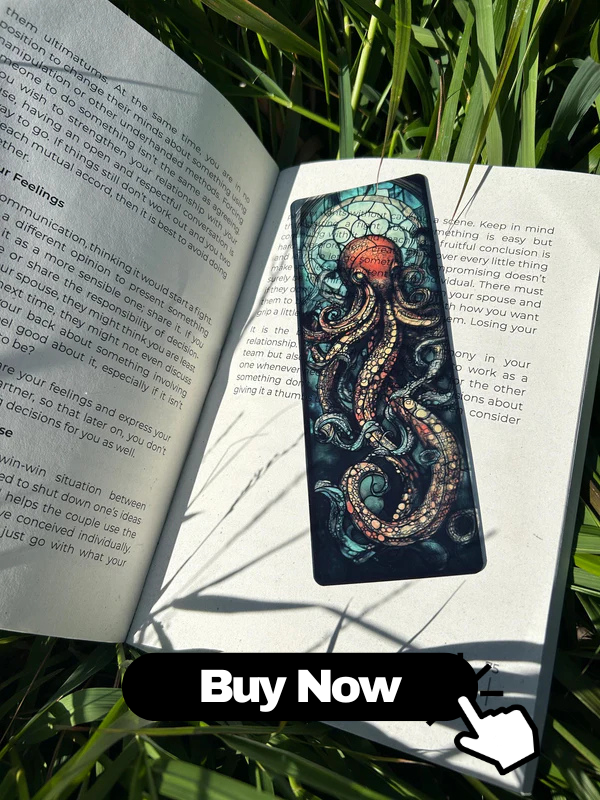
For many book lovers, dog-earing pages feels almost sacrilegious. Creasing a corner can damage the page, devalue a collectible edition, and simply look messy. If you’re a reader who wants to protect your books while still easily keeping your place, this comprehensive guide to bookmarks for readers who hate dog earing pages will help you explore the best bookmark types, how to choose the right one for your reading style, and even how to create your own.
Why Some Readers Hate Dog Earing Pages
Dog-earing seems harmless, but many readers avoid it for several reasons. If you’re searching for alternatives to dog-earing book pages, it helps to understand what’s actually at stake.
-
Permanent damage to the paper: Folding a corner breaks the paper fibers. Over time, this can lead to:
- Tears starting at the crease
- Weakened, thin corners
- Pages that curl or warp
-
Decreased resale or collectible value: For first editions, signed copies, or rare books, dog-eared pages:
- Lower the book’s condition grade
- Make it less appealing to collectors
- Can significantly reduce its monetary value
- Visual clutter: Multiple folded corners give a book a worn, messy appearance, even if it’s not that old.
- Loss of precision: A dog-eared corner marks only the page, not the exact line or paragraph where you stopped reading.
- Library and borrowed books etiquette: Most libraries and fellow readers see dog-earing as disrespectful to shared books.
For these reasons, many readers look for non-destructive ways to mark their place, making bookmarks the ideal solution.
Benefits of Using Bookmarks Instead of Dog Ears
Choosing bookmarks for readers who hate dog earing pages is not just about preservation; it can also improve your overall reading experience.
-
Protects the physical condition of your books
- No more creased corners, torn edges, or warped pages
- Helps keep pages flat and smooth
- Ideal for hardcovers, special editions, and textbooks
-
More accurate place-holding
- Some bookmarks allow you to mark the exact line you stopped on
- Easy to resume reading instantly, without scanning the page
-
Personalization and aesthetics
- Bookmarks can reflect your personality, tastes, and hobbies
- Can match a book’s theme or your reading nook’s style
-
Organization and annotation
- Use multiple bookmarks to track:
- Key quotes
- Study sections
- Scenes you want to revisit
- Perfect for students, researchers, and book club members
- Use multiple bookmarks to track:
-
Ideal for borrowed and library books
- Shows respect for shared property
- Prevents disputes over “damaged” returns
-
Eco-friendly options
- Reusable bookmarks reduce waste compared to sticky notes
- Many are made from recycled or sustainable materials
In short, switching from dog ears to bookmarks is an easy, low-cost habit that offers long-term benefits for both your books and your reading comfort.
Types of Bookmarks for Readers Who Hate Dog Earing Pages
Not all bookmarks are the same. The best bookmark alternatives to dog ears depend on how and where you read. Here are the most popular types, including their pros and cons.
1. Classic Paper or Cardstock Bookmarks
These are the most common and widely available traditional bookmarks.
- Materials: Cardstock, art paper, laminated paper
-
Pros:
- Lightweight and inexpensive
- Available in countless designs and themes
- Easy to replace if lost
-
Cons:
- Can bend or tear if not laminated
- May slip out of the book if handled roughly
- Best for: Casual readers, gifts, promotion items, book clubs
2. Magnetic Bookmarks
Magnetic bookmarks are perfect for readers who want something secure that won’t fall out easily.
- How they work: A small folded strip with magnets on each end clips over the top or side of the page.
-
Pros:
- Stay firmly in place, even in bags or backpacks
- Can mark a specific line, not just a page
- Thin and lightweight; less likely to damage book spines
-
Cons:
- Smaller designs can be easy to misplace
- Cheaper magnets may weaken over time
- Best for: Commuters, students, travelers, planners, Bible or textbook readers
3. Corner Bookmarks (Non-Dog-Ear Alternatives)
Corner bookmarks are a clever compromise for those who like the feel of marking a corner but hate dog earing pages.
- Design: Little sleeves or pockets that slide over the page’s corner.
-
Pros:
- Mimic the dog-ear position without damaging the page
- Cute designs (animals, origami shapes, minimalist triangles)
- Often easy to make as a DIY project
-
Cons:
- Must be sized correctly so they don’t slip off
- Can warp if made from thin or poor-quality paper
- Best for: Children, craft lovers, readers who want a playful look
4. Ribbon and String Bookmarks
Ribbon bookmarks are common in journals and premium Bibles, but you can also buy or make them separately.
- Materials: Satin ribbon, cotton string, leather cord
-
Pros:
- Very gentle on paper and binding
- Can be attached to the spine or cover so you never lose them
- Can include beads or charms for decoration
-
Cons:
- Loose ribbons can slip if not secured
- Beads or charms can add bulk if too large
- Best for: Journals, planners, hardcover novels, study Bibles
5. Elastic Band Bookmarks
Elastic bookmarks are bands that wrap around the entire book, sometimes with a flat bookmark piece attached.
-
Pros:
- Hold both the pages and cover securely
- Double as a book strap to keep a book closed in a bag
- Excellent for marking thick books or notebooks
-
Cons:
- Cheap elastic may stretch or lose tension
- Overly tight bands could stress delicate covers
- Best for: Students, travelers, bullet journalers, heavy readers
6. Metal Bookmarks
Metal bookmarks are durable, stylish, and often collectible.
- Materials: Stainless steel, brass, aluminum, silver-plated metal
-
Pros:
- Extremely durable and long-lasting
- Often feature intricate cut-out designs or engravings
- Ideal as gifts or for special books
-
Cons:
- Can be heavier than paper or magnetic bookmarks
- Thicker metal could slightly indent very thin pages
- Best for: Collectors, gift-giving, decorative use in cherished books
7. Clip-On Bookmarks
These bookmarks clip onto the page, similar to paper clips but designed specifically for books.
-
Pros:
- Secure grip that won’t slip easily
- Some have pointers to indicate the exact line
- Often made with smooth edges to avoid tearing
-
Cons:
- Cheap clips may leave dents if too tight
- Metal versions might scratch if poorly finished
- Best for: Academic reading, technical books, marking multiple references
8. Multi-Tab and Index Bookmarks
For heavy note-takers, tab-style and index bookmarks are an efficient alternative to sticky notes and dog ears.
-
Pros:
- Color-coded organization by topic or chapter
- Easy to flip directly to important sections
- Great for textbooks, manuals, and study guides
-
Cons:
- Too many tabs can look cluttered
- Adhesive tabs must be acid-free to avoid long-term damage
- Best for: Students, researchers, professionals, book club leaders
9. Handmade and Artistic Bookmarks
For readers who want unique bookmarks instead of dog-earing pages, handmade designs add personality.

-
Materials & styles:
- Watercolor art on cardstock
- Pressed flowers laminated between plastic sheets
- Embroidery on fabric or felt
- Wooden bookmarks with laser engraving
-
Pros:
- One-of-a-kind designs
- Can be tailored to specific books or fandoms
- Wonderful keepsakes and sentimental gifts
-
Cons:
- May require more care if delicate
- Often more expensive than mass-produced bookmarks
How to Choose the Right Bookmark for Your Reading Style
Finding the best bookmark alternative to dog-earing depends on how, where, and what you read.
1. Consider Your Typical Reading Environment
-
On-the-go readers (commuters, travelers):
- Choose secure options: magnetic, elastic band, or clip-on bookmarks
- Avoid loose paper bookmarks that may fall out in bags
-
At-home readers:
- Paper, ribbon, or metal bookmarks work well
- More room for decorative, larger designs
-
Students and researchers:
- Use multi-tab, magnetic, or clip-on bookmarks
- Color code different subjects or themes
2. Think About the Type of Books You Read
-
Thick textbooks and manuals:
- Elastic bands, multiple magnetic bookmarks, or index tabs
- Durable materials that can handle frequent flipping
-
Delicate or collectible books:
- Soft ribbon, high-quality paper, or thin metal with smooth edges
- Avoid anything bulky that stresses the binding
-
Paperbacks and novels:
- Classic cardstock, corner bookmarks, or small magnets
- Lightweight designs to avoid spine creasing
3. Match to Your Organizational Preferences
-
Minimalist readers:
- One simple, slim bookmark per book
- Neutral colors or clear designs
-
Highly organized readers:
- Multiple bookmarks per book to mark:
- Key chapters
- Character lists
- Important quotes
- Color-coded tab systems
- Multiple bookmarks per book to mark:
-
Art and design lovers:
- Handmade, illustrated, or themed bookmarks
- Bookmarks that double as small pieces of art
4. Prioritize Comfort and Ease of Use
- Check thickness: Avoid overly thick bookmarks that force the book open.
- Feel the texture: Smooth surfaces glide better between pages and reduce friction.
- Test insertion and removal: You should be able to place and remove the bookmark quickly without bending pages.
Creative & DIY Bookmark Ideas
If you’re looking for creative alternatives to dog-earing book pages, DIY bookmarks are affordable, customizable, and fun to make.
1. Origami Corner Bookmarks
- Start with a square piece of paper (old magazine pages, patterned paper, or colored cardstock).
- Fold into a triangle, then fold the corners up to form a pocket.
- Decorate with markers, stickers, or doodles.
-
Benefits:
- Perfect for kids and classrooms
- Customizable designs (animals, monsters, geometric shapes)
2. Pressed Flower Bookmarks
- Press flowers or leaves between heavy books for 1–2 weeks.
- Arrange them on a strip of cardstock.
- Laminate the strip or place between clear adhesive sheets.
-
Benefits:
- Elegant, nature-inspired bookmarks
- Thoughtful, inexpensive gifts
3. Upcycled Bookmarks from Old Materials
-
Ideas:
- Cut old greeting cards into strips
- Use sturdy pages from damaged books
- Repurpose packaging cardboard with nice designs
-
Benefits:
- Eco-friendly and budget-conscious
- Each bookmark has its own backstory
4. Fabric and Felt Bookmarks
-
Simple method:
- Cut a rectangle of felt or fabric
- Finish edges with sewing or fabric glue
- Optionally add embroidery, names, or patterns
-
Benefits:
- Soft and gentle on pages
- Highly customizable colors and textures
5. Beaded Ribbon Bookmarks
- Cut a length of ribbon slightly longer than your typical book height.
- Attach beads or charms to each end using knots or crimp beads.
- Lay the ribbon along the spine inside the book with the beads hanging out.
-
Benefits:
- Elegant and decorative
- Easy to locate in a stack of books
Bookmarks as Thoughtful Gifts for Book Lovers
If you know someone who hates dog earing pages, a bookmark can be a simple, meaningful gift.
-
Perfect occasions:
- Birthdays and holidays
- Book club meetings
- Graduations and academic achievements
- Thank-you gifts for teachers or librarians
-
Personalization ideas:
- Engrave a name or favorite quote on metal or wood
- Choose fandom-themed bookmarks (fantasy, sci-fi, romance, classics)
- Create a set of bookmarks with different reading-related sayings
-
Paired gifts:
- Bookmark + matching notebook
- Bookmark + new hardcover novel
- Bookmark + cozy reading accessories (tea, candle, blanket)
How to Care for Your Books and Bookmarks
To fully benefit from using bookmarks instead of dog ears, it’s important to care for both your books and the markers you use.
1. Best Practices for Bookmark Use
- Insert gently: Slide the bookmark fully between pages; avoid forcing it into the spine.
- Avoid overstuffing: Don’t use overly thick or multiple bulky bookmarks in a thin book.
- Keep bookmarks flat: Bent or wrinkled bookmarks can cause uneven pressure on pages.
2. Storing Your Bookmark Collection
- Use a small box, pencil case, or dedicated bookmark holder.
- Store metal bookmarks separately to avoid scratching others.
- Keep them away from moisture, especially paper and fabric types.
3. General Book Care Tips
- Store books upright on shelves with adequate support.
- Keep books out of direct sunlight to prevent fading.
- Avoid eating or drinking directly over open books.
- Use acid-free, archival-safe materials if you leave bookmarks in books long-term.
Digital Bookmarks for Ebook Readers
For digital readers, dog-earing pages becomes a virtual concept, but the idea is the same: marking your place without causing damage.
-
E-reader features:
- Kindle, Kobo, and other devices let you:
- Add bookmarks with a tap
- Highlight text and add notes
- Sync your position across devices
- Kindle, Kobo, and other devices let you:
-
Mobile reading apps:
- Apps like Apple Books, Google Play Books, and Libby use:
- Built-in bookmarks
- Digital highlights
- Searchable notes and annotations
- Apps like Apple Books, Google Play Books, and Libby use:
-
Hybrid readers:
- If you read both print and digital:
- Use physical bookmarks for paper books
- Rely on digital bookmarking tools for ebooks
- Maintain a reading log or app to track progress across formats
- If you read both print and digital:
While digital bookmarks don’t involve physical pages, the same principle applies: non-destructive, precise, and convenient place-saving.
FAQ: Bookmarks vs. Dog Ears
Are bookmarks really better than dog-earing pages?
Yes. Bookmarks protect the integrity of your books by avoiding permanent creases. They also offer more flexibility, allowing you to mark specific pages, sections, or quotes without causing damage.
What can I use as a bookmark in an emergency?
- Receipts or tickets
- Scrap paper
- Postcards or business cards
- Thin fabric strips
Avoid using very thick objects (pens, bulky clips) that can stretch the binding or deform the spine.
Can bookmarks ever damage books?
Yes, if misused.
- Bulky, hard items can distort the spine.
- Sharp metal edges may scratch or tear pages.
- Bookmarks with wet ink or paint can transfer color to pages.
To stay safe, choose thin, smooth, and dry bookmarks specifically designed for books.
How many bookmarks is too many in one book?
It depends on the book’s thickness, but as a rule:
- For slim paperbacks: 1–3 thin bookmarks
- For thick hardcovers or textbooks: 3–10 thin bookmarks or tabs
The goal is to avoid creating a wedge effect that forces the covers and spine outward.
Conclusion: Build a Bookmark Habit and Save Your Pages
If you’re a reader who hates dog earing pages, embracing bookmarks is one of the simplest ways to protect your collection and enhance your reading experience. From magnetic and ribbon bookmarks to corner sleeves and creative DIY designs, there are countless non-destructive alternatives to dog-earing book pages that are stylish, functional, and affordable.
By building a small collection of bookmarks tailored to your reading habits, you’ll always have a gentle, convenient way to mark your place—no folded corners required. Your books will stay cleaner, flatter, and more beautiful for years to come, and every time you open a novel or textbook, you’ll appreciate the simple satisfaction of sliding in a bookmark instead of creasing a page.