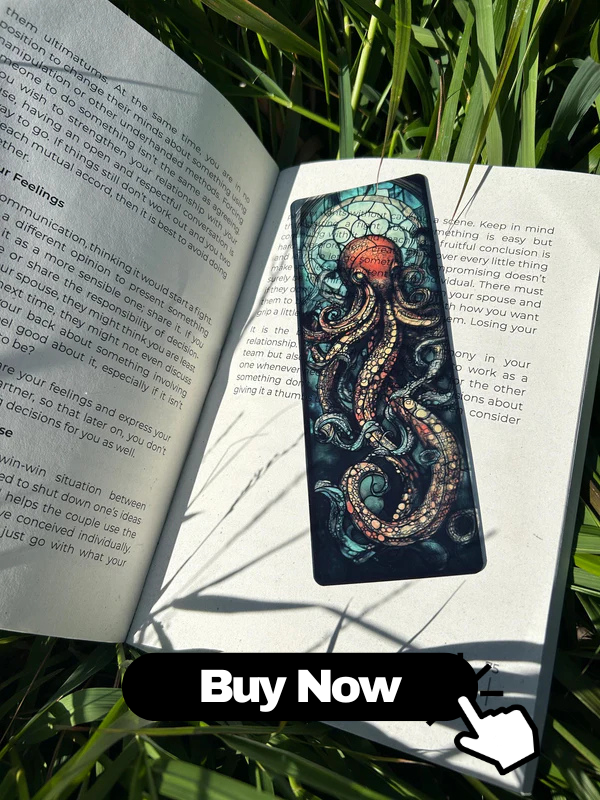
For passionate readers, a well-loved book is a treasure—yet not everyone loves the worn, folded corners that come from dog-earing pages. If you cringe at the thought of creasing a beautiful page but still need a reliable way to keep your place, using the right bookmarks can completely transform your reading experience. This comprehensive guide explores the best bookmarks for readers who hate dog-earing pages, how to choose them, creative DIY options, and smart ways to organize and care for your growing bookmark collection—all while keeping your books in pristine, collectible condition.
Why So Many Readers Avoid Dog-Earing Pages
Dog-earing a page—folding down a corner to mark your spot—may seem harmless, but for many readers it’s almost painful. Understanding why helps explain the rising interest in high-quality bookmarks and page markers.
-
Preservation of Page Quality
- Repeated folding weakens the paper fibers.
- Creases can turn into permanent tears over time.
- Dog-eared corners may snag, bend further, or break off completely.
-
Aesthetic Concerns
- Visible creases disrupt the clean look of a page.
- Book collectors and design-lovers prefer crisp, flat pages.
- Books used as décor or displayed on shelves look better when kept undamaged.
-
Resale and Collectible Value
- Dog-eared books often have a lower resale value.
- First editions and signed copies should remain in near-mint condition.
- Serious collectors consider dog-earing a form of damage, similar to writing in the margins.
-
Respect for Books
- Some readers see books as objects of respect that deserve careful handling.
- Using bookmarks is often viewed as a more considerate, gentle way to interact with your books.
Benefits of Using Bookmarks Instead of Dog Ears
Switching from dog-earing to using bookmarks offers a surprising number of advantages, especially for those who read regularly or collect books.
-
Protects Book Condition
- No folded corners, no extra stress on the paper.
- Pages remain smooth, flat, and clean even after multiple readings.
- Helps preserve the spine, especially when using flat, flexible bookmarks.
-
Improves Reading Organization
- Use multiple bookmarks to track:
- Current page
- Favorite quotes
- Important references
- Study notes or key sections
- Color-coding bookmarks can help you navigate complex books more easily.
- Use multiple bookmarks to track:
-
Enhances Reading Pleasure
- Beautiful bookmarks add visual enjoyment to your reading time.
- Textures, designs, and materials can make the moment you open your book feel special.
- Custom or meaningful bookmarks turn every reading session into a personal ritual.
-
Versatility Across Formats
- Bookmarks work with:
- Hardcovers
- Paperbacks
- Textbooks
- Journals and planners
- They also pair well with book sleeves and protective covers.
- Bookmarks work with:
Types of Bookmarks for Readers Who Hate Dog Earing Pages
Not all bookmarks are created equal. Some are purely functional, while others are decorative, collectible, or designed to suit specific reading habits. The following list breaks down the most popular and practical bookmark types for non–dog-earing readers.
1. Classic Paper and Cardstock Bookmarks
These are the most common and often the most affordable bookmarks.
-
Features
- Lightweight and thin—ideal for paperbacks.
- Available in countless designs: art, quotes, patterns, and custom prints.
- Often used as promotional items by bookstores and publishers.
-
Pros
- Very inexpensive or even free.
- Easy to replace if lost or damaged.
- Great surface for printing reading quotes or checklists.
-
Cons
- Less durable than metal, leather, or magnetic bookmarks.
- Can bend or tear if carried in a bag without protection.
2. Magnetic Bookmarks
Magnetic bookmarks clip over the page and stay securely in place, making them excellent for readers who carry books on the go.
-
Features
- Two small panels folded over with a magnet inside.
- Grip the page without leaving marks or creases.
- Available in a variety of shapes, sizes, and themes.
-
Pros
- Almost impossible to lose from the book accidentally.
- Thin enough to avoid damaging the spine.
- Perfect for marking multiple sections in study or reference books.
-
Cons
- Very small versions can be easy to misplace outside the book.
- Low-quality magnets may lose their grip over time.
3. Metal Bookmarks
Metal bookmarks are ideal for readers who want something durable and elegant that will last for years.
-
Common Materials
- Stainless steel
- Brass
- Aluminum
- Copper or bronze alloys
-
Pros
- Extremely durable and long-lasting.
- Often beautifully engraved or laser-cut with intricate designs.
- Resistant to moisture and wear compared to paper.
-
Cons
- Can be heavier than other bookmark types.
- Thick or sharp-edged metal bookmarks may indent thin paper if mishandled.
4. Leather and Faux Leather Bookmarks
Leather bookmarks appeal to readers who favor a classic, timeless aesthetic.
-
Features
- Often hand-cut and sometimes hand-tooled or stamped.
- Available in natural tones or dyed colors.
- May include engraved initials or quotes for personalization.
-
Pros
- Soft, flexible, and gentle on pages.
- Develop a unique patina with age and use.
- Durable enough for daily reading routines.
-
Cons
- Genuine leather is not vegan-friendly.
- Can be more expensive than simple paper or plastic bookmarks.
5. Ribbon and Tassel Bookmarks
Ribbon bookmarks feel light and elegant, often adding a bit of movement and texture to your book.
-
Types
- Loose ribbons tucked between pages.
- Ribbons attached to book spines or covers.
- Bookmarks with attached tassels or charms.
-
Pros
- Extremely gentle on pages and spines.
- Easy to find quickly thanks to dangling tassels.
- Perfect for journals, planners, and Bibles with many sections.
-
Cons
- Ribbons can fray over time without sealed edges.
- Long tassels may catch on items in a bag if not careful.
6. Corner Bookmarks (Non-Damaging Type)
Corner bookmarks slide over the corner of a page, but unlike folding the page itself, they protect it instead of creasing it.
-
Features
- Typically made of paper, fabric, felt, or leather.
- Designed as a pocket that slips over the page corner.
- Provide a visible marker without bending the page.
-
Pros
- Great for readers who like precise corner marking without damage.
- Can be very cute and decorative—popular in DIY projects.
- Lightweight and easy to carry.
-
Cons
- If too tight or thick, they can leave a slight impression on thin paper.
- Paper corner bookmarks may wear out faster with heavy use.
7. Elastic and Wrap-Around Bookmarks
Elastic bookmarks wrap around the entire book, securing your page and keeping the book closed.
-
Features
- An elastic band with an attached marker or decorative piece.
- Wraps horizontally or vertically around the cover.
- Sometimes includes a pen loop for note-taking readers.
-
Pros
- Keeps both the bookmark and book secure during travel.
- Prevents pages from becoming bent or wrinkled in bags.
- Ideal for students and commuters carrying books daily.
-
Cons
- Low-quality elastic may stretch out or break.
- Too-tight bands could warp very thin or delicate covers.
8. Annotating Bookmarks (For Note-Takers)
Some bookmarks are designed not just to mark pages, but to help you take notes without writing in the book.
-
Features
- Mini notepads attached to bookmarks.
- Bookmarks with space for jotting down page numbers and ideas.
- Bookmarks that include adhesive tabs or sticky notes.
-
Pros
- Perfect for academic reading or professional research.
- Allows thorough annotation without marking the book itself.
- Keeps your notes and reading progress organized in one place.
-
Cons
- Bulkier than standard bookmarks.
- May not be ideal for very small paperbacks or tightly bound books.
How to Choose the Right Bookmark for Your Reading Style
If you’re dedicated to never dog-earing a page again, selecting the right bookmark is essential. Think about your habits, the types of books you read, and where you usually read.
1. Consider Where You Read Most Often
-
At Home
- Paper, leather, or metal bookmarks will work well.
- Aesthetics may matter more—choose designs that make you happy.
- Heavier bookmarks are fine if your books stay on a side table or shelf.
-
On the Go (Commute, Travel, Café)
- Prioritize secure options like magnetic or elastic bookmarks.
- Choose thinner, flexible materials that won’t damage pages in a packed bag.
- Avoid overly delicate or bulky bookmarks that might bend or break.
2. Match the Bookmark to the Book Type
-
Paperbacks
- Use thin paper, magnetic, or ribbon bookmarks.
- Avoid heavy metal or very thick leather that could stretch the spine.
-
Hardcovers and Textbooks
- Sturdy metal, leather, or elastic bookmarks are ideal.
- Multiple bookmarks can help with chapter tracking and cross-referencing.
-
Collector’s Editions and Fragile Books
- Use ultra-thin, acid-free paper or gentle ribbon bookmarks.
- Avoid anything heavy, sharp-edged, or potentially acidic.
3. Think About How Many Pages You Mark
-
Single-Page Markers
- Ideal for casual fiction readers who only need one bookmark per book.
- Choose a durable, comfortable bookmark that suits your taste.
-
Multi-Section Readers
- Magnetic sets or color-coded bookmarks are especially helpful.
- Consider bookmarks with attached sticky flags for quick topic tagging.
4. Choose Materials Based on Durability and Feel
-
Durability Priority
- Go for metal, high-quality leather, or strong synthetic materials.
- Look for water-resistant or laminated paper bookmarks.
-
Sensory or Aesthetic Priority
- Choose materials with textures you enjoy touching.
- Match bookmark colors and styles to your bookshelves or reading nook.
DIY Bookmark Ideas for Book-Loving Minimalists
If you’re creative or prefer customized solutions, DIY bookmarks allow you to avoid dog-earing pages in a way that perfectly reflects your personality.
1. Simple Paper and Cardstock Bookmarks
- Cut sturdy cardstock into strips (about 5–6 inches long).
- Decorate using:
- Colored pens or markers
- Stamps or stickers
- Printed quotes from your favorite authors
- Laminating the strips (optional) will increase durability.
- Hole-punch one end and add a ribbon or tassel for flair.
2. Origami Corner Bookmarks
-
Why they’re ideal for anti–dog-ear readers
- They mark the corner without folding the page itself.
- They can be minimal or highly decorative.
-
Basic steps
- Start with a square of paper.
- Fold into a triangle, then create a pocket shape.
- Decorate as animals, geometric shapes, or simple patterns.
3. Fabric and Felt Bookmarks
-
Materials
- Scraps of cotton fabric or felt
- Thread and needle or fabric glue
- Optional: interfacing or thin cardboard for stiffness
-
Ideas
- Flat fabric strips with embroidered quotes.
- Felt shapes attached to a ribbon or elastic.
- Patchwork-style bookmarks from upcycled fabric.
4. Pressed Flower or Leaf Bookmarks
For nature lovers, pressed flower bookmarks are both beautiful and functional.

-
How to make them
- Press leaves or flowers between heavy books for 1–2 weeks.
- Arrange them on cardstock or clear plastic sheets.
- Laminate or seal with clear contact paper.
- Trim edges and punch a hole for a ribbon if desired.
-
Benefits
- Ultra-thin and gentle on pages.
- Unique, one-of-a-kind designs.
5. Upcycled and Eco-Friendly Bookmarks
Reduce waste while saving your book pages from dog ears.
-
Sources
- Old greeting cards
- Postcards
- Packaging with interesting artwork
- Scraps from art or craft projects
-
Tips
- Trim to a comfortable size.
- Round the corners to prevent accidental page dents.
- Coat with a thin layer of non-toxic sealant if needed.
How to Store, Organize, and Care for Your Bookmarks
Once you stop dog-earing pages, you may find yourself collecting more and more bookmarks. Keeping them organized ensures you always have the perfect one within reach.
1. Everyday Storage Ideas
-
Bookmark Jars or Cups
- Use a decorative jar, mug, or pen holder on your desk or nightstand.
- Perfect for taller bookmarks made of paper, metal, or leather.
-
Drawer Organizers
- Lay bookmarks flat in shallow drawers or trays.
- Group by type: magnetic, metal, paper, elastic, etc.
-
Bookcase Hooks or Clips
- Attach small hooks to your bookshelf edges.
- Hang bookmarks with tassels or ribbons for easy access.
2. Protecting Special or Collectible Bookmarks
-
Use Plastic Sleeves or Photo Albums
- Slip flat bookmarks into trading card sleeves or photo pockets.
- Helps prevent scratches, dust, and moisture damage.
-
Keep Away from Sun and Humidity
- Store paper and leather bookmarks out of direct sunlight.
- Avoid damp areas that might cause warping or mold.
3. Rotating Bookmarks for Different Reading Moods
Just as you choose different books for different moods, you can also rotate bookmarks.
- Designate:
- A “comfort reading” bookmark for cozy novels.
- A practical, sturdy bookmark for work or academic books.
- A special, decorative bookmark for favorite classics or collector’s editions.
Bookmarks and Book Collecting: Protecting Valuable Books
For collectors who refuse to dog-ear pages, the choice of bookmark directly impacts book longevity.
-
Choose Acid-Free Materials
- Acidic papers can discolor pages over time.
- Look for bookmarks marketed as archival or acid-free.
-
Avoid Bulky or Rigid Bookmarks in Delicate Books
- Too-thick bookmarks can strain the spine when the book is closed.
- Opt for very thin ribbon or high-quality paper for fragile editions.
-
Remove Bookmarks Long-Term
- If storing rare books for months or years, remove bookmarks entirely.
- Store the bookmark separately to avoid permanent impressions.
Bookmarks as Thoughtful Gifts for Readers
If you know someone who hates dog-earing pages, bookmarks make highly practical and personal gifts.
-
Personalized Options
- Engraved metal bookmarks with the recipient’s name or initials.
- Custom-printed bookmarks featuring favorite quotes or fandoms.
- Handmade bookmarks tailored to the recipient’s hobbies.
-
Bookmark Gift Sets
- Curate sets by theme: fantasy, classics, nature, travel.
- Combine with a book, book sleeve, or reading light for a complete reader’s gift.
-
Eco-Friendly Gifts
- Recycled paper bookmarks for environmentally conscious readers.
- Bamboo or sustainably sourced wooden bookmarks.
Digital Alternatives: When Physical Bookmarks Aren’t an Option
Even readers who prefer printed books sometimes switch to digital formats. While dog-earing pages isn’t an issue on screens, the way you “bookmark” still matters.
-
Built-In E-Reader Bookmarks
- Most e-readers include simple bookmark icons.
- You can highlight text, add notes, and quickly jump to key sections.
-
Reading Apps
- Apps like Kindle, Apple Books, and Google Play Books sync bookmarks across devices.
- Useful for readers who alternate between phone, tablet, and e-reader.
-
Hybrid Reading Systems
- Use physical bookmarks in print editions and digital bookmarks in e-books.
- Keep a note (digital or paper) listing corresponding locations if you switch formats.
Frequently Asked Questions About Bookmarks and Dog-Eared Pages
Is dog-earing really that bad for books?
Occasional dog-earing may not destroy a book, but over time it can lead to:
- Weakened and torn corners.
- Permanently creased pages.
- Reduced resale and collectible value, especially for special editions.
If you want your books to look good for years, using bookmarks is the safer choice.
What is the best bookmark for readers who absolutely hate dog-earing pages?
The “best” bookmark depends on your reading style, but many non–dog-ear readers favor:
- Magnetic bookmarks for secure, portable marking.
- Thin ribbon bookmarks for gentle page protection.
- Acid-free paper or leather bookmarks for long-term use in high-value books.
Can bookmarks damage books?
Most bookmarks are harmless when used correctly, but avoid:
- Very thick or rigid bookmarks in small, tightly bound books.
- Sharp-edged metal bookmarks that might scratch or indent paper.
- Cheap, highly acidic paper that could discolor pages over time.
How many bookmarks should I own?
It depends on how you read:
- Casual readers may need just a few reliable favorites.
- Students or researchers may benefit from dozens for complex texts.
- Collectors and enthusiasts often enjoy building curated bookmark collections.
What if I forget or lose my bookmark?
Instead of dog-earing, consider these emergency options:
- Use a receipt, ticket, or scrap of paper temporarily.
- Lightly note the page number in your phone or a notebook.
- Memorize the chapter or section heading as a short-term solution.
Whether you’re a casual reader or a serious collector, developing the habit of using bookmarks instead of dog-earing pages is one of the simplest ways to care for your books. With so many options—from elegant metal designs to DIY corner markers—it’s easier than ever to protect your pages, personalize your reading experience, and keep every volume in your library looking as beautiful as the day you brought it home.