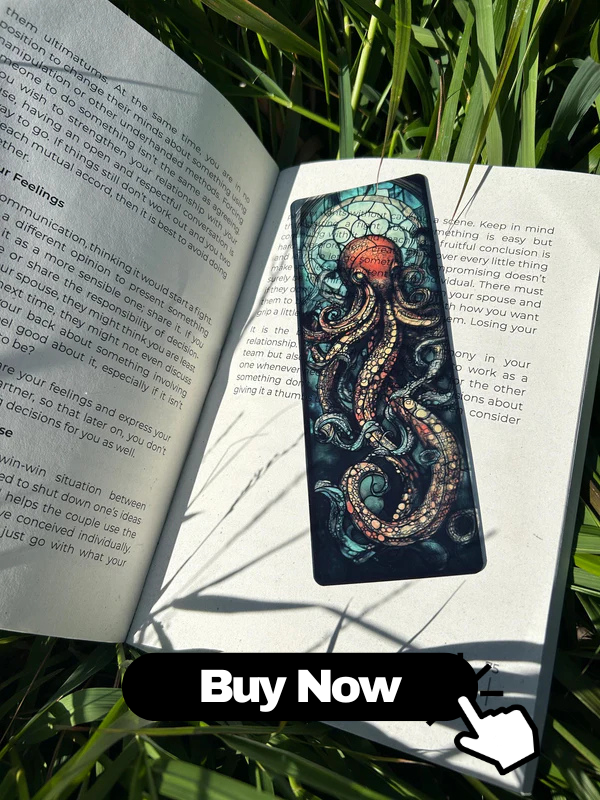
Pop art bookmarks for readers who prefer non-laminated designs offer a perfect balance between bold visual style and tactile, paper-based charm. Unlike glossy plastic bookmarks, these pieces retain the authentic feel of paper while showcasing vibrant pop art illustrations, graphic patterns, and typographic designs that celebrate reading as an art form. In this guide, you’ll learn everything you need to know about non-laminated pop art bookmarks—from materials and printing methods to design tips, care instructions, and where to find or create them—so you can choose the best bookmark for your reading style and aesthetic.
What Are Pop Art Bookmarks for Non-Laminated Designs?
Pop art bookmarks are page markers inspired by the bold, colorful, and often comic-influenced style of pop art. When created as non-laminated designs, these bookmarks are typically made from raw or lightly finished paper or cardstock instead of being sealed in plastic.
Key characteristics of pop art bookmarks include:
- Bright, contrasting colors (reds, yellows, blues, and neons)
- Graphic shapes and patterns (dots, stripes, bursts, halftones)
- Comic-style elements such as speech bubbles and bold outlines
- Typography-focused designs with punchy phrases related to reading
- Mass-culture references (magazines, advertisements, urban art, music, etc.)
Non-laminated pop art bookmarks appeal strongly to readers who value the tactile feel of paper, prefer a matte finish, and seek an eco-friendlier alternative to plastic-coated accessories.
Why Choose Non-Laminated Bookmarks?
Choosing non-laminated bookmarks is often a deliberate decision based on feel, aesthetics, and sustainability. Readers who prefer non-laminated designs value certain traits that laminated bookmarks simply can’t offer.
Key Benefits of Non-Laminated Pop Art Bookmarks
- Natural, authentic paper feel – No plastic film, just the pleasant texture of raw or lightly coated paper.
- Matte finish – Reduces glare and looks fantastic with bold, flat pop art colors.
- Less bulky – Thin, flexible bookmarks fit snugly between pages without stressing the spine.
- Eco-conscious choice – Often easier to recycle and can be made from recycled or FSC-certified paper.
- Better for writing – Notes, quotes, and dates can be easily written on the bookmark itself.
Drawbacks to Consider
Non-laminated doesn’t mean inferior, but it does require mindful use.
- Less water-resistant – Spills and moisture can damage the design.
- More prone to wear – Corners can bend or fray over time, especially with thin paper.
- Color fading – Intense sunlight or rough usage may mute vivid pop art colors faster than laminated versions.
For many readers, the aesthetic and tactile rewards outweigh these drawbacks, especially when bookmarks are stored or handled with care.
Popular Materials for Non-Laminated Pop Art Bookmarks
Material choice significantly affects the look, feel, and durability of your non-laminated pop art bookmark. Some options are more suitable for vivid pigment and fine detail, which are essential for pop art aesthetics.
1. Heavy Cardstock
Heavy cardstock (typically 250–350 gsm) is the most popular choice.
-
Pros:
- Sturdy yet flexible
- Holds vibrant color very well
- Professional, premium feel
-
Cons:
- Slightly higher cost than thin paper
- Can still crease if heavily bent
2. Textured Art Paper
Textured paper (linen, laid, watercolor-style) adds a tactile dimension that complements graphic pop art illustrations.
-
Pros:
- Rich, artistic feel – ideal for limited edition bookmarks
- Visual depth when light hits the texture
-
Cons:
- Texture can subtly distort very fine lines or text
- May require higher ink coverage and careful printing
3. Recycled or Kraft Paper
Recycled paper or kraft paper appeals to eco-minded readers and adds a distinct, earthy background for pop art designs.
-
Pros:
- Eco-friendly and sustainable image
- Attractive contrast between rough fiber look and clean pop art graphics
-
Cons:
- Colors may appear slightly muted on darker kraft bases
- Surface inconsistencies may affect extremely detailed prints
4. Cotton or Rag Paper
For high-end art bookmarks, cotton or rag paper is an excellent non-laminated choice.
-
Pros:
- Luxurious and durable
- Archival quality – ideal for collectors
-
Cons:
- More expensive than standard cardstock
- Mainly suited for small, premium runs
Printing Techniques for High-Impact Pop Art
Because pop art is all about vivid color and sharp contrast, printing method matters. For non-laminated bookmarks, the ink sits directly on the paper surface, which affects how the artwork appears.
Digital Printing
- Best for: Small batches, custom orders, independent artists.
-
Advantages:
- Fast turnaround
- Cost-effective for low quantities
- Excellent color variety and gradient handling
-
Considerations:
- On uncoated paper, colors can look softer—choose high-saturation settings.
Offset Printing
- Best for: Large print runs of pop art bookmarks.
-
Advantages:
- Consistent color across many copies
- Typically lower cost per unit for big volumes
-
Considerations:
- Higher setup cost makes it less ideal for very small batches.
Screen Printing
- Best for: Bold, minimal pop art designs with a few solid colors.
-
Advantages:
- Incredibly rich, opaque color layers
- Distinctive handmade look
-
Considerations:
- Less suitable for tiny text or complex gradients
- More labor-intensive, ideal for limited editions
Risograph & Specialty Prints
Risograph printing and other specialty methods are popular among zine makers and indie artists.
- Pros: Unique color palettes, retro feel aligned with pop art aesthetics.
- Cons: Registration variations, limited local availability, and specific paper needs.
Pop Art Design Ideas for Non-Laminated Bookmarks
Designing pop art bookmarks is about combining color, form, and concept in a small but impactful space. Because these are non-laminated, aim for designs that look strong on matte surfaces.
Iconic Pop Art Themes
- Comic Book Panels: Speech bubbles with reading quotes such as “Just one more chapter!” or “Reading is my superpower!”
- Halftone Dots & Explosions: Bursts saying “WOW!”, “READ!”, “BOOM!” in classic pop art style.
- Retro Ads & Typography: Vintage-style promotional layouts re-imagined for book lovers.
- Everyday Objects: Glasses, coffee mugs, open books, and library cards rendered in bold, flat colors.
Color Strategies
- Use high contrast combinations (yellow/black, red/blue, magenta/cyan).
- Limit to 3–5 main colors to maintain clarity.
- Ensure text remains legible against vivid backgrounds.
Layout Tips for Non-Laminated Designs
- Keep margins slightly wider to avoid edge wear cutting into key elements.
- Place crucial text away from corners that might bend.
- Consider double-sided printing to utilize both sides with complementary designs or quotes.
Readable Typography
- Use bold, sans-serif or comic-style fonts that match pop art aesthetics.
- Keep main phrases short, punchy, and impactful.
- Test readability at small sizes – bookmarks are narrow so every point size matters.
Who Prefers Non-Laminated Bookmarks?
Understanding reader preferences helps creators and sellers tailor non-laminated pop art bookmarks to the right audiences.
- Minimalist readers who dislike plastic gloss and bulk.
- Eco-friendly book lovers prioritizing paper-based reading accessories.
- Artists and designers who appreciate tactile, print-focused objects.
- Journalers and annotators who like writing on their bookmarks.
- Collectors of art ephemera who see bookmarks as mini prints or small art pieces.
How to Care for Non-Laminated Pop Art Bookmarks
To prolong the life of your non-laminated pop art bookmarks, handle them with a bit of care.
Basic Care Guidelines
- Avoid moisture: Keep bookmarks away from water, steam, and liquids.
- Store in a dry place: Use a small box, tin, or envelope when not in use.
- Protect from strong sunlight: Direct sunlight can cause colors to fade over time.
- Handle by the edges: Oils from fingers can mark uncoated paper.
Repairing Minor Damage
- Bent corners: Place the bookmark under a heavy book for a day or two.
- Light smudges: Use a clean, dry eraser on matte cardstock (test on a corner first).
- Edge fraying: Gently trim with a precision cutter if necessary.
DIY Pop Art Bookmarks: Step-by-Step Guide
Making your own DIY non-laminated pop art bookmarks is an enjoyable project for artists, students, teachers, or anyone who loves handmade reading accessories.
Materials You’ll Need
- Heavy cardstock or art paper (preferably 250–300 gsm)
- High-quality printer or art markers/paint pens
- Ruler and craft knife or scissors
- Cutting mat (for precision)
- Optional: hole punch, ribbons, or tassels
Step-by-Step Process
-
Define your size:
- Common bookmark size: approx. 2 x 6 inches (5 x 15 cm).
- Adjust to match your books or planner.
-
Create your pop art design:
- Use design software (e.g., Canva, Procreate, Illustrator) or sketch by hand.
- Incorporate speech bubbles, bold color blocks, and comics-style elements.
-
Prepare for print:
- Arrange multiple bookmarks on a single sheet to reduce paper waste.
- Set your printer to high-quality color printing.
-
Print on chosen paper:
- Test print one sheet first to check color intensity and alignment.
-
Cut bookmarks:
- Use a ruler and craft knife for straight, professional-looking edges.
-
Optional finishing touches:
- Punch a small hole at the top and add a ribbon or thread.
- Stamp the back with your name or logo if you plan to gift or sell them.
Gifting & Collecting Non-Laminated Pop Art Bookmarks
Non-laminated pop art bookmarks make thoughtful gifts for avid readers and creative friends.
Gifting Ideas
- Bundle with a book: Pair a bookmark with a graphic novel or art book.
- Reading kits: Combine a bookmark with tea, a candle, and a notebook.
- Event favors: Use custom pop art bookmarks as favors for book clubs, library events, or art shows.
Collecting Tips
- Use protective storage: Small photo albums or card sleeves can protect cherished designs.
- Document artists and dates: Note who created each bookmark and when you obtained it.
- Look for limited runs: Many indie artists release short-run non-laminated bookmark series that become collectible.
Eco-Friendly Aspects of Non-Laminated Designs
For environmentally conscious readers, non-laminated bookmarks are a naturally appealing option.
Why Non-Laminated Is Greener
- No plastic layer: Easier to recycle as paper in many regions.
- Compatible with recycled content: Can be produced using post-consumer recycled cardstock or FSC-certified paper.
- Lower resource intensity: Fewer materials and processes compared to laminated versions.
How to Make Your Bookmarks More Sustainable
- Choose recycled paper or FSC-certified cardstock.
- Use soy-based or vegetable-based inks if available.
- Design with minimal waste layouts to reduce offcuts during printing.
Where to Buy Non-Laminated Pop Art Bookmarks
Finding well-designed non-laminated pop art bookmarks is easier than ever thanks to online marketplaces and independent artists.
Online Marketplaces
- Handmade platforms: Look for bookmarks labeled “unlaminated,” “matte finish,” or “paper-only.”
- Print-on-demand sites: Many offer options to select finish type; choose matte or uncoated options.
Independent Artists & Small Presses
- Follow illustrators and pop art designers on social media; many sell bookmarks as part of their merch.
- Check zine fairs, comic conventions, and art markets for unique, limited-edition pieces.
Local Bookstores & Libraries
- Indie bookstores often commission or stock locally designed paper bookmarks.
- Libraries sometimes provide non-laminated bookmarks for events or campaigns featuring graphic, pop-style art.
SEO Tips for Creators Selling Non-Laminated Pop Art Bookmarks
If you create and sell non-laminated pop art bookmarks, optimizing for search engines can help readers discover your work.
Keyword Ideas to Target
- “non laminated bookmarks”
- “pop art bookmarks”
- “matte paper bookmarks for readers”
- “eco friendly bookmarks no lamination”
- “handmade pop art bookmark set”
On-Page SEO Basics
- Use descriptive product titles: e.g., “Non Laminated Pop Art Bookmark Set for Avid Readers – Matte Finish”
-
Write detailed descriptions:
- Mention material (e.g., 300 gsm recycled cardstock)
- Explain that the design is non-laminated and paper-based
- Highlight pop art themes, colors, and styles
-
Use alt text for images:
- Example: “non laminated pop art bookmark in bright comic book style with reading quote.”
Content & Blogging Strategy
- Create blog posts around phrases like:
- “Why I Prefer Non Laminated Bookmarks as a Reader”
- “How to Design Pop Art Bookmarks Without Lamination”
- Share behind-the-scenes content: paper choices, printing processes, and eco-friendly practices.
- Link to your product pages from relevant educational articles (like this one) for stronger internal SEO.
Final Thoughts
Bookmarks for readers who prefer non laminated designs are more than just page markers; they are miniature works of pop art that transform every reading session into a visual experience. Whether you’re an artist designing your own pieces, a buyer searching for eco-friendly paper bookmarks, or a collector looking for unique matte-finished artwork, non-laminated pop art bookmarks offer a distinctive blend of style, sustainability, and tactile pleasure.
By choosing the right paper materials, exploring bold pop art designs, and caring for your bookmarks properly, you can enjoy vibrant, non-laminated reading companions that reflect your personal taste and your love for both art and books.