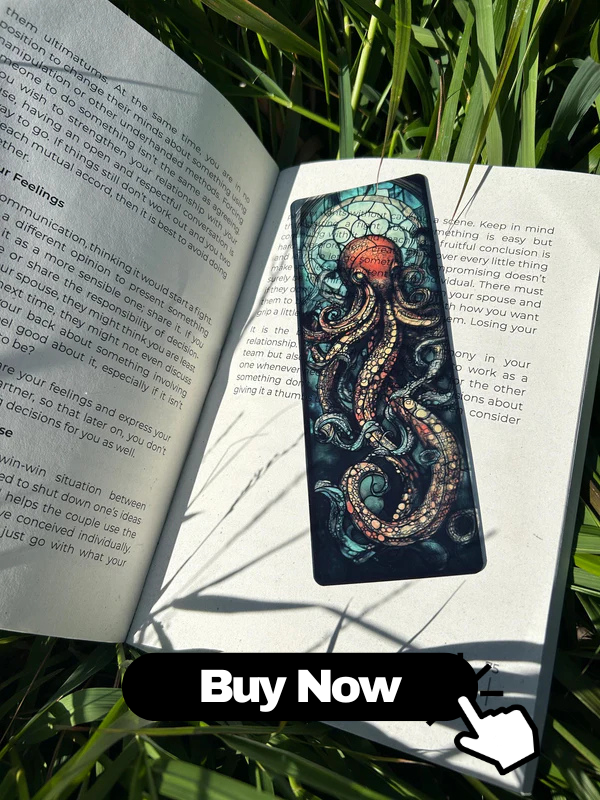
Bookmarks are a simple, stylish way to save your spot, but used incorrectly they can warp pages, crack spines, and leave permanent marks. In this pop-art-inspired guide, you’ll learn how to use bookmarks without damaging your books, which materials are safest, how to position bookmarks correctly, and what bad habits to avoid. Whether you’re preserving rare first editions, colorful graphic novels, or your favorite paperbacks, this detailed article shows you how to protect your books and still enjoy creative, fun bookmarks.
Why Bookmarks Matter for Book Preservation
Many readers underestimate how strongly a bookmark can affect the long-term condition of a book. Using the wrong object or placing a bookmark carelessly can lead to:
- Wrinkled or warped pages from bulky or uneven objects
- Cracked or broken spines when the book is forced closed around thick bookmarks
- Torn page edges due to rough surfaces, clips, or adhesives
- Stains and discoloration from acidic paper, ink, or metal oxidation
If you love book aesthetics, collect special editions, or maintain a personal library, learning how to use bookmarks properly is a simple but powerful form of book care and preservation. Good bookmark habits help your books:
- Remain flat and aligned
- Retain a smooth, uncreased spine
- Stay clean and free from marks
- Look professionally preserved even after years of reading
Best Types of Bookmarks That Don’t Damage Books
Not all bookmarks are equal. Some are gentle and archival-friendly, others look cute but cause long-term harm. When choosing book-safe bookmarks, focus on materials, thickness, and edges.
1. Paper and Cardstock Bookmarks
Thin, smooth paper or cardstock bookmarks are among the safest options for everyday reading.
-
Advantages:
- Lightweight and flexible
- Lie flat between pages without forcing the book open
- Inexpensive and easy to replace
- Available in a variety of pop art designs and bold colors
-
What to look for:
- Acid-free paper for long-term use (especially with collectible books)
- Rounded or smooth corners to avoid cutting page edges
- Non-flaking ink that won’t rub onto pages
2. Plastic and Laminate Bookmarks
Soft plastic or laminated bookmarks are durable and can be printed with vibrant pop art graphics.
-
Advantages:
- Sturdy and long-lasting
- Easy to clean if they get dusty or dirty
- Colors stay bright and bold
-
Watch out for:
- Bookmarks that are too thick, which can stress the spine
- Sharp edges that can indent or scratch pages
- Rigid designs with protruding shapes that push the book out of alignment
3. Magnetic Bookmarks
Magnetic bookmarks clip gently over a page and are popular for their secure hold.
-
Advantages:
- Stay firmly in place, even in bags or backpacks
- Compact and usually thin
- Can mark specific lines or passages precisely
-
Use safely by:
- Choosing low-profile magnets that don’t create a strong bump
- Clipping a single page, not many pages at once
- Avoiding very heavy, thick magnetic designs
4. Ribbon or Cloth Bookmarks
Soft fabric bookmarks are gentle and stylish—perfect for a pop-art-meets-vintage vibe.
-
Advantages:
- Extremely flexible and thin
- Safe for delicate, older pages
- Pre-attached ribbons in hardcovers are usually designed to be book-safe
-
Tips for use:
- Avoid chunky beads, charms, or metal weights on the ends
- Make sure the fabric doesn’t bleed dye if the book gets slightly damp
- Keep ribbons flat and not twisted between pages
5. Archival and Specialty Bookmarks
For rare, vintage, or collectible books, consider archival-quality bookmarks.
-
Ideal features:
- Acid-free, lignin-free materials
- No adhesives or sticky surfaces
- Non-metallic, non-rusting components
- These are perfect when your goal is long-term book preservation and minimal risk.
How to Use Bookmarks Correctly (Step-by-Step)
Using a bookmark seems simple, but a few careful habits will dramatically reduce the chance of damage.
Step 1: Choose the Right Thickness
- Prefer slim bookmarks that don’t stretch the spine
- Avoid stacking multiple thick bookmarks in the same area
- For tightly bound or small books, use especially thin paper or ribbon
Step 2: Place the Bookmark Flat Inside the Page
- Open the book naturally to your stopping point without forcing the spine back.
- Lay the bookmark flat and parallel to the page edge.
- Keep it at least a few millimeters from the outer edge to prevent it from sticking out excessively.
- Close the book gently, letting the pages settle around the bookmark.
The key is to avoid any bulging or uneven pressure when the book is closed.
Step 3: Avoid Folding Pages Around the Bookmark
- Do not fold or curl pages to trap the bookmark in place.
- Let pages lie flat; the bookmark should sit as a simple layer between them.
- Never “lock” a bookmark by folding a corner over it—that’s just a fancier dog-ear.
Step 4: Use One Bookmark per Section
- If you need to track multiple spots, use:
- Several thin bookmarks spread across the book, not stacked together
- Slim page flags for quick references (only in non-collectible books)
- Avoid inserting many bookmarks in the same tight cluster, which can strain the binding.
Step 5: Remove and Reinsert Carefully
- Open the book near where you remember leaving the bookmark.
- Gently slide the bookmark out without tugging on the pages.
- When moving to a new page, avoid dragging the bookmark along the paper edge; lift and reposition instead.
What You Should Never Use as a Bookmark
Some improvised bookmarks may seem convenient or stylish, but they are risky for your books.
1. Bulky Objects
- Avoid:
- Pens and pencils
- Highlighters
- Keys, earbuds, or small gadgets
- These can:
- Crack or stress the spine
- Leave deep impressions on pages
- Cause misalignment of covers and binding
2. Sticky Notes and Tape
- Adhesives can:
- Leave residue on the paper
- Pull up fibers when removed
- Discolor pages over time
- Use sticky notes only in study or work books where minor damage is acceptable, never in rare or cherished volumes.
3. Metal Clips and Paper Clips
- Paper clips can:
- Create permanent dents and creases
- Rust and leave orange-brown stains
- Tear thin or old paper when removed
- Even coated clips are risky for long-term use.
4. Organic Items (Leaves, Flowers, Tickets, Receipts)
- Pressed flowers or leaves:
- Contain moisture and acids
- Can stain pages as they dry and decompose
- Receipts and thermal paper:
- May transfer ink or darken over time
- Are often not acid-free
- Tickets and random scraps:
- May be thicker than you think
- Often have rough, cutting edges
5. Dog-Earing Pages
This is not a bookmark, but it is one of the most common habits that damages books.
- Folding corners:
- Weakens the paper fibers
- Leaves permanent creases
- Visually ages your book quickly
- A simple, flat bookmark prevents the need for dog-ears entirely.
Using Bookmarks in Hardcovers vs. Paperbacks
Hardcover and paperback books respond differently to pressure and thickness. Use slightly different bookmark strategies for each format.
Hardcover Books
-
Advantages:
- Stronger binding and covers
- Often include built-in ribbon bookmarks
-
Best practices:
- Use standard paper, card, or ribbon bookmarks
- Avoid excessive thickness near the front or back hinges
- If a ribbon bookmark is attached, keep it flat and untwisted as you close the book
Paperback Books
-
More vulnerable to:
- Spine creasing and cracking
- Cover warping
- Page block shifting
-
Safest bookmark habits:
- Choose ultra-thin paper or ribbon bookmarks
- Do not force a paperback to lie completely flat just to position the bookmark
- Avoid multiple thick bookmarks in a tight area, as they bend the cover
Bookmarks for Collectors, Rare Books & Comics
If you’re serious about book collecting, rare books, or graphic novel preservation, bookmark choice becomes even more important.
For Rare and Vintage Books
- Use archival, acid-free bookmarks only.
- Avoid magnetic bookmarks if the paper is brittle or fragile.
- Never use adhesives, page flags, or sticky notes.
- Limit the number of bookmarks to prevent long-term stress on the binding.
For Comics and Graphic Novels
- Many comics use coated or glossy paper that can:
- Show dents easily
- Stick slightly to plastics under heat or pressure
- Best options:
- Thin, smooth paper bookmarks
- Soft cloth or ribbon inserts
- Avoid:
- Thick or rigid plastic
- Metal clips or heavy magnetic designs
For Signed Editions and First Editions
- Keep inserts minimal; you can track progress digitally if needed.
- Store the book upright, so bookmarks don’t press downward on pages.
- Consider using a single, archival bookmark and removing it when storing the book long term.
How to Store and Care for Your Bookmarks
Well-maintained bookmarks stay safe for your books and preserve their pop-art charm.
Keep Bookmarks Flat
- Store bookmarks in:
- A small box or tin
- A drawer organizer
- A dedicated bookmark album or sheet protectors
- Avoid folding or rolling them, which can translate creases onto book pages.
Protect from Moisture and Heat
- Moist bookmarks can:
- Stick to pages
- Warp and curl
- Transfer color or ink
- Keep them away from:
- Direct sunlight
- Bathrooms or kitchens
- Windowsills where condensation may form
Inspect Old or Vintage Bookmarks
- If you use older bookmarks, check for:
- Rust on metal parts
- Flaking or cracking laminate
- Yellowed, brittle paper
- Retire any bookmark that shows signs of deterioration.
Creative Pop Art Bookmark Ideas That Are Book-Safe
You don’t have to sacrifice style to keep your books safe. You can design pop art bookmarks that are both bold and gentle on pages.
Design Elements to Embrace
- Bright colors and bold contrasts reminiscent of classic Pop Art
- Comic-style speech bubbles with reading quotes
- Ben-Day dot patterns and graphic stripes
- Flat, simple shapes instead of bulky decorations
Materials to Use
- High-quality, acid-free cardstock for long-term safety
- Soft-laminate coatings that don’t add too much thickness
- Thin fabric with printed pop art patterns
DIY Pop Art Bookmark Tips
- Cut your base from thin, sturdy cardstock.
- Use archival or pigment-based markers and pens that won’t smear.
- Round the corners with a corner punch or scissors.
- If laminating, choose a thin laminate film to avoid bulk.
- Skip heavy charms, rigid metal pieces, or thick 3D stickers.
FAQ: Bookmarks and Book Damage
Can bookmarks damage books over time?
Yes, especially if they are thick, rough, or metallic, or if you use many in a tight space. However, thin, smooth, and properly placed bookmarks are safe for long-term reading.
Are magnetic bookmarks safe for all books?
They are generally safe for modern, sturdy books when they are thin and used on a single page. For fragile or rare books, it’s safer to avoid any clamping or added pressure and use flat paper or ribbon instead.
Is it okay to leave bookmarks in books for years?
For everyday paperbacks, this is usually fine. For collectible or archival books, you should:
- Use acid-free bookmarks
- Avoid metal or adhesives
- Consider removing bookmarks during long-term storage
Do built-in ribbon bookmarks damage books?
Most built-in ribbons in hardcovers are designed to be safe. Just keep them flat and untangled when closing the book and avoid pulling on the ribbon, which can stress the binding.
Why do my pages warp around bookmarks?
This typically happens when:
- The bookmark is too thick.
- The book is pressed under heavy objects while the bookmark is inside.
- Multiple bookmarks are clumped in one area.
Quick Checklist: Using Bookmarks Without Damaging Your Books
- Choose thin, smooth bookmarks (paper, cardstock, ribbon, or soft plastic).
- Avoid bulky objects like pens, clips, and keys.
- Place bookmarks flat between pages without folding or curling paper.
- Use one bookmark per spot; don’t cluster thick ones together.
- Skip adhesives such as tape, sticky notes, and glue-on tabs in collectible books.
- Retire damaged bookmarks that are warped, rusted, or brittle.
- Store bookmarks flat, away from heat and moisture.
- For rare or valuable books, use archival materials and remove bookmarks for long-term storage.
By choosing the right materials and using them with care, you can enjoy eye-catching pop art bookmarks and still keep your library in excellent condition. Thoughtful bookmark use is a small habit that makes a big difference in book preservation, reading comfort, and the long-term beauty of your collection.