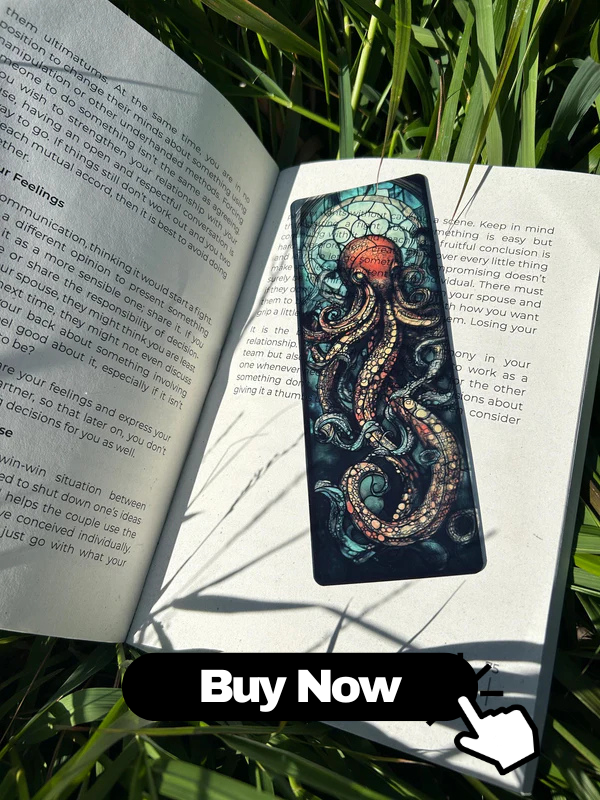
Juggling several books at the same time can be incredibly rewarding—but it also creates one frustrating problem: keeping your place in each book. The right bookmarks for readers who read multiple books at once can transform your reading routine from chaotic to organized. In this in-depth guide, you’ll discover different types of bookmarks, smart bookmark systems, and practical tips to manage multiple reads without ever losing your page again.
Why Multiple Bookmarks Matter for Multi-Book Readers
Readers who enjoy reading multiple books at once often rotate between fiction, non-fiction, textbooks, and audiobooks. Without a solid bookmark system, it’s easy to lose track of where you left off in each book. Strategic use of bookmarks can help you:
- Save time by instantly finding your place instead of flipping through pages.
- Keep momentum in each book without the frustration of losing context.
- Reduce clutter by avoiding improvised placeholders like receipts or random scraps of paper.
- Track progress in multiple titles at once for goal-oriented reading.
- Separate reading modes (study, leisure, reference) using visually distinct bookmarks.
Designing a thoughtful bookmark setup isn’t just a small accessory choice—it’s a powerful reading organization strategy that supports your habit of reading many books simultaneously.
Types of Bookmarks for Readers Who Read Multiple Books at Once
Different reading habits call for different bookmark designs. Below are the most useful kinds of bookmarks for multi-book readers and how they can support your reading routine.
1. Classic Flat Paper or Card Bookmarks
Traditional flat bookmarks are still the most common and versatile choice.
-
Pros:
- Lightweight and thin—won’t damage the book spine.
- Easy to customize with quotes, artwork, or reading goals.
- Affordable; you can maintain a large bookmark collection for different books.
- Best for: Casual reading, fiction, non-fiction, and any reader who wants simple, non-bulky options.
2. Magnetic Bookmarks
Magnetic bookmarks clip around the page using small magnets, holding firmly in place.
-
Pros:
- Secure—won’t slip out, even in bags or while traveling.
- Compact and ideal for readers on the go.
- Perfect for marking multiple points in one book (e.g., main page and notes section).
- Cons: Slightly thicker than paper bookmarks; low-quality magnets can weaken over time.
- Best for: Backpack readers, commuters, and anyone reading several books in different locations.
3. Corner Bookmarks
Corner bookmarks slide over the top or bottom corner of the page.
-
Pros:
- Stay attached to the page without slipping out.
- Often easier to spot visually when the book is closed.
- Cons: Some designs can bend page corners if too tight.
- Best for: Readers who want quick page visibility and dislike dangly strings or clips.
4. Ribbon and String Bookmarks
Ribbon bookmarks, often sewn into hardcovers or added as accessories, hang outside the book for quick access.
-
Pros:
- Thin and gentle on pages.
- Can be color-coded for multiple books or multiple sections within a single book.
- Ideal for Bibles, reference books, or study materials.
- Best for: Long-term projects, spiritual texts, study books, and thick volumes.
5. Clip and Metal Bookmarks
Metal bookmarks or clip-style bookmarks attach to the top or side of a page.
-
Pros:
- Durable and long-lasting.
- Great for heavy reading and frequent movement.
- Often decorative, adding personality to your reading stack.
- Cons: Some metal designs can dent or crease pages if too tight or used roughly.
- Best for: Readers who like stylish, robust tools that last years.
6. Sticky Tabs and Index Flags
Sticky tabs aren’t traditional bookmarks but are incredibly useful for marking multiple points in one book.
-
Pros:
- Perfect for highlighting quotes, references, or sections to revisit.
- Available in many colors for color-coded systems.
- Cons: Adhesive can leave residue in some cases; not ideal as the main bookmark for casual reading.
- Best for: Students, researchers, and non-fiction readers.
7. Multi-Point Bookmarks for Multiple Sections
Some specialized bookmarks can mark more than one page at once, usually with multiple tabs or ribbons attached to a single spine clip or base.
-
Pros:
- Excellent for complex reading (e.g., reading front text, notes, and appendices simultaneously).
- Minimizes the number of separate physical items you need.
- Best for: Academic textbooks, manuals, and large non-fiction works.
Creating a Bookmark System for Multiple Books
Owning great bookmarks is only half the solution. The other half is building a clear bookmark system that helps you manage several books at once without confusion.
1. Assign a Bookmark to Each Active Book
To avoid mixing up bookmarks between books, consider this approach:
- Rule: Every active book must have a dedicated bookmark that stays with it.
-
Implementation tips:
- Keep a small pool of bookmarks reserved only for books you’re currently reading.
- Return the bookmark to the book immediately after each reading session.
2. Color-Code by Reading Category
Color-coding helps instantly identify which bookmark belongs to which type of book.
-
Example color schemes:
- Blue bookmarks for non-fiction or self-help.
- Red bookmarks for thrillers or fast-paced novels.
- Green bookmarks for personal development and productivity books.
- Yellow bookmarks for academic or work-related texts.
-
Benefits:
- Quickly know what kind of book you’re picking up from your nightstand or shelf.
- Supports intentional reading by aligning colors with reading goals or moods.
3. The “One Glance” System
Design your bookmarks so that you can tell, at a glance, how you’re progressing in each book.
-
Techniques:
- Use bookmarks with built-in progress trackers (percentage bars or page ranges).
- Write the start date, reading goal, or target finish date on the back of the bookmark.
- Place the bookmark slightly raised above the page top at different heights to represent progress (e.g., halfway vs. near the end).
4. Distinguish Between “Primary” and “Secondary” Reads
If you usually have a main book plus several side reads, your bookmarks can reflect that hierarchy.
-
Primary read:
- Use a distinctive or larger bookmark.
- Consider a bookmark with a motivational quote or goal reminder.
-
Secondary reads:
- Use simpler or uniform bookmarks to signal lower priority.
Organizing Bookmarks by Genre, Goal, or Reading Context
Multi-book reading is often intentional—you may read different genres for different needs. Your bookmark organization can support this structure.
1. Genre-Based Bookmark Themes
- Fiction: Artistic, illustrated, or fantasy-themed bookmarks that enhance immersion.
- Non-fiction: Minimalist bookmarks with space for notes and page numbers.
- Mystery / Thriller: Darker or bolder color schemes, perhaps with numbered tabs for clues.
- Poetry: Slim, delicate bookmarks that won’t overwhelm shorter volumes.
2. Goal-Oriented Reading Bookmarks
If you track reading goals like “read 30 minutes a day” or “finish three books per month,” bookmarks can double as progress tools.
- Use bookmarks with:
- Checklists for daily reading sessions.
- Page milestones (e.g., mark every 50 pages) to encourage steady progress.
- Habit trackers printed on the bookmark to check off each reading day.
3. Context-Based Bookmark Allocation
Many multi-book readers separate reading contexts: home, commute, work, or bedtime. Assign bookmarks based on where you read.
- Commuting bookmarks: Magnetic or clip bookmarks that won’t slip inside bags.
- Desk bookmarks: Bookmarks with note-taking areas or sticky-tab attachments.
- Nightstand bookmarks: Softer materials like fabric or leather, with calming designs.
Bookmarks for Annotation, Note-Taking, and Study
When you’re reading multiple books for learning, not just enjoyment, your bookmarks should support active reading and annotation.
1. Bookmarks with Note Space
-
Features to look for:
- Lines or grids on the back for quick notes.
- Room for key quotes, page references, or action steps.
- Durable cardstock to handle frequent writing and erasing (if using pencil).
- Use case: Keep personal insights tied to specific books without writing directly in them (useful for borrowed or library books).
2. Integrated Sticky Note and Bookmark Combos
Some products combine a bookmark with mini sticky notes or tabs attached.
-
Advantages:
- Instantly flag important pages while keeping your main place marked.
- Ideal for students, researchers, and professional readers.
3. Multi-Tab Systems for Non-Fiction
When you read several non-fiction books at once, each with dense information, using multiple tabs per book is helpful.

- Assign colors to different themes (e.g., theory, examples, case studies).
- Use one main bookmark to hold your current reading position.
- Use sticky flags to mark previous sections you may want to revisit for cross-referencing.
Digital Bookmarks and Hybrid Reading Setups
Many readers combine print books with e-books and audiobooks. To stay organized, incorporate digital bookmarks into your overall system.
1. Syncing Digital and Physical Reading
- For each digital book:
- Use the built-in bookmark feature in your e-reader or reading app.
- In a physical notebook or reading journal, note:
- The title and format (e-book, audiobook).
- Your current chapter or percentage.
- Any cross-references to physical books you’re reading.
- Mirror your physical color-coding system in your digital library through:
- Custom collections or shelves (e.g., “Current Fiction,” “Work Reading”).
- Tags and labels inside reading apps.
2. Using Apps as Virtual Bookmarks
Some readers use note-taking apps (like Notion, Evernote, or OneNote) as a centralized bookmark dashboard.
- Create a table or list with columns for:
- Book title
- Format (print, e-book, audio)
- Current position (page, chapter, timestamp)
- Key notes or quotes
- Update this list when you move your physical bookmark to a new page.
3. Hybrid Systems for Audiobooks
For audiobooks you’re listening to alongside print books on similar topics:
- Use your audiobook app’s bookmark or clip feature to mark important moments.
- In your physical book (if it’s the same title), place a bookmark with notes such as:
- “Audio – Chapter 5, 13:40: great example on habit stacking.”
Portable Storage: Cases, Pouches, and Holders for Bookmarks
When you read multiple books at once, you’ll likely own a large variety of bookmarks. Keeping them neat and accessible is crucial.
1. Bookmark Cases and Envelopes
-
Simple storage options:
- Small fabric pouches.
- Plastic sleeves or envelopes.
- Dedicated bookmark tins or boxes.
-
Organizational tip: Divide bookmarks inside the case using:
- Rubber bands for genre groups.
- Paper dividers labeled by reading context (home, commute, study).
2. Desk or Shelf Organizers
If you mostly read at home, keep your bookmarks where you can see them.
- Use:
- Pencil cups or pen holders for standing bookmarks.
- Small trays for magnetic and clip bookmarks.
- Vertical file organizers for oversized or specialty bookmarks.
- Advantages: Seeing your bookmarks reinforces your reading habit and reminds you which books are active.
3. Travel Kits for On-the-Go Readers
For readers who carry multiple books in bags or backpacks:
- Create a small travel reading kit containing:
- 2–3 magnetic bookmarks.
- 1–2 corner bookmarks.
- A mini stack of sticky tabs.
- A pen or highlighter, if you annotate.
- Keep this kit in a consistent pocket of your bag so you always have bookmarks available.
DIY Bookmarks for Multi-Book Readers
Making your own bookmarks allows you to design them specifically for reading multiple books at once and personalize them to your system.
1. Simple Cardstock Bookmarks with Labels
- Cut sturdy cardstock into strips.
- At the top, write:
- “Fiction #1,” “Non-Fiction #1,” “Work Reading,” or other categories.
- On the back, add:
- Start date.
- Reading goal or reason for reading.
- A mini table for noting key page numbers.
2. Color-Coded Washi Tape Bookmarks
Washi tape can be used to quickly create a visible bookmark edge.
- Fold a piece of washi tape over the top of a cardstock strip, letting a colored tab extend.
- Use different patterns for different genres or reading contexts.
3. Laminated Bookmarks for Durability
If you’re a heavy reader, lamination can make your bookmarks last longer.
- Design your bookmark with:
- Color coding.
- Checklists or reading trackers.
- Inspirational reading quotes.
- Laminated bookmarks are especially helpful for:
- Daily use in bags or backpacks.
- Books that will be read over several months or years.
4. Multi-Ribbon DIY Systems
For heavy study or reference books:
- Affix a small strip of fabric or leather to the spine (for personal copies only) or tuck it inside the cover.
- Attach several ribbons of different colors.
- Assign each ribbon to:
- Main reading spot.
- Exercise or practice section.
- Glossary or index.
Gift Ideas: Bookmark Sets for Avid Multi-Book Readers
If you know someone who always has a stack of books on the go, bookmark sets make thoughtful, practical gifts.
1. Curated Bookmark Bundles
- Include a mix of:
- Magnetic bookmarks for traveling.
- Paper or laminated bookmarks for home reading.
- Sticky tabs for non-fiction and study.
- Add a small card explaining how they can use different bookmarks to manage multiple reads.
2. Personalized and Monogrammed Bookmarks
Customized bookmarks can include:
- The reader’s initials or name.
- Favorite book quotes.
- Artwork inspired by their favorite genres (fantasy, mystery, classic literature).
3. Bookmarks Paired with a Reading Journal
For serious multi-book readers, pair:
- A high-quality reading journal for tracking books, notes, and ratings.
- A set of coordinated bookmarks designed to match the journal’s aesthetic and layout.
Maintenance, Habits, and Long-Term Bookmark Strategies
For consistent, stress-free multi-book reading, build a few simple bookmark habits into your routine.
1. End-of-Day Bookmark Check
- Each night, quickly:
- Verify that every active book has its bookmark in place.
- Return any stray bookmarks to their storage case or organizer.
2. Archive Bookmarks with Finished Books
To remember your reading journey, consider keeping certain bookmarks with the books you’ve finished.
- On the back of the bookmark, note:
- Finish date.
- Star rating or brief reaction.
- Key theme or takeaway.
- Store them inside the book or in a separate “completed reads” box.
3. Seasonal or Annual Bookmark Rotation
Rotate your bookmarks periodically to refresh your reading experience.
- Use light, bright designs in spring and summer.
- Switch to cozy, darker, or holiday-themed bookmarks in autumn and winter.
- During each rotation,:
- Retire damaged bookmarks.
- Reorganize your system based on your current reading habits.
FAQ: Bookmarks for Readers Who Read Multiple Books at Once
1. How many bookmarks should a multi-book reader own?
It depends on how many books you read at once, but a practical range is:
- Minimum: One bookmark per active book, plus 2–3 spares.
- Ideal: 10–20 varied bookmarks to cover different formats and contexts.
2. What is the best type of bookmark for readers who travel?
Magnetic bookmarks are often best for travel because they stay attached even when the book moves around in a bag. Corner bookmarks and sturdy clip bookmarks are also excellent choices.
3. How can I avoid mixing up bookmarks between different books?
- Use color-coding and genre-based designs.
- Write the book title or category directly on the bookmark.
- Keep bookmarks with their books, not in your pocket or loose around the house.
4. Are DIY bookmarks good enough for long-term use?
Yes—especially if you use sturdy cardstock and lamination. DIY bookmarks can be tailored exactly to your reading system, with labels, trackers, and colors that support multi-book reading.
5. What’s the simplest bookmark system I can start today?
- Assign one bookmark to each book you’re currently reading.
- Use one color for fiction and another for non-fiction.
- Keep a small pencil handy to jot the date or quick notes on the back of the bookmark.
By choosing the right bookmarks for readers who read multiple books at once and building a simple, consistent system, you can enjoy all the benefits of multi-book reading without the confusion. Whether you prefer elegant metal clips, colorful magnetic designs, or carefully crafted DIY bookmarks, thoughtful bookmarking will keep your reading life organized, efficient, and deeply enjoyable.