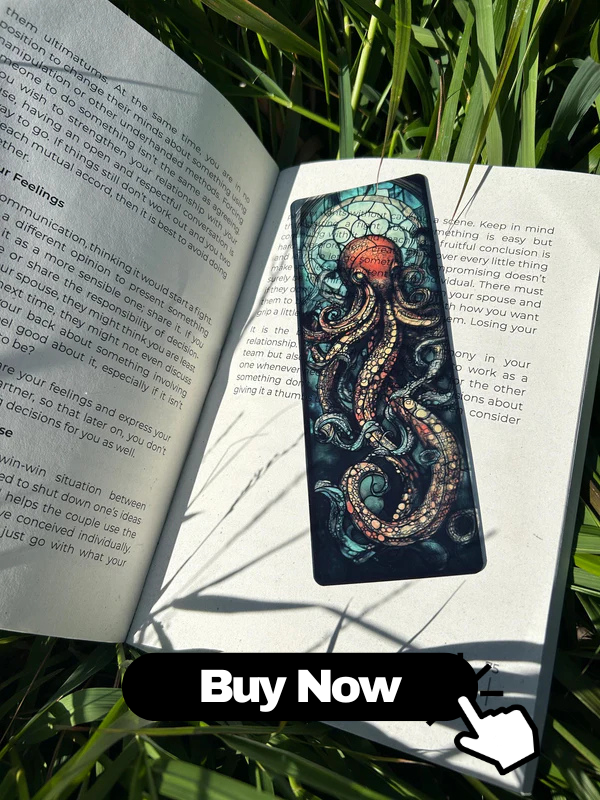
For passionate readers, few things are more frustrating than losing your place in a book. A reliable bookmark is more than a strip of paper—it’s a practical reading tool that protects your pages, preserves your progress, and even expresses your personality. This comprehensive guide explores the best bookmarks for readers who want a reliable page marker, how to choose the right one for your needs, and which bookmark features matter most for durability, usability, and comfort.
Why Reliable Bookmarks Matter
A reliable bookmark might seem like a small detail, but it has a big impact on the overall reading experience. From protecting your books to saving you time, a dependable page marker offers several important benefits.
- Prevents dog-earing pages: A sturdy bookmark eliminates the need to fold page corners, helping you keep books in excellent condition.
- Saves your exact place: A well-designed page marker stays put, so you can open your book and start reading immediately from where you stopped.
- Reduces page damage: Thin, smooth bookmarks prevent tearing, creasing, or indentations that can occur when using bulky or improvised markers.
- Improves reading consistency: Reliable bookmarks encourage you to pick up your book more often, since you never waste time searching for the right page.
- Adds personal style: Many readers choose bookmarks that reflect their tastes—literary quotes, favorite colors, or fandom designs.
For collectors, students, and everyday book lovers, investing in high-quality bookmarks for readers is a simple way to upgrade reading comfort and protect a personal library.
Key Features of a Reliable Page Marker
Not every bookmark works equally well. The best reliable page markers share a few core characteristics that keep them secure, practical, and gentle on your books.
-
Secure fit: A reliable bookmark should stay in place even when the book is moved, stored upright, or carried in a bag.
- Look for magnetic bookmarks or clip-on bookmarks if your books travel with you frequently.
-
Thin profile: Bulky bookmarks can bend spines or leave dents.
- Choose bookmarks that are slim and flexible, especially for paperbacks and tightly bound books.
-
Non-damaging material: The surface should be smooth and free from sharp edges that could scratch pages.
- Papers with rounded corners, soft plastics, and coated cardstock are gentle options.
-
Visibility: A good page marker is easy to find at a glance.
- Consider bookmarks with bright colors, tassels, or tabs that peek out of the book.
-
Durability: Frequent readers need bookmarks that can withstand constant use.
- Water-resistant coatings, laminated finishes, and sturdy fabrics keep bookmarks from fraying or tearing.
- Comfort in hand: Since you touch your bookmark every time you read, it should feel pleasant and easy to handle.
Types of Bookmarks for Readers
There are many types of bookmarks for readers who want a reliable page marker, each with its own pros and cons. Choosing the right style depends on how and where you read.
1. Traditional Cardstock Bookmarks
These are the classic bookmarks most readers recognize: flat strips of thick paper or card.
-
Pros:
- Lightweight and easy to slip between pages
- Often inexpensive or free (from bookstores or libraries)
- Can be customized with quotes, artwork, or branding
-
Cons:
- May bend or crease over time
- Can slide out if the book is jostled
2. Magnetic Bookmarks
Magnetic bookmarks fold over the top of a page and close using embedded magnets, providing a very secure page marker.
-
Pros:
- Stay firmly attached to the page
- Ideal for commuters and travelers
- Compact and thin, with minimal bulk
-
Cons:
- Very strong magnets may leave slight impressions on thin pages
- Smaller designs can be easy to misplace if not stored carefully
3. Ribbon and Tassel Bookmarks
Ribbon bookmarks or string bookmarks often feature a tassel or charm that hangs outside the book, making it easy to spot your place.
-
Pros:
- Elegant look, often used in journals and classic editions
- Tassel or charm stands out visually on a shelf
- Soft materials are gentle on pages
-
Cons:
- Can get tangled in bags or backpacks
- If too thick, may slightly warp the spine over time
4. Elastic Band Bookmarks
Elastic bookmarks wrap around the entire book, holding it firmly closed and marking your page at the same time.
-
Pros:
- Very secure for carrying books on the go
- Often used with planners and notebooks
- Helps keep loose papers or notes inside the book
-
Cons:
- May feel tight on delicate or older books
- Some designs cover the cover art when stored
5. Corner Bookmarks
Corner bookmarks slip over the corner of a page, forming a triangular pocket that hugs the paper.
-
Pros:
- Secure fit that doesn’t easily fall out
- Compact and stylish, often made from paper, fabric, or leather
- Good for marking multiple places with several corner markers
-
Cons:
- Improper sizing can stress or crease page corners
- Some designs are too thick for thin or fragile pages
6. Clip Bookmarks and Metal Page Clips
Clip bookmarks attach to the page like a paperclip, sometimes with decorative tops.
-
Pros:
- Stay securely attached to a single page
- Metal clips can be extremely durable
- Good for textbooks and reference materials
-
Cons:
- Sharp or poorly finished edges can mark pages
- Can leave slight dents if the clip is too tight
7. Digital-Friendly Hybrid Bookmarks
Some modern bookmarks incorporate QR codes or NFC tags that link to reading notes, book reviews, or digital annotations.
-
Pros:
- Blend physical reading with digital tools
- Perfect for students, researchers, or book bloggers
-
Cons:
- More expensive than basic bookmarks
- Unnecessary for readers who prefer purely offline reading
Best Bookmarks for Specific Reading Styles
Different readers have different habits. The most reliable bookmarks will match how and where you usually read.

For Commuters and Travelers
-
Best options:
- Magnetic bookmarks
- Elastic band bookmarks
- Secure clip bookmarks
-
Why:
- They stay in place inside bags or backpacks.
- They resist slipping, even when the book is jostled.
For Students and Researchers
-
Best options:
- Thin magnetic markers for multiple sections
- Color-coded clip bookmarks
- Sticky-tab style markers (used carefully)
-
Why:
- Make it easy to reference multiple chapters or sections.
- Allow annotation and note mapping without losing your place.
For Casual Home Readers
-
Best options:
- Traditional cardstock bookmarks
- Ribbon or tassel bookmarks
- Corner bookmarks
-
Why:
- Easy to use and aesthetically pleasing.
- Offer a touch of personalization and decoration on the shelf.
For Collectors and Book Aesthetes
-
Best options:
- Leather bookmarks
- Handmade or artisan bookmarks
- Archival-quality paper or fabric markers
-
Why:
- High-end materials match the value of special editions.
- Gentle designs preserve the condition of collectible books.
Materials and Durability
The material of your bookmark directly affects its reliability, comfort, and longevity. Below are common bookmark materials and what they offer.
Paper and Cardstock
-
Advantages:
- Lightweight, thin, and widely available
- Ideal for printing designs, text, or artwork
- Often recyclable and eco-friendly
-
Considerations:
- Uncoated paper can absorb moisture and stain easily.
- Lamination improves durability but reduces recyclability.
Plastic
-
Advantages:
- Resistant to water and tearing
- Can be made very thin yet durable
- Good for transparent or decorative designs
-
Considerations:
- Not always eco-friendly unless made from recycled plastic.
- Sharp edges need smoothing to avoid page damage.
Metal
-
Advantages:
- Extremely long-lasting
- Elegant and premium look (brass, stainless steel, etc.)
- Often engraved or laser-cut with intricate designs
-
Considerations:
- Heavier than paper or plastic bookmarks.
- Edges must be smooth to avoid denting or scratching pages.
Fabric and Ribbon
-
Advantages:
- Soft and gentle on book pages
- Flexible, easy to position between pages
- Available in many patterns and textures
-
Considerations:
- Can fray if not finished properly.
- Absorbs oils and dirt from hands over time.
Leather
-
Advantages:
- Durable and long-lasting with a classic look
- Soft enough to protect pages
- Often develops a pleasant patina over time
-
Considerations:
- Not suitable for those avoiding animal products unless faux leather is used.
- Can be more expensive than other materials.
How to Choose the Right Bookmark
When selecting bookmarks for readers who want a reliable page marker, consider these practical points to ensure your choice fits your reading life.
-
Analyze your reading environment
- If you mainly read at home, appearance and comfort may matter more than maximum security.
- If you read on trains, buses, or airplanes, choose secure, non-slip designs like magnetic or elastic bookmarks.
-
Match the bookmark to the book type
- Paperbacks: Thin, flexible bookmarks to avoid spine damage.
- Hardcovers: Slightly heavier or decorative bookmarks are fine.
- Textbooks: Multiple markers, color-coded clips, or magnetic strips.
-
Consider your reading habits
- If you leave books open face-down (which can damage spines), opt for a bookmark that encourages closing the book, such as an elastic band style.
- If you frequently switch between books, choose bookmarks that stand out visually so you can quickly find your place in each one.
-
Evaluate durability vs. price
- Inexpensive paper bookmarks are fine for light use or lending out books.
- Invest in stronger materials for daily use or cherished books.
-
Think about aesthetics and personalization
- Bookmarks with literary quotes, favorite characters, or minimalist designs can make reading more enjoyable.
- Personalized bookmarks with your name or monogram help prevent loss.
Care and Maintenance of Bookmarks
Even the most robust bookmarks need some care to stay reliable and safe for your books.
- Store bookmarks flat: Keep them in a small box, case, or drawer so they don’t bend or warp.
- Avoid moisture: Keep paper, fabric, and leather bookmarks away from spills, humidity, and direct sunlight.
-
Clean periodically:
- Wipe plastic and metal bookmarks with a soft, dry cloth.
- Use a slightly damp cloth for leather, followed by a dry one, and condition occasionally if needed.
- Check edges: If you notice any sharp or frayed edges, trim or file them gently to prevent page damage.
- Retire damaged markers: Replace any bookmark that has become warped, broken, or rough enough to risk harming your books.
DIY Bookmarks for Reliable Page Marking
Creating your own bookmark can be both enjoyable and practical. With the right materials, DIY bookmarks can be just as reliable as store-bought options.
Simple Laminated Paper Bookmark
- Cut a strip of sturdy paper or light cardstock.
- Decorate it with drawings, quotes, or printed images.
- Laminated it using self-adhesive laminating sheets or a laminator.
- Round the corners with scissors to prevent page scratching.
Corner Bookmark from Paper
- Use a square piece of paper (origami paper works well).
- Fold it into a triangle and create a pocket design that slips over the page corner.
- Secure any loose edges with a small amount of glue or tape.
- Decorate with simple patterns to keep bulk minimal.
Ribbon Bookmark with Charm
- Cut a length of ribbon slightly longer than your average book height.
- Seal the ends with clear nail polish or heat (for synthetic ribbons) to prevent fraying.
- Attach a small charm or bead to one end using a jump ring or strong thread.
- Place the ribbon inside the book, letting the charm hang outside the bottom.
When making DIY bookmarks, keep thickness, smoothness, and stability in mind to ensure you end up with a truly reliable page marker.
Bookmarks as Gifts for Avid Readers
If you are looking for a thoughtful, affordable gift, high-quality bookmarks for readers are a smart choice.
- Personalized bookmarks: Add names, initials, or favorite book quotes for a custom touch.
- Themed sets: Choose designs based on genres (fantasy, mystery, romance), fandoms, or color schemes.
- Collector’s bookmarks: Metal, leather, or artisan-crafted bookmarks make great gifts for serious book lovers.
- Bookmark and book bundle: Pair a new novel with a stylish, reliable bookmark for a complete reading gift.
Because they are small, light, and meaningful, bookmarks are ideal for holidays, book club events, teacher appreciation, or just-because gifts.
Eco-Friendly and Sustainable Bookmarks
Environmentally conscious readers can choose eco-friendly bookmarks that are both reliable and sustainable.
- Recycled paper bookmarks: Made from post-consumer recycled materials and often printed with eco-conscious inks.
- Bamboo or wood bookmarks: When sourced responsibly, these provide durability with a natural aesthetic.
- Fabric scraps and upcycled materials: Turn leftover fabric, denim, or gift wrap into attractive DIY bookmarks.
- Minimalist designs: Fewer embellishments and coatings make bookmarks easier to recycle or compost.
By choosing sustainable materials, you support eco-friendly reading habits while still enjoying a dependable page marker.
Common Bookmark Mistakes to Avoid
Even with the best intentions, some bookmark habits can unintentionally damage books or reduce reliability. Avoid these common mistakes:
-
Using random objects as bookmarks:
- Thick items like pens, keys, or bulky clips can stretch spines and mark pages.
- Receipts with thermal ink may transfer ink onto the paper.
-
Choosing bookmarks that are too heavy:
- Overly heavy metal bookmarks can pull pages or fall out while carrying the book.
-
Using sticky notes directly on pages for long-term marking:
- Adhesive can leave residue or tear delicate pages when removed.
-
Placing bookmarks at odd angles:
- Always insert the bookmark straight, aligned with the spine, to avoid bending corners.
-
Overstuffing books with multiple thick markers:
- Too many bulky bookmarks can warp the book and strain the binding.
Final Thoughts on Reliable Page Markers
A dependable bookmark does much more than hold your spot—it protects your books, supports better reading habits, and turns every reading session into a more organized, enjoyable experience. Whether you prefer magnetic bookmarks for secure page marking, elegant ribbons, or minimalist cardstock, choosing a design that is thin, durable, and gentle on pages will serve you well over countless chapters.
By understanding the different types of bookmarks for readers who want a reliable page marker, paying attention to materials, and avoiding common mistakes, you can build a small collection of bookmarks that perfectly match your reading style. Invest in one or two high-quality options—or create your own—and you’ll never have to hunt for your lost page again.