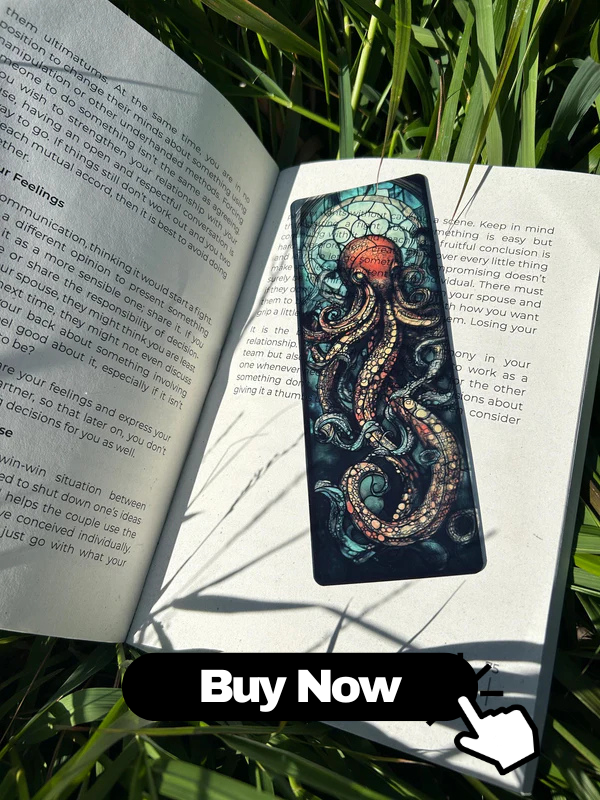
Protecting your favorite books from dog-eared pages, cracked spines, and ink smudges starts with one surprisingly powerful tool: the right bookmark. For readers who want to keep their books in pristine condition, choosing and using book-friendly bookmarks can make a significant difference. This detailed guide explores the best types of bookmarks for book protection, how to use them without damaging pages, and what features to look for if you care about preserving your collection for years to come.
Why Bookmarks Matter for Book Protection
For readers who treasure their collections, bookmarks are more than just placeholders. They are simple, everyday tools that can either preserve or quietly damage a book over time. Using well-designed, book-safe bookmarks helps to:
- Prevent dog-eared pages and torn corners
- Reduce stress on the spine and binding
- Avoid ink transfer, staining, or discoloration
- Protect the book from bulging caused by thick or bulky objects
- Maintain resale value and collectability of special editions
When people talk about book protection, they often think about covers and sleeves, but bookmarks for readers who want to protect their books are just as important. Choosing the right style, material, and size can keep your pages flat, clean, and beautifully intact.
Problems with Dog-Earing and Improvised Markers
Many readers mark their place with whatever they have nearby: receipts, pens, hair ties, or by folding the page itself. While convenient, these habits can seriously harm your books over time.
Why Dog-Earing Damages Books
- Permanent creases: Folding the corner of a page breaks the paper fibers, creating a visible, often permanent line.
- Weakened paper: Repeated folding and unfolding gradually weakens the corner, making it prone to tearing or snapping off.
- Visual clutter: Multiple dog-eared pages quickly make a book look worn and neglected, especially on glossy or thin paper.
Risks of Improvised Bookmarks
Common everyday items might seem harmless, but they can lead to unexpected damage:
-
Bulky objects (pens, pencils, keys):
- Stretch the binding and strain the spine
- Cause the book to close unevenly
- Leave impressions or dents in the paper
-
Sticky notes and tape:
- Adhesives can pull fibers from the page when removed
- Over time, sticky residues cause discoloration and staining
-
Food wrappers, leaves, flowers:
- May contain oils that transfer onto paper
- Organic material can attract insects or mold in long-term storage
-
Metal clips or paperclips:
- Can rust and stain the pages
- Leave deep imprints and sometimes tear thin paper
Switching from improvised placeholders to purpose-designed bookmarks that protect books is an easy upgrade that pays off in better page condition and a longer book lifespan.
Key Features of Bookmarks That Protect Books
Not all bookmarks are equal. Some decorative designs may look attractive but can still harm delicate pages. When shopping for bookmarks for book lovers who want to preserve their books, look for the following protective features.
1. Thin, Flat Profile
- Why it matters: A thin bookmark creates less bulk between pages, minimizing stress on the spine and binding.
- Ideal thickness: Roughly the thickness of a standard playing card or thinner.
- Watch out for: Heavy wooden, resin, or thick leather bookmarks that create a gap when the book is closed.
2. Smooth, Non-Abrasive Edges
- Smooth edges: Prevent scratches, tears, or indentations on the paper.
- Rounded corners: Are generally safer than sharp, pointed ends.
- No rough texture: Avoid overly textured or glittery surfaces that may rub off onto pages.
3. Non-Transferable Ink and Dyes
- Colorfast printing: Ensure the design will not smudge or rub color onto your pages.
- Acid-free materials: Particularly important for long-term use or in archival settings.
- Test tip: Place the bookmark overnight in an older paperback; check in the morning for color transfer.
4. Proper Size for Your Books
- Length: A bookmark should be long enough to be easily grabbed, but not so long that it bends or sticks out excessively.
- Width: It should mark your place without covering the entire page or causing noticeable bulges.
- Fit by format: Use slightly larger bookmarks for textbooks and hardcovers, and smaller, thin bookmarks for paperbacks.
5. Gentle Page Grip (If Any)
- Optional clips or magnets: Can be helpful, but must be designed to avoid pinching or tearing pages.
- Soft lining: On magnetic bookmarks, a soft coating where it touches paper reduces risk of indentation.
- No sharp pressure points: Avoid aggressive clamps or stiff clips that leave marks.
Best Types of Bookmarks for Protecting Books
Several bookmark styles are particularly well-suited to readers who want to preserve and protect their books. Here are some of the best options, along with their pros and cons.
1. Classic Flat Paper Bookmarks
Best for: Everyday reading, paperbacks, and general book care.
-
Advantages:
- Lightweight and thin
- Little to no pressure on the binding
- Easy to replace if damaged
- Often made from acid-free cardstock
-
Potential drawbacks:
- Less durable than metal or laminated options
- May bend if stored carelessly
2. Laminated Bookmarks
Best for: Readers who want durability while still protecting pages.
-
Advantages:
- Resistant to moisture and dirt
- Edges can be smoothly rounded for added safety
- Ideal for long-term or heavy daily use
-
Potential drawbacks:
- Can be slightly thicker than plain paper
- Cheap lamination may have sharp or rough edges if not trimmed properly
3. Magnetic Bookmarks (Used Carefully)
Best for: Commuters, students, and readers who carry books in bags.
-
Advantages:
- Clip securely to the page, so they are less likely to fall out
- Helpful for marking exact lines or passages
- Stay in place during travel or in backpacks
-
Potential drawbacks:
- Can leave slight impressions on very thin or delicate paper
- Magnets that are too strong may stress the page when removed
- Not ideal for rare or fragile books
Protection tip: Choose thin magnetic bookmarks with a soft, smooth inner surface and use them closer to the page margin rather than the center to reduce pressure.
4. Ribbon Bookmarks
Best for: Hardcovers, journals, and Bibles that may already have attached ribbons.
-
Advantages:
- Extremely gentle on pages
- Very thin, adding almost no bulk
- Can be custom-sewn or attached to book covers or slipcases
-
Potential drawbacks:
- Loose ribbons may fall out if not secured at the top
- Certain dyes may transfer if the ribbon gets wet
5. Thin Metal Bookmarks (Used with Care)
Best for: Readers who love durable, long-lasting bookmarks and mostly use sturdier paper.
-
Advantages:
- Highly durable and long-lived
- Do not absorb oils or moisture
- Can be very thin if well-designed
-
Potential drawbacks:
- Metal edges can scratch or indent paper if not smooth
- Heavier than paper, so may slide forward if the book is held vertically
- Not recommended for extremely delicate or antique pages
Protection tip: Only choose smooth, rounded, and thin metal bookmarks; avoid ornate cut-out designs with sharp inner edges.
6. Corner Bookmarks (Soft and Flexible Types)
Best for: Casual reading where you want to mark a specific corner without folding it.
-
Advantages:
- Prevent dog-earing by covering, not folding, the corner
- Can be very slim and gentle when made from soft material
-
Potential drawbacks:
- Overly tight corner sleeves can crease or warp the page
- Bulky materials may distort the corner over time
Protection tip: Choose soft, flexible paper or fabric corner bookmarks, not stiff leather or hard plastic versions that squeeze the page.
Bookmark Materials to Choose and Avoid
The material of a bookmark has a direct impact on how well it preserves—or damages—your books.
Recommended Materials for Book-Safe Bookmarks
-
Acid-free cardstock:
- Stable, inexpensive, and gentle on pages
- Ideal for most readers and everyday use
-
Quality paper with a smooth finish:
- Reduces friction when inserting or removing the bookmark
- Less likely to flake or shed fibers
-
Soft fabric or ribbon:
- Very thin and lightweight
- Excellent for delicate pages and sewn-in bookmarks
-
Properly laminated paper:
- Durable, easy to wipe clean
- Good for books used in kitchens or outdoors
Materials to Use Cautiously or Avoid
-
Thick leather:
- Looks attractive but can be too bulky
- May press against the spine of smaller books
-
Rough wood or resin:
- Often thick and rigid
- Edges may catch or scratch paper
-
Glitter or textured coatings:
- Glitter can flake and stick to pages
- Rough surfaces increase friction and potential damage
-
Unfinished metal:
- Risk of rust or tarnish over time
- May leave discoloration or marks on paper
How to Use Bookmarks Without Damaging Your Books
Even the most book-friendly bookmark can cause problems if used incorrectly. To fully protect your books, combine safe materials with gentle habits.
Step-by-Step: Inserting a Bookmark Safely
- Close the book slightly so the pages align evenly.
- Slide the bookmark in from the outer edge, not from the top down.
- Place it between pages without forcing it deep into the binding.
- Ensure the bookmark lies flat and does not crumple any corners.
- Close the book fully, checking that no part of the bookmark is bent awkwardly.
Removing a Bookmark Gently
- Open the book slowly to the bookmarked page.
- Lift the bookmark away from the page corner instead of dragging it out.
- For magnetic bookmarks, separate them carefully without pulling hard on the page.
- Store the bookmark flat if you are not reusing it immediately.
Habits to Avoid
- Do not slam a book shut with a thick bookmark inside; this increases spine pressure.
- Do not store books face down with the bookmark sticking out; this can deform both pages and bookmark.
- Avoid stacking heavy books on top of a very small book containing a bulky bookmark.
Bookmarks for Collectors and Rare Book Owners
If you collect first editions, signed copies, or antique books, your bookmark choices are even more critical. The wrong material or design can decrease a book’s value or cause irreversible damage.
Best Bookmark Practices for Collectible Books
- Use archival-quality, acid-free paper bookmarks with smooth edges.
- Avoid any bookmark with adhesives, magnets, or metal components.
- Do not leave bookmarks in books stored for long periods; remove them before placing books in storage.
- Keep bookmarks dry and away from direct sunlight to prevent color transfer and fading.
When to Avoid Using Bookmarks Entirely
In some rare cases, the safest option is not to insert anything between the pages at all:
- Very fragile, brittle paper in antique volumes
- Books with already compromised bindings
- Extremely thin, almost translucent pages (such as in some fine art or archival editions)
For these, consider keeping notes externally or using a book cradle and reading in shorter sessions rather than leaving a placeholder inside.
DIY Bookmarks That Are Safe for Books
If you enjoy crafting or want custom bookmarks that protect your books, you can create your own using book-safe materials.
Simple DIY Paper Bookmark
- Choose acid-free cardstock or smooth scrapbook paper.
- Cut a rectangle roughly 5–6 inches long and 1–2 inches wide.
- Round the corners using scissors or a corner punch to avoid sharp edges.
- Decorate with:
- Water-based markers (test for bleed-through first)
- Colored pencils
- Stickers that are flat and non-metallic
- Optional: Laminate lightly to increase durability, then trim and round the corners again.
DIY Ribbon Bookmark
- Select a soft, non-fraying ribbon about 1/4–1/2 inch wide.
- Cut to a length slightly longer than your average book height.
- Seal the ends by:
- Using a small amount of clear nail polish, or
- Folding and stitching a tiny hem
- Avoid adding bulky charms or beads to the end that goes inside the book.
DIY Corner Bookmark (Book-Safe Version)
- Use lightweight, smooth paper (not thick cardboard).
- Fold into a right-angled triangle that slips gently over the page corner.
- Ensure the inner pocket is slightly loose to avoid squeezing the paper.
- Decorate only the outside; keep the inside smooth and untextured.
Organizing Your Reading with Multiple Bookmarks
Many readers juggle several books at once or mark multiple locations within a single book. Multiple bookmarks, when used thoughtfully, can still be safe for your books.
Using Multiple Bookmarks in One Book
- Limit yourself to 2–3 flat bookmarks per book to avoid excess thickness.
- Place bookmarks at different vertical positions (top, middle, bottom) to distribute pressure.
- Avoid stacking several bookmarks on the same page or section.
Color-Coding and Labeling
- Use different colored bookmarks for:
- Main reading position
- Important references or quotes
- Indexes, glossaries, or appendices
- Write short, non-ink-heavy labels on the bookmark itself rather than on the page.
Caring for Your Bookmarks
Proper bookmark care helps you protect your books more effectively and ensures your bookmark collection lasts.
Storage Tips
- Keep bookmarks flat in a small box, envelope, or drawer.
- Avoid stacking heavy objects on top of delicate paper bookmarks.
- Store away from moisture, food, and direct sunlight.
Cleaning and Maintenance
- Paper bookmarks: Gently dust with a soft cloth; avoid liquid cleaners.
- Laminated bookmarks: Wipe lightly with a barely damp cloth, then dry immediately.
- Metal bookmarks: Use a soft cloth; avoid harsh chemicals that might later transfer residues onto pages.
Frequently Asked Questions About Safe Bookmarks
Are magnetic bookmarks bad for books?
Not necessarily. Thin magnetic bookmarks with gentle magnets are safe for most modern books. Problems arise when magnets are too strong, thick, or used on delicate paper. For rare and archival books, it is safer to avoid any magnetic bookmark.
Can I leave a bookmark in a book long-term?
For general reading copies, leaving a clean, acid-free bookmark inside is usually fine. For archival or collectible books, it is better to remove bookmarks before long-term storage to avoid indentations or potential color transfer over time.
Are metal bookmarks safe for thin pages?
They can be, but caution is needed. If the metal is thin, smooth, and rounded, it is generally safe for standard pages. For very thin or old paper, paper or ribbon bookmarks are safer choices.
What is the safest type of bookmark overall?
For most readers, the safest and most versatile option is a thin, acid-free paper or cardstock bookmark with smooth, rounded edges and non-transferable ink. It provides reliable page marking with minimal risk to the book.
Final Thoughts on Bookmarks That Protect Books
For readers who value their collections, bookmarks are essential tools for book protection. By choosing thin, smooth, and book-safe bookmarks, and by using them correctly, you can prevent dog-eared pages, reduce stress on bindings, and keep your books looking fresh and well cared for.
Whether you prefer simple paper bookmarks, elegant ribbons, or thoughtfully designed magnetic markers, the key is to prioritize gentle materials, minimal bulk, and careful handling. With the right bookmarks, your books will not only remain easier to read and navigate but will also stay beautiful for years—making every page you mark a step toward better book preservation.