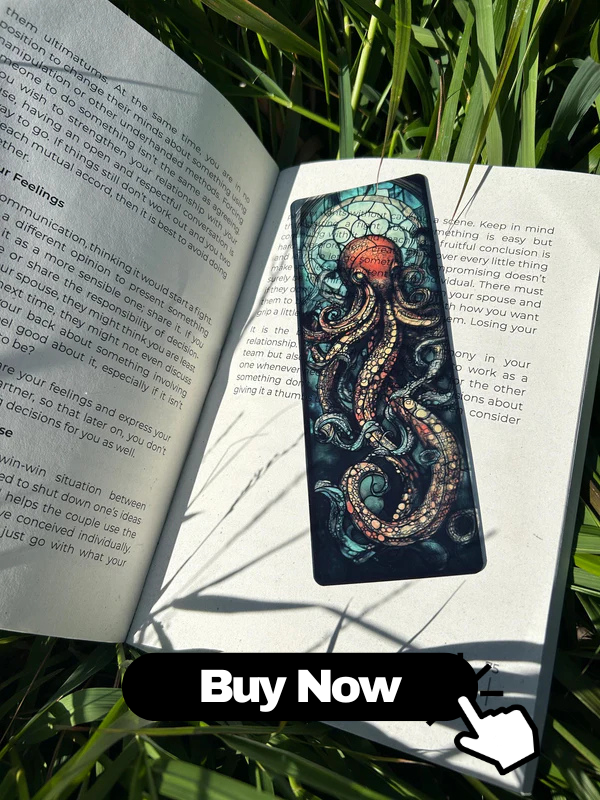
Encouraging children to read regularly can be a challenge in today’s digital world. One surprisingly powerful and fun tool that can help is the humble bookmark. Fun bookmarks—colorful, themed, interactive, or personalized—can turn reading into an exciting adventure and give kids a tangible reason to return to their books. This detailed guide explores how fun bookmarks motivate kids to read more, why they work from a motivational and developmental perspective, and how parents, teachers, and librarians can use them as an effective reading incentive and literacy tool.
Why Fun Bookmarks Matter for Children’s Reading Habits
At first glance, a bookmark looks like a small accessory. But for children, fun bookmarks can become powerful motivators that encourage consistent reading and positive associations with books. In a world full of screens, games, and instant entertainment, simple tools that make books feel special are incredibly valuable.
Key reasons fun bookmarks matter for kids:
- They make books feel personal: A child’s favorite character or color on a bookmark helps them feel that the book “belongs” to them.
- They create anticipation: Kids are more likely to return to a book when they enjoy moving their bookmark forward.
- They support reading routines: Using a bookmark at bedtime, after school, or during quiet time can signal a regular reading habit.
- They add playfulness to literacy: When reading is associated with cute, silly, or creative bookmarks, it feels less like a chore and more like a game.
- They respect the child’s effort: A special bookmark is a visible sign that reading time is important and worth celebrating.
In terms of children’s literacy development, small tools that increase motivation can have a large long‑term impact. The more a child reads, the more vocabulary they gain and the stronger their comprehension becomes.
The Psychology Behind Fun Bookmarks and Reading Motivation
To understand how fun bookmarks motivate kids to read more, it helps to look at a few basic psychological principles about motivation and habit‑building.
Intrinsic vs. Extrinsic Motivation
- Intrinsic motivation is when a child reads because they enjoy the story, characters, or knowledge.
- Extrinsic motivation is when a child reads for a reward—like stickers, prizes, or praise.
Fun bookmarks sit in a helpful middle ground:
- They are a small extrinsic reward (kids love collecting and using them).
- But they also enhance the intrinsic experience by making reading time visually appealing and more enjoyable.
Visual Cues and Reading Habits
Bookmarks act as strong visual and physical cues:
- Seeing a bright bookmark peeking out of a book reminds kids, “I’m in the middle of a story.”
- Moving the bookmark forward gives a small feeling of progress, similar to finishing levels in a game.
- Colorful and tactile designs can make kids want to open the book just to handle the bookmark.
Sense of Ownership and Identity
When children choose their own bookmarks, they are expressing identity and taste. This increases:
- Ownership of their reading journey
- Pride in their books and reading space
- Willingness to return to books that feel “theirs”
This combination of visual appeal, physical interaction, and personal identity makes fun bookmarks a subtle but powerful literacy tool.
Types of Fun Bookmarks That Inspire Kids to Read More
Not all bookmarks are equally exciting for children. Certain designs and features are especially effective for motivating kids to read regularly.
1. Character and Theme Bookmarks
Kids are often deeply attached to specific characters, series, or themes:
- Popular book characters (wizards, superheroes, talking animals)
- Movie and TV characters they already love
- Themes like space, dinosaurs, unicorns, sports, or fairies
Why they work: When a bookmark features a beloved character, children feel a stronger connection to the book and are more eager to come back.
2. Interactive and 3D Bookmarks
- Bookmarks with moving parts (sliders, spinning wheels)
- 3D pop‑up bookmarks that stand up above the pages
- Magnetic bookmarks that “clip” onto the page
These designs add a physical, playful element that turns marking pages into a mini activity.
3. Personalized Bookmarks with Names or Photos
Personalization greatly increases engagement:
- Bookmarks printed with the child’s name
- Bookmarks that include a photo of the child or a family picture
- Custom designs made from the child’s own artwork
Personalized bookmarks make kids feel special and valued, sending the message that their reading time matters.
4. DIY and Craft Bookmarks
When kids create their own bookmarks, they build a deeper connection to their reading tools:
- Paper bookmarks decorated with crayons, markers, and stickers
- Corner bookmarks folded from origami paper
- Bookmarks made from felt, foam, or craft sticks
The act of crafting builds anticipation: once kids finish their bookmark, they want to use it in a book immediately.
5. Educational Bookmarks
Bookmarks can quietly support learning while staying fun:
- Alphabet or phonics bookmarks for early readers
- Bookmarks with reading strategies (e.g., “Ask yourself: What just happened?”)
- Bookmarks that list common sight words or vocabulary
- Math‑themed bookmarks with number lines or multiplication tables
These designs blend motivation with learning, making them especially useful for teachers and parents.
6. Reading Tracker and Progress Bookmarks
Some bookmarks are designed specifically to track reading:
- Bookmarks with checklists for chapters or pages
- Bookmarks with spaces to write the date and page number
- Bookmarks that double as reading logs
These bookmarks turn reading into a small daily challenge and give kids a sense of achievement.
How Parents Can Use Bookmarks to Encourage Reading at Home
Parents can turn fun bookmarks into a simple, ongoing reading incentive program at home.
1. Let Children Choose Their Own Bookmarks
- Offer a small collection and let your child pick their favorite.
- Allow them to switch bookmarks when they start a new book.
- Use bookmark choices as a way to talk about what they like to read.
Choice increases motivation and makes reading feel like a personal decision, not an obligation.
2. Create a “Reading Kit” with Special Bookmarks
Assemble a small reading basket or box that might include:
- A few age‑appropriate books
- 2–3 fun bookmarks
- A small reading light or cozy blanket
- Notebook and pencil for drawing or writing about stories
This “reading kit” transforms ordinary reading time into a special ritual.
3. Use Bookmarks to Build Reading Routines
- Have a dedicated bedtime bookmark that your child uses every night.
- Keep a bookmark in a book that lives in the car for travel and errands.
- Use different bookmarks for weekend reading versus school‑night reading.
These cues help children understand that reading is a regular part of daily life.
4. Reward Reading Progress with New Bookmarks
Instead of toys or screen time, use bookmarks as small rewards:
- Finish a chapter book → earn a new themed bookmark.
- Read every day for a week → choose a special personalized bookmark.
- Try a new genre (poetry, nonfiction) → unlock a “genre explorer” bookmark.
This approach reinforces the idea that reading itself leads to fun and recognition.
5. Turn Bookmark Use into Conversation Starters
Ask open‑ended questions connected to the bookmark:
- “Your bookmark has a dragon on it—does your book have any magical creatures?”
- “You picked the space bookmark today. What’s happening in your story’s world?”
- “Let’s move your bookmark forward. What do you think will happen next?”
This naturally supports reading comprehension and verbal skills.
Using Fun Bookmarks in the Classroom and School Library
Teachers and librarians can use fun bookmarks as part of a broader reading motivation strategy and literacy program.
1. Welcome Bookmarks for New Students or Library Visitors
- Give each new student a bookmark on the first day of school.
- Hand out library bookmarks with return dates and reading tips.
- Use bookmarks to introduce library rules in a friendly way.
2. Themed Bookmarks for Reading Units
Match bookmarks to what the class is studying:

- Animal bookmarks for a nonfiction animal unit
- Historical figure bookmarks during history month
- Poetry‑quote bookmarks during a poetry unit
This reinforces the theme and helps students feel part of a shared reading experience.
3. Bookmark-Based Reading Challenges
Ideas for bookmark‑centered school activities include:
- Reading BINGO bookmarks where students mark off different reading tasks.
- Goal bookmarks that list a personal reading target for the month.
- “Mystery bookmark” rewards given in sealed envelopes for reading milestones.
4. Classroom Management and Book Care
Bookmarks help keep books in good condition and teach responsibility:
- Teach students: “Use a bookmark, not dog‑eared pages.”
- Have a “bookmark station” for anyone who forgets theirs.
- Make students responsible for designing class bookmarks each term.
5. Bookmark-Making Literacy Centers
Teachers can include bookmark crafts in literacy centers:
- Design a bookmark about your favorite character.
- Create a bookmark that uses at least five new vocabulary words.
- Draw a scene from your current book on a blank bookmark template.
These activities integrate art, writing, and reading in one project.
DIY Bookmark Ideas Kids Will Love
Homemade bookmarks are not only cost‑effective but also deeply engaging for kids. Creating bookmarks becomes part of the reading experience.
Simple Paper Bookmarks
- Cut cardstock or thick paper into strips.
- Let kids decorate with markers, crayons, or watercolor.
- Add stickers, washi tape, or doodles of favorite characters.
- Laminate (optional) for durability.
Corner Bookmarks (Origami Style)
- Use square paper and fold into a triangle pocket.
- Decorate as animals (cats, foxes, monsters), emojis, or story characters.
- Slide onto the corner of the page to mark the spot.
Ribbon and Button Bookmarks
- Attach a button, bead, or charm to one end of a ribbon.
- Use a paper clip or sewn loop to anchor it to the spine.
- Kids can choose colors that match their favorite books.
Educational DIY Bookmarks
Have kids create bookmarks that include:
- Three new vocabulary words and definitions
- A list of “questions to ask while reading”
- A mini reading goal, like “I will read 10 pages each day”
These DIY bookmark projects add a hands‑on, creative dimension to reading motivation.
Choosing Age‑Appropriate Bookmarks for Different Reading Levels
Different age groups respond best to different styles of bookmarks. Choosing the right type increases engagement and reading time.
Preschool and Early Readers (Ages 3–6)
- Bright colors and simple, bold images
- Durable materials (laminated, plastic, or foam)
- Simple characters: animals, shapes, familiar cartoon figures
- Bookmarks with their name in large print
Emergent and Elementary Readers (Ages 6–9)
- Character bookmarks tied to early chapter books and series
- Interactive or magnetic bookmarks
- Bookmarks with short motivational phrases: “Super Reader,” “Book Explorer”
- Simple reading tips (“Sound it out,” “Look at the picture for clues”)
Tweens and Middle Grade Readers (Ages 9–12)
- Bookmarks featuring fantasy, adventure, or science fiction themes
- Bookmarks with inspirational quotes about reading
- More subtle or stylish designs (galaxies, landscapes, abstract art)
- Reading tracker bookmarks for pages or chapters
Teens and Young Adults
- Minimalist or aesthetic designs that match their personal style
- Quote bookmarks from favorite authors or novels
- Bookmarks that double as study aids (annotation guides, note prompts)
Matching bookmark styles to age and interest makes it more likely that kids will actually use them and read more consistently.
How Fun Bookmarks Support Reading Skills and Comprehension
Fun bookmarks do more than just mark a page—they can subtly support reading skills and comprehension strategies.
1. Supporting Comprehension with Prompt Bookmarks
Create or buy bookmarks that include prompts such as:
- “Who are the main characters?”
- “Where is the story taking place?”
- “What problem are the characters facing?”
- “What do you think will happen next?”
Each time the child moves their bookmark, they can pick one prompt to answer.
2. Building Vocabulary with Themed Bookmarks
- Bookmarks that list new or challenging words from the book
- Space to write new vocabulary discovered while reading
- Picture‑word bookmarks for early readers learning sight words
3. Encouraging Fluency and Stamina
- Set a small reading target (e.g., “Move your bookmark 10 pages each day”).
- Use progress bookmarks to visually show how much they have read.
- Celebrate when they reach the end of the bookmark or book.
This builds reading stamina over time.
4. Supporting Organization and Focus
Bookmarks help kids:
- Remember where they left off without re‑reading or losing their place.
- Keep multiple books organized (school book, home book, library book).
- Feel less overwhelmed by long texts, as bookmarks break the book into manageable sections.
Bookmark Reward Systems to Build Long‑Term Reading Habits
Structured reward systems built around fun bookmarks for kids can turn occasional reading into a consistent habit.
Simple Bookmark Reward Ideas
- Bookmark Ladder: For every finished book, the child earns one new bookmark and adds it to a “ladder” on their wall.
- Bookmark Badges: Create bookmarks that serve as badges: “First Chapter Book,” “Poetry Reader,” “Nonfiction Explorer.”
- Bookmark Mystery Box: Fill a box with wrapped bookmarks. Each reading goal unlocked allows the child to choose one.
Combining Bookmarks with Reading Logs
- Have a reading log with titles, dates, and page counts.
- Link milestones (e.g., 5 books read) to special “achievement bookmarks.”
- Let the child design or choose a new bookmark when they hit a large goal.
Family or Classroom Reading Challenges
- Everyone uses a different themed bookmark during a family reading month.
- Classrooms can have “Bookmark of the Week” for a student with outstanding reading effort.
- Hold a bookmark exchange day where kids trade designs tied to favorite books.
These systems use small, meaningful rewards instead of large prizes, keeping the focus on the joy of reading itself.
Digital vs. Physical Bookmarks: Why Tangible Wins for Kids
While e‑readers and reading apps use digital bookmarks, physical bookmarks are especially powerful for children.
Benefits of Physical Bookmarks
- Tactile experience: Kids can touch, hold, and move the bookmark.
- Visual reminder: A bookmark sticking out of a book on a shelf invites them to pick it up.
- Collectibility: Children love building collections, and bookmarks are easy to store and trade.
- Creativity: Physical bookmarks can be crafted and customized.
Using Both Digital and Physical Tools
For families using e‑books and print books:
- Encourage digital bookmarks for e‑readers.
- Use physical bookmarks for print books and library books.
- Let children design bookmarks inspired by digital stories they read.
Organizing and Displaying a Bookmark Collection
As kids collect more bookmarks, help them turn that collection into another motivator for reading.
Bookmark Storage Ideas
- A small decorative box labeled “My Bookmarks”
- A binder with clear plastic sleeves
- A hanging ribbon or string where bookmarks can be clipped
- A corkboard or bulletin board display
Encouraging Kids to Curate Their Collection
- Sort bookmarks by theme: animals, fantasy, sports, holidays.
- Keep “current reading” bookmarks in a special front pocket or jar.
- Retire old bookmarks as “trophies” for completed reading challenges.
This sense of collection and curation keeps reading motivation strong over time.
Tips for Buying Kid-Friendly Bookmarks Online
When shopping for fun bookmarks online, consider factors that affect durability, safety, and engagement.
What to Look For
- Durable materials: Laminated card stock, plastic, or magnetic designs.
- Rounded corners: Safer and less likely to bend or tear.
- Age‑appropriate graphics: Avoid overly dark or mature themes for younger kids.
- Bulk packs for classrooms: Ideal for teachers, libraries, and group activities.
- Personalization options: Names, photos, or custom messages.
Keywords to Use When Searching
To find the best options and support your own search engine visibility when you write about bookmarks, use combinations of SEO‑friendly keywords like:
- “fun bookmarks for kids”
- “cute children’s bookmarks”
- “personalized kids bookmarks”
- “reading motivation tools for children”
- “classroom reading rewards bookmarks”
These terms not only help you find products but also help content related to children’s reading motivation perform better online.
Frequently Asked Questions About Fun Bookmarks and Kids
Do fun bookmarks really make a difference in how much kids read?
Yes. While bookmarks alone will not teach a child to read, they act as consistent visual cues and small rewards that can increase how often children pick up their books. Over time, this added frequency supports stronger reading habits and skills.
Are bookmarks better than other reading rewards?
Bookmarks are a low‑cost, low‑pressure reward. Unlike candy or toys, they directly relate to reading and are less likely to distract from the primary goal: enjoying books. They are ideal for both home and classroom use.
How many bookmarks should a child have?
There is no strict rule, but many families and teachers find that:
- 2–4 bookmarks are enough for early readers.
- Older kids who juggle multiple books may enjoy having 5–10.
- Collectors might have many more, using them as reading incentives.
Can bookmarks help reluctant readers?
They can. For reluctant readers, the key is to pair engaging books (on topics they love) with fun, personalized bookmarks and supportive routines. Bookmarks alone are not a complete solution, but they are a simple and effective tool as part of a broader strategy.
Are DIY bookmarks as effective as store‑bought ones?
Often, DIY bookmarks are even more effective because children feel proud of what they created and are eager to use them. Mixing store‑bought and handmade bookmarks can be the best of both worlds.
Final Thoughts: Turning Simple Bookmarks into Powerful Reading Tools
Fun bookmarks may seem like small accessories, but for children, they can be powerful reading motivators. By combining visual appeal, personal identity, and a sense of progress, bookmarks invite kids back into their stories again and again. Parents, teachers, and librarians can easily integrate creative bookmarks into daily routines, reading challenges, and literacy activities.
Whether you choose character bookmarks, DIY crafts, personalized designs, or educational reading trackers, the goal is the same: make reading enjoyable, memorable, and rewarding. When kids look forward to using their bookmarks, they are also more likely to look forward to opening their books—and that is where true, lifelong reading motivation begins.