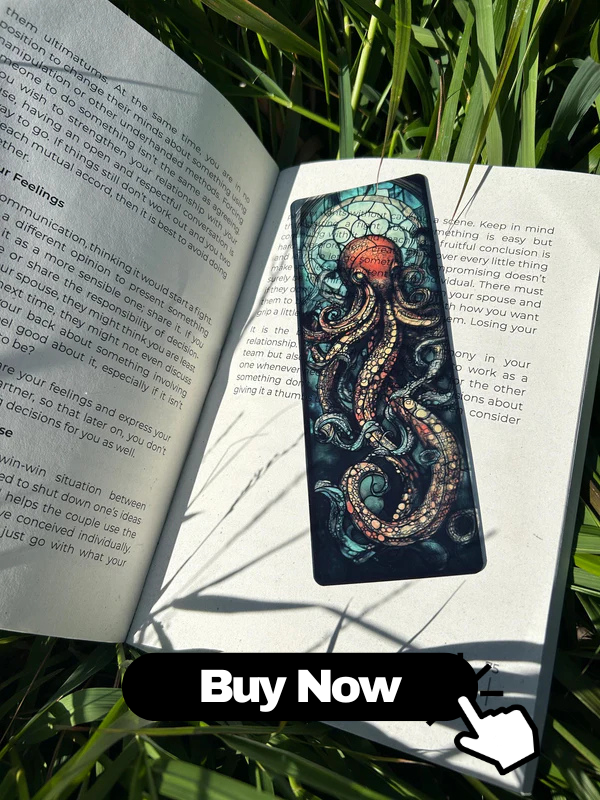
Handmade bookmarks are more than simple page holders—they are miniature works of art crafted with care, precision, and a personal touch. In an increasingly digital world, these tactile, thoughtfully designed bookmarks connect readers to the tangible joy of reading. From the careful selection of materials to the intricate finishing touches, every step in the creation of a handmade bookmark reflects the artisan’s dedication and creativity. In this comprehensive guide, you’ll discover how handmade bookmarks are crafted with care and attention, what materials and techniques are used, and why these unique pieces make meaningful, lasting gifts for book lovers.
What Are Handmade Bookmarks?
Handmade bookmarks are individually crafted page markers created by artisans using materials such as paper, leather, fabric, wood, or metal. Unlike mass-produced bookmarks, each handmade piece carries the maker’s style, technique, and attention to detail.
Common characteristics of handmade bookmarks include:
- Unique designs: No two bookmarks are exactly alike.
- Artisanal craftsmanship: Every piece is shaped, decorated, and finished by hand.
- High-quality materials: Makers often choose durable, tactile materials for longevity.
- Custom options: Names, quotes, and illustrations can be personalized.
These bookmarks appeal to readers who value slow-made, handcrafted accessories that enhance their reading experience and express their personality.
Benefits of Handmade Bookmarks
Choosing a handmade bookmark offers several advantages over generic, mass-produced ones.
- Personal connection: Knowing your bookmark was created by a real person adds meaning and emotional value.
- Durability: High-quality materials and careful construction make handmade bookmarks last longer.
- Aesthetic appeal: Beautiful designs elevate the look of your books and shelves.
- Support for small businesses: Purchasing from makers supports independent artisans and local economies.
- Customization: You can request specific colors, themes, or quotes that reflect your tastes.
- Eco-friendly choices: Many creators use recycled or sustainable materials.
For book lovers, a handmade bookmark becomes a cherished reading companion, not just a functional tool.
Materials Used for Handmade Bookmarks
A defining feature of handmade bookmarks is the careful selection of materials. Artisans choose substances that feel good in the hand, lie flat between pages, and can withstand frequent use.
1. Paper and Cardstock
Paper is one of the most popular materials for handcrafted bookmarks.
- Heavy cardstock: Provides rigidity and durability.
- Watercolor paper: Ideal for painted designs and calligraphy.
- Recycled paper: An eco-friendly option with a textured, rustic look.
- Patterned or specialty paper: Adds visual interest and color.
Paper bookmarks are often laminated or sealed to protect artwork from wear, moisture, and bending.
2. Leather
Leather bookmarks are known for their luxurious feel and long lifespan.
- Genuine leather: Offers a classic, refined look with natural grain.
- Vegan leather (faux leather): A cruelty-free alternative with a similar appearance.
- Embossed or stamped leather: Features designs, patterns, or quotes pressed into the surface.
3. Fabric and Textile
Fabric bookmarks offer softness, flexibility, and vibrant patterns.
- Cotton or linen: Lightweight and easy to sew or quilt.
- Felt: Thick, colorful, and perfect for appliqué or stitched motifs.
- Ribbon: Often combined with charms or beads for a delicate, elegant look.
4. Wood
Wooden bookmarks are admired for their natural beauty and sturdiness.
- Thin wood veneer: Flexible and lightweight for use between pages.
- Bamboo: A sustainable, eco-friendly material.
- Laser-engraved wood: Allows for precise text and detailed images.
5. Metal
Metal bookmarks have a modern, minimalist appeal and excellent durability.
- Stainless steel or brass: Resistant to bending and tarnishing.
- Clip-style designs: Slide onto the page without slipping.
- Engraved metal: Ideal for permanent quotes, names, and symbols.
6. Mixed Media and Decorative Elements
To add personality, bookmark makers often incorporate mixed media:
- Beads and charms
- Pressed flowers and leaves
- Stamps, stickers, and washi tape
- Hand-drawn illustrations
- Calligraphy and hand-lettering
Designing a Handmade Bookmark
The creative process behind a handmade bookmark involves careful planning and thoughtful design choices. This stage is where artistic vision meets practical function.
Key Design Considerations
-
Size and shape:
- Standard size: roughly 2 x 6 inches (5 x 15 cm).
- Alternative shapes: corner bookmarks, clip bookmarks, or extra-long designs.
-
Color palette:
- Soft, muted tones for calming, minimalist bookmarks.
- Bright, bold colors for fun, playful designs.
- Monochrome for modern, sleek styles.
-
Theme:
- Literary quotes and bookish phrases.
- Nature themes: flowers, forests, animals, celestial patterns.
- Hobbies: music, travel, art, science.
- Seasonal designs for holidays or special occasions.
-
Typography and text:
- Inspirational quotes or affirmations.
- Favorite book lines or author names.
- Names, dates, or monograms for personalization.
Thoughtful design ensures the bookmark is both visually appealing and comfortable to use, without damaging pages.
Step-by-Step: Making a Handmade Paper Bookmark
Paper bookmarks are an excellent starting point for anyone interested in crafting handmade bookmarks with care and attention. Below is a detailed step-by-step process that many artisans follow.
1. Planning the Design
- Decide on the bookmark’s theme, colors, and text.
- Sketch a rough layout on scrap paper.
- Choose whether to include quotes, illustrations, or patterns.
2. Cutting the Base
- Select sturdy cardstock or watercolor paper.
- Measure and mark the desired size (for example, 2 x 6 inches).
- Use a craft knife and ruler or a paper trimmer for clean, straight edges.
3. Adding Background Color or Texture
- Paint a watercolor wash for a soft, blended background.
- Use colored paper or patterned scrapbook paper.
- Apply ink blending, stenciling, or stamping for added depth.
4. Designing the Front
At this stage, artisans carefully incorporate decorative elements:
- Hand-lettered quotes: Using calligraphy pens or fine liners.
- Illustrations: Floral designs, abstract art, or character drawings.
- Collage elements: Small pieces of paper, vintage ephemera, or book pages.
- Stickers and washi tape: To frame sections or highlight text.
5. Sealing and Protecting the Bookmark
Because bookmarks see frequent use, protection is crucial:
- Lamination with a home laminator or self-adhesive laminating sheets.
- Clear-drying sealants or varnishes (for non-water-soluble inks and paints).
- Rounded corners to prevent bending and fraying.
6. Punching Holes and Adding Embellishments
- Punch a hole at the top center using a single-hole punch.
- Thread ribbons, twine, or cords through the hole.
- Add beads, small charms, or tassels for extra flair.
7. Finishing Touches and Quality Check
Before a handmade bookmark is considered finished, an artisan will:
- Check for smudges, rough edges, or loose embellishments.
- Ensure the bookmark lies flat and doesn’t feel too bulky.
- Test it in a book to confirm it doesn’t damage or crease pages.
Crafting Wooden and Metal Bookmarks
Wooden and metal bookmarks require specialized tools and techniques but offer exceptional durability and a premium feel.
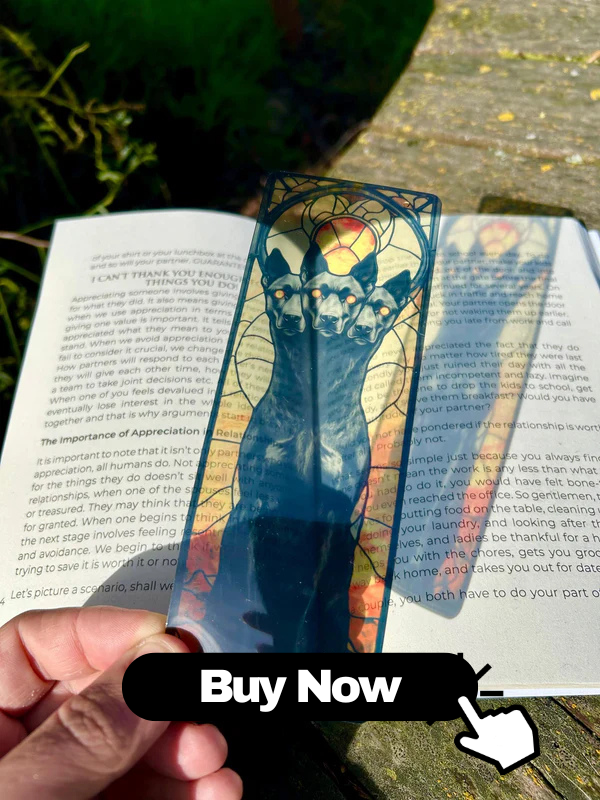
Wooden Bookmark Crafting Process
- Selecting the wood: Thin, flexible wood or bamboo sheets are chosen for ease of use.
- Cutting and shaping: Sawing, sanding, and smoothing edges for a comfortable finish.
-
Engraving the design:
- Hand-carving with fine tools.
- Laser engraving for detailed patterns and text.
- Finishing: Applying natural oil or varnish to protect the wood and enhance grain.
- Adding details: Drilling a top hole for strings or attaching small metal charms.
Metal Bookmark Crafting Process
- Material selection: Thin sheets of stainless steel, brass, or aluminum.
- Cutting: Using metal shears or laser cutting tools for precise shapes.
- Polishing edges: Filing and smoothing to prevent sharpness.
- Engraving: Etching designs, text, or logos into the metal.
- Finishing: Adding a brushed or polished surface for a refined appearance.
Both wooden and metal bookmarks showcase meticulous craftsmanship, from the first cut to the final polish.
Decorative Techniques That Add Personality
One of the most captivating aspects of handmade bookmarks is the variety of decorative techniques artisans use to make each piece stand out.
Popular Techniques
- Watercolor painting: Soft gradients, floral motifs, and abstract backgrounds.
- Calligraphy: Elegant quotes and hand-lettered names.
- Stamping and embossing: Raised textures and intricate patterns.
- Decoupage: Layering images and text for a vintage or collage look.
- Pressed botanicals: Real dried flowers and leaves sealed within the bookmark.
- Pyrography (wood burning): Creating detailed designs on wooden bookmarks.
- Resin coating: Embedding glitter, botanicals, or small objects in a glossy finish.
Each technique requires careful attention to detail, ensuring that the final bookmark is beautiful yet practical for everyday use.
Personalization & Customization
Handmade bookmarks are often chosen as personalized gifts because they can be tailored to the recipient’s interests and preferences.
Common Personalization Options
- Names and initials: Hand-lettered, engraved, or stamped.
- Favorite quotes: From novels, poems, or inspirational phrases.
- Custom colors: Matching personal style, favorite shades, or brand colors.
- Themed designs: Fantasy, science fiction, romance, mystery, or classic literature.
- Special dates: Anniversaries, graduation dates, or reading milestones.
This level of customization is part of what makes handmade bookmarks crafted with care so meaningful and memorable.
How to Care for Handmade Bookmarks
With proper care, handmade bookmarks can last for many years. Because they are lovingly crafted, they deserve gentle handling and occasional maintenance.
Care Tips by Material
-
Paper bookmarks:
- Keep away from moisture and spills.
- Store flat inside books or in a protective sleeve.
- Avoid placing heavy objects directly on delicate embellishments.
-
Leather bookmarks:
- Keep out of direct sunlight to prevent fading.
- Wipe with a soft, dry cloth if dusty.
- Occasionally condition with leather-safe products if needed.
-
Fabric bookmarks:
- Spot-clean gently with a damp cloth.
- Avoid aggressive washing that could fray edges.
-
Wooden bookmarks:
- Keep dry to avoid warping.
- Wipe gently and apply a tiny amount of oil if the wood looks dry.
-
Metal bookmarks:
- Dry thoroughly if exposed to moisture.
- Polish lightly with a soft cloth to maintain shine.
Eco-Friendly & Sustainable Handmade Bookmarks
Many artisans are committed to sustainable bookmark crafting, making eco-conscious choices at every stage.
Common Eco-Friendly Practices
- Using recycled or reclaimed paper and cardstock.
- Choosing sustainably sourced wood, such as bamboo.
- Opting for non-toxic inks, paints, and adhesives.
- Reducing plastic packaging and using recyclable materials.
For environmentally minded readers, eco-friendly handmade bookmarks provide a way to enjoy artisan-made accessories while reducing environmental impact.
Handmade Bookmarks as Thoughtful Gifts
Handmade bookmarks make versatile, meaningful gifts for book lovers and even non-readers who appreciate art and craft.
Occasions for Gifting Handmade Bookmarks
- Birthdays and holidays
- Graduations and academic achievements
- Book club events and reading challenges
- Wedding favors or bridal party gifts
- Teacher appreciation gifts
- Library or literacy program fundraisers
Paired with a favorite novel or a journal, a handmade bookmark becomes a complete, personalized gift set.
Tips for Buying High-Quality Handmade Bookmarks
When purchasing handmade bookmarks online or at craft fairs, a few guidelines help ensure you choose pieces that are both beautiful and well-crafted.
What to Look For
- Material quality: Sturdy, durable bases and secure embellishments.
- Craftsmanship: Clean cuts, smooth edges, and neat application of paint or ink.
- Protective finishes: Lamination, varnish, or sealant for long-term use.
- Customer reviews: Feedback on durability, design, and customer service.
- Photos and descriptions: Clear images and detailed explanations of materials and size.
A carefully chosen handmade bookmark can become a treasured part of your reading ritual.
Starting Your Own Handmade Bookmark Business
For creative individuals, making and selling handmade bookmarks can grow from a hobby into a small business.
Basic Steps to Get Started
- Develop your style: Experiment with materials and techniques to create a recognizable aesthetic.
- Build a collection: Create a variety of designs for different tastes and occasions.
- Set up an online shop: Use platforms like Etsy, Shopify, or social media marketplaces.
- Photograph your work: Take clear, well-lit photos showing details and scale.
- Write SEO-friendly descriptions: Include keywords like “handmade bookmarks,” “personalized bookmarks,” and “custom book accessories.”
- Price fairly: Consider time, material costs, and marketplace fees.
- Package with care: Use protective envelopes and include thank-you notes or care instructions.
By focusing on quality craftsmanship and clear branding, a handmade bookmark business can attract loyal, book-loving customers.
Frequently Asked Questions
Are handmade bookmarks worth the price?
Yes. Handmade bookmarks often cost more than mass-produced versions because each piece is individually designed, crafted, and finished. You’re paying for quality materials, time, and artistic skill.
Can handmade bookmarks damage my books?
Well-crafted handmade bookmarks are designed to be gentle on pages. As long as they’re not overly thick or rough around the edges, they will not damage your books.
What is the best material for a long-lasting bookmark?
For durability, laminated paper, leather, wood, and metal are excellent choices. The “best” option depends on your preference for flexibility, thickness, and visual style.
How can I store my collection of handmade bookmarks?
- In a small box or tin, laid flat.
- In plastic sleeves or photo album pages.
- Displayed on a corkboard or in a decorative jar.
Conclusion
Handmade bookmarks are a celebration of creativity, craftsmanship, and the love of reading. Every step—from selecting materials to adding the final protective finish—is done with care and attention, transforming simple strips of paper, wood, leather, or metal into personal works of art. Whether you are a passionate reader, a gift-giver searching for something special, or a maker exploring new crafts, these thoughtfully designed bookmarks bring character and warmth to every page you mark.
By understanding how handmade bookmarks are crafted and appreciating the skill involved, you not only enhance your own reading experience but also support the artisans who pour their hearts into each carefully created piece.