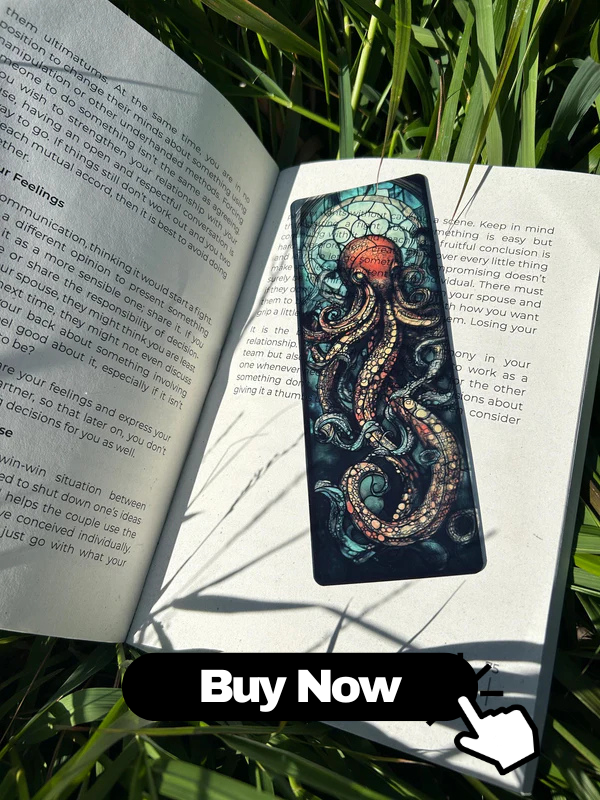
Librarians play a crucial role in shaping safe, educational, and enjoyable reading experiences—and that responsibility even extends to something as small as a bookmark. While bookmarks may seem trivial, they come into direct contact with children and adults, are shared across patrons, and can impact both personal safety and the integrity of library collections. This article explains in detail how librarians choose safe bookmarks for libraries, what criteria they use, how they evaluate materials and suppliers, and how bookmark choices support literacy, branding, and user experience, all while maintaining high standards of safety and accessibility.
Why Bookmark Safety Matters in Libraries
Librarians do far more than organize books; they curate an entire safe library environment. Bookmarks are one of the most widely distributed physical items in a library—often given to children, used in classrooms, and taken home. For this reason, librarians carefully consider:
- Physical safety – Preventing cuts, choking hazards, or injuries from sharp corners, wires, or small detachable pieces.
- Health and chemical safety – Avoiding toxic inks, unsafe coatings, or materials that contain allergens or harmful additives.
- Collection preservation – Protecting books from damage caused by thick, sharp, or corrosive bookmarks.
- Appropriate content – Ensuring that imagery and text on bookmarks align with the library’s values, age-appropriate standards, and community guidelines.
- Accessibility and inclusivity – Designing bookmarks that can be read and used by a wide range of patrons, including those with visual or cognitive disabilities.
Because bookmarks are inexpensive and easy to distribute, they are also powerful tools for literacy promotion, library marketing, and reading motivation. Choosing safe, well-designed bookmarks helps librarians build trust and encourage positive reading habits.
Key Safety Criteria Librarians Use When Choosing Bookmarks
When librarians select or approve bookmarks for library use—whether purchased, donated, or custom-printed—they evaluate them against several clear safety criteria.
1. Physical Safety Standards
-
No sharp edges or points:
- Rounded corners instead of sharp, square cuts.
- No metal points, pins, or hard wires that can scratch or pierce skin.
-
No detachable small parts:
- Charms, beads, and tiny accessories can be choking hazards for young children.
- Librarians often avoid bookmarks with dangling items in children’s areas.
-
Safe dimensions and thickness:
- Thin enough to avoid putting stress on book spines.
- Wide enough to be easily handled, but not so large that patrons use them as makeshift tools or toys.
2. Book-Friendly Design
Librarians want bookmarks that protect library books, not damage them.
-
Flat and flexible:
- Avoid thick, rigid items that warp pages or stretch bindings.
- Magnetic bookmarks are chosen carefully to ensure magnets are thin and not overly strong.
-
Non-abrasive materials:
- No rough surfaces that can scratch glossy pages or delicate illustrations.
- No glitter or loose decorations that can shed onto book pages.
-
Colorfast printing:
- Inks should not transfer to pages or bleed when exposed to moisture.
3. Content and Messaging Safety
Librarians examine the text and imagery on bookmarks to ensure it is age-appropriate, inclusive, and non-commercial (depending on the library’s policy).
-
Appropriate imagery:
- No violent, explicit, discriminatory, or hateful content.
- Respectful and diverse representation in illustrations when people are shown.
-
Non-exploitative advertising:
- Public libraries may limit commercial logos or ads on bookmarks.
- Some libraries allow sponsors but require clear alignment with educational or community goals.
-
Clear, accurate information:
- Library hours, website URLs, reading tips, or literacy messages kept up to date.
- No misleading claims or unsupported health information.
Preferred Bookmark Materials and Durability Considerations
Material choice is central to bookmark safety in libraries. Librarians look for a balance between durability, sustainability, and patron comfort.
1. Common Safe Materials
-
Cardstock paper:
- Most widely used and budget-friendly option.
- Recommended weights: generally 250–350 gsm for durability.
- Often chosen with a matte or satin finish to reduce glare and fingerprints.
-
Laminated bookmarks:
- Provide extra durability and resistance to moisture.
- Require careful selection to avoid sharp laminated edges.
-
Plastic bookmarks:
- Used more sparingly due to environmental concerns.
- When used, librarians often prefer BPA-free, phthalate-free plastics.
-
Recycled or eco-friendly materials:
- Recycled paper, bamboo fiber, or other sustainable stocks.
- Important for libraries with strong green initiatives or sustainability policies.
2. Durability Versus Safety
Librarians balance the desire for long-lasting bookmarks with the need for safety and comfort:
-
Too rigid:
- May damage book spines when patrons close books tightly.
- Can create pressure points on thin pages.
-
Too flimsy:
- Easily torn, leading to small pieces that may be ingested by toddlers.
- Can become crumpled and unsightly, discouraging use.
3. Special Types of Bookmarks
-
Magnetic bookmarks:
- Popular for their ability to stay in place.
- Librarians ensure magnets are fully encased and cannot come loose.
- Used more frequently for personal sale items than free library giveaways, depending on budget.
-
Ribbon bookmarks:
- Sometimes included in journals or special collections.
- Libraries avoid loose ribbons with fraying ends in children’s areas.
-
3D or novelty bookmarks:
- May be reserved for programs or prizes, not for general circulation.
- Scrutinized carefully for choking hazards and sharp points.
Age-Specific Considerations: Children, Teens, and Adults
Librarians tailor bookmark choices to the needs and safety levels of different age groups, especially in children’s libraries and school media centers.
1. Bookmarks for Young Children (Early Readers and Pre-Readers)
-
Safety-first design:
- No detachable parts, beads, or charms.
- Slightly larger size for easier handling by small hands.
- Rounded corners and soft materials.
-
Cleanable surfaces:
- Children’s bookmarks often come into contact with food or saliva.
- Laminated or coated bookmarks allow gentle wiping and sanitizing.
-
Educational content:
- Alphabet, numbers, reading tips, or simple illustrations of book care rules.
- Clear, large fonts and minimal clutter.
2. Bookmarks for School-Age Children
-
Reinforcement of positive reading habits:
- Reminders like “Don’t dog-ear pages” or “Return books on time.”
- Simple checklists for reading logs or reading challenges printed on the bookmark.
-
Themed designs:
- Bookmarks that tie into seasonal reading programs or book fairs.
- Characters that promote diversity, kindness, and curiosity.
-
Durability for heavy use:
- Cardstock with protective coating to survive backpacks and frequent handling.
3. Bookmarks for Teens and Young Adults
-
Respectful and relevant design:
- Avoiding childish imagery to maintain credibility with teen readers.
- Including links to library social media, digital collections, and events.
-
Mental health and online safety information:
- Short crisis resource lines or reminders about safe internet practices.
- Promotion of information literacy and fact-checking resources.
4. Bookmarks for Adults and Seniors
-
Readable design:
- Larger fonts for seniors and patrons with low vision.
- High color contrast for easier legibility.
-
Program promotion:
- Information about book clubs, author talks, and technology classes.
- QR codes that link to the online catalog or event calendar (placed discretely and tested for readability).
Health, Environmental, and Allergen Safety
Modern libraries increasingly incorporate health-conscious and environmentally responsible standards into bookmark selection.
1. Ink and Coatings Safety
-
Non-toxic inks:
- Preferred especially for children’s bookmarks, where mouthing is possible.
- Soy-based or water-based inks are often favored for sustainability and safety.
-
Low-odor coatings:
- Important for patrons sensitive to chemical smells.
- Helps maintain a comfortable, inclusive environment.
2. Allergen Awareness
-
Avoidance of common allergens where possible:
- Limiting use of latex components or glues that may cause reactions.
- Avoiding glitter and scented materials, which can trigger allergies and asthma.
-
Clear documentation from vendors:
- Librarians may request material safety data sheets (MSDS) or product information for large orders.
3. Environmental Responsibility
-
Recycled content:
- Using recycled paper or board reduces environmental impact.
- Libraries may highlight eco-friendly features directly on the bookmark.
-
Minimal plastic:
- Libraries committed to sustainability often limit single-use plastic bookmarks.
- When plastic is necessary, they may choose biodegradable or recyclable options.
Design, Readability, and Accessible Bookmark Design
Beyond safety, librarians prioritize clear, accessible design to ensure bookmarks are easy to read, understand, and use.
1. Typography and Layout
-
Readable font choices:
- Sans-serif or simple serif fonts with good spacing.
- Avoiding overly decorative fonts, especially for core information.
-
Font size and line spacing:
- Suitable font size (often 10–12 pt minimum, larger for children and seniors).
- Adequate line spacing to avoid cramped text.
-
High-contrast colors:
- Dark text on a light background or vice versa.
- Avoiding color combinations that are difficult for color-blind users, such as red/green without contrast differences.
2. Accessible Content Structure
-
Clear hierarchy:
- Most important information (library name, URL, phone) placed prominently.
- Secondary content like reading tips placed below.
-
Use of icons and simple visuals:
- Visual cues such as book icons, clocks for opening hours, or map symbols.
- Ensuring visuals complement text rather than replace it.
3. Inclusive and Universal Design
-
Multiple languages where appropriate:
- Bilingual or multilingual bookmarks in communities with diverse language needs.
- Simple phrasing to make translation and understanding easier.
-
Culturally inclusive imagery:
- Characters or illustrations that represent different cultures, ages, and abilities.
- Avoiding stereotypes or narrow portrayals of readers and learners.
Branding, Library Messaging, and Educational Value
Bookmarks also function as miniature billboards that reinforce the library’s identity and mission. Librarians design safe bookmarks that also support library marketing, literacy campaigns, and community outreach.
1. Core Branding Elements
-
Library name and logo:
- Consistent placement and styling across bookmark batches.
- Clear association between the bookmark and the library.
-
Contact information:
- Website URL, phone number, and sometimes email address.
- Social media handles for libraries active online.
2. Educational and Promotional Messaging
-
Reading promotion:
- Short quotes about reading, literacy tips, or recommended daily reading time.
- Space for patrons to write down reading goals or current book titles.
-
Program highlights:
- Summer reading program dates and web links.
- Early literacy initiatives, storytime schedules, or book club info.
-
Digital resource awareness:
- Reminders about e-books, audiobooks, and digital databases.
- Short URLs or QR codes linking to the online catalog or app downloads.
3. Safe Use Instructions and Gentle Reminders
-
Book care tips:
- “Use a bookmark, not a folded page.”
- “Keep books away from food and drinks.”
-
Responsible borrowing:
- Due date reminders or a blank space to write return dates.
- Encouraging patrons to renew or return books on time.
Policy, Procurement, and Vendor Selection for Safe Bookmarks
Behind each bookmark is a thoughtful selection and procurement process. Librarians often formalize standards in internal policies.
1. Written Guidelines and Selection Policies
-
Bookmark selection policy:
- Outlines acceptable materials, content, and formats.
- Clarifies rules for donations, sponsorships, and vendor branding.
-
Consistency with overall collection policies:
- Ensures bookmarks reflect the same values as the library’s collection development policy (equity, inclusion, educational value).
2. Evaluating Vendors and Printers
-
Reputable suppliers:
- Preference for vendors experienced in educational or library products.
- Ability to provide safety and material certifications on request.
-
Sample review:
- Librarians often request physical samples before placing large orders.
- Samples are inspected for print quality, durability, and safety issues (sharp edges, odors, loose coating).
-
Ethical and sustainable production:
- Some libraries favor vendors with environmental certifications or fair labor practices.
3. Handling Donations and Sponsored Bookmarks
-
Clear acceptance criteria:
- Donated bookmarks must adhere to the same safety and content standards as purchased ones.
- Librarians reserve the right to decline or recycle non-compliant donations.
-
Sponsorship visibility:
- If sponsors’ logos appear, they must not overshadow library branding.
- Messages must align with library ethics and community standards.
Digital Bookmarks and Online Safety in Library Settings
In addition to physical bookmarks, librarians help patrons create and manage digital bookmarks on library computers, browsers, and library apps. Safety in this context means protecting privacy, security, and appropriate access.
1. Safe Digital Bookmark Practices
-
Browser bookmark management:
- Public computers often have pre-set bookmarks to trusted resources: online catalogs, databases, e-book platforms, and educational sites.
- Librarians regularly audit these for link safety and relevance.
-
Content filtering:
- Child and teen workstations may link only to age-appropriate websites.
- Bookmarks to social media or open platforms are added cautiously and in line with policy.
2. Privacy and Security
-
No storage of personal bookmarks on public accounts:
- Librarians educate patrons about signing out of personal browsers and accounts.
- Instructions may be printed on physical bookmarks that explain how to clear browser data safely.
-
Trusted resource curation:
- Librarians vet linked websites for ads, malware risks, and data privacy practices.
- Preference is given to .gov, .edu, and reputable .org domains for research bookmarks.
Best Practices Checklist for Safe Library Bookmarks
Librarians often rely on a mental or written checklist to ensure each bookmark is safe, functional, and aligned with library goals. A simplified checklist might include:
-
Physical Safety
- Rounded corners, no sharp edges.
- No small detachable elements or beads.
- Flat and flexible enough for all book types.
-
Material and Health Safety
- Non-toxic inks and coatings.
- Minimal odor, no irritating finishes.
- Preference for sustainable, recycled, or eco-friendly stocks.
-
Child and Age-Level Appropriateness
- Design tailored to specific age groups.
- Clear, simple text and imagery for young readers.
-
Content and Messaging
- No offensive, discriminatory, or inappropriate content.
- Accurate library contact details and program info.
- Useful literacy or book care messages where space allows.
-
Accessibility and Design
- Legible font and adequate text size.
- High color contrast and clean layout.
- Inclusive, culturally sensitive visuals.
-
Vendor and Policy Alignment
- Vendor meets safety and ethical requirements.
- Bookmarks comply with the library’s selection and sponsorship policies.
Frequently Asked Questions About Safe Library Bookmarks
1. Why do librarians avoid bookmarks with ribbons, strings, or charms in children’s areas?
These attachments can pose choking hazards and may become easily detached. They also create potential for tangling or misuse. For children, librarians typically choose simple, flat, one-piece bookmarks made from cardstock or similar materials.
2. Are magnetic bookmarks safe for library books?
Thin, well-designed magnetic bookmarks can be safe, but librarians review them carefully. Overly thick or strong magnets may put pressure on book pages and spines. Many libraries reserve magnetic bookmarks for personal purchase in gift shops rather than as standard circulation giveaways.
3. Do libraries accept donated bookmarks from local businesses?
Many libraries do, but donations must follow the same safety and content standards as any library-produced bookmark. Libraries may decline donations that are overly commercial, include inappropriate advertising, or fail basic physical safety checks.
4. How do librarians ensure bookmarks are environmentally friendly?
Librarians often select:
- Recycled or sustainably sourced paper stocks.
- Non-toxic, water-based or soy-based inks.
- Minimal plastic laminations, or eco-friendly alternatives.
Some libraries highlight eco-friendly choices as part of their public sustainability messaging.
5. What information do librarians most commonly print on bookmarks?
Common elements include:
- Library name, logo, and website address.
- Phone number and physical address or branch names.
- Opening hours or QR codes linking to updated hours online.
- Reading tips, book care rules, or program announcements.
6. How does bookmark design support library SEO and online visibility?
While physical bookmarks themselves do not directly affect search engine rankings, they can drive traffic to the library’s website, catalog, and social media pages by prominently displaying URLs and QR codes. When librarians integrate consistent branding, memorable URLs, and calls to action, bookmarks help patrons find and revisit the library’s online resources, which in turn supports broader library SEO strategies and digital engagement.
By carefully considering materials, design, content, age-appropriateness, and environmental impact, librarians ensure that even the smallest item—the bookmark—contributes to a safe, accessible, and inspiring library experience. Thoughtfully chosen, safe bookmarks reinforce reading habits, protect collections, and help connect patrons with both physical and digital library resources.