Reading is more than a hobby or a way to pass time—it can be a powerful and deeply personal form of self care. In a world where we are constantly connected and overstimulated, intentionally setting aside time to read can help reduce stress, improve mental health, foster emotional resilience, and support personal growth. This article explores how reading can become a meaningful self care ritual, how to create a reading routine that nourishes your well-being, and practical tips for choosing books that support your mental and emotional health.
What Is Reading as Self Care?
Reading as self care means intentionally using books and written content to support your mental, emotional, and even physical well-being. It goes beyond reading for information or productivity and focuses on:
- Relaxation – Using reading to unwind after a long day.
- Emotional support – Finding comfort, validation, and understanding in stories and ideas.
- Personal growth – Gaining perspective, building resilience, and exploring new ways of thinking.
- Mindful time alone – Creating quiet moments away from screens, notifications, and constant noise.
When reading becomes part of your self care routine, it shifts from something you “should” do to something you genuinely look forward to—a ritual that helps you reconnect with yourself.
Mental Health Benefits of Reading
Reading can have a profound impact on your mental health and emotional balance. Research consistently shows that regular reading provides multiple benefits:
- Stress reduction – Studies have found that just a few minutes of focused reading can lower heart rate and muscle tension, significantly reducing stress levels.
- Improved focus and concentration – In a world of short-form content and constant distractions, deep reading strengthens your ability to focus for longer periods.
- Enhanced empathy – Reading about other people’s experiences, emotions, and perspectives can increase your capacity for empathy and understanding.
- Cognitive stimulation – Reading keeps your brain active and engaged, supporting memory, attention, and long-term cognitive health.
- Better mood and emotional regulation – Uplifting stories, inspirational non-fiction, and even comforting fiction can help stabilize mood and provide emotional comfort.
For many people, reading becomes a safe mental space—a place to temporarily step away from worries, process emotions, and quiet a busy mind.
Physical and Emotional Benefits of Reading
Beyond mental health, reading contributes to overall well-being in subtle but powerful ways:
- Improved sleep quality – A calm reading routine (especially print books) before bed can signal to your body that it’s time to relax, making it easier to fall asleep.
- Reduced screen time – Replacing online scrolling with reading helps reduce blue light exposure and digital fatigue.
- Lower anxiety – Calming narratives, poetry, or spiritual texts can ease anxiety and provide grounding during stressful times.
- Increased emotional vocabulary – Reading helps you name and understand your emotions more clearly, which is key for emotional health.
- Sense of companionship – Characters in books can feel like friends, especially for people who feel lonely or misunderstood in their everyday life.
Types of Reading That Support Self Care
Not all reading feels restorative. Some books energize you, while others calm you down. For self care, it helps to choose reading material that matches your emotional needs.
Here are common reading categories that can support self care:
-
Comfort fiction
- Gentle stories with heartwarming plots
- Slow-paced, character-driven novels
- Cozy mysteries, feel-good romances, and uplifting contemporary fiction
-
Poetry
- Short, reflective pieces for emotional expression
- Perfect for brief self care moments throughout the day
-
Self help and personal development
- Books about mental health, boundaries, mindfulness, and resilience
- Guides to emotional healing or building healthy habits
-
Memoirs and autobiographies
- Real-life stories of struggle, growth, and healing
- Offer validation and the reminder that you are not alone
-
Spiritual or philosophical texts
- Books that encourage reflection, presence, and meaning
- Helpful when you’re seeking grounding or guidance
-
Light non-fiction
- Topics you’re curious about but not stressed by—nature, art, travel, creativity
- Stimulates your mind without overwhelming you
The key is to choose reading that feels nourishing, not draining. If a book increases your stress or triggers anxiety, it may not be right for your current self care needs.
How to Build a Reading Self Care Routine
To truly experience the benefits of reading as self care, consistency matters. Building a gentle, sustainable reading routine helps turn reading into a reliable source of comfort and stability.
1. Start Small and Realistic
- Begin with just 10–15 minutes a day of intentional reading.
- Attach it to an existing routine:
- After your morning coffee or tea
- During lunch breaks
- As part of your nighttime wind-down
- Use a simple goal like: “I will read a few pages every day.”
2. Make It a Ritual, Not a Task
Approach reading as a ritual of rest and restoration, not as a productivity target.
- Light a candle or dim the lights.
- Prepare a warm drink.
- Have a cozy blanket or comfortable chair ready.
3. Protect Your Reading Time
- Treat your reading time as a non-negotiable appointment with yourself.
- Silence notifications or leave your phone in another room.
- Let others know this is your quiet time, if possible.
Creating a Cozy Reading Environment
Your environment can significantly affect how restful and immersive your reading experience feels. A welcoming reading space supports your self care goals and makes it easier to return to books consistently.
-
Choose a calm spot
- A corner of your couch, a reading chair, a balcony, or a quiet park bench.
- Keep distractions minimal.
-
Pay attention to lighting
- Soft, warm lighting is ideal for relaxation.
- Use a reading lamp that doesn’t strain your eyes.
-
Incorporate comfort
- Blankets, cushions, and comfortable seating.
- A warm beverage like tea, hot chocolate, or coffee.
-
Keep your current book visible
- Place it on a bedside table or coffee table.
- The easier it is to see and reach, the more likely you’ll read.
Choosing the Right Books for Self Care
Selecting the right books is at the heart of reading as self care. Your choices should match your emotional state, energy level, and personal interests.
1. Listen to Your Emotional Needs
- Ask yourself:
- “Do I need comfort, inspiration, distraction, or validation today?”
- “Do I want something light or something deeply reflective?”
- During stressful times, you may prefer:
- Gentle fiction
- Uplifting stories
- Books with hopeful endings
2. Have a “Self Care Shelf” or TBR List
- Create a physical or digital list of books that:
- Make you feel calm, seen, or inspired
- Are easy to return to, even after breaks
- Include:
- Comfort rereads
- Short story collections
- Poetry books
- Favorite authors you trust
3. Drop Books That Aren’t Serving You
For reading to function as self care, it must not feel like a chore. It’s okay to stop reading a book that:
- Increases your anxiety or stress
- Feels emotionally heavy when you need lightness
- Is confusing or exhausting when you’re already tired
Giving yourself permission to DNF (did not finish) a book is a powerful act of self-compassion.
Mindful Reading Practices
Mindful reading turns your reading time into a meditative, grounding experience. It helps you stay present and fully absorb what you’re reading.

-
Read slowly and intentionally
- Notice the words, images, and emotions they evoke.
- Pause after meaningful passages and let them sink in.
-
Breathe between pages or chapters
- Take a few slow, deep breaths as you turn the page.
- Use these pauses to anchor yourself in the present moment.
-
Reflect briefly after reading
- Ask: “How do I feel now, compared to before I started reading?”
- Notice any shifts in mood, energy, or perspective.
Reading for Anxiety and Stress Relief
Reading can be a highly effective tool for managing anxiety and reducing stress, especially when you choose calming or familiar material.
How Reading Helps Ease Anxiety
-
Distraction and mental escape
- Immersing yourself in a story can gently interrupt anxious thought patterns.
-
Predictability
- Comfort reads and familiar genres provide a sense of safety and control.
-
Grounding
- Reading physical pages, feeling the book, and hearing the sound of turning pages can anchor you in your body.
Best Kinds of Books for Anxiety and Stress Relief
- Gentle, low-conflict fiction
- Poetry collections that focus on healing and hope
- Short chapters or essays that don’t require intense focus
- Books about nature, mindfulness, or slow living
Reading and Emotional Healing
Books can play a transformative role in emotional healing and recovery. When you see your experiences mirrored in stories, you may feel less isolated and more understood.
-
Bibliotherapy
- A therapeutic practice where reading is used to support healing.
- Some therapists recommend specific books for grief, trauma, or life transitions.
-
Validation of feelings
- Characters who struggle with depression, anxiety, or loss can reflect your own journey.
- This can reduce shame and increase self-compassion.
-
New coping strategies
- Non-fiction on mental health and resilience offers tools you can apply in your daily life.
When reading for emotional healing, choose authors you trust and subjects that feel supportive, not overwhelming. Move at your own pace.
Social Connection Through Reading
Self care is not always solitary. Reading communities can provide connection, belonging, and encouragement.
Ways to Build Connection Through Reading
-
Book clubs
- Online or in-person groups give you space to share experiences, insights, and feelings about a book.
-
Buddy reads
- Reading the same book with a friend or partner and talking about it together.
-
Online communities and blogs
- Joining reading forums, social media book communities, or following reading-focused blogs for recommendations and support.
These interactions can make reading feel less isolating and more like a shared self care journey.
Digital vs. Physical Reading: What’s Better for Self Care?
Both digital and physical reading can support self care, but each has unique advantages. The goal is to choose the format that best supports your well-being and reading habits.
Benefits of Physical Books
- Less screen time and blue light exposure
- Tactile comfort—the feel and smell of a book can be soothing
- Easier to use as part of a bedtime routine
- Visual reminder to read when you see the book in your space
Benefits of E-Books and Audiobooks
- Portability—carry many books with you anywhere
- Adjustable font sizes and lighting for comfort
- Audiobooks allow you to “read” while:
- Walking or doing light chores
- Resting with eyes closed
- Great for people who struggle with focus or have visual difficulties
For many people, a mix of formats works best: physical books for quiet evenings and audiobooks for busy or low-energy days.
Overcoming Reading Guilt and Pressure
To fully enjoy reading as self care, it’s essential to let go of guilt, perfectionism, and performance-based goals.
- You do not have to read “serious” or “important” books for your reading to count.
- You do not need to read fast or finish a certain number of books per year.
- You can reread favorites as many times as you want.
- Taking breaks from reading is okay—your self care needs may change over time.
Reading for self care is not a contest or a productivity metric. It is a personal, flexible practice meant to support you, not judge you.
Bookmarks and Reading Journals as Self Care Tools
Simple tools like bookmarks and journals can enhance your reading-for-self-care practice and make it feel more intentional.
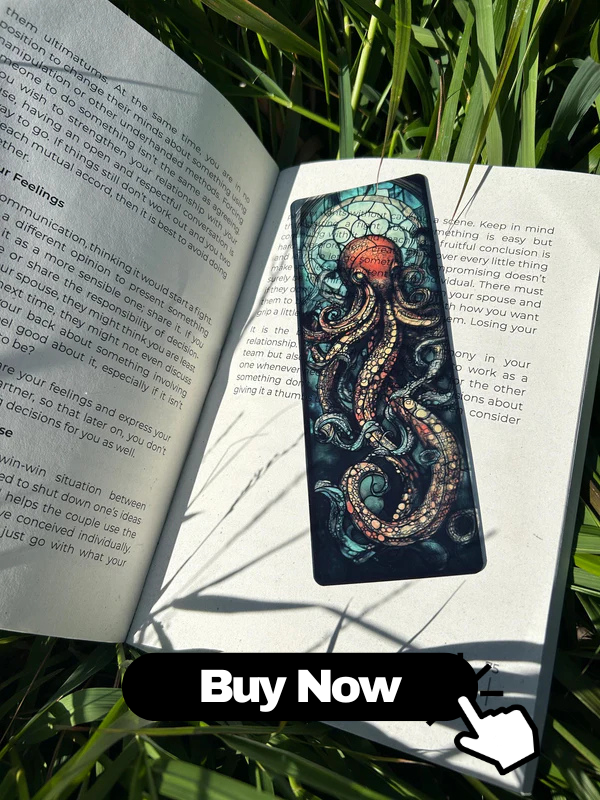
Using Bookmarks Mindfully
- Choose bookmarks that:
- Inspire you with quotes or calming designs
- Remind you of your commitment to slow, restful reading
- Use bookmarks as a symbol of:
- Honoring your pace—where you stop is enough
- Trusting that you can always return to your place, and to yourself
Reading Journals for Reflection
Keeping a reading journal or simple notes can deepen the self care impact of your reading time.
- After or during reading, jot down:
- Quotes that resonate with you
- Emotions that arise while reading
- Insights about your own life
- Use your journal to:
- Track books that make you feel peaceful, energized, or understood
- Notice reading patterns that support your well-being
Practical Tips to Make Reading a Lasting Habit
Transforming reading into a sustainable self care habit doesn’t have to be complicated. Focus on small, realistic changes.
-
Always carry a book
- Keep a physical book in your bag or an e-book app on your phone.
- Use small pockets of time—waiting rooms, commutes, breaks—to read a few pages.
-
Set gentle reading goals
- Example goals:
- “I’ll read one chapter before bed.”
- “I’ll read for 10 minutes after lunch.”
- Example goals:
-
Create a bedtime reading ritual
- Replace late-night scrolling with 15–20 minutes of reading.
- Choose calming, non-stimulating books for nighttime.
-
Allow variety
- Keep multiple books for different moods:
- One light and fun
- One thoughtful or reflective
- One very easy to dip in and out of (poetry, essays)
- Keep multiple books for different moods:
-
Track your reading in a simple way
- Use a notebook, app, or bookmark list.
- Focus on how books make you feel rather than how many you’ve finished.
Conclusion: Let Reading Become Your Quiet Daily Retreat
When approached with intention and gentleness, reading can become one of the most accessible and powerful forms of self care. It offers a quiet retreat from daily overwhelm, a way to explore inner landscapes, and a path to emotional healing and growth. By choosing the right books, creating a soothing reading environment, and building a simple, compassionate reading routine, you can transform reading into a regular ritual that supports your mental health, emotional balance, and overall well-being.
You don’t need hours of free time or complex routines—just a book, a few minutes of quiet, and the willingness to show up for yourself on the page, one small pause at a time.