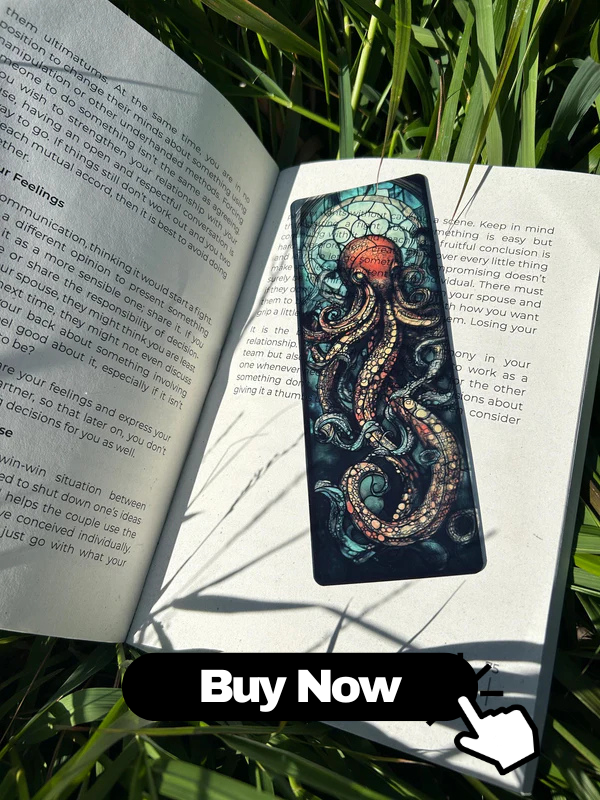
For readers who care about both stories and the planet, choosing sustainable bookmarks is a small but meaningful way to align your reading habits with your values. Eco-friendly bookmarks help reduce waste, support ethical production, and avoid plastics and harmful inks. This guide explores the best sustainable bookmark options, eco-conscious materials, DIY ideas, and how to care for bookmarks so they last—helping you build a greener reading routine, one page at a time.
Why Sustainable Bookmarks Matter
At first glance, bookmarks seem too small to worry about. But when you multiply millions of readers using mass-produced, plastic-coated, or disposable bookmarks, the environmental impact adds up. Choosing eco-friendly bookmarks is part of a broader mindset: consuming less, choosing better, and valuing durability over disposability.
Here’s why sustainable bookmarks matter:
- Reduced plastic waste: Many commercial bookmarks are laminated with plastic or made entirely of plastic, which is difficult to recycle and can persist in landfills for decades.
- Lower carbon footprint: Materials like recycled paper, bamboo, or upcycled fabric typically require fewer resources and less energy than virgin plastic or metal.
- Support ethical production: Eco-conscious bookmark makers often work with fair labor standards, local artisans, and small businesses rather than mass-produced, under-regulated factories.
- Non-toxic inks and dyes: Conventional printing inks can contain chemicals and heavy metals. Using plant-based or soy inks is better for the environment and indoor air quality.
- Mindful consumption: When you choose a high-quality, sustainable bookmark, you’re more likely to keep and cherish it, rather than discard it after a few uses.
For readers who already prioritize sustainable books, zero-waste reading, and ethical publishing, selecting green bookmarks is a natural next step in building a fully conscious reading routine.
Key Features of Eco-Friendly Bookmarks
Not every bookmark marketed as “green” is truly sustainable. To identify genuinely eco-friendly bookmarks, look for the following features:
-
Sustainable materials:
- Recycled or FSC-certified paper and cardboard
- Bamboo, cork, or sustainably harvested wood
- Organic cotton, linen, or other natural fibers
- Upcycled materials (fabric scraps, old maps, packaging)
-
Non-toxic inks and finishes:
- Soy-based or vegetable-based inks
- Water-based adhesives and varnishes
- No PVC lamination or heavy plastic coating
- Durability: A bookmark that lasts years is far more sustainable than one that breaks or frays quickly. Look for sturdy construction and thoughtful design.
- Recyclable or compostable at end of life: Ideally, your bookmark can be recycled with paper or composted, leaving minimal environmental footprint.
- Ethical manufacturing: Transparent supply chains, fair labor practices, and local or small-batch production are good signs.
- Minimal packaging: Avoid bookmarks wrapped in multiple layers of plastic. Simple paper sleeves or no packaging at all are best.
When shopping online, check product descriptions and reviews for keywords like recycled material, FSC-certified, plastic-free, vegan, handmade, and fair trade to ensure you’re truly buying an eco-friendly bookmark.
Best Sustainable Materials for Bookmarks
Different materials offer different benefits in terms of sustainability, feel, and aesthetics. Here are some of the most eco-friendly bookmark materials and what makes each one a good choice.
1. Recycled Paper and Cardboard
Recycled paper is one of the most common and accessible materials for sustainable bookmarks.
-
Advantages:
- Widely available and affordable
- Easily recyclable in most curbside programs
- Can feature beautiful designs with eco-friendly inks
- Lightweight and gentle on book pages
-
Look for:
- High post-consumer recycled content (50–100%)
- FSC-certified paper
- Uncoated or lightly coated finishes (no glossy plastic lamination)
2. Bamboo
Bamboo is a fast-growing, renewable resource that works well for eco-friendly wooden bookmarks.
-
Advantages:
- Rapidly renewable and requires fewer pesticides
- Strong yet lightweight
- Natural, stylish appearance
-
Considerations:
- Ensure bamboo is sourced sustainably and not contributing to monoculture-related issues.
- Prefer bookmarks finished with natural oils or water-based varnishes.
3. Cork
Cork is harvested from the bark of cork oak trees without cutting them down, making it a highly sustainable material.
-
Advantages:
- Renewable and biodegradable
- Soft, flexible, and gentle on books
- Natural texture and aesthetic
-
Ideal for:
- Readers who want a vegan leather alternative
- Bookmarks with a soft, natural feel
4. Upcycled Fabric
Fabric bookmarks made from textile offcuts or old clothing give new life to materials that might otherwise be discarded.
-
Advantages:
- Diverts fabric from landfills
- Highly customizable in color and pattern
- Soft and non-damaging to book spines
-
Tips:
- Choose natural fibers like cotton, linen, or hemp.
- Avoid heavy synthetic fabrics that shed microplastics.
5. Seed Paper
Seed paper bookmarks are made from paper embedded with seeds. When you’re done using them, you can plant them in soil.
-
Advantages:
- Fully biodegradable and compostable
- Transforms into flowers, herbs, or plants
- Excellent for eco-conscious gifts and events
-
Considerations:
- Less durable for long-term use (best for special occasions).
- Check if seeds are native or non-invasive in your region.
6. Sustainably Sourced Wood
Thin slices of sustainably harvested wood can be crafted into elegant, long-lasting bookmarks.
-
Advantages:
- Extremely durable and long-lived
- Beautiful grain patterns and natural feel
- Can be laser-engraved with quotes or designs
-
Look for:
- FSC-certified or reclaimed wood
- Non-toxic finishes and glues
Eco-Friendly Bookmark Ideas for Avid Readers
If you read frequently, you may want a variety of bookmarks for different moods, genres, or locations (home, work, travel). Here are bookmark styles and features that work well for sustainability-minded readers.
- Minimalist recycled paper bookmarks: Simple designs with literary quotes or nature motifs, printed with soy ink on recycled cardstock.
- Magnetic eco bookmarks: Made with recycled paper and small magnets instead of plastic; they clip gently over the page without slipping.
- Bamboo or wood clip bookmarks: Thin, flat wooden clips that mark your page with minimal bulk.
- Fabric ribbon bookmarks: Strips of upcycled fabric or organic cotton with a small sewn edge to prevent fraying.
- Corner bookmarks: Triangular bookmarks that slip over the corner of the page, often made from folded scrap paper or fabric.
- Plantable seed bookmarks: Ideal for limited-time use—perfect for book club favors or gifts.
Many of these options combine sustainable materials with practical, reader-friendly designs, making it easy to stay eco-conscious without sacrificing convenience.
DIY Sustainable Bookmarks: Creative and Low-Waste
Making your own DIY sustainable bookmarks is one of the most eco-friendly and personal approaches. You control the materials, reduce waste, and create designs that reflect your personality as a reader.
1. Upcycled Paper Bookmarks
Turn old packaging or paper scraps into stylish bookmarks.
-
Gather materials:
- Cardboard from cereal boxes, shoe boxes, or mailers
- Old calendars, maps, or magazine covers
- Non-toxic glue or tape
- Scissors and optional hole punch
- Cut to size: Standard bookmark size is around 5–6 inches long and 1.5–2 inches wide.
-
Decorate:
- Collage with images from magazines.
- Write favorite quotes in your own handwriting.
- Add minimal doodles with water-based markers.
- Optional reinforcement: Glue two thinner pieces together for extra sturdiness.
- Finish: Punch a hole at the top and add a scrap of string or twine if you like.
2. Fabric Scrap Bookmarks
Use leftover fabric from sewing projects or old clothes.
- Choose fabric: Natural fibers like cotton or linen work best.
- Cut strips: Around 7 inches long and 1.5 inches wide.
-
Finish edges:
- Sew a simple hem along the edges, or
- Use pinking shears to reduce fraying.
-
Optional embellishments:
- Embroidered initials or small designs
- Attach a small bead or button (avoid heavy metal pieces that can dent pages)
3. Pressed Flower Bookmarks
Pressed flowers create delicate, nature-inspired bookmarks.

-
Press flowers:
- Collect small, flat flowers or leaves.
- Press them between heavy books or a flower press for 1–2 weeks.
- Prepare base: Cut rectangles of recycled cardstock.
- Arrange and attach: Use a dab of non-toxic glue to fix the pressed flowers in place.
-
Protect (optional): Instead of plastic lamination, consider:
- Thin, compostable cellulose sleeves
- A light coat of plant-based varnish
4. Old Book Page Bookmarks
If you have a book that is damaged beyond repair, you can give its pages a new life as bookmarks.
-
How to make them:
- Select interesting pages with text, illustrations, or decorative borders.
- Cut into bookmark strips and reinforce with a backing of recycled cardstock.
- Add a short quote, date, or note to personalize each one.
These DIY options are low-cost, low-waste, and highly customizable—ideal for readers who love crafting as much as reading.
Zero-Waste Bookmark Habits for Conscious Readers
Beyond the physical bookmark, how you use and manage them also affects your sustainability footprint.
- Use what you already have: Scrap paper, ticket stubs, or an old postcard can serve as a bookmark without any extra production.
- Avoid dog-earing pages: While it doesn’t create waste directly, repeated folding can damage books and shorten their lifespan.
- Keep a small, curated collection: Instead of accumulating dozens of bookmarks you never use, maintain a handful of favorites.
- Repair before replacing: Reinforce slightly bent or torn paper bookmarks with a layer of recycled paper instead of discarding them.
- Share or donate extras: Pass on surplus bookmarks to friends, schools, or community libraries.
Integrating these zero-waste reading habits with your bookmark choices amplifies your overall environmental impact as a reader.
How to Choose Ethical Bookmark Brands
If you prefer to buy rather than make your bookmarks, take a moment to assess brands through a sustainability lens.
Questions to Ask Before Buying
-
What materials are used?
- Is the paper recycled or FSC-certified?
- Are plastics or PVC laminations avoided?
-
Which inks and finishes?
- Are inks plant-based or soy-based?
- Are finishes non-toxic and water-based?
-
Where are the bookmarks made?
- Are they produced locally or shipped from overseas?
- Does the brand disclose information about factories and working conditions?
-
How is packaging handled?
- Is the packaging plastic-free and recyclable?
- Is there excessive packaging for a small item?
-
Does the brand give back?
- Some companies donate a portion of profits to literacy programs or environmental organizations.
Certifications and Labels to Look For
- FSC (Forest Stewardship Council): Indicates responsibly managed forests for paper and wood products.
- Recycled content labels: Specify the percentage of post-consumer recycled material.
- Vegan or cruelty-free labels: For leather-like or fabric bookmarks.
- Fair trade or ethical production statements: Evidence that workers are treated fairly.
Doing a quick check of brand values and certifications helps you invest in ethical bookmarks that align with your sustainable reading philosophy.
Gift Ideas: Eco-Conscious Bookmarks for Book Lovers
Sustainable bookmarks make thoughtful, practical gifts for readers who care about the planet.
1. Curated Eco Bookmark Sets
- Combine several types of bookmarks:
- One bamboo or wooden bookmark
- Two or three recycled paper designs
- One fabric or cork bookmark
- Wrap in recycled kraft paper or a reusable cloth, avoiding plastic.
2. Personalized Recycled Paper Bookmarks
- Add:
- The recipient’s name
- A favorite literary quote
- A small note about the eco-friendly materials used
- Perfect for birthdays, book clubs, and reading challenges.
3. Plantable Seed Bookmarks as Event Favors
- Ideal for:
- Book launches and author events
- Library programs
- Eco-conscious weddings or parties
- Include planting instructions printed with soy-based ink on recycled paper.
4. DIY Bookmark Gift Kits
- Put together a small kit with:
- Pre-cut recycled cardstock
- Fabric scraps, pressed flowers, and eco-friendly glue
- Instructions for making homemade sustainable bookmarks
- Great for children, craft lovers, and creative readers.
By choosing eco-conscious bookmark gifts, you encourage others to think about sustainability in their own reading lives.
Caring for Your Sustainable Bookmarks
Proper care extends the life of your bookmarks, making them even more sustainable over time.
- Keep them dry: Avoid exposure to water or high humidity, especially for paper and seed paper bookmarks.
- Store flat: When not in a book, store bookmarks in a flat pouch, pencil case, or small box to prevent creasing.
- Handle gently: Don’t use bookmarks as straightedges, rulers, or tools that might bend or tear them.
- Avoid direct sunlight: Prolonged exposure can fade inks and colors, especially on natural materials.
- Rotate usage: If you have several bookmarks, rotate them to reduce wear and tear on any single piece.
Simple care habits help you enjoy your eco-friendly bookmarks for years, reducing the need for replacements.
Frequently Asked Questions About Sustainable Bookmarks
Are paper bookmarks really sustainable?
Yes—if they use recycled or responsibly sourced paper and non-toxic inks. Avoid glossy, plastic-coated bookmarks that can’t be recycled. Unlaminated or lightly finished recycled paper bookmarks are often the most sustainable choice.
What’s the most eco-friendly type of bookmark?
The most eco-friendly bookmark is usually one you already have or make yourself from materials on hand. Beyond that, bookmarks made from recycled paper, upcycled fabric, or cork tend to be excellent low-impact options.
Are magnetic bookmarks bad for the environment?
Magnetic bookmarks can be eco-friendly if they use recycled paper and minimal magnets without plastic lamination. However, because magnets and mixed materials complicate recycling, they are less easily recyclable. Use them for the long term to offset their footprint.
Can I recycle my old bookmarks?
- Paper bookmarks: Usually recyclable if they are not laminated with plastic or covered in metallic foils.
- Wood or bamboo bookmarks: Often compostable if they have natural finishes and no synthetic glues or inks.
- Fabric bookmarks: Typically not recyclable curbside; best to reuse, repurpose, or compost if 100% natural fibers.
How many bookmarks should a sustainable reader own?
There’s no single right number, but a minimalist, sustainable approach might include:
- 2–3 everyday paper or fabric bookmarks
- 1 durable wooden or bamboo bookmark for long-term use
- 1–2 special bookmarks (e.g., gift, seed paper) used occasionally
The key is to use what you have and avoid excessive accumulation.
Final Thoughts on Sustainable Reading
Building a more sustainable reading life doesn’t require dramatic changes. Thoughtful choices about eco-friendly bookmarks, combined with conscious reading habits, can significantly reduce waste and support ethical production.
To recap, readers who care about sustainability can:
- Prioritize bookmarks made from recycled, renewable, or upcycled materials.
- Seek out plastic-free, non-toxic, ethically produced options.
- Create DIY sustainable bookmarks from materials they already own.
- Adopt zero-waste bookmark practices, from sharing extras to repairing favorites.
- Use bookmarks as an opportunity to support small, eco-conscious makers and brands.
Every page you mark is a chance to affirm your commitment to the environment. By choosing sustainable bookmarks, you transform a simple reading tool into a powerful expression of your values—one that benefits both your bookshelves and the planet.