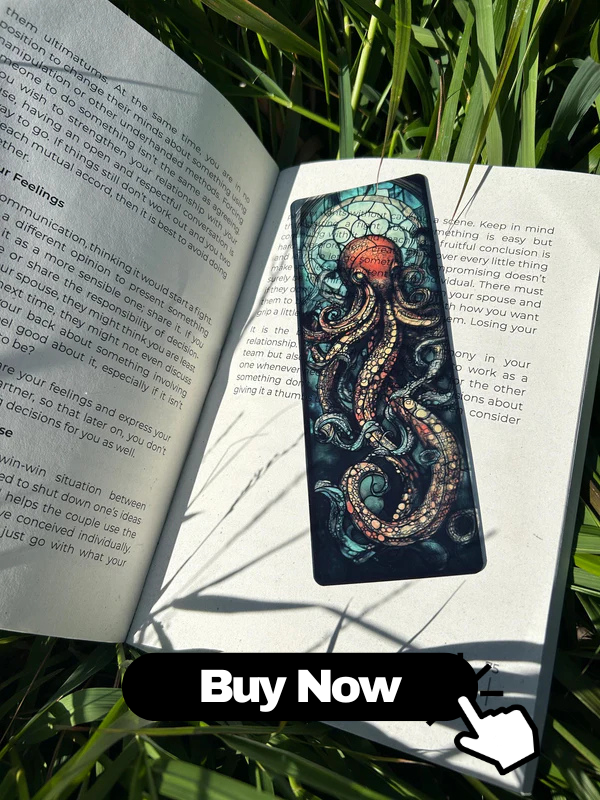
Small businesses around the world are rediscovering the power of simple, tangible marketing tools, and one of the most underrated of these is the humble bookmark. Thoughtfully designed bookmarks can act as miniature brand ambassadors, combining practicality, aesthetics, and storytelling in a format that customers actually keep. In this comprehensive guide, we explore exactly how small businesses create bookmarks with care—from concept and design to printing, distribution, and optimization for marketing and search visibility—so you can transform a small piece of cardstock into a powerful tool for brand awareness and customer loyalty.
Why Bookmarks Matter for Small Businesses
For many small businesses, marketing budgets are limited. This makes cost‑effective, long‑lasting promotional materials especially valuable. Bookmarks are inexpensive to produce, easy to distribute, and genuinely useful for customers.
- High retention rate: Unlike flyers that are quickly discarded, bookmarks often stay in use for months or years.
- Daily visibility: Each time someone opens a book or journal, your brand appears in front of them.
- Subtle marketing: Bookmarks provide gentle, non-intrusive reminders of your products or services.
- Ideal for local marketing: Perfect for community events, bookshops, libraries, cafés, and schools.
When created with care, small business bookmarks become more than just paper; they become storytelling tools, brand identity pieces, and relationship builders.
Planning a Bookmark Strategy With Care
Before diving into design, small businesses should develop a clear strategy. Careful planning ensures that the bookmark serves a clear purpose and aligns with broader marketing goals.
Define the Purpose of Your Bookmark
- Brand awareness: Introduce your business to new audiences.
- Customer loyalty: Offer bookmarks as a thank-you gift or membership perk.
- Promotional tool: Feature special offers, coupon codes, or seasonal campaigns.
- Educational resource: Provide quick tips, how‑to steps, or reference information related to your industry.
Identify Your Target Audience
Creating bookmarks with care means understanding who will actually use them:
- Book lovers and students: Ideal for bookstores, tutors, libraries, and educational brands.
- Parents and families: Great for children’s brands, family services, and local businesses.
- Hobby communities: Perfect for craft stores, gaming shops, wellness studios, and niche retailers.
Clarifying your audience helps guide your design style, language tone, and content selection.
Set Measurable Goals
- Increase website traffic by a specific percentage using bookmark QR codes.
- Drive sign‑ups to a newsletter via a unique URL printed on the bookmark.
- Track redemptions from a bookmark‑exclusive coupon code.
Branding and Design Principles for Business Bookmarks
Effective bookmark design reflects your brand identity while staying practical and visually appealing. Small businesses that create bookmarks with care pay special attention to consistent branding and thoughtful layout.
Core Branding Elements
- Logo placement: Include your logo in a prominent yet balanced position.
- Brand colors: Use your primary and secondary brand colors for instant recognition.
- Typography: Choose readable fonts that match your brand’s personality.
- Tagline or slogan: Add a concise line that summarizes what makes your business unique.
Designing for Readability and Impact
- Prioritize hierarchy: Decide which elements should stand out (brand name, call to action, contact info).
- Use white space: Avoid clutter; white space improves legibility and visual comfort.
- Balance front and back: Put key branding and visuals on the front, with additional info or offers on the back.
- Optimize for printing: Check margins, bleed areas, and resolution (300 DPI or higher) for crisp results.
Visual Style Ideas for Small Business Bookmarks
- Minimalist designs: Clean layouts with simple icons and strong typography.
- Illustrated themes: Custom artwork that reflects your products, location, or community.
- Photo‑based designs: High‑quality product or lifestyle photos that showcase what you sell.
- Inspirational style: Quotes, affirmations, or motivational phrases aligned with your brand values.
Content Ideas: What to Put on a Small Business Bookmark
To create bookmarks with care, small businesses must be intentional about what they print. Content should be useful, engaging, and aligned with customer interests.
Essential Business Information
- Business name and logo
- Website URL and/or online store link
- Social media handles (e.g., Instagram, Facebook, TikTok, LinkedIn)
- Contact information: email address or phone number
- Physical address if you have a local storefront
Engaging and Value‑Driven Content
- Helpful tips: Short how‑to steps relevant to your niche (e.g., “5 ways to care for houseplants” for a plant shop).
- Reading lists: Curated book recommendations if your business is related to education, wellness, or creativity.
- Checklists: Mini checklists that customers can reference frequently.
- Quotes and affirmations: Uplifting text that resonates with your brand identity.
- Event dates: Key annual events, workshops, or market dates.
Calls to Action (CTAs)
Effective bookmarks include clear, concise CTAs that invite the reader to take the next step:
- “Visit our online shop: [your URL]”
- “Scan to get 10% off your first order” (paired with a QR code)
- “Join our newsletter for exclusive deals and new releases”
- “Tag us on Instagram with your bookmark for a chance to be featured”
Materials, Sizes, and Printing Options
Small businesses that create bookmarks with care understand that material quality influences how customers perceive their brand. A sturdy, attractive bookmark makes your business appear professional and trustworthy.
Common Bookmark Sizes
- Standard size: Around 2" x 6" or 2" x 7" (5 x 15 cm or 5 x 18 cm)
- Oversized: 2.5" x 8" for more content and visual impact
- Mini bookmarks: Narrow or shorter sizes for minimalist designs
Paper Types and Thickness
- Cardstock (300–400 gsm): Durable and ideal for long‑lasting bookmarks.
- Matte finish: Soft, non‑glossy surface, easy to read and write on.
- Glossy finish: Vibrant colors and a polished, professional look.
- Textured paper: Adds a tactile, premium feel, suitable for artisan and boutique brands.
Finishing Options
- Laminated bookmarks: Provide extra durability and water resistance.
- Rounded corners: Prevent wear and give a smoother, finished appearance.
- Die‑cut shapes: Custom shapes that match your logo or theme for unique branding.
- Foil stamping: Metallic accents (gold, silver, etc.) for luxury or premium brands.
- Spot UV: Glossy highlights on specific elements like your logo or tagline.
Choosing a Printer
- Local print shops: Support local businesses and see physical proofs more easily.
- Online printers: Often provide bulk discounts and easy design upload tools.
- Specialized bookmark printers: Offer advanced features, finishes, and customizations for bookmarks specifically.
Personalization and Customization Techniques
Personalized bookmarks help small businesses create deeper connections with customers. Customization can turn a simple bookmark into a meaningful keepsake.

Variable Data Printing (VDP)
- Individual names: Print a customer’s name on each bookmark (great for memberships or events).
- Segmented content: Create different versions for different customer groups or product lines.
- Localized details: Tailor addresses, maps, or offers for specific locations.
Hand‑Finished Details
- Hand‑tied ribbons or tassels: Add a personal, artisanal touch.
- Stamped backings: Use rubber stamps for logos or patterns on small batches.
- Numbered series: Create limited edition bookmarks for special collections or events.
Interactive and Functional Elements
- QR codes: Link to your website, digital catalog, or a special landing page.
- Coloring bookmarks: Line art designs customers can color themselves, especially effective for family‑oriented brands.
- Writable spaces: Lines or boxes where readers can jot notes, goals, or reading lists.
Sustainable and Eco‑Friendly Bookmark Production
More customers are actively seeking sustainable small businesses, and eco‑friendly bookmarks align with these values. Creating bookmarks with care includes caring for the environment.
Eco‑Friendly Material Choices
- Recycled paper: Made from post‑consumer waste and often labeled with recycled content percentages.
- FSC‑certified paper: Sourced from responsibly managed forests.
- Soy‑based inks: Lower environmental impact compared to traditional petroleum‑based inks.
Communicating Sustainability on the Bookmark
- Add a small note such as: “Printed on recycled paper with eco‑friendly inks.”
- Include icons or badges indicating sustainable practices.
- Encourage reuse: “Keep this bookmark and share it with a friend.”
Marketing and Distribution Strategies for Bookmarks
Thoughtful distribution is how small businesses turn carefully made bookmarks into real results. Aim to place your bookmarks in relevant, high‑traffic, and high‑interest locations.
In‑Person Distribution Channels
- At your store: Place a holder by the checkout counter or near featured products.
- Local libraries and bookstores: Ask to leave a stack near the entrance or reading areas.
- Cafés and coworking spaces: Partner with them to offer free bookmarks to their patrons.
- Events and markets: Hand out bookmarks at craft fairs, pop‑up shops, and community events.
Including Bookmarks in Orders and Packages
- Slip a bookmark into every shipped order as a surprise bonus.
- Use seasonal designs that match holidays or product launches.
- Add a short thank‑you message on the bookmark for online customers.
Digital Integration and SEO Considerations
Bookmarks can support your online presence and search engine optimization efforts by:
- Featuring a short, memorable URL that leads to an SEO‑optimized landing page.
- Encouraging users to search for your brand with specific keywords (e.g., “Search ‘[Your Brand] handmade bookmarks’”).
- Using QR codes that direct users to blog posts, product pages, or newsletter sign‑up forms.
Selling Bookmarks as a Product Line
Many small businesses not only give bookmarks away but also sell premium bookmarks as part of their product catalog.
Who Can Profitably Sell Bookmarks?
- Bookstores and publishers
- Artists, illustrators, and designers
- Gift shops and boutiques
- Etsy shops and online makers
Designing Bookmarks for Retail
- Create cohesive collections around themes (seasons, hobbies, quotes, art styles).
- Add branding subtly, focusing more on aesthetic appeal than overt advertising.
- Use higher‑end materials and finishes to justify retail pricing.
Measuring the Success of Your Bookmark Campaign
To know whether your small business bookmark strategy is working, track specific metrics that connect bookmarks to real outcomes.
Tracking Methods
- Unique coupon codes: Print a code that only appears on your bookmarks.
- Special URLs or landing pages: Use a unique web address to measure traffic sourced from bookmarks.
- QR code analytics: Generate trackable QR codes to monitor scans and conversions.
Key Performance Indicators (KPIs)
- Number of redemptions or purchases using bookmark codes.
- Website visits from bookmark‑specific URLs.
- Newsletter sign‑ups or social follows that mention bookmarks.
- Customer feedback mentioning your bookmarks as memorable or useful.
Best Practices and Practical Tips for Careful Bookmark Creation
Small businesses that create bookmarks with care follow a set of practical best practices to ensure quality and effectiveness.
- Keep text concise: Prioritize clarity and legibility over long paragraphs.
- Use high‑resolution images: Avoid pixelation by using at least 300 DPI images.
- Test print at home: Print a sample on regular paper to check size and layout.
- Align with brand tone: Match your bookmark’s voice to your overall brand communication.
- Update periodically: Refresh designs seasonally or annually to keep content current.
Common Mistakes Small Businesses Should Avoid
Even with the best intentions, small businesses can make mistakes when creating bookmarks. Being aware of these pitfalls helps you refine your bookmark marketing strategy.
- Overcrowded designs: Too many elements make bookmarks hard to read and less attractive.
- Tiny fonts: If your audience has to squint, your message is lost.
- Lack of clear CTA: Bookmarks that only show a logo but no next step miss a marketing opportunity.
- Poor paper quality: Thin, flimsy materials can cheapen your brand image.
- No tracking mechanism: Without codes or unique URLs, it’s hard to measure effectiveness.
Step‑by‑Step Process: From Idea to Finished Bookmark
To help your small business create bookmarks with care, follow this structured process from concept to completion.
- Clarify your goal: Decide whether the bookmark is for promotion, education, loyalty, or retail.
- Research your audience: Understand what styles and messages will resonate most.
- Brainstorm content: List key information, offers, tips, and CTAs you might include.
- Sketch initial layouts: Draw rough front and back designs with placement of text and visuals.
- Choose size and materials: Select dimensions, paper type, and finishes.
- Design digitally: Use a tool like Canva, Adobe Illustrator, or similar software.
- Review and proofread: Double‑check spelling, URLs, and contact details.
- Order a small test run: Print a limited batch to test quality and customer reaction.
- Refine based on feedback: Adjust design, text, or finishes if needed.
- Print full batch: Once satisfied, order your main print run.
- Plan distribution: Decide where, when, and how you’ll share the bookmarks.
- Track results: Monitor codes, URLs, or feedback to see how well your bookmarks perform.
Conclusion: Turning Simple Bookmarks Into Lasting Impressions
When small businesses create bookmarks with care, they transform a small piece of printed card into a powerful, long‑term marketing asset. Thoughtful strategy, strong branding, high‑quality materials, and purposeful content turn bookmarks into tools that:
- Keep your business visible in customers’ daily lives
- Reinforce your brand identity and values
- Drive traffic, leads, and sales through clear calls to action
- Show your commitment to quality, creativity, and even sustainability
By following the strategies outlined in this guide, your small business can design and produce memorable, effective bookmarks that customers actually use and share—ensuring that your brand remains literally and figuratively “in the pages” of their everyday lives.