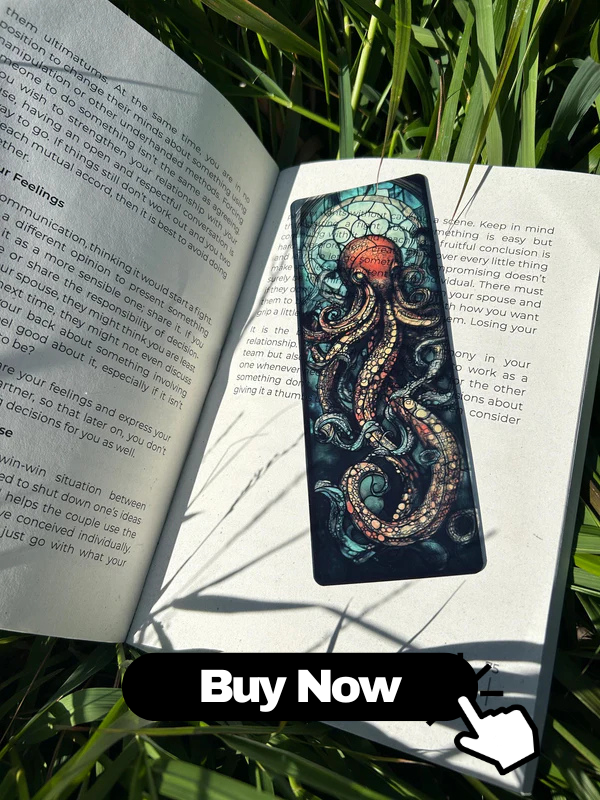
Small businesses around the world are discovering creative ways to transform original artwork into unique, profitable products—one of the most accessible being custom bookmarks. Turning art into bookmarks allows independent artists, crafters, and entrepreneurs to monetize their designs, build a recognizable brand, and reach both local and global audiences through online marketplaces. This comprehensive guide explains how small businesses turn art into bookmarks, covering every step from concept and design to printing, packaging, marketing, and selling, with a strong focus on SEO optimization and long-term growth.
Why Art Bookmarks Are a Smart Business Idea for Small Businesses
Turning art into bookmarks is a powerful way for small businesses and independent artists to create affordable, giftable, and collectible products. Art bookmarks sit at the intersection of creativity, practicality, and low production cost, making them ideal for:
- Side hustles and low-risk business experiments
- Art monetization for illustrators, painters, and designers
- Brand extensions for authors, bookshops, and creative studios
Key advantages of selling art bookmarks include:
- Low material costs: Compared to prints or canvases, bookmarks require less paper and ink but can still feature high-quality artwork.
- High perceived value: Well-designed bookmarks with beautiful art, lamination, or specialty finishes feel premium at a relatively low price.
- Easy to ship: Lightweight and flat, bookmarks are cost-effective to send domestically and internationally.
- Broad target audience: Readers, students, teachers, libraries, and gift buyers all regularly use and gift bookmarks.
- Scalability: You can start with small batches and scale to wholesale and bulk orders as demand grows.
When combined with effective SEO strategies, smart branding, and targeted marketing, art bookmarks can become a reliable source of recurring revenue for small creative businesses.
Types of Art That Work Well as Bookmarks
Almost any visual style can be adapted into a bookmark format, but some types of art perform particularly well for printable bookmarks and collectible art bookmarks.
Popular Art Styles for Custom Bookmarks
- Illustrations and character art: Ideal for fandoms, fantasy themes, and children’s bookmarks.
- Watercolor paintings: Soft, atmospheric designs that suit nature, florals, and abstract themes.
- Minimalist line art: Clean, modern, and suitable for lifestyle and motivational bookmark designs.
- Typography and calligraphy: Quotes, affirmations, and literary references are highly popular among book lovers.
- Mixed media and collage: Unique textures and layered compositions stand out in a crowded market.
- Photography: Landscapes, travel photography, or macro shots of nature adapt beautifully to vertical formats.
Theme Ideas for Niche Bookmark Collections
- Bookish themes: “Bookworm,” “bibliophile,” reading quotes, genre-specific designs (fantasy, romance, sci-fi).
- Seasonal and holiday themes: Christmas, Halloween, spring florals, New Year motivation.
- Educational themes: Historical figures, science diagrams, vocabulary words—great for teachers and schools.
- Mindfulness and wellness: Affirmations, self-care reminders, mental health awareness designs.
- Cultural and regional themes: Local landmarks, traditional patterns, folklore and mythology.
Small businesses often succeed by focusing on specific niches, creating bookmark collections that resonate deeply with targeted communities instead of trying to appeal to everyone at once.
Planning Your Art Bookmark Collection
Before designing, plan your bookmark line as a cohesive collection that can be marketed and sold together. Strategic planning helps with branding, SEO, and product photography.
Define Your Target Audience
Ask yourself:
- Who is most likely to buy my bookmarks? (e.g., teens, fantasy readers, teachers, gift buyers)
- Where do they spend time online? (Instagram, TikTok, Etsy, book blogs)
- What styles and themes attract them?
- What keywords would they type to find bookmarks like mine? (e.g., “witchy art bookmarks,” “minimalist line art bookmarks”)
Decide on a Collection Concept
Successful small bookmark businesses often launch themed sets such as:
- Series collections: A set of 4–10 bookmarks with characters from the same world or story.
- Color collections: Bookmarks organized by palette—pastels, earth tones, monochrome.
- Quote collections: Different quotes in a shared design style and typography.
- Seasonal collections: Limited editions for holidays or specific seasons.
Plan Product Variations
- Single bookmarks vs bookmark sets
- Standard size vs oversized or mini bookmarks
- Options for laminated vs matte finishes
- Add-ons such as tassels, ribbons, or charms
Designing Bookmarks from Original Art
Translating art into a bookmark format requires attention to size, composition, and readability. Many small businesses start with physical artworks (like watercolor paintings) or digital illustrations and adapt them into bookmark templates.
Standard Bookmark Dimensions
Typical bookmark sizes include:
- 2" x 6" (about 5.1 cm x 15.2 cm) – very common and easy to print multiple per sheet
- 2.5" x 7" (about 6.4 cm x 17.8 cm) – offers more room for art and text
- Custom dimensions depending on brand style or printing service
Design Considerations
- Vertical composition: Ensure your artwork works well in a tall, narrow format.
-
Safe margins and bleed:
- Include a bleed (usually 1/8" or 3 mm) to avoid white edges after trimming.
- Keep important elements (faces, text) away from edges.
-
Readable typography: If using quotes or text, ensure:
- High contrast between text and background
- Legible font size even when printed small
- Clear hierarchy (main quote vs author vs brand name)
- Branding placement: Add your logo, shop name, or website URL subtly at the bottom or on the back.
-
Back-side design: Don’t leave the back blank if you can add value:
- Brand story or tagline
- Social media handles
- Reading checklist or “This book belongs to” area
Tools for Designing Art Bookmarks
- Procreate (iPad) for digital illustration
- Adobe Photoshop / Illustrator for professional-level design files
- Affinity Designer / Affinity Photo as budget-friendly alternatives
- Canva for simple layouts when working with existing art
Preparing Print-Ready Files
- Set resolution to 300 DPI for crisp prints.
- Use CMYK color mode if required by your printer.
- Export as PDF, TIFF, or high-quality JPEG, depending on the printer’s guidelines.
- Group multiple bookmark designs on one sheet to reduce waste and cost.
Materials and Printing Options for Art Bookmarks
The material and printing method you choose directly affect your bookmarks’ perceived quality, durability, and pricing. Small businesses typically experiment with a few options and then standardize on their favorites.
Paper and Cardstock Options
- Standard cardstock (250–350 gsm): The most common choice, sturdy but affordable.
- Matte cardstock: Soft, non-glare finish that works well for muted or pastel artwork.
- Glossy cardstock: Vivid colors with a shiny surface; popular for bright illustrations and photography.
- Textured paper: Linen or watercolor-textured cardstock adds a tactile, artistic feel.
- Recycled or eco-friendly paper: Appeals to sustainability-conscious customers and strengthens your brand story.
Protective Finishes
-
Lamination:
- Glossy lamination enhances color saturation and durability.
- Matte lamination gives a premium, velvety feel and reduces glare.
- UV coating: Adds a protective, glossy layer and can be spot-applied for accents.
- No coating: Suitable for low-budget or writable bookmarks (for notes or personalization).
Specialty Options to Stand Out
- Foil stamping: Metallic gold, silver, or holographic details for luxury bookmarks.
- Die-cut shapes: Rounded corners or unique silhouettes that match your art.
- Embossing or debossing: Raised or pressed elements for tactile interest.
- Magnetic bookmarks: Folded designs with magnets that clip around pages.
Printing Methods
-
Home printing:
- Ideal for testing designs or very small batches.
- Requires a high-quality inkjet or laser printer and good cardstock.
-
Local print shops:
- Offer guidance on paper choices and test prints.
- Good for medium runs and quick turnaround.
-
Online printing services:
- Suitable for larger batches with competitive pricing.
- Allow you to reorder easily once you’re satisfied with the quality.
-
Print-on-demand (POD):
- No need for inventory; items are printed as orders come in.
- Check if your chosen POD platform offers art bookmarks as a product category.
Production Workflow for Small Bookmark Businesses
Establishing a clear workflow helps small businesses turn art into bookmarks efficiently and consistently.
Typical Production Workflow
- Concept & sketching: Develop themes, rough layouts, and bookmark ideas.
- Art creation: Create final artwork (digital or scanned traditional art).
- Layout & formatting: Place art into bookmark templates, add text and branding.
- Test prints: Print a few samples to check color, alignment, and feel.
- Final printing: Produce a batch after confirming the test prints.
-
Cutting & trimming: Use:
- Guillotine cutter for straight edges and efficiency
- Corner rounder if you want rounded corners
-
Finishing touches:
- Lamination, if done in-house
- Hole punching and attaching tassels or ribbons
- Quality check: Inspect for misprints, damaged edges, or color issues.
- Packaging: Insert into sleeves, attach backing cards or branding stickers.
Packaging and Presentation That Add Value
Thoughtful packaging can set your art bookmark business apart and justify higher prices while improving customer satisfaction.
Packaging Options
- Clear sleeves: Protective plastic or compostable sleeves to prevent scratching.
- Branded backing cards: A card behind the bookmark with your logo and contact details.
- Paper bands (belly bands): For sets of bookmarks bundled together.
- Gift-ready envelopes or boxes: For premium or gift sets.
Branding Elements to Include
- Logo and business name
- Website URL or shop link
- Social media handles (Instagram, TikTok, Pinterest)
- A short tagline or brand statement (e.g., “Art bookmarks for book lovers”)
Eco-Friendly Packaging Ideas
- Recyclable paper envelopes
- Compostable clear sleeves
- Minimal plastic usage with a clear sustainability statement on your shop page
Pricing Strategies and Profit Margins
Small businesses must price art bookmarks in a way that covers costs, reflects value, and remains competitive. Proper pricing ensures your art bookmark business is sustainable.
Calculate Your Costs
- Materials: Paper, ink, protective finishes, tassels, packaging.
- Production time: Design, printing, trimming, assembly.
- Platform fees: Etsy fees, website hosting, payment processing.
- Shipping supplies: Envelopes, labels, postage.
Sample Retail Pricing
- Single bookmark: $3–$8 depending on quality and niche.
- Set of 3–5 bookmarks: $10–$25.
- Premium bookmarks with foil, tassels, or specialty materials: $8–$15+ each.
Pricing Tips
- Avoid pricing too low; it can undervalue your art and limit growth.
- Offer bundle discounts to increase average order value.
- Consider special pricing for wholesale orders to bookstores, gift shops, or libraries.
Where and How to Sell Art Bookmarks
There are multiple sales channels that help small businesses turn art into bookmarks and reach readers, collectors, and gift buyers.
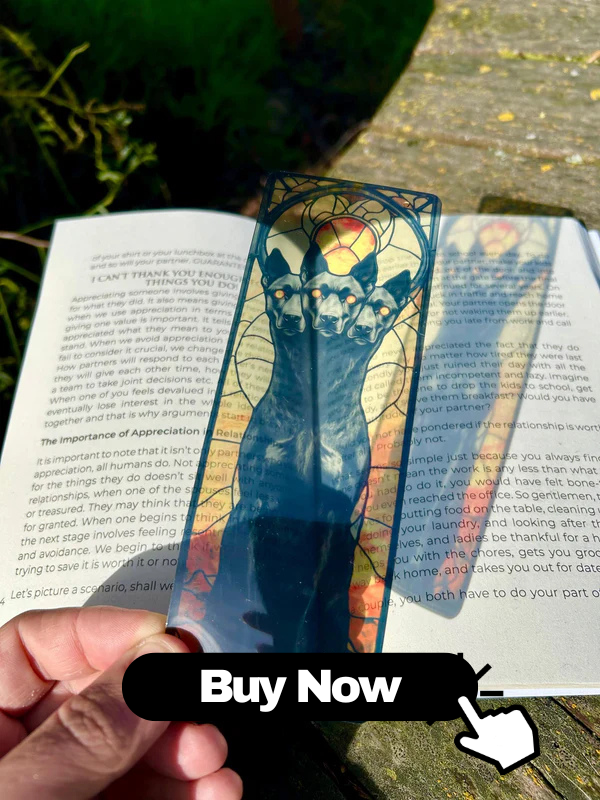
Online Marketplaces
-
Etsy:
- Popular for handmade and artistic bookmarks.
- Built-in audience searching for “art bookmarks,” “illustrated bookmarks,” and “book lover gifts.”
-
Amazon Handmade:
- Access to a massive customer base.
- Good for standardized products once your process is refined.
-
eBay:
- Useful for collectible or limited edition bookmark series.
Your Own Website or Online Shop
-
Shopify, WooCommerce, or Squarespace stores give you:
- Full control over branding and design
- Better SEO control for art bookmark keywords
- No marketplace competition on the same page
Social Media Sales
- Instagram and TikTok: Show the process of turning art into bookmarks and link to your shop.
- Pinterest: A powerful visual search engine for “aesthetic bookmarks,” “watercolor bookmarks,” and “printable bookmarks.”
- Facebook groups and marketplace: Niche reading communities and local shoppers.
In-Person and Local Sales
- Craft fairs and markets
- Pop-up shops in collaboration with bookstores or cafés
-
Consignment or wholesale with:
- Independent bookstores
- Gift shops and museum stores
- Library gift corners
SEO for Selling Art Bookmarks Online
Effective SEO (Search Engine Optimization) helps potential customers discover your art bookmarks on Google, Etsy, and other platforms. Integrating relevant bookmark keywords naturally into your product titles, descriptions, and blog posts is essential.
Keyword Research for Art Bookmarks
Brainstorm and research terms your audience might use, such as:
- “art bookmarks for readers”
- “handmade illustrated bookmarks”
- “aesthetic watercolor bookmark set”
- “custom bookmarks for small business branding”
- “unique book lover gifts”
- “literary quote bookmarks”
Optimizing Product Titles
Combine primary and secondary keywords while remaining readable:
- Good example: “Watercolor Flower Bookmarks – Set of 4 Art Bookmarks for Book Lovers, Handmade Illustrated Gifts”
- Poor example: “Bookmark, art, flowers, pretty, reading” (too vague, not search-friendly)
Optimizing Product Descriptions
- Use natural language and keyword-rich phrases in the first 1–2 sentences.
- Answer common questions:
- Size and materials
- Finish (matte, glossy, laminated)
- Who it’s for (teachers, students, book clubs, fantasy readers)
- Include phrases like:
- “These art bookmarks are perfect gifts for avid readers and book collectors.”
- “Each illustrated bookmark is printed on thick, durable cardstock with a protective finish.”
SEO for Your Bookmark Blog or Website
Publishing helpful blog content can attract organic traffic to your bookmark shop. Topic ideas include:
- “How Small Businesses Turn Art Into Bookmarks”
- “Creative Bookmark Ideas for Book Lovers”
- “How to Design Your Own Printable Bookmarks at Home”
- “Best Gifts for Avid Readers: Art Prints, Bookmarks, and More”
Within each blog post:
- Use <h2> and <h3> headings with relevant keywords.
- Link to your product pages (internal links).
- Add descriptive alt text to images (e.g., “watercolor art bookmark with floral design”).
- Ensure the content is informative, original, and easy to read.
Branding and Storytelling for Your Bookmark Business
A strong brand helps customers remember your small business and understand what makes your art bookmarks special.
Define Your Brand Identity
- Visual style: Color palette, fonts, and overall aesthetic (whimsical, minimalist, dark academia, cottagecore, etc.).
- Brand voice: Warm and friendly, poetic and literary, quirky and humorous—match your audience.
- Core message: Why you create art bookmarks, what inspires your designs, and who they are for.
Tell Your Story
Share your journey as an artist or small business owner:
- How you started turning art into bookmarks
- Your creative process
- Your values (e.g., sustainability, supporting literacy, celebrating culture)
Include this story on your About page, in product descriptions, and across social media to create a meaningful connection with customers.
Collaborations and Niche Opportunities
Small businesses can grow faster by collaborating and finding specific niches where art bookmarks are in high demand.
Collaboration Ideas
- Authors and publishers: Create bookmarks that match book covers or characters as pre-order bonuses or special editions.
- Book boxes and subscription services: Partner with bookish boxes to include your bookmarks in curated packages.
- Libraries and schools: Offer custom bookmarks promoting reading programs or events.
- Local businesses: Coffee shops, museums, or tourist attractions may want branded bookmarks featuring your art.
Niche Markets
- “Dark academia” or “cottagecore” aesthetic bookmarks
- Bookmarks celebrating underrepresented cultures, languages, or histories
- Faith-based or spiritual affirmation bookmarks
- Language-learning bookmarks with vocabulary or phrases
Managing Inventory and Fulfillment
As your bookmark business grows, managing stock and shipping efficiently becomes crucial.
Inventory Management Tips
- Start with small runs of each design to test demand.
- Track which designs sell fastest and reorder those more often.
- Use simple spreadsheets or inventory apps to monitor stock levels.
- Mark limited editions clearly to create urgency.
Shipping and Fulfillment
- Use rigid mailers or reinforced envelopes to avoid bent bookmarks.
- Offer tracking where possible, especially for larger orders.
- Clearly communicate processing times and shipping policies on your product pages.
- Consider using fulfillment services if volume grows significantly.
Customer Experience and Repeat Sales
Delighting customers with your art bookmarks encourages repeat purchases and word-of-mouth referrals.
Delivering a Great Experience
- Include a thank-you note or small freebie, such as a mini bookmark or sticker.
- Package items securely and attractively.
- Respond promptly to messages and resolve issues professionally.
- Encourage customers to share photos on social media and tag your brand.
Strategies for Repeat Sales
- Offer loyalty discounts or coupon codes for future orders.
- Release new bookmark collections regularly and announce them via email or social media.
- Create collector series that customers want to complete over time.
Common Mistakes and How to Avoid Them
Many small businesses face similar challenges when they first start turning art into bookmarks. Being aware of these mistakes can save you time and money.
-
Printing without test samples:
- Avoid: Ordering large quantities without checking color and alignment.
- Do instead: Order or print a small test batch first.
-
Neglecting SEO and product descriptions:
- Avoid: One-line descriptions with no keywords.
- Do instead: Use descriptive, keyword-rich text that explains benefits and details.
-
Underpricing products:
- Avoid: Setting prices too low to “compete” but not covering your costs.
- Do instead: Price to reflect quality, uniqueness, and labor.
-
Inconsistent branding:
- Avoid: Random styles and packaging that confuse customers.
- Do instead: Develop a coherent brand aesthetic and story.
-
Ignoring customer feedback:
- Avoid: Dismissing reviews or complaints.
- Do instead: Use feedback to improve designs, materials, or packaging.
Step-by-Step Launch Checklist
Use this checklist to launch your small bookmark business and turn your art into sellable, SEO-friendly bookmark products.
- Define your niche and audience.
- Choose your bookmark themes and collection concepts.
- Create or adapt artwork for bookmark dimensions.
- Design layouts with safe margins, branding, and optional back-side details.
- Select materials (paper, finish, extras like tassels).
- Print test samples and adjust colors or layout as needed.
- Finalize production and prepare initial inventory.
- Develop packaging with branding elements and protective sleeves.
- Set up your online shop (Etsy, Shopify, etc.).
- Write SEO-optimized product titles and descriptions using relevant bookmark keywords.
- Photograph your bookmarks in clear, bright lighting, including lifestyle shots with books.
- Publish and promote on social media, blogs, and email lists.
- Monitor sales and feedback, then refine designs and listings.
Conclusion: Turning Art into Bookmarks as a Sustainable Business
Small businesses can successfully turn art into bookmarks by combining creative design, thoughtful material choices, strong branding, and smart SEO strategies. Art bookmarks are affordable to produce, easy to ship, and highly appealing to readers and gift buyers. By planning cohesive collections, optimizing your online listings with relevant bookmark keywords, and providing an excellent customer experience, you can build a profitable and sustainable bookmark business that showcases your artwork to a global audience. Whether you are an independent artist, a small creative studio, or a local shop owner, transforming art into bookmarks can become a powerful way to share your creativity and grow your brand.