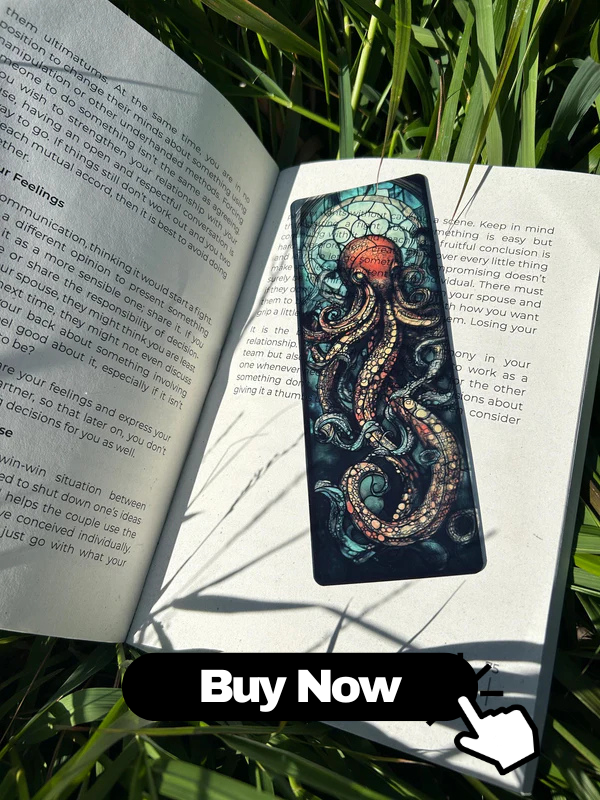
Thin bookmarks may look like a small accessory, but they play a surprisingly important role in preserving the condition of your books. By evenly distributing pressure, avoiding bulk, and reducing friction, slim bookmarks help prevent page damage such as creasing, tearing, and warping. This in-depth guide explains how thin bookmarks prevent page damage, why their design matters, and how to choose the best bookmark materials and shapes to protect your books for the long term.
Why Thin Bookmarks Matter for Book Preservation
When discussing book care and page preservation, most readers think about sunlight, humidity, or how books are stored on shelves. However, one of the most frequent sources of subtle wear is the very object used to mark a page: the bookmark. Using a thin, flat bookmark instead of thick or bulky items is a simple change that can significantly reduce long-term damage.
Thin bookmarks matter because they:
- Align closely with page thickness, minimizing distortion to the book’s spine and paper fibers.
- Reduce bulk inside closed books, which prevents permanent creases or indentations.
- Limit friction and abrasion when the book is opened and closed repeatedly.
- Preserve structural integrity in both paperbacks and hardcovers, especially along the spine.
For readers who care about book longevity, collectible editions, or simply keeping their favorite novels in good shape, choosing a properly designed thin bookmark is one of the easiest and most effective protective steps.
How Thick Placeholders Can Damage Pages
Many people casually slide everyday objects into their books: pens, receipts, tickets, or even bulky leather bookmarks. These improvised placeholders introduce extra thickness between pages and can cause several types of damage over time.
Common problems caused by thick or bulky placeholders include:
- Permanent page creases: A thick object forces the book to close unevenly. The pages bend sharply around the object, leading to deep creases that never fully flatten.
-
Spine stress and cracking: When the spine has to bend around a bulky item, glue and stitching are strained. This can cause:
- Cracking noises when opening the book
- Loose signatures (page blocks) in sewn bindings
- Pages starting to detach from the spine over time
- Edge dents and impressions: Rigid or thick markers leave ridges, dents, or pressure marks along the page edges and margins.
- Surface abrasion: Rough or textured placeholders can rub against the paper, especially when the book is taken in and out of bags, leaving scuff marks or thinning the paper fibers.
- Uneven aging and warping: A thick object can cause one side of the book to warp, leading to a wavy appearance or misaligned covers.
In contrast, thin bookmarks avoid these issues by keeping the book’s natural shape and alignment intact, minimizing stress on the pages and binding.
The Mechanics of Page Damage Inside a Closed Book
To understand how thin bookmarks prevent page damage, it helps to look at what happens when a book is closed around any object. Page damage is primarily caused by:
- Concentrated pressure
- Uneven distribution of thickness
- Friction from movement
1. Concentrated Pressure on a Few Pages
When a book closes around a thick item, only a small group of pages directly surrounding the object bear most of the pressure. This leads to:
- Deep creases around the edges of the object
- Weakening of paper fibers, making pages more likely to tear
- Indentations and ridges, especially visible on thinner or lower-quality paper
2. Uneven Thickness Across the Block of Pages
Books are designed to close with a relatively uniform thickness. Introducing a bulky insert disrupts this balance:
- The spine bends unnaturally at the point of insertion.
- Covers may flare out or twist, especially in paperbacks.
- Pressure is redistributed unevenly across all pages, compounding wear.
3. Friction From Repeated Opening and Closing
Each time you open and close a book, any inserted object may shift slightly. This causes:
- Rubbing along page surfaces, particularly at the edges.
- Micro-tears at the edge where the bookmark is inserted.
- Polishing or thinning of paper where surfaces scrape together.
A thin, smooth bookmark reduces all three of these mechanical stressors by taking up minimal space, distributing pressure more gently, and sliding with less resistance.
How Thin Bookmarks Prevent Page Damage
Thin bookmarks act as a subtle, low-profile buffer between pages. Their primary protective benefits can be grouped into three core advantages:
1. Minimal Distortion of the Book’s Shape
- Thin profile: A slim bookmark is close in thickness to the paper itself, so pages do not have to bend sharply around it.
- Reduced bulk: The book closes more naturally, preserving the spine’s alignment.
- Better stacking and storage: Books stored horizontally or vertically with thin bookmarks experience less compression damage.
2. Even Distribution of Pressure
- Broad, flat surface: A good thin bookmark touches more of the page area, spreading pressure over a larger region.
- No hard edges: Smooth corners and edges mean that there are no sharp pressure points digging into the paper.
- Less “memory” in the paper: Because there’s less dramatic bending, pages are less likely to develop permanent creases.
3. Reduced Friction and Abrasion
- Smoother contact: Quality thin bookmarks usually have smoother surfaces than improvised objects like receipts or cardboard scraps.
- Gentle sliding: When the book opens or the bookmark is repositioned, it glides rather than drags, limiting surface wear.
- Less disruption of page fibers: Reduced friction preserves the strength and opacity of the paper.
In short, thin bookmarks protect pages by mimicking the natural conditions of a closed book: even thickness, gentle contact, and low internal stress.
Best Materials for Thin, Page-Safe Bookmarks
Choosing the right material is essential for page-safe thin bookmarks. Some materials are not only thin but also chemically and mechanically gentle on paper.
Recommended Materials
-
High-quality cardstock (acid-free):
- Thin yet sturdy, with minimal bulk
- Less likely to warp or curl over time
- Ideal for everyday reading and journaling
-
Laminated paper bookmarks (thin lamination):
- Very smooth surfaces that slide easily between pages
- Resistant to spills and finger oils
- Stay thin as long as lamination is not overly thick
-
Plastic or polyester film bookmarks (e.g., Mylar):
- Extremely thin and flexible
- Archival-quality films are often used in libraries
- Best for long-term book preservation projects
-
Metal bookmarks with ultra-thin profiles (stainless steel or brass):
- Very durable and resistant to bending
- Can be extremely thin while remaining strong
- Must have rounded, polished edges to avoid cutting or denting pages
Materials to Use With Caution
- Thick leather bookmarks: Attractive but often too bulky; can distort spines and leave impressions.
- Wooden bookmarks: Even when thin, may have rough edges and are less flexible, increasing pressure points.
- Fabric bookmarks: If thick or textured, they can trap dust, leave fibers, or cause mild abrasion.
Materials to Avoid
- Bulky objects like pens, pencils, or highlighters – cause severe distortion and spine stress.
- Paperclips or binder clips – can leave dents, scratches, or rust marks.
- Sticky notes as permanent markers – adhesive can transfer to pages, causing staining or tearing.
For the best book preservation, pair a thin bookmark with acid-free, non-abrasive materials. This combination greatly reduces the risk of page damage over time.
Ideal Shape and Design Features of Page-Friendly Bookmarks
Beyond material and thickness, the shape and design of a bookmark can influence how well it protects pages.
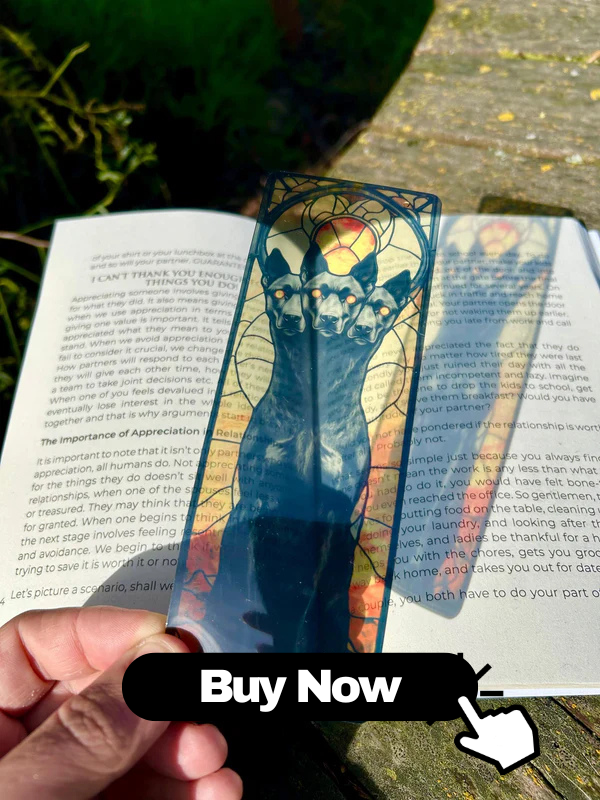
Key Design Features of Page-Friendly Thin Bookmarks
-
Rounded corners:
- Reduce the risk of corner dents or punctures
- Slide more smoothly between pages
-
Smooth, finished edges:
- Prevent paper from catching or tearing
- Minimize micro-abrasions along page surfaces
-
Appropriate length:
- Should be slightly shorter than the book’s height
- Prevents protruding ends from bending or catching in bags
-
Non-bulky embellishments:
- Avoid thick tassels, large charms, or glued decorations
- If decorative elements are used, they should hang outside the book, not between pages
-
Matte or low-gloss finish (for some materials):
- Reduces slipping if you prefer a bookmark that stays in place
- Prevents sticking to glossy or coated pages
Shapes That Support Page Protection
- Classic rectangle: The most reliable shape, providing uniform support along the page margin.
-
Corner bookmarks (thin, triangular design):
- Slip over the corner of a page
- Must be very thin and flexible to avoid denting corners
-
Clip-style bookmarks (thin metal or plastic):
- Securely clip onto a page
- Need gentle tension to avoid indenting paper
When choosing or designing bookmarks, focus on thin, smooth, and lightly contoured shapes that mirror the gentle profile of the pages they protect.
Comparison: Thin Bookmarks vs. Common Substitutes
Many readers use improvised placeholders to mark their page. Understanding how these compare to proper thin bookmarks can highlight the advantages of using a dedicated bookmark.
| Placeholder Type | Thickness & Bulk | Risk of Page Damage | Overall Page-Safety Rating |
|---|---|---|---|
| Thin archival bookmark | Very low | Minimal when used correctly | Excellent |
| Receipt or scrap paper | Low to moderate (often wrinkled) | Can wrinkle, transfer ink, or tear | Fair |
| Pen or pencil | High | Causes spine stress, deep creases | Poor |
| Sticky note | Low | Adhesive may stick, tear, or stain pages | Poor to Fair |
| Thick leather bookmark | Moderate to high | Can warp covers and create impressions | Moderate |
| Paperclip | Moderate, localized | Dents, scratches, rust, or tears | Poor |
The comparison makes it clear: thin, purpose-made bookmarks are far safer for pages than most improvised alternatives, especially when protecting valuable books, textbooks, and cherished paperbacks.
Best Practices for Using Bookmarks Without Damaging Pages
Even the best thin bookmark can cause damage if used carelessly. Following a few bookmark usage best practices will ensure maximum protection:
Inserting the Bookmark
- Insert vertically, aligned with the spine, rather than diagonally across the page.
- Avoid forcing the bookmark in if pages are tightly packed; gently separate them first.
- Leave a small margin from the bottom and top of the page so corners do not get pinched.
Positioning for Minimal Stress
- Place the bookmark near the outer margin, not deep into the gutter (inner fold), to reduce spine stress.
- Avoid stacking multiple bookmarks in a single section of the book; this creates hidden bulk.
- If you use several bookmarks, distribute them evenly throughout the book.
Removing the Bookmark
- Open the book gently before sliding out the bookmark; do not yank it from a closed book.
- Grasp the bookmark by its exposed end and remove it in the direction parallel to the page, not upward.
General Handling Habits
- Do not fold pages (“dog-earing”) in addition to using a bookmark; this adds unnecessary creases.
- Avoid eating or drinking directly over the book; crumbs or moisture can combine with friction and cause staining.
- Store books with bookmarks upright on shelves, with good support, to reduce sagging and warping.
By pairing thin bookmarks with careful habits, you significantly prolong the life and appearance of your books.
Special Tips for Valuable and Collectible Books
For collectors, students, librarians, and archivists, preserving books in near-original condition is especially important. Thin bookmarks are part of broader book conservation strategies.
For Rare and Antique Books
- Use archival-quality, acid-free thin bookmarks to prevent chemical interactions with older paper.
- Avoid metal clip-style bookmarks, which might dent fragile pages.
- Do not leave bookmarks in antique books for extended periods; remove them once you finish the current reading session.
For Signed Editions and Special Prints
- Never place the bookmark directly over the signature or illustrations; keep it in text-only pages if possible.
- Use very thin, smooth bookmarks to avoid impressions on heavy or coated art paper.
For Library and Shared Books
- Choose bookmarks that do not transfer ink or dye to pages.
- Avoid sticky notes, clips, or folded corners; they leave lasting traces on shared copies.
- If you are managing a collection, consider providing standard thin bookmarks to encourage proper use among patrons.
Protecting valuable books is about reducing every small source of wear. Thin, well-designed bookmarks help maintain both the structural integrity and aesthetic condition of prized volumes.
Frequently Asked Questions About Thin Bookmarks & Page Damage
Do all bookmarks prevent page damage?
No. Only thin, smooth, and appropriately sized bookmarks truly help protect pages. Bulky, rough, or rigid bookmarks may actually increase damage by stressing the spine and creasing pages.
Is a very thin metal bookmark safe for all books?
It can be, if:
- Edges are rounded and polished.
- The metal is flexible enough to follow the book’s curve.
- You insert and remove it carefully without scraping pages.
For extremely delicate or antique paper, an acid-free paper or polyester film bookmark may be safer.
Can a bookmark be “too thin”?
If a bookmark is extremely thin and flimsy, it may:
- Crumple easily and create wrinkles.
- Fold into the spine, creating bulk in unintended places.
The goal is thin but stable: a bookmark that stays flat, slides smoothly, and does not buckle.
Is it okay to leave a bookmark in a book for years?
If it is archival-quality and thin, long-term use is usually fine. However:
- Check occasionally for any signs of impression or discoloration.
- Avoid bookmarks with adhesives, inks that may transfer, or materials that may off-gas over time.
Conclusion: Small Tools, Big Protection for Your Books
Understanding how thin bookmarks prevent page damage reveals that this simple tool plays a significant role in book care and preservation. By minimizing bulk, distributing pressure evenly, and reducing friction, a well-designed thin bookmark helps:
- Prevent creases, tears, and dents in pages.
- Protect the spine from unnecessary stress.
- Maintain the shape and appearance of both paperbacks and hardcovers.
To protect your personal library, textbooks, or collectible editions, choose thin, smooth, and archival-friendly bookmarks and use them thoughtfully. This minor reading habit has a major impact on the long-term health and value of your books, ensuring that every page remains as crisp, clean, and readable as the day you first opened it.