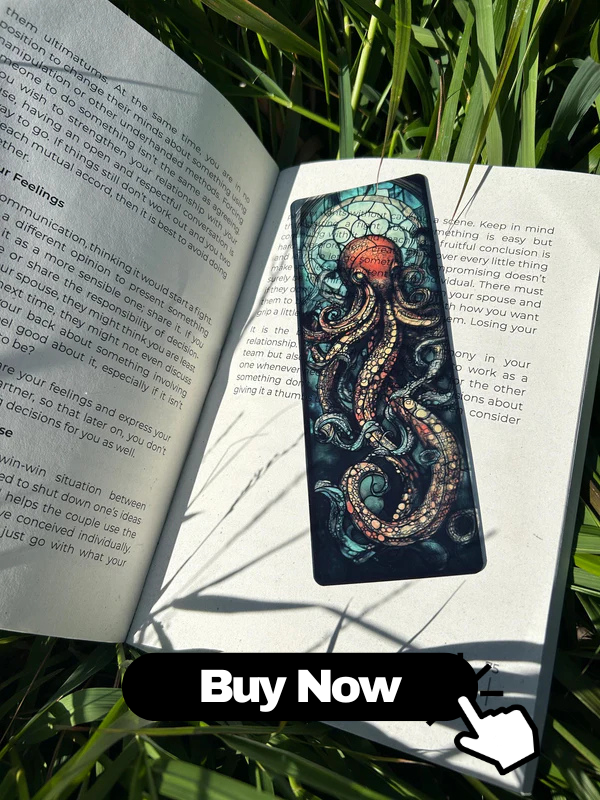
Thin bookmarks might seem like a small detail in the reading experience, but they can have a surprisingly big impact on the health and longevity of your books. By reducing pressure on the spine, minimizing distortion of pages, and preventing unnecessary strain on the binding, a thin bookmark can help keep your favorite novels, textbooks, journals, and collectibles in excellent condition for years. In this guide, you’ll learn exactly how thin bookmarks reduce stress on book bindings, the science behind it, how to choose the right bookmark, and best practices for preserving your books.
What Are Thin Bookmarks?
Thin bookmarks are slim, low-profile markers designed to keep your place in a book while putting minimal pressure on the pages and binding. Unlike bulky or rigid page markers, thin bookmarks lie almost flat inside the book, which dramatically reduces strain on the spine and glue.
Typical characteristics of thin bookmarks include:
- Minimal thickness – usually comparable to or only slightly thicker than a sheet of paper.
- Flexible structure – they bend with the pages instead of forcing them into a new shape.
- Lightweight design – they do not add noticeable weight that pulls on the binding.
- Non-bulky edges – they do not create a visible “bump” in the closed book.
Popular examples of thin bookmarks include:
- Paper or cardstock bookmarks
- Fabric or ribbon bookmarks
- Thin plastic bookmarks
- Washi tape or tab-style page markers (when used carefully)
The main benefit of these designs is reduced mechanical stress on the book’s physical structure—especially the binding, which is the most vulnerable part of a book.
How Book Bindings Work (and Why They Need Protection)
To understand how thin bookmarks help, it’s important to know how book bindings are constructed and where stress occurs.
Basic Components of a Book Binding
- Spine – the back edge of the book where all the pages are attached.
- Signatures or page blocks – groups of pages that are folded and bound together.
- Glue or stitching – the material or method that holds pages to the spine.
- Cover – hardcover or softcover that protects the internal pages.
- Endpapers – the sheets connecting the page block to the covers.
Where Stress Accumulates
Books are designed to open and close thousands of times, but they’re also vulnerable in a few key areas:
- Spine creases from repeated bending.
- Glue fatigue where adhesive holds the pages in place.
- Loose signatures in sewn bindings that can start to shift.
- Warping of covers when something bulky is left inside.
When you insert something thick (like a heavy bookmark, pen, or folded paper) and close the book, you increase internal pressure on the spine and pages. Over time, this accelerates wear and can lead to:
- Cracked or broken spines.
- Pages falling out.
- Permanent warping of the cover and page block.
- Gaps forming near the binding.
This is where thin bookmarks become essential. They allow readers to mark their place without distorting the book’s natural shape.
How Thin Bookmarks Reduce Stress on Book Bindings
Thin bookmarks are more than a style choice; they’re a powerful tool for book preservation. Here’s how they specifically reduce stress on book bindings.
1. Reduced Bulk Between Pages
Every object you place between pages changes how the book closes. A thin bookmark:
- Minimizes the gap between pages when the book is closed.
- Prevents the spine from being forced outward or twisted.
- Reduces the “tenting” effect, where the book bulges around the bookmark.
This is particularly important for:
- Paperbacks with perfect binding (glued spines), which are more vulnerable to cracking.
- Old or antique books with delicate materials.
- Thick textbooks that already carry significant weight on the binding.
2. Even Distribution of Pressure
Thin bookmarks usually lie flat, allowing pressure to distribute more evenly across the page surface and binding:
- Less localized pressure means less risk of pages separating at specific points.
- The spine can flex more naturally without being forced into a sharp angle.
When using a thick or rigid marker, the opposite happens: pressure concentrates around that one object, which can weaken the glue or stitching right where the bookmark is placed.
3. Reduced Strain When the Book Is Stacked or Stored
When books are placed on a shelf or stacked under heavy weight, any extra bulk inside becomes a stress point:
- Thin bookmarks contribute negligible thickness, so books stay aligned and flat.
- They reduce the risk of permanent impressions or dents in the pages.
- They help maintain the original alignment of the spine over time.
4. Less Damage to Paper Fibers
Thicker objects can stretch or tear the paper near where they sit, especially if the book is opened or closed roughly. Thin bookmarks:
- Conform easily to the page surface.
- Are less likely to snag, tear, or crease paper fibers.
- Help maintain clean, flat page edges without “waves” or deformations.
5. Improved Comfort Leads to Gentler Handling
There’s also a behavioral aspect: when bookmarks are thin and comfortable to use, readers are less tempted to:
- Force the book open excessively to make room for something bulky.
- Use harmful objects like pens, receipts, or folded items instead.
By encouraging better habits, thin bookmarks indirectly support long-term binding integrity.
Best Materials for Thin, Book-Safe Bookmarks
The material you choose for your bookmark affects how much stress it puts on the binding. The goal is to find something thin, smooth, and non-abrasive.
1. Paper and Cardstock Bookmarks
Paper bookmarks are popular because they are:
- Extremely thin – causing minimal spacing between pages.
- Flexible – they bend with the spine rather than against it.
- Lightweight – they add almost no weight to the binding.
Pro tips:
- Choose smooth, acid-free paper for archival-quality books.
- Avoid overly glossy or sticky coatings that may transfer to pages.
2. Fabric and Ribbon Bookmarks
Fabric bookmarks and sewn ribbons are classic options, especially for journals and Bibles. They are:
- Very thin, often thinner than regular paper bookmarks.
- Soft and non-scratching on pages.
- Often built-in to high-quality bindings, indicating their book-safe design.
Best practices:
- Use smooth ribbons instead of textured or stiff fabrics.
- Avoid bulky knots, beads, or metal charms that can press against the spine.
3. Thin Plastic Bookmarks
Thin plastic bookmarks can be both durable and gentle if designed correctly:
- Look for flexible, not rigid plastic to prevent forcing the book open.
- Make sure edges are smooth and rounded to avoid cutting or denting pages.
- Avoid thick acrylic pieces marketed as bookmarks; these are often too rigid and bulky.
4. Magnetic Thin Bookmarks (Use with Care)
Magnetic bookmarks fold over the page and hold with small magnets. They can be thin but sometimes introduce extra bulk:
- Choose versions with low-profile magnets.
- Avoid using multiple magnetic bookmarks close together in the same book; they can create pressure clusters.
- Check that the magnets are not so strong that they crease or pinch the page.
5. What to Avoid
For the sake of your book bindings, avoid anything that is:

- Thick or rigid – metal plates, thick leather, wood, heavy acrylic.
- Sharp-edged – can cut into the spine or page edges.
- Sticky or adhesive – tapes and sticky notes can leave residue or tear paper.
Thick vs. Thin Bookmarks: What’s the Difference?
Understanding the differences between thick and thin bookmarks helps clarify why thin bookmarks are better for reducing stress on book bindings.
Thickness and Spine Distortion
-
Thick bookmarks:
- Force the book covers apart when closed.
- Make the spine bulge or twist.
- Increase the angle at which pages bend around the marker.
-
Thin bookmarks:
- Allow the book to close almost fully.
- Preserve the natural curve of the spine.
- Reduce the angle and stress placed on glued or sewn areas.
Weight and Mechanical Stress
-
Heavier bookmarks can:
- Pull on the top edge of the book when it’s upright.
- Cause the page where they’re placed to sag or stretch.
-
Lightweight thin bookmarks:
- Stay almost neutral inside the book.
- Do not create downward drag on a single section of pages.
Long-Term Binding Health Comparison
- Books used with thin, flexible bookmarks:
- Show fewer spine cracks.
- Maintain tighter bindings over time.
- Keep pages aligned and flat.
- Books used with thick, rigid bookmarks or objects:
- Develop creases or breaks near the bookmark location.
- May have pages that loosen or detach in the middle.
- Often show visible bulging when closed.
Common Bookmark Mistakes That Damage Bindings
Even if you use thin bookmarks, certain habits can still harm the binding. Avoiding these common bookmark mistakes will further protect your books.
Using Non-Bookmark Objects
Items readers frequently (but mistakenly) use as bookmarks include:
- Pens and pencils
- Phones or small gadgets
- Bulky receipts or folded envelopes
- Keys or small tools
These objects are usually too thick and heavy, causing:
- Overextension of the spine.
- Indentations on pages.
- Long-term deformation of the book’s shape.
Placing Too Many Bookmarks in One Book
Even if each bookmark is thin, using many at once can add up to significant bulk:
- Multiple markers stacked near the spine create uneven pressure.
- Different sections may bulge, leading to a warped page block.
Try to limit yourself to:
- One main bookmark for your reading position.
- A small number of very thin markers (e.g., tabs) for references, if necessary.
Inserting Bookmarks Too Deep or Too Close to the Spine
If a bookmark is pushed tightly against the inside spine, it can distort the binding:
- Place bookmarks closer to the outer margin of the page.
- Allow some breathing space so the spine can close normally.
Forcing the Book Closed Around the Bookmark
Slamming or pushing a book closed with a bookmark inside amplifies stress:
- Close the book gently, letting pages settle naturally around the thin bookmark.
- Check that the bookmark lies flat and isn’t folded or crumpled.
How to Choose the Right Thin Bookmark for Your Books
Choosing the right thin bookmark can make a significant difference, especially if you care about book conservation, rare editions, or long-term library organization.
1. Consider the Type of Book
-
Paperbacks and mass-market books:
- Use very thin paper or ribbon bookmarks.
- Avoid anything stiff that may crack the glued spine.
-
Hardcover and sewn bindings:
- Slightly thicker cardstock can be acceptable if still flexible.
- Fabric or ribbons are ideal for long-term reading.
-
Collectible, antique, or archival books:
- Use acid-free archival paper or specialized conservation bookmarks.
- Avoid magnetic or plastic materials that may interact with fragile paper.
2. Evaluate Thickness and Flexibility
When evaluating a bookmark, check:
- Thickness – Can you feel a noticeable bump when it’s inside a closed book? If yes, it may be too thick.
- Flexibility – Does it bend easily with the pages, or does it resist and force them into shape?
3. Pay Attention to Edges and Surface
Look for:
- Smooth, rounded edges – to prevent cutting or marking pages.
- Non-abrasive surfaces – avoid glitter, sand, or rough embossing.
- Stable inks – no risk of color transfer onto pages.
4. Design Features That Support Binding Health
Some bookmarks are specifically designed to be book-friendly:
- Ultra-slim, flexible plastic or laminated paper.
- Perforated designs that reduce surface area and stress.
- Built-in string or ribbon extensions instead of heavy top ornaments.
How to Use Thin Bookmarks Without Damaging Books
Even the best thin bookmark must be used correctly to truly reduce stress on book bindings. Follow these simple practices:
Step-by-Step: Inserting a Thin Bookmark
- Open the book gently to your current page.
- Place the bookmark near the outer margin, not pressed against the spine.
- Ensure it lies flat, fully within the page edges (no crumpled corners).
- Close the book slowly, letting gravity and air movement settle the pages.
Do and Don’t Checklist
-
Do:
- Use a single, thin bookmark as your primary page marker.
- Check that the book closes comfortably without resistance.
- Store the book upright or flat to keep pressure even.
-
Don’t:
- Jam the bookmark deep into the gutter (spine area).
- Use multiple thick bookmarks in close proximity.
- Force the covers closed around a bulging object.
Storage and Handling Tips
- When not reading, keep books out of direct sunlight and humidity, which can weaken bindings.
- If you must stack books, avoid placing heavy stacks on books containing bookmarks, even thin ones.
- Periodically remove bookmarks from books in long-term storage to allow them to rest naturally.
Special Cases: Collectors, Students, and Heavy Readers
Depending on how you use your books, the choice and use of thin bookmarks can be even more crucial.
For Book Collectors and Rare Editions
Collectors know that binding condition heavily influences a book’s value. To protect your investments:
- Use acid-free, lignin-free paper bookmarks, often sold as archival markers.
- Avoid any bookmark that adds even moderate thickness or weight.
- Limit the time any bookmark remains in a closed book to prevent long-term impressions.
For Students and Academic Readers
Students often juggle multiple sections, chapters, and notes in the same book. Thin bookmarks are essential for:
- Heavy textbooks that are already challenging on the spine.
- Frequent opening and closing during study sessions.
Suggestions:
- Use ultra-thin sticky flags or tabs for marking important sections.
- Reserve one primary, slightly sturdier thin bookmark for your current reading location.
- Regularly remove unused tabs or markers to reduce cumulative thickness.
For Daily Readers and Library Users
- If you borrow books from a library, use only non-damaging, thin bookmarks.
- Avoid writing, folding corners, or inserting bulky personal items.
- For popular titles that circulate heavily, thin bookmarks help preserve shared copies longer.
FAQ: Thin Bookmarks and Book Binding Care
Do thin bookmarks really make a difference for book longevity?
Yes. By minimizing bulk and uneven pressure inside closed books, thin bookmarks reduce cumulative wear on the spine and glue, slowing down binding failure over time.
Are built-in ribbon bookmarks safe for bindings?
Generally yes. Built-in ribbons are specifically designed to be thin, flexible, and book-safe. Avoid attaching heavy charms or knots to them, which can add stress.
Can magnetic bookmarks damage book bindings?
They can, if they are too thick or used in large numbers. Choose low-profile magnetic bookmarks, avoid stacking them, and ensure they do not pinch pages hard enough to crease them.
Is folding page corners worse than using a thick bookmark?
Folding corners (dog-earing) primarily damages pages rather than the binding. Thick bookmarks, however, can damage both pages and the spine structure. The safest option is a thin, smooth bookmark that respects both.
How many thin bookmarks are safe in one book?
For most books, try to limit yourself to:
- One main thin bookmark for your reading place.
- A few ultra-thin tabs or page flags if absolutely necessary.
The thicker the book and the more delicate the binding, the fewer internal markers you should use.
Conclusion: Small Tools, Big Impact on Book Longevity
Thin bookmarks may seem like a minor accessory, but they play a major role in preserving book bindings. By choosing slim, flexible, and smooth materials, and by using them correctly, you can:
- Reduce mechanical stress on the spine.
- Prevent warping, bulging, and cracking of bindings.
- Extend the life of favorite novels, textbooks, and collectible editions.
For anyone who cares about book care, binding preservation, and long-term reading enjoyment, understanding how thin bookmarks reduce stress on book bindings is a simple yet powerful step. Next time you reach for something to hold your place, choose a thin, book-safe bookmark—your books will thank you by staying strong, flat, and beautiful for years to come.