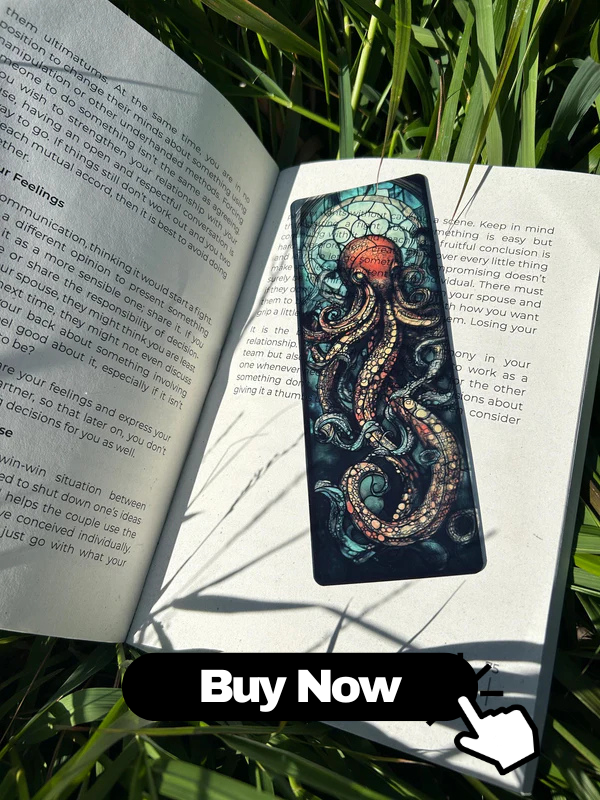
Choosing the right bookmark is about more than just saving your place in a book. If you’re an avid reader, collector, or stationery enthusiast, you’ve probably experienced bookmarks that bend, tear, fray, or simply disappear after a few weeks of use. This detailed guide will walk you through how to choose bookmarks that last for years, focusing on durable materials, smart design features, proper care, and storage. By understanding what makes a bookmark truly long-lasting, you’ll be able to invest in reading accessories that withstand time, travel, and daily use—while also reflecting your personal style.
Why Long-Lasting Bookmarks Matter
When thinking about how to choose bookmarks that last for years, it helps to understand why durability is important in the first place. Many readers underestimate the impact of a well-chosen bookmark.
- Consistency and convenience: A durable bookmark removes the frustration of constantly replacing torn or lost placeholders. You always know where your reading position is.
- Protecting your books: Quality bookmarks prevent damage like folded corners, warped pages, and torn paper—all of which can occur when using makeshift items such as receipts or sticky notes.
- Cost-effectiveness: Investing in a few high-quality, long-lasting bookmarks is cheaper over time than frequently buying flimsy alternatives.
- Personal and aesthetic value: For many, bookmarks are collectible objects that reflect personality, favorite genres, or memorable trips. Durable designs preserve these memories for years.
- Eco-conscious reading habit: Fewer broken or discarded bookmarks mean less waste. Long-lasting bookmarks support a more sustainable approach to reading accessories.
Whether you read physical books daily or only occasionally, choosing a bookmark that is both durable and book-safe makes your reading experience smoother and more enjoyable.
Key Factors in Choosing Durable Bookmarks
To select a bookmark that stands the test of time, you need to evaluate several core factors. Durability isn’t just about thickness or toughness; it’s a combination of material, design, and usability.
- Material strength: The base material (metal, leather, laminated paper, wood, plastic, fabric) directly affects how your bookmark holds up to bending, moisture, and daily wear.
- Flexibility vs. rigidity: A bookmark must be sturdy enough not to crease but flexible enough to slide between pages without damaging the spine or paper.
- Edge quality: Rounded, finished edges reduce fraying and prevent tearing pages. Sharp or rough edges are more likely to cause damage and wear out quickly.
- Moisture and stain resistance: Exposure to coffee, sweat, or humidity can warp or stain low-quality bookmarks. Materials like coated leather, stainless steel, and laminated cardstock offer better resistance.
- Print and color longevity: If your bookmark is printed, make sure the ink is fade-resistant and doesn’t transfer onto book pages over time.
- Comfort in actual use: A bookmark that’s uncomfortable, bulky, or hard to position will get replaced, no matter how strong it is. Practical usability is part of durability.
Evaluating bookmarks with these criteria makes it easier to identify designs that truly last for years rather than weeks.
Best Materials for Bookmarks That Last for Years
One of the most important steps in learning how to choose bookmarks that last is understanding the pros and cons of each material. Some materials are naturally longer-lasting, while others rely on protective finishes.
1. Metal Bookmarks
Metal bookmarks are among the most durable bookmark options available.
- Common metals: Stainless steel, brass, aluminum, and sometimes copper.
-
Advantages:
- Extremely long-lasting; resistant to bending and tearing.
- Often thin enough to avoid damaging the spine.
- Can be engraved, etched, or laser-cut with intricate designs.
- Resistant to moisture, spills, and everyday wear.
-
Potential drawbacks:
- May feel cold or heavy for some users.
- Poorly finished edges can scratch pages—look for smooth, rounded edges.
- Reflective surfaces can show fingerprints and smudges.
Metal is ideal if you want a premium long-lasting bookmark that can potentially last a lifetime with minimal care.
2. Leather Bookmarks
Leather is a classic material for readers who value a combination of durability and elegance.
-
Advantages:
- Flexible but strong; resists tearing when properly tanned and finished.
- Ages beautifully, developing a patina over time.
- Comfortable to handle; warm and soft to the touch.
-
Considerations:
- Look for genuine or full-grain leather for maximum longevity.
- Requires minimal care: avoid soaking, and occasionally condition if needed.
- Faux leather can be durable but varies widely in quality; choose thicker, well-stitched types.
3. Laminated Cardstock or Heavy Paper
High-quality paper bookmarks can last for years if they are properly protected.
-
Features to look for:
- Heavyweight cardstock (at least 300 gsm) for enhanced rigidity.
- Full lamination or a protective coating to guard against moisture and tearing.
- Rounded corners to prevent peeling and fraying.
-
Advantages:
- Lightweight and comfortable in any book size.
- Ideal for printed designs, artwork, and branding.
- Generally more affordable while still long-lasting when laminated.
-
Drawbacks:
- Can still bend if stored poorly.
- Lamination may peel over time in low-quality products.
4. Wood and Bamboo Bookmarks
Wooden bookmarks are increasingly popular among eco-conscious readers.
-
Advantages:
- Strong and long-lasting when cut thin and finished properly.
- Natural, unique grain patterns; ideal for personalized engraving.
- Bamboo in particular is lightweight and sustainable.
-
What to check:
- Smooth surfaces and polished, rounded edges to protect pages.
- A protective finish (varnish or sealant) for moisture resistance.
- Moderate thickness—too thick and it can strain the book’s spine.
5. Plastic and Silicone Bookmarks
Plastic and silicone bookmarks range from very cheap to surprisingly durable.
-
Durable plastic bookmarks:
- Opt for rigid but slightly flexible plastics (like PET or polypropylene).
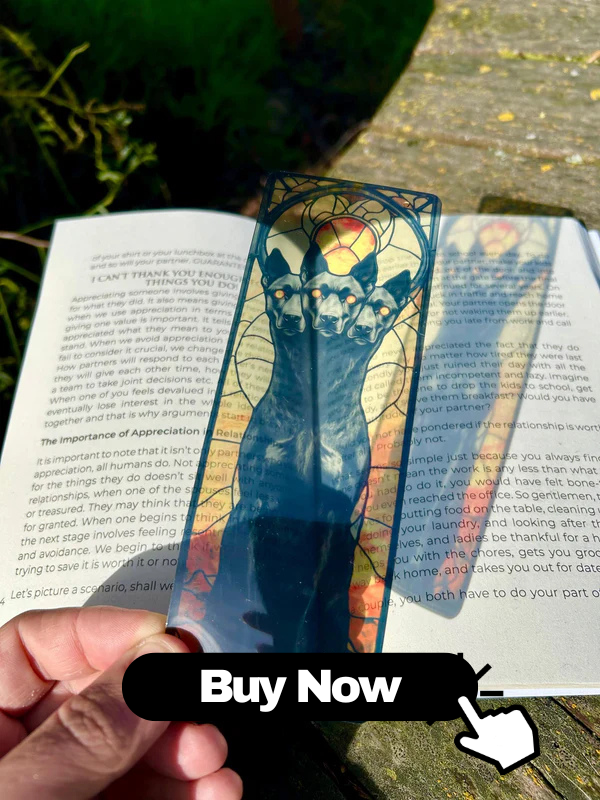
- Transparent options can protect page visibility.
- Check that the plastic is non-brittle and doesn’t crack under mild bending.
-
Silicone bookmarks:
- Soft, flexible, and gentle on pages.
- Often used as corner bookmarks or clips.
- Resistant to water and stains.
-
Drawbacks:
- Very thin plastic can crease or tear with time.
- Cheap plastics may yellow or become brittle.
6. Fabric and Ribbon Bookmarks
Fabric bookmarks can be both beautiful and durable when well made, but quality varies.
-
Pros:
- Soft and gentle on book pages.
- Suitable for embroidered or hand-crafted designs.
-
Cons and considerations:
- Edges must be hemmed, sealed, or fused to prevent fraying.
- Prone to staining from oils, drinks, and ink.
- Better as decorative or occasional-use bookmarks rather than heavy-duty daily ones.
Bookmark Design Features That Improve Longevity
Beyond material choice, certain design elements significantly influence how long a bookmark will last and how well it protects your books.
1. Thickness and Shape
-
Ideal thickness:
- Too thin: bends, creases, or rips easily.
- Too thick: can damage the book’s spine and cause bulging.
- Look for a balanced thickness that feels sturdy but lies flat.
-
Shape considerations:
- Rectangular designs are classic and versatile.
- Novelty shapes should avoid pointed tips that may catch or tear pages.
- Rounded or bevelled corners increase durability.
2. Edge Finishing
- Why edges matter: Poorly cut edges fray, chip, and damage pages.
-
What to look for:
- Smooth, even, and rounded corners.
- Polished edges in metal and wood bookmarks.
- Sealed or reinforced edges in laminated paper and fabric designs.
3. Non-Damaging Page Contact
A bookmark is only truly long-lasting if it keeps both itself and your book in good condition.
-
Avoid:
- Clips with strong metal springs that crush or indent pages.
- Sticky bookmarks or tabs that leave residue.
- Rough or textured surfaces that might transfer color or scratch.
-
Choose:
- Flat surfaces that distribute pressure evenly.
- Soft coatings or smooth finishes.
- Gentle magnetic bookmarks designed for books (not heavy office binders).
4. Practical Fringe and Tassel Design
-
Tassels and ribbons:
- Attractive, but they can fray if not well made.
- Look for tassels attached with secure knots and high-quality thread.
- If you carry books in bags, consider simple designs that won’t tangle or catch.
-
Functional add-ons:
- Rulers integrated into bookmarks can be useful and durable if clearly printed and scratch resistant.
- Pen-holder bookmarks should not stretch or tear easily at the attachment point.
5. High-Quality Printing and Coating
-
For printed bookmarks:
- Look for UV-resistant inks that won’t fade quickly.
- Matte or glossy protective coatings can preserve artwork.
- Ensure print is fully cured and doesn’t smudge when rubbed.
Choosing Bookmarks for Different Types of Readers
Your reading habits should guide the type of long-lasting bookmark you choose. The best bookmark for a daily commuter may differ from that of a collector of rare editions.
1. Everyday Readers
-
Recommended features:
- Lightweight but sturdy bookmarks like laminated cardstock or thin metal.
- Non-bulky designs that fit various book sizes.
- Neutral, comfortable textures for frequent use.
2. Commuters and Travelers
-
Key priorities:
- Durability under movement—books in bags experience more friction.
- Bookmarks that won’t slip out easily, such as magnetic or clip-style designs.
- Water and stain resistance (metal, coated leather, laminated paper).
3. Students and Researchers
-
Practical features:
- Bookmarks with note-taking sections (laminated surfaces usable with dry-erase pens).
- Multi-tab bookmark sets for marking multiple sections.
- Durable plastic or laminated bookmarks that withstand frequent repositioning.
4. Collectors and Gift Buyers
-
Ideal choices:
- Premium metal or leather bookmarks with engraving or embossing.
- Limited edition wooden or artisanal designs.
- High-end bookmarks packaged in protective sleeves or boxes.
5. Children and Young Readers
-
Best options:
- Durable plastic or silicone bookmarks that withstand rough handling.
- Bright, fun designs that encourage reading habits.
- Avoid sharp edges or very small detachable parts.
How to Care for Bookmarks So They Last for Years
Even the most durable bookmark benefits from proper care. If you want bookmarks that truly last for years, how you use and maintain them matters.
1. General Care Tips
- Use bookmarks as intended: Don’t bend, twist, or fold them unnecessarily.
- Avoid using bookmarks as tools: They are not letter openers, rulers (unless designed as such), or scrapers.
- Keep them clean: Gently wipe metal, plastic, or laminated bookmarks with a soft, dry or slightly damp cloth.
2. Material-Specific Care
-
Metal:
- Wipe fingerprints regularly to prevent tarnish on non-stainless metals.
- Dry immediately if exposed to water.
-
Leather:
- Keep away from prolonged moisture and direct sunlight.
- Occasionally condition with a small amount of leather conditioner, if needed.
-
Laminated paper:
- Avoid bending sharply to prevent laminate from creasing.
- Do not expose to high heat; it can warp or peel the laminate.
-
Wood:
- Keep dry; wipe with a soft cloth.
- Avoid dropping on hard surfaces to prevent chips.
-
Fabric:
- Store flat to prevent creasing.
- If washable, hand wash gently and air-dry fully before use.
Storage Tips to Extend Bookmark Lifespan
Choosing a bookmark that lasts for years also means storing it well when not in use.
-
Dedicated storage:
- Use a small box, pouch, or drawer for spare bookmarks.
- For collectors, consider archival sleeves or plastic pockets.
-
Avoid extreme conditions:
- Keep away from direct sunlight to prevent fading.
- Store in a dry place to avoid mold or warping.
-
Keep flat:
- Stack bookmarks flat rather than standing them upright, especially paper, laminated, and fabric types.
- Avoid placing heavy books directly on top of delicate bookmarks.
Eco-Friendly and Sustainable Long-Lasting Bookmarks
A bookmark that lasts for years is already a more sustainable choice, but you can go further by choosing eco-friendly bookmark materials.
-
Bamboo and sustainably harvested wood:
- Renewable, biodegradable, and highly durable when sealed.
-
Recycled metal:
- Many metal bookmarks can be produced from recycled alloys.
-
Recycled paper with lamination:
- Choose bookmarks made from post-consumer recycled paper.
-
Plant-based or vegan leather alternatives:
- Cork, apple leather, and other innovative materials can offer good longevity.
By combining sustainability with durability, you reduce waste while still enjoying beautiful, long-lasting bookmarks.
Common Mistakes When Choosing Bookmarks
Avoiding a few common mistakes will help you consistently select bookmarks that last longer and protect your books better.
- Choosing purely on design, not durability: Beautiful artwork is appealing, but evaluate the material and construction first.
- Ignoring edge quality: Sharp or rough edges can ruin both your bookmark and your pages.
- Buying overly thick or heavy bookmarks: These can warp book covers and strain spines.
- Relying on cheap, thin paper bookmarks: Promotional or free bookmarks are often not designed for long-term use.
- Not considering your actual reading habits: A delicate, decorative bookmark may not survive daily commuting.
Where to Buy High-Quality Durable Bookmarks
You can find long-lasting bookmarks in many places, but some sources specialize in durability and craftsmanship.
-
Bookstores and stationery shops:
- Offer curated selections of metal, leather, and laminated bookmarks.
- Allow you to feel the material quality in person.
-
Online marketplaces:
- Search specifically for terms like “metal bookmark,” “leather bookmark,” “wooden bookmark,” or “durable bookmarks that last”.
- Read customer reviews focused on longevity and build quality.
-
Artisan and handmade platforms:
- Support small creators who often prioritize quality materials.
- Find unique, customizable, and collectible long-lasting bookmarks.
-
Library and museum gift shops:
- Often stock well-made metal, leather, or heavy paper bookmarks with classic designs.
DIY Ideas for Long-Lasting Bookmarks
If you enjoy crafting, you can make your own durable bookmarks using high-quality materials and a few simple techniques.
1. Laminated Photo or Art Bookmark
- Print your design or photo on heavyweight paper.
- Trim edges and round the corners.
- Laminated with a home laminator or at a print shop.
- Trim again, keeping a small laminate border to prevent peeling.
2. Leather Strip Bookmark
- Cut a narrow strip of genuine or high-quality faux leather.
- Round the corners with scissors.
- Punch a small hole at the top if you want to add a tassel.
- Burnish or gently sand the edges for a smooth finish.
3. Wooden or Bamboo Bookmark
- Purchase pre-cut thin wooden blanks or bamboo slats.
- Sand the edges and corners until smooth.
- Decorate with wood-burning, stamps, or waterproof ink.
- Seal with a light coat of clear, non-tacky varnish.
With careful material selection, your DIY bookmarks can be just as long-lasting as store-bought versions.
Frequently Asked Questions About Durable Bookmarks
Do metal bookmarks damage books?
Metal bookmarks are safe for books when they are thin, smooth, and well-finished. Avoid metal bookmarks with sharp corners or rough cutouts that might catch pages. High-quality metal bookmarks are designed to slide in and out without harming the spine or paper.
Are magnetic bookmarks good for long-term use?
Magnetic bookmarks can be very durable and convenient, especially for travel, as long as:
- The magnet is not overly strong (to avoid indenting pages).
- The outer material is sturdy (laminated paper, plastic, or fabric backed).
- The edges are smooth and not prone to peeling.
How many bookmarks should I own?
You don’t need a large collection, but having 3–10 high-quality bookmarks is practical if you read multiple books at once. A small, curated set of durable bookmarks is better than many flimsy ones.
Can laminated bookmarks really last for years?
Yes, laminated bookmarks made from heavy cardstock and high-quality laminate can last for many years, especially if they are stored flat and not excessively bent. Pay attention to the quality of the lamination to avoid premature peeling.
What is the most durable bookmark material overall?
For most readers, metal and well-finished leather bookmarks offer the best combination of longevity, strength, and aesthetic appeal. However, properly laminated paper and sealed wood bookmarks can also last for years with careful use.
Final Tips for Choosing Bookmarks That Last for Years
To summarize how to choose bookmarks that stand the test of time, focus on the following core principles:
- Prioritize durable materials: Metal, leather, high-quality laminated paper, and sealed wood are top choices.
- Inspect construction: Look for smooth edges, rounded corners, sturdy coatings, and non-damaging contact surfaces.
- Match the bookmark to your reading habits: Choose travel-friendly, moisture-resistant options if you read on the go; pick premium materials for collected editions.
- Care and store properly: Keep bookmarks clean, dry, and flat to maximize their lifespan.
- Think long-term value: A slightly higher upfront cost for a durable bookmark can save money and frustration over the years.
By considering material, design, and daily use, you can confidently choose bookmarks that last for years, protect your books, and enhance every reading session. Durable bookmarks are a small investment that make a significant difference in your overall reading experience.