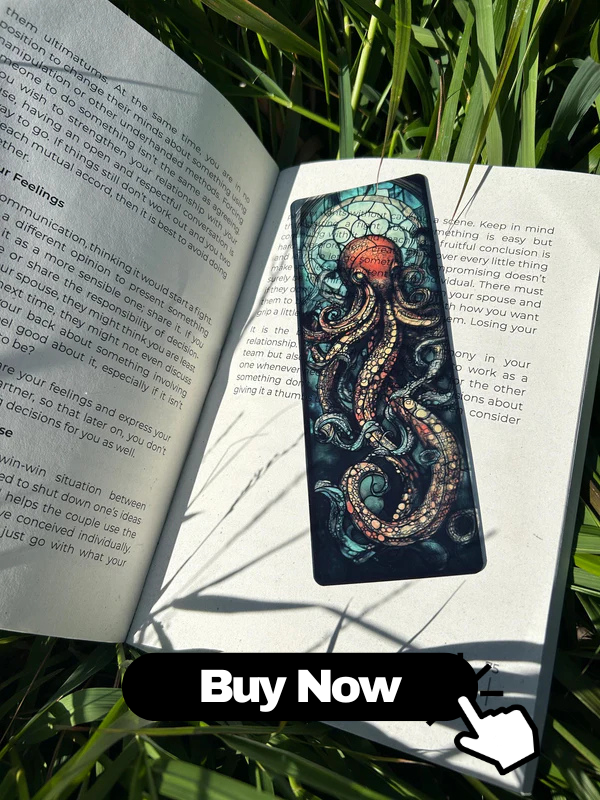
Choosing the right bookmark might seem simple, but if you’re a serious reader, collector, librarian, student, or stationery lover, you know that durable bookmarks can make a big difference in how you enjoy and protect your books. This detailed guide explains exactly how to choose bookmarks that last for years, covering materials, designs, protective features, and care tips so you can invest in bookmarks that are both beautiful and long‑lasting.
Why Durable Bookmarks Matter
Many readers underestimate how important a strong, long-lasting bookmark is. Choosing the right one protects your books and enhances your reading routine.
-
Preserves the condition of your books: Flimsy or poorly designed bookmarks can:
- Wrinkle or tear pages
- Leave color stains if they bleed
- Cause spine damage if they’re too thick or rigid
-
Saves money over time: Rather than constantly replacing cheap bookmarks, a well‑selected durable bookmark can last for:
- Multiple books
- Years of regular reading
- Daily use in work, school, or library environments
-
Provides a better reading experience:
- Doesn’t slip out easily
- Doesn’t damage or distort pages
- Feels comfortable to handle and move between chapters
-
Supports organization and productivity: Reliable bookmarks help:
- Track multiple sections in textbooks or manuals
- Mark references and quotes for research
- Maintain order in planners, journals, and notebooks
All of this makes durable bookmarks a small but powerful tool for anyone who reads regularly and wants bookmarks that will truly last for years.
Best Materials for Long-Lasting Bookmarks
The material of a bookmark is the single most important factor in its lifespan. Below are the most common bookmark materials and how they perform over time.
1. Metal Bookmarks
Metal bookmarks are among the most durable options available.
- Common metals: Stainless steel, brass, aluminum, bronze
-
Advantages:
- Highly resistant to bending and tearing
- Often thin enough not to damage book spines
- Can include engraved designs that won’t fade
- Last for many years with minimal wear
-
Potential drawbacks:
- May scratch delicate paper if edges are sharp
- Can be cold or rigid to handle
- Heavier than paper or plastic bookmarks
Best for: Collectors, gift bookmarks, long-term use in favorite books, durable bookmarks for planners and journals.
2. Laminate and Coated Paper Bookmarks
Laminated bookmarks are made from printed paper sealed in plastic, combining flexibility with protection.
-
Advantages:
- Protected from moisture, dust, and dirt
- Resistant to tearing and creasing compared to plain paper
- Affordable yet long-lasting with proper care
-
Considerations:
- Check that the lamination is sealed completely around edges
- Excessively thick lamination can press into pages
- Cheap lamination may peel after heavy use
Best for: Everyday readers, students, schools, and libraries seeking long-lasting bookmarks that are still budget-friendly.
3. Plastic and PVC Bookmarks
Plastic bookmarks can last years if made from quality materials.
-
Advantages:
- Highly resistant to ripping or bending
- Often waterproof and easy to wipe clean
- Can be transparent, making it easier to see underlying text
-
Potential issues:
- Cheap plastics may become brittle or warped over time
- Can be too stiff and leave marks if too thick
- Some plastics are not environmentally friendly
Best for: Readers who need durable, water-resistant bookmarks, such as beach readers or commuters.
4. Leather Bookmarks
Leather bookmarks are classic, durable, and elegant.
-
Advantages:
- Flexible yet strong enough to resist tearing
- Ages gracefully, often looking better over time
- Comfortable to handle and gentle on pages
-
Considerations:
- Not ideal if exposed frequently to water or high humidity
- Requires occasional conditioning to avoid cracking
- Some dyed leathers may bleed color if wet
Best for: Long-term use in personal libraries, gifts, and premium bookmarks that are meant to last.
5. Fabric and Ribbon Bookmarks
Fabric bookmarks and ribbons can last surprisingly long when well-made.
-
Advantages:
- Soft and gentle on pages
- Lightweight and flexible
- Can be sewn, embroidered, or woven for added strength
-
Potential downsides:
- Fraying edges if not finished properly
- Can collect dust and stains more easily than metal or plastic
- Colors may fade with sunlight exposure
Best for: Journals, diaries, Bibles, and books where gentle, non-damaging bookmarks are a priority.
6. Wood Bookmarks
Wooden bookmarks are unique and can be very durable with the right finish.
-
Advantages:
- Strong and resistant to bending
- Natural, aesthetic, and often handcrafted
- Can be laser-engraved for long-lasting designs
-
Drawbacks:
- Can be thicker than ideal for delicate paperbacks
- Unfinished wood may absorb moisture and warp
- Rough edges can potentially scratch pages
Best for: Display, gifts, and use in sturdy hardcovers where long-term bookmark durability and appearance matter.
Design Features That Improve Durability
Beyond material, the design of a bookmark dramatically affects whether it will truly last for years.
Reinforced Edges and Corners
- Rounded corners: Less likely to bend or crease; reduce the risk of poking or tearing pages.
- Reinforced borders: Stitching, lamination edges, or metal frames add structural strength.
- Edge treatments: Smooth, polished, or coated edges protect both the bookmark and the book.
Non-Fraying Construction
- For fabric or ribbon bookmarks, look for:
- Hemmed edges or serged seams
- Heat-sealed ends on synthetic ribbons
- Avoid loosely woven fabrics that pull threads easily.
Secure Attachments and Embellishments
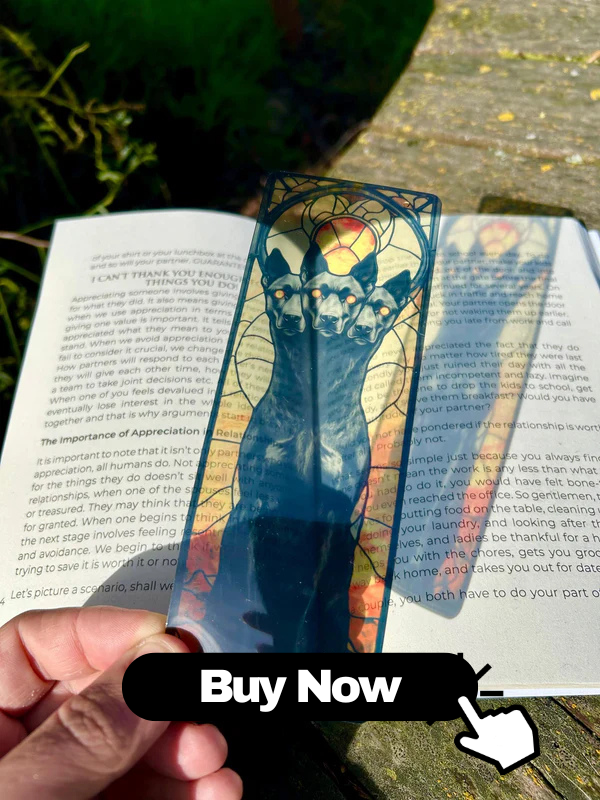
Charms, tassels, beads, and metal clips can make bookmarks attractive yet more fragile if poorly attached.
-
Look for:
- Firmly crimped or soldered metal attachments
- Double-knotted tassels
- Reinforced holes (grommets) where ribbons are threaded
-
Avoid:
- Heavy charms that can rip through paper or fabric
- Sharp embellishments that can scratch or tear pages
Flexible but Not Flimsy
The best long-lasting bookmark design balances flexibility with strength.
- Too stiff: May distort pages, stress the binding, or snap under pressure.
- Too thin: Tears easily, bends permanently, and wears out quickly.
- Ideal: A bookmark that bends slightly but returns to its original shape without creasing.
Protective Finishes and Coatings
Protective coatings can extend the life of a bookmark by years, especially for paper, wood, or metal designs.
For Paper and Cardstock Bookmarks
-
Lamination (gloss or matte):
- Shields against spills, smudges, and finger oils
- Prevents ink from fading or smearing
-
UV coating:
- Reduces color fading from sunlight
- Ideal for bookmarks used outdoors or near windows
-
Varnish or aqueous coatings:
- Provide light protection while retaining a paper feel
For Metal Bookmarks
- Anti-tarnish coatings: Help brass, copper, or silver-toned bookmarks resist discoloration.
- Enamel fills: Add color and protect engraved areas from wear.
- Polished edges: Reduce potential for scratching paper.
For Leather and Wood Bookmarks
-
Leather conditioners:
- Prevent cracking and drying
- Keep the leather supple and strong
-
Wood sealants or oils:
- Protect from moisture and warping
- Preserve the natural grain and color
When browsing for long-lasting bookmarks, pay attention to mentions of coatings, finishes, and treatments in product descriptions—they’re often what separates a bookmark that lasts months from one that lasts years.
Size, Shape, and Thickness Considerations
To avoid damaging books while still enjoying durable bookmarks, you need to consider their physical dimensions.
Recommended Bookmark Size
- Typical length: 5–7 inches (12–18 cm)
- Typical width: 1–2 inches (2.5–5 cm)
- For large textbooks: Slightly longer bookmarks can provide better grip and visibility.
Optimal Thickness
- Paper/laminated: Around 300–400 gsm before lamination or roughly 0.3–0.5 mm thick after.
- Metal: Thin sheets (0.2–0.4 mm) prevent strain on the binding.
- Leather: Thin, flexible leather is ideal for frequent use.
Tip: If a bookmark is so thick that it causes pages to bulge around it, it may shorten the life of the book and should be used only occasionally.
Shape and Profile
- Rectangular bookmarks: Classic and usually safest for long-term use.
-
Clip bookmarks:
- Attach firmly to the page
- Should be smooth and gentle on paper
- Metal clips must not pinch so tightly they rip or crease pages
-
Magnetic bookmarks:
- Fold over the page and hold securely with magnets
- Choose slim designs to avoid imprinting on the paper
How to Choose Bookmarks for Different Reading Styles
Your reading habits should guide how you choose bookmarks that last for years.
For Heavy Daily Readers
- Choose:
- Laminated cardstock with rounded corners
- Durable plastic bookmarks with smooth edges
- Metal bookmarks with thin profiles
- Look for:
- Non-fraying tassels or no tassels at all
- Designs that survive being moved dozens of times per day
For Students and Researchers
- Ideal bookmark features:
- Writable surfaces for notes or page numbers
- Color-coded sets to mark multiple sections
- Thin, non-bulky designs for textbooks
- Recommended choices:
- Laminated bookmarks with matte finish (for reduced glare)
- Magnetic bookmarks for precise section marking
For Casual or Occasional Readers
- Focus on:
- Comfortable, visually appealing bookmarks that invite you to read
- Simple yet sturdy designs (e.g., coated cardstock)
- Even with light use, choosing quality bookmarks reduces the chance of losing them to random tears or bends.
For Collectors and Gift-Giving
- Prioritize:
- High-quality metals, leather, or wood
- Archival-quality inks and finishes
- Elegant construction, gift boxes, or protective sleeves
- These premium bookmarks are designed to be keepsakes and can easily last for decades.
Common Bookmark Problems and How to Avoid Them
Recognizing common issues helps you select long-lasting bookmarks that won’t disappoint.
1. Bending and Warping
- Cause: Thin paper, cheap plastic, and exposure to moisture or heat.
-
How to avoid:
- Choose thicker cardstock with lamination
- Avoid leaving bookmarks in hot cars or damp spaces
2. Fraying and Peeling
- Cause: Poor-quality fabric or incomplete lamination.
-
How to avoid:
- Select bookmarks with sealed or sewn edges
- Check that laminated bookmarks are fully sealed without gaps
3. Color Fading and Ink Smearing
- Cause: Low-quality inks and lack of UV or moisture protection.
-
How to avoid:
- Opt for UV-coated or laminated prints
- Avoid getting bookmarks wet or leaving them in direct sun for long periods
4. Damaging the Book
- Cause: Bookmarks that are too thick, rough, sharp, or heavy.
-
How to avoid:
- Test new bookmarks in a book you’re not worried about damaging first
- Always run a finger along edges to check for sharp spots
- Avoid oversized metal charms that pull on pages
Caring for Bookmarks So They Last Years
Even the most robust durable bookmarks need some care to truly last for years.
Basic Care Tips
- Store bookmarks in a dry, cool place when not in use.
- Avoid folding or stuffing them into tight spaces (like overfilled pencil cases).
- Keep them away from:
- Open drinks and food
- Direct sunlight for extended periods
- Extreme temperatures
Cleaning Tips by Material
-
Paper / Laminate:
- Wipe gently with a soft, slightly damp cloth
- Avoid soaking or strong chemicals
-
Metal:
- Use a microfiber cloth to remove fingerprints and dust
- For tarnish, use a gentle metal polish recommended for the specific metal
-
Leather:
- Clean with a dry or slightly damp cloth
- Apply leather conditioner occasionally to maintain suppleness
-
Fabric:
- Spot-clean with mild soap and water if needed
- Air-dry completely before putting back into a book
Eco-Friendly and Sustainable Bookmark Options
If you want bookmarks that are both durable and environmentally responsible, look for eco-friendly bookmark materials and sustainable production methods.
Recycled and Recyclable Materials
- Recycled cardstock: Thick, sturdy, and often just as durable as virgin paper.
- Bamboo or sustainably sourced wood: Natural and long-lasting when sealed properly.
- Recyclable metals: Stainless steel or aluminum bookmarks that last decades.
Non-Toxic Inks and Finishes
- Look for:
- Water-based inks
- Soy-based inks
- Finishes labeled as low-VOC or eco-friendly
- These choices support both long-lasting bookmarks and healthier production processes.
Minimalist and Multi-Use Designs
- Choose bookmarks that:
- Double as rulers, note guides, or reference charts
- Are made to last instead of disposable paper scraps
- Have timeless designs you won’t tire of quickly
When to Invest in Premium or Collectible Bookmarks
In some situations, it’s worth paying more for premium bookmarks designed for long-term use.
Reasons to Upgrade
- Special editions or cherished books: Beloved novels, family Bibles, or collector’s items deserve high-quality bookmarks.
- Gifts for book lovers: Leather, metal, or artisan-made bookmarks make memorable and durable presents.
- Personal reading ritual: If you read daily, a well-crafted bookmark enhances your experience every time you open a book.
What to Look for in Premium Bookmarks
- Clear descriptions of:
- Materials used (e.g., full-grain leather, stainless steel)
- Protective finishes (UV coating, enamel, lamination)
- Production quality (handmade, laser-cut, archival inks)
- Reputation of the maker or brand, especially if you want a bookmark that may become a collectible item.
Quick Checklist for Choosing Long-Lasting Bookmarks
Use this checklist when shopping for bookmarks that last for years:
- Material: Is it strong, durable, and suitable for daily use (metal, laminated card, quality plastic, leather)?
- Edges: Are the corners rounded or smoothed to protect pages and prevent wear?
- Thickness: Is it thin enough not to strain the book spine yet firm enough not to bend easily?
- Finish: Does it include lamination, UV coating, or protective sealant where appropriate?
- Attachments: Are tassels or charms securely attached and not too heavy?
- Comfort: Does it feel pleasant in hand and move easily between pages?
- Book safety: Could it scratch, dent, or tear pages in any way?
- Environment: If you care about sustainability, is it made from recycled, recyclable, or eco-friendly materials?
FAQ About Long-Lasting Bookmarks
Are metal bookmarks safe for all types of books?
Metal bookmarks are generally safe for most books if they are thin and have smooth edges. For very old, fragile, or rare books, consider using soft, archival-quality paper or fabric bookmarks instead.
Is lamination always the best choice for durability?
Lamination significantly increases the lifespan of paper bookmarks, protecting them from spills, dirt, and tearing. However, excessively thick lamination can make a bookmark too rigid for delicate paperbacks. Look for thin, flexible lamination for everyday reading.
How long can a good bookmark realistically last?
With quality materials and basic care, a durable bookmark can last many years. Metal and leather bookmarks can easily last a decade or more; laminated or plastic bookmarks often last several years of regular use.
Are magnetic bookmarks bad for books?
Most magnetic bookmarks are safe as long as they are slim and not too strong. Overly thick magnetic bookmarks can press into the paper, so choose thin designs especially for paperback or thinner pages.
What is the most durable type of bookmark overall?
For sheer longevity, metal bookmarks and high-quality laminated bookmarks are often the most durable. However, the “best” option also depends on how they interact with your specific books and reading habits.
By focusing on quality materials, smart design details, and a bit of proper care, you can choose bookmarks that stay attractive, functional, and reliable for many years—turning a simple reading tool into a long-term companion for your library.