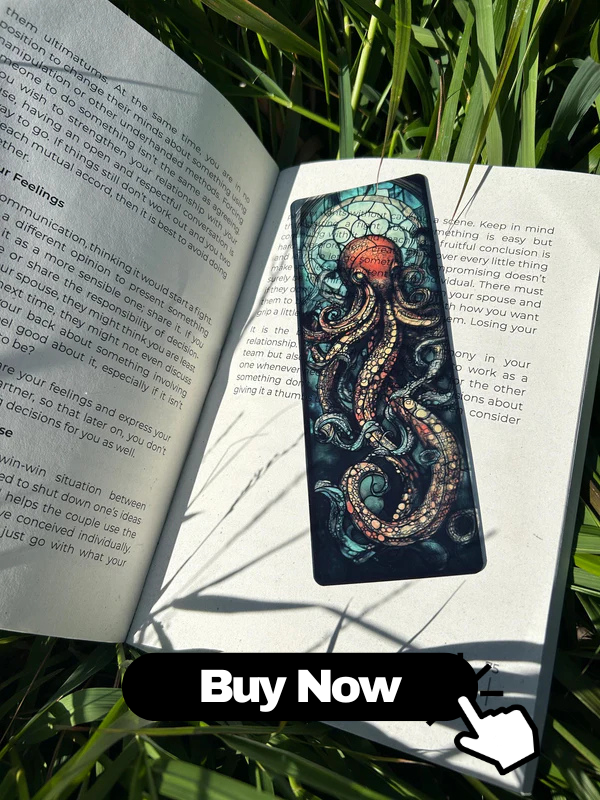
As the new school year approaches, students and parents alike start searching for ways to make study time more productive, comfortable, and enjoyable. One often-overlooked area is choosing the right reading accessories for back to school. The right tools—such as bookmarks, book lights, reading stands, and annotation supplies—not only protect your eyes and posture but also boost focus, comprehension, and long-term learning habits. This comprehensive guide will walk you through how to choose the best reading accessories for every age, subject, and learning style, so that you can build a smart, efficient, and inspiring reading setup for the new school year.
Why Reading Accessories Matter for Back to School
Choosing the right reading accessories for school is about more than just style. These tools directly impact how comfortably and effectively students can read and study.
- Improved focus and comprehension: Accessories like page holders and bookmarks help students maintain their place and reduce distractions, leading to better comprehension and retention.
- Better ergonomics: Book stands, lap desks, and proper lighting help prevent neck strain, eye fatigue, and headaches during long reading sessions.
- Time management: Using bookmarks, sticky notes, and tabs helps students quickly find key sections, track assignments, and manage their study time efficiently.
- Personalization and motivation: Fun, colorful, or themed accessories can make reading feel more enjoyable, especially for reluctant readers returning to school.
- Organization and note-taking: Accessories designed for annotation (highlighters, page flags) support active reading, exam prep, and essay writing.
When you intentionally choose back-to-school reading accessories, you create a more supportive learning environment that encourages consistent, comfortable study habits.
Types of Reading Accessories Students Should Consider
Before shopping, it helps to know the main categories of reading accessories and how they support different reading needs.
- Page management tools: bookmarks, page clips, page holders, book darts
- Lighting accessories: clip-on book lights, desk lamps, adjustable LED lamps
- Ergonomic supports: book stands, lap desks, reading pillows, document holders
- Annotation tools: highlighters, pens, sticky notes, page tabs, index tabs
- Vision aids: magnifiers, reading glasses, colored overlays for some learners
- Focus aids: earplugs, noise-cancelling headphones, white-noise apps (for digital reading)
- Digital reading accessories: tablet stands, screen protectors, stylus pens, e-reader covers
- Organizers: pencil cases, accessory pouches, desk organizers, bookmark holders
Each category serves a different purpose, and combining a few key items will create a complete and efficient back-to-school reading toolkit.
How to Choose the Right Bookmarks
Bookmarks seem simple, but the right style makes daily reading easier, especially when juggling multiple textbooks and novels.
Key Bookmark Features to Consider
-
Material:
- Paper/cardstock: lightweight and affordable, great for younger students but less durable.
- Plastic or laminated: more durable and resistant to spills—ideal for backpacks and school use.
- Magnetic bookmarks: clip securely to pages, making them excellent for crowded backpacks or on-the-go reading.
- Metal bookmarks: slim, long-lasting, and professional-looking; ideal for older students and college readers.
- Design and visibility: Choose bookmarks with bold colors or easy-to-spot designs so students can quickly find their place.
-
Size and shape:
- Standard full-length bookmarks for novels and textbooks.
- Shorter corner bookmarks that grip the page corner without protruding too far.
- Wide bookmarks for large-format textbooks or music books.
-
Functionality:
- Bookmarks with rulers printed on them for multi-purpose use.
- Bookmarks with sticky-note pads attached for quick notes. li>Bookmarks that include reading trackers (e.g., date, chapter, page goals).
Best Bookmarks for Different Students
- Elementary school readers: Choose durable, colorful, and themed bookmarks that make reading fun. Magnetic bookmarks help avoid lost pages.
- Middle and high school students: Go for slim, durable bookmarks that can handle multiple textbooks, like laminated or metal versions.
- College students: Opt for multi-functional bookmarks—metal rulers, sticky-note bookmarks, or bookmarks with built-in page flags.
For SEO and practicality, remember phrases like best bookmarks for students and durable school bookmarks when researching and buying online.
Lighting and Book Lights for Comfortable Reading
Proper reading light for students is crucial, especially during late-night study sessions or early morning homework. Poor lighting can cause eye strain, headaches, and reduced concentration.
Types of Reading Lights
-
Clip-on book lights:
- Attach directly to a book, e-reader, or binder.
- Portable and perfect for shared dorm rooms or siblings sharing a room.
- Look for adjustable brightness and warm light options.
-
Desk lamps:
- Best for dedicated study desks and longer reading sessions.
- Choose adjustable arms and heads to direct light where needed.
- LED desk lamps with brightness settings and color temperature control are ideal.
-
Floor lamps with reading arms:
- Good for small rooms without a separate desk.
- A flexible reading arm can provide focused light on textbooks or notebooks.
What to Look for in a Book Light or Desk Lamp
- Adjustable brightness: Students should be able to change intensity based on time of day and environment.
-
Color temperature options:
- Warm light (2700–3000K): Relaxing and good for bedtime reading.
- Neutral or cool light (4000–5000K): Better for focused study and homework.
- Eye-friendly LED technology: Look for flicker-free LEDs with good diffusion to minimize glare.
-
Power source:
- Rechargeable battery-powered book lights for portability.
- Plug-in desk lamps for long study sessions.
- USB-powered lamps compatible with laptops or power banks.
Using the right reading lamp for homework can significantly improve a student’s ability to concentrate during back-to-school study routines.
Reading Stands and Book Holders: Posture and Productivity
Book stands for students are one of the most underrated reading accessories. They help maintain good posture, reduce neck strain, and free up hands for note-taking.
Benefits of Book Stands and Holders
- Ergonomic reading position: Keeps books at eye level, reducing hunching and neck pain.
- Hands-free reading: Ideal for taking notes, typing, or following along in a textbook during lectures.
- Better organization: Keeps textbooks and workbooks neatly propped up on small desks.
Types of Book Stands
-
Adjustable desktop book stands:
- Foldable and portable for school and home use.
- Angle adjustment is important for comfort and glare reduction.
-
Heavy-duty textbook stands:
- Designed to hold large, heavy textbooks or reference books.
- Ideal for high school and college students with science or law textbooks.
-
Tablet and e-reader stands:
- Support digital reading devices.
- Look for non-slip bases and multiple viewing angles.
-
Laptop and multi-purpose stands:
- Double as laptop risers and book holders.
- Useful in small dorm rooms or shared study spaces.
To optimize for both comfort and productivity, choose a reading stand for school that is durable, easy to carry, and compatible with textbooks and devices.
Annotation Tools: Highlighters, Sticky Notes, and Tabs
Active reading is essential for subjects that require deep understanding and exam preparation. The right annotation accessories for students help them mark important passages, organize ideas, and quickly review for tests.
Highlighters and Pens
- Non-bleed highlighters: Especially important for thin textbook pages and novels.
- Color-coding sets: Using different colors for themes, definitions, formulas, or examples helps with memory.
- Fine-tip pens and fineliners: Useful for writing annotations in margins or underlining key phrases.
Sticky Notes and Page Tabs
-
Standard sticky notes:
- Great for summarizing chapters or writing questions.
- Perfect for books students cannot write in.
-
Transparent sticky notes:
- Allow students to write directly over text while keeping it visible.
- Ideal for rented textbooks.
-
Page flags and index tabs:
- Mark chapters, key diagrams, or problem sets.
- Label with short keywords for easy revision (e.g., “exam”, “formula”, “theme”).
How to Choose Annotation Tools for Back to School
- Check school rules: Some schools restrict writing in certain books or require specific pen colors.
-
Consider subject needs:
- Literature: page flags and sticky notes for themes and quotes.
- Science and math: highlighters and pens for formulas and diagrams.
- History: color-coded notes for events, dates, and people.
- Organize by color: Select a consistent color code for all subjects and stick to it.
These tools are central to a complete back-to-school reading accessory kit focused on academic success.
Magnifiers and Vision Support Accessories
For some students, especially those with visual challenges, vision-support accessories for reading make a significant difference.
Useful Vision Aids
- Handheld magnifiers: Simple magnifying glasses for small print or detailed diagrams.
- Bar magnifiers: Long magnifiers that cover a full line of text to aid tracking.
- Stand magnifiers: Hands-free options that rest on the page, helpful for long sessions.
- Reading glasses: For students with prescriptions or minor vision issues—check with an eye specialist before the school year.
- Colored overlays: Some learners with visual stress or dyslexia find colored overlays helpful for improving text clarity.
When selecting these accessories, focus on comfort, clarity, and portability, especially if students move between classrooms throughout the day.

Earplugs and Noise-Reduction Accessories
Reading and studying often require concentration in noisy environments—school libraries, cafeterias, dorms, or shared bedroom spaces. Noise-reduction accessories can help students stay focused.
-
Foam earplugs:
- Inexpensive and effective at reducing background noise.
- Good for test prep and focused reading.
-
Reusable silicone earplugs:
- More durable and comfortable for long sessions.
- Better for environmentally conscious families.
-
Noise-cancelling headphones:
- Can reduce constant background noise like air conditioners or chatter.
- Some students prefer instrumental or white noise to support reading.
While not traditional “reading accessories,” earplugs for studying and focused reading are powerful tools during the busy back-to-school season.
Digital Reading Accessories and E-Readers
Many schools now integrate tablets, laptops, and e-readers into daily learning. Choosing the right digital reading accessories can improve comfort and protect expensive devices.
Essential Digital Reading Accessories
-
Tablet and e-reader stands:
- Prevent neck strain by keeping screens at eye level.
- Look for adjustable angles and stable bases.
-
Screen protectors:
- Anti-glare protectors reduce eye strain under bright lights.
- Scratch-resistant protectors extend device life.
-
Protective cases and sleeves:
- Shock-resistant cases protect devices in backpacks.
- Consider stands built into cases for reading and note-taking.
-
Stylus pens:
- Helpful for annotating PDFs, highlighting e-textbooks, and writing notes directly on documents.
Choosing E-Readers for Students
-
E-ink e-readers:
- Gentler on the eyes than tablets.
- Excellent for long reading assignments and novels.
-
Tablets with reading apps:
- More versatile for apps, video lessons, and interactive textbooks.
- May require stronger discipline to avoid distractions.
When assembling back-to-school digital reading gear, balance eye health, portability, and the school’s requirements for digital learning.
Age-Specific Recommendations: Elementary, Middle, High School, and College
The best reading accessories for back to school depend on the student’s age, reading level, and workload.
Elementary School Students
- Fun bookmarks: Colorful, character-themed, or magnetic bookmarks to keep reading enjoyable.
- Simple book lights: Soft, warm clip-on lights for bedtime reading or quiet reading corners.
- Basic book stands: Lightweight plastic stands for picture books or early chapter books.
- Large sticky notes: For drawing or writing short reflections on stories.
Middle School Students
- Durable bookmarks: Laminated or plastic bookmarks for multiple textbooks.
- Adjustable desk lamp: To support growing homework and study time.
- Starter annotation kit: A small set of highlighters, tabs, and sticky notes.
- Simple earplugs or headphones: For focusing during independent reading.
High School Students
- Heavy-duty book stands: For long reading sessions and exam prep.
- Comprehensive annotation set: Multiple highlighter colors, fine-tip pens, and index tabs.
- Advanced desk lamp: Brightness and color temperature controls.
- Digital accessories: Stands, stylus pens, and screen protectors for tablets or laptops.
College and University Students
- Professional bookmarks and page flags: Slim and discreet for dense academic texts.
- Portable book stand: Compact and strong enough for heavy textbooks.
- High-quality noise-cancelling headphones: For library or dorm study sessions.
- Advanced digital reading tools: E-readers or tablets with note-taking apps and stylus support.
Aligning accessories with grade level ensures they are both age-appropriate and truly useful throughout the school year.
Organizing and Storing Reading Accessories
Even the best reading accessories are only effective if they are easy to find and use. Good organization supports consistent study habits.
Practical Storage Ideas
-
Desk organizers:
- Use compartments for highlighters, sticky notes, and pens.
- Keep a dedicated section for bookmarks and page flags.
-
Pencil cases and pouches:
- Assign a small pouch specifically for reading tools—tabs, mini highlighters, small bookmarks.
- Ideal for students who move between school, home, and the library.
-
Bookmark holders or cups:
- Use a small cup or box near the reading area to store extra bookmarks and page clips.
-
Cable and device organizers:
- Keep chargers, stylus pens, and headphones neatly stored with digital readers.
Creating a simple, repeatable system ensures that back-to-school reading accessories are always where students need them.
Budget, Durability, and Sustainability Considerations
When preparing for back to school, it’s easy to overspend on attractive accessories. A strategic approach helps balance cost, durability, and sustainability.
How to Stay on Budget
-
Prioritize essentials:
- Start with lighting, basic bookmarks, and a few annotation tools.
- Add extras like decorative accessories later if needed.
- Buy multi-packs: Page flags, sticky notes, and highlighters are often cheaper in sets.
- Use what you already have: Check last year’s supplies before buying new items.
Durability and Long-Term Use
-
Invest in quality where it matters:
- Book stands, desk lamps, and noise-cancelling headphones should last several years.
- Choose sturdy materials: Metal and thick plastic often outlast thinner, cheaper options.
Sustainable Reading Accessories
-
Reusable products:
- Dry-erase bookmarks for reading goals and notes.
- Refillable highlighters and pens.
-
Eco-friendly materials:
- Bookmarks made from recycled paper or sustainably sourced wood.
- Minimal packaging or recyclable packaging when possible.
By thinking ahead, families can assemble a cost-effective and eco-friendly back-to-school reading kit that stands up to daily classroom life.
Back-to-School Reading Accessories Shopping Checklist
Use this checklist to plan and streamline your back-to-school reading accessories purchases.
Essential Reading Accessories
- Bookmarks (at least 3–5 per student)
- Book light or desk lamp
- Basic book stand or reading stand
- Highlighters (2–4 colors)
- Sticky notes (various sizes)
- Page flags or index tabs
- Pens and pencils for annotation
Optional but Highly Recommended
- Magnetic bookmarks for textbooks
- Noise-reduction earplugs or headphones
- Tablet or e-reader stand
- Screen protector and device case
- Magnifier or reading glasses (if needed)
- Desk organizer or accessory pouch
Checking these items off before the first day of school ensures students start the year with a fully equipped reading setup.
Final Tips for Choosing the Best Reading Accessories
To wrap up, here are some concise guidelines to help you choose the best reading accessories for back to school:
- Match accessories to real needs: Consider the student’s grade level, study habits, and school requirements before buying.
- Prioritize comfort and health: Invest in ergonomic items like book stands and high-quality lighting to protect posture and eyes.
- Support active reading: Choose annotation tools that encourage highlighting, note-taking, and organization.
- Balance affordability and durability: Spend more on long-term items, save on easily replaceable supplies.
- Keep organization simple: Create a specific place for reading tools so they are always accessible.
With thoughtful choices, your back-to-school reading accessories will do far more than mark pages—they will support focus, comprehension, and a lifelong love of learning throughout the year.