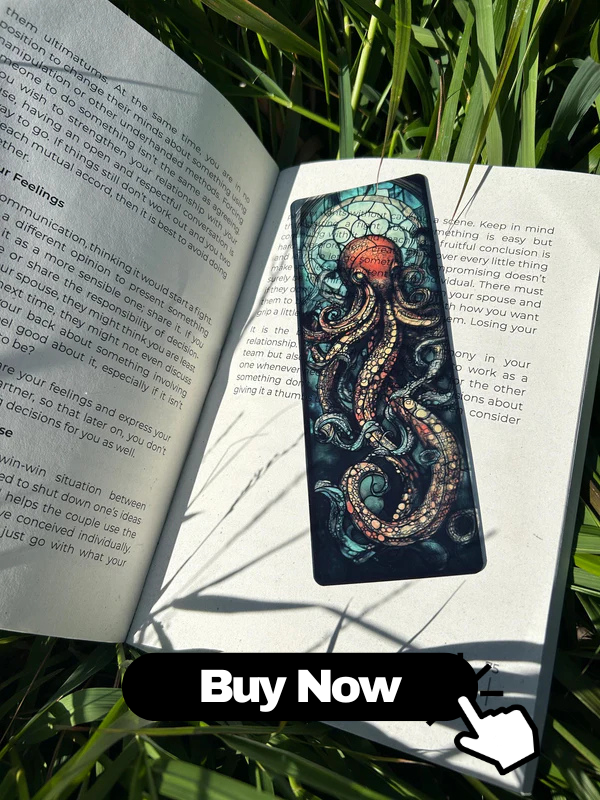
Choosing the right bookmarks for kids based on age can make reading more fun, interactive, and meaningful. Age-appropriate bookmarks do more than just mark a page: they can motivate children to read, support learning, reflect their interests, and even build good reading habits. This detailed guide will help parents, teachers, and caregivers understand how to pick the best bookmarks for different age groups, what features to look for, and how to use bookmarks to encourage a lifelong love of reading.
Why Bookmarks Matter for Kids
Bookmarks may seem like small accessories, but they can have a big impact on how children experience reading. When selected carefully, age-appropriate bookmarks for kids can:
- Encourage consistent reading habits by creating a sense of progress and ownership.
- Make reading feel special—a favorite bookmark can turn reading into a ritual.
- Support learning with letters, numbers, sight words, or educational themes.
- Reflect a child’s interests (animals, superheroes, sports, fantasy, etc.), making books more appealing.
- Help with organization when kids juggle multiple books, subjects, or series.
- Reduce wear and tear on books by replacing folded page corners (“dog-ears”) with gentle markers.
Understanding the developmental stage of your child is crucial for picking the best bookmarks by age. Younger children need durability and safety; older readers often prefer style, emotional expression, and functionality.
Key Factors When Choosing Bookmarks for Children
Before diving into age-specific suggestions, it helps to know the general features that make kids’ bookmarks effective and safe.
1. Age Appropriateness
- Size and shape should match the child’s hand and the size of the books they read.
- Complexity of design should be simple for younger kids and more detailed for older ones.
- Reading level support (e.g., alphabet bookmarks vs. literary quotes) should match developmental stages.
2. Safety
- Avoid small detachable parts for toddlers and preschoolers to prevent choking hazards.
- Skip sharp edges and metal corners for younger children.
- Choose non-toxic, child-safe materials and inks.
3. Durability
- Look for thick cardstock, laminated paper, or flexible plastic for rougher handling.
- Fabric and magnetic bookmarks often last longer for school-age children and teens.
- Water-resistant or laminated designs are useful for backpacks and school use.
4. Design and Engagement
- Pick fun, colorful designs to attract young readers.
- Use character bookmarks from favorite books, movies, or shows to create an emotional connection.
- Include interactive elements like stickers, trackers, or spaces to write goals for school-age readers.
5. Educational Value
- For younger kids: alphabet, shapes, colors, and numbers on bookmarks.
- For older kids: vocabulary words, reading strategies, literary terms, or inspirational quotes.
- For all ages: reading logs and progress trackers integrated into bookmark designs.
6. Personalization
- Add child’s name, favorite colors, or photos to make the bookmark feel special.
- Let kids design or decorate their own bookmarks as a simple reading craft project.
Bookmarks for Toddlers and Preschoolers (Ages 2–5)
For the youngest children, bookmarks are primarily about introducing the concept of books and reading routines. At this stage, adults are usually the ones reading, but kids can still enjoy choosing and using their own bookmarks.
What to Look For
- Large size so bookmarks are easy to see and handle.
- Soft, flexible materials like thick laminated paper, foam, or felt.
- Bright, simple images of animals, vehicles, shapes, or familiar characters.
- Rounded corners for safety.
- Washable or easy-to-clean surfaces for sticky little hands.
Best Types of Bookmarks for Ages 2–5
-
Foam and Felt Bookmarks
- Soft, bendable, and gentle on picture books.
- Can include simple stitched designs, faces, or animals.
-
Oversized Cardstock Bookmarks
- Thicker than normal paper; harder to tear.
- Use large fonts and clear images to support recognition.
-
Clip-On or Corner Bookmarks (with caution)
- Choose large, soft corner bookmarks that won’t rip pages.
- Avoid tiny clips or magnets that can detach.
Educational Ideas for Preschool Bookmarks
- Alphabet bookmarks: Each bookmark shows one letter and a picture (“A is for Apple”).
- Color and shape bookmarks: Great for early concept learning.
- Routine bookmarks: Include a short bedtime reading symbol or icon to remind kids when it’s book time.
Safety Tips for Toddlers and Preschoolers
- Avoid bookmarks with beads, buttons, or detachable charms.
- Supervise kids who still put objects in their mouths.
- Check regularly for tears, peeling lamination, or loose parts and replace as needed.
Bookmarks for Early Readers (Ages 6–8)
As children begin reading independently, bookmarks can become powerful tools for building confidence and supporting early literacy skills.
Key Features for Ages 6–8
- Sturdy but lightweight for school bags and home use.
- Bright designs and fun themes to match favorite chapter books.
- Simple text such as sight words, short reminders (“Sound it out!”), or reading tips.
- Room to write the child’s name to prevent loss at school.
Recommended Bookmark Types for Early Readers
-
Laminated Paper Bookmarks
- Durable enough for backpacks and desks.
- Easy to print at home or in classrooms.
-
Magnetic Bookmarks
- Clip over the page and stay secure.
- Help children easily find their place for school reading assignments.
-
Reading-Reward Bookmarks
- Include check boxes or stars they can color in each time they read.
- Turn bookmarks into mini reading logs or incentive charts.
Educational and Motivational Elements
- Sight word bookmarks with high-frequency words.
- Phonics bookmarks listing vowel sounds, blends, or digraphs.
-
Motivational phrases such as:
- “You’re a Super Reader!”
- “One more chapter!”
- “Reading takes you on adventures.”
How Parents and Teachers Can Use Bookmarks at This Age
- Create a bookmark station where kids can choose a bookmark before reading.
- Let children earn special bookmarks as rewards for reading milestones.
- Use themed bookmarks during reading challenges or book fairs.
Bookmarks for Tweens (Ages 9–12)
Older children and tweens often read longer books and may juggle school assignments, personal reading, and series. For this age, bookmarks should balance personality, functionality, and durability.
Key Features for Ages 9–12
- More sophisticated designs that don’t feel “babyish.”
- Themes based on hobbies and fandoms: fantasy, sports, gaming, animals, or favorite authors.
- Stronger materials like fabric, leatherette, or thicker laminated plastic.
- Practical extras such as rulers, reading tips, or lists of literary terms.
Popular Bookmark Types for Tweens
-
Magnetic and Clip Bookmarks
- Great for keeping track of multiple books in school and at home.
- Less likely to slip out of packed backpacks.
-
Fabric or Ribbon Bookmarks
- Can be decorative and expressive.
- Sometimes include a charm on one end for easy grabbing.
-
Quote and Inspiration Bookmarks
- Include inspiring quotes about reading, courage, or creativity.
- Appeal to growing independence and self-identity.
Educational and Organizational Elements
- Bookmarks with reading strategies (predict, question, visualize, summarize).
- Genre bookmarks with short explanations of fantasy, mystery, historical fiction, etc.
-
Homework helper bookmarks with:
- Commonly confused words.
- Short grammar reminders.
- Citation or note-taking tips.
Supporting Reading Motivation in Tweens
- Let tweens choose bookmarks that express their identity (favorite fandom, quotes, or aesthetics).
- Use bookmarks as part of reading challenge kits with goal trackers.
- Create series-specific bookmarks (e.g., “Book 1, Book 2, Book 3”) for popular sagas.
Bookmarks for Teens (Ages 13+)
Teen readers usually know what they like and may have strong preferences about style and function. For this age group, bookmarks become more like personal accessories and reading lifestyle tools.
Key Features for Teens
- Stylish and mature designs—minimalist, aesthetic, or themed around their interests.
- Durable materials that can last through heavy reading and travel.
- Functional features like elastic bands, page markers, or multiple tabs.
- Neutral or sophisticated colors that feel grown-up.
Ideal Bookmark Types for Teen Readers
-
Metal or Wooden Bookmarks
- Give a sense of permanence and quality.
- Great for avid readers who keep books for years.
-
Elastic Band Bookmarks
- Wrap around the book to hold it closed and mark the page.
- Useful for textbooks, journals, and planners.
-
Artistic and Collector Bookmarks
- Showcase artwork, photography, or literary quotes.
- Appeal to teens who love aesthetics and personalization.
Bookmarks that Support Academic Success
- Study aid bookmarks with formulas, timelines, or note-taking frameworks.
-
Annotation bookmarks with quick reminders:
- “Highlight main idea.”
- “Mark important quotes.”
- “Write a question in the margin.”
- Planner bookmarks that double as page markers in agendas or bullet journals.
Safety and Materials: What Parents Should Know
Regardless of age, the materials used in kids’ bookmarks are important for both safety and sustainability.

Safe and Child-Friendly Materials
- Cardstock and paper (preferably recycled and thick).
- Laminated paper for water and tear resistance.
- Felt and fabric that are soft and non-irritating.
- Non-toxic inks and dyes certified for children’s products.
Materials to Use with Caution
- Metal bookmarks for younger kids (sharp edges possible).
- Small magnetic bookmarks for children who might put items in their mouths.
- Bookmarks with heavy charms or dangling parts that might damage pages or become distractions.
Eco-Friendly Options
- Choose recycled or sustainably sourced paper.
- Try bamboo or wooden bookmarks for older kids and teens.
- DIY bookmarks from upcycled materials like cereal boxes or art scraps.
Educational Bookmarks: Turning Markers into Learning Tools
Educational bookmarks for kids can reinforce school skills and make learning feel less like work and more like a natural part of reading.
Ideas by Age Group
-
Preschool (2–5):
- Numbers 1–10 with matching images.
- Shapes and colors with clear labels.
- Simple daily routine pictures (bath, bed, book, sleep).
-
Early Readers (6–8):
- Common sight words: “the,” “and,” “you,” “said,” etc.
- Simple punctuation reminders (period, question mark, exclamation point).
- Mini reading checklist (“Did I read the title?”, “Did I look at the pictures?”).
-
Tweens (9–12):
- Reading strategy bookmarks (predict, connect, infer).
- Vocabulary builders: synonyms, antonyms, or word roots.
- Bookmarks for nonfiction reading with text feature reminders (index, glossary, headings).
-
Teens (13+):
- Literary term reference (theme, tone, symbolism, conflict).
- Essay structure or note-taking outlines.
- Foreign language vocabulary lists for language learners.
Benefits of Educational Bookmarks
- Provide quick, at-a-glance reminders without interrupting reading.
- Support independent learning and self-correction.
- Make homework and studying easier by keeping essential info handy.
DIY and Personalized Bookmarks for Kids
Homemade and personalized bookmarks can deepen a child’s connection to reading. Crafting their own markers can turn bookmark making into a literacy activity.
Benefits of DIY Bookmarks
- Allow kids to express creativity and personal taste.
- Create a sense of ownership and pride in their reading tools.
- Offer a low-cost way to create custom age-appropriate bookmarks.
Simple DIY Bookmark Ideas by Age
-
For Ages 2–5:
- Pre-cut cardstock rectangles that kids can decorate with stickers and washable markers.
- Foam shapes glued onto sturdy paper (adult supervision needed).
-
For Ages 6–8:
- Draw favorite book characters on cardstock bookmarks.
- Create corner bookmarks from folded origami paper.
- Add simple reading goals like “Read 10 minutes a day.”
-
For Ages 9–12:
- Design themed bookmarks based on their favorite series or genres.
- Use quotes from books they love and illustrate them.
- Laminate finished bookmarks for durability.
-
For Teens:
- Make collage bookmarks using magazine cutouts or printed art.
- Create digital designs and print them on heavy paper.
- Use watercolors or brush pens for artistic, minimalist bookmarks.
Tips for Successful DIY Bookmark Projects
- Use thick paper or light cardboard so bookmarks don’t bend easily.
- Consider laminating the final product for long-term use.
- Write the child’s name and the year on the back as a keepsake.
Using Bookmarks to Motivate Reluctant Readers
For children who are hesitant or struggling readers, the right bookmark can serve as a motivational tool and reading companion.
Strategies to Encourage Reading with Bookmarks
-
Reward Bookmarks
- Offer a special bookmark for reaching a reading goal (e.g., “10 books read”).
- Use collectible bookmark sets kids can earn over time.
-
Interest-Based Bookmarks
- Choose bookmarks that match their existing interests (sports, animals, games, comics).
- Pair topic-themed bookmarks with books on similar subjects.
-
Interactive Bookmarks
- Use bookmarks with spaces to write feelings or short reactions to the chapter.
- Include “stop-and-think” prompts for comprehension.
Examples of Motivational Bookmark Messages
- “You’re getting stronger every page you read.”
- “This bookmark belongs to a dedicated reader.”
- “Just one more chapter—you can do it!”
How to Organize and Store Kids’ Bookmarks
As children grow, they may collect many bookmarks. Teaching them to organize and care for their bookmarks supports responsibility and respect for books.
Simple Organization Ideas
- Use a small pencil case or pouch labeled “Bookmarks.”
- Keep a bookmark box or jar near the family bookshelf.
- Hang bookmarks on a corkboard or string line with clips.
- Sort bookmarks by age, theme, or purpose (school vs. home reading).
Teaching Kids to Care for Bookmarks
- Show them how to slide bookmarks gently into books without bending pages.
- Encourage them to put bookmarks away when not in use.
- Model using bookmarks yourself to reinforce the habit.
Buying Guide: Where and How to Buy the Best Kids’ Bookmarks
When you’re ready to purchase, a few strategies can help you find high-quality, age-appropriate bookmarks for kids that support reading development and match their interests.
Where to Find Bookmarks for Kids
- Bookstores and libraries: Often sell themed bookmarks near children’s sections.
- Online marketplaces: Offer a huge variety with filters by age, theme, and material.
- Educational suppliers: Provide classroom-friendly, durable, and educational designs.
- Craft fairs and independent artists: Great for unique, hand-made, and personalized bookmarks.
What to Consider Before Buying
- Age label or recommendations (if provided by the seller).
- Material and durability based on how and where the child will use the bookmark.
- Theme and design—make sure it aligns with the child’s current interests.
- Educational features for children who need extra reading support.
-
Quantity vs. quality:
- Large packs for classrooms or multiple kids.
- Higher-quality, personalized bookmarks for special gifts.
Buying Bookmarks for Groups or Classrooms
- Choose mixed packs with various designs so kids can choose their favorites.
- Look for bulk discounts from educational suppliers or online stores.
- Ensure bookmarks are uniformly durable and safe for the youngest students in the group.
Final Tips for Choosing the Right Bookmarks by Age
Picking the right bookmarks for children is easiest when you keep their age, reading level, interests, and personality in mind. To summarize:
-
For toddlers and preschoolers (2–5):
- Focus on safety, simplicity, and bright visuals.
- Use large, flexible, and easy-to-clean materials.
-
For early readers (6–8):
- Choose durable, fun bookmarks with basic educational elements.
- Incorporate reading logs and rewards to build habits.
-
For tweens (9–12):
- Prioritize personality-driven and functional designs.
- Add reading strategies and vocabulary supports where helpful.
-
For teens (13+):
- Look for stylish, mature, and durable bookmarks.
- Support both pleasure reading and academic study with multi-purpose designs.
By taking a thoughtful, age-based approach, you can transform a simple bookmark into a powerful reading tool—one that motivates children, supports their learning, and helps them build a lifelong love of books. Whether you buy ready-made designs or create your own DIY bookmarks at home, the right choice can make every reading session more enjoyable and meaningful.