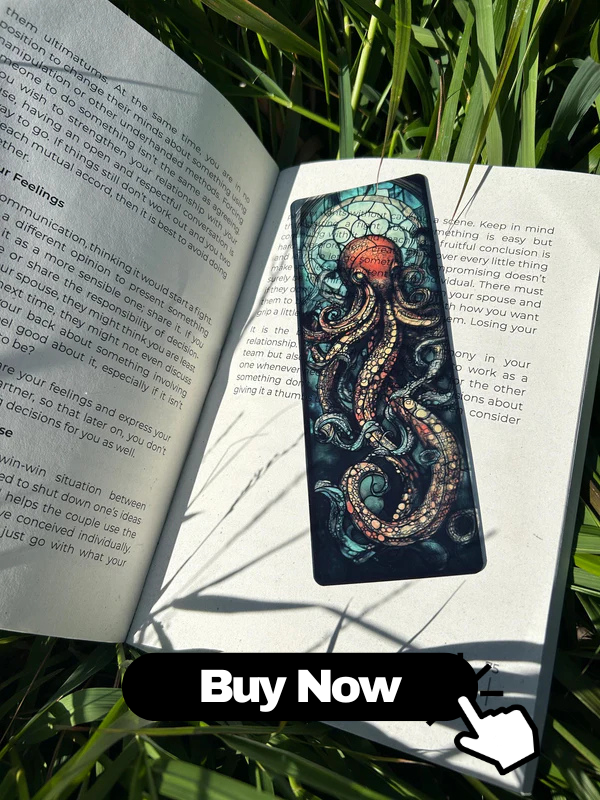
Teaching children to love reading is one of the most powerful gifts we can give them. Along the way, we also teach them how to treat books with care and respect. One simple but important habit is choosing bookmarks instead of folding page corners (dog-earing). In this detailed guide, we’ll explore why bookmarks are better than folding pages for kids, how bookmarks protect books, and how using bookmarks can even make reading more fun, organized, and educational.
Why Bookmarks Matter for Kids
Bookmarks may seem like a small detail, but for children, they can have a big impact on how they treat books and how they experience reading. When kids learn to use bookmarks instead of folding pages, they are also learning:
- How to respect books and reading materials
- Organizational skills, such as keeping track of where they left off
- The idea that reading is special and worth caring about
- Basic concepts of ownership and responsibility for their belongings
From an early age, children are forming habits. Teaching them to reach for a bookmark instead of creasing a page helps create a positive, long-lasting reading habit that protects books and encourages a love of reading.
The Problems With Folding Pages (Dog-Ears)
Many children naturally fold the corner of a page to remember their place. While it might feel harmless, this habit has several downsides that parents and educators should understand.
1. Physical Damage to the Book
- Weakens the paper: Repeated folding in the same spot breaks down the fibers of the paper.
- Permanent creases: Dog-ears leave visible, often irreversible marks on the page.
- Tears and rips: Over time, the folded corners can easily tear, especially with thin or old paper.
- Worn-out corners: The more children fold pages, the more frayed and fragile the corners become.
2. Shorter Lifespan of Children’s Books
Children’s books are often shared among siblings, classes, or library users. Folding pages can significantly reduce their lifespan:
- Books look older and more worn much faster
- Libraries may need to replace damaged copies more often
- Picture books and early readers can lose their visual appeal when pages are creased
3. Poor Reading Habits
Allowing children to fold pages can accidentally send the message that books are disposable. This can lead to:
- Less respect for books and learning materials
- Rough handling, scribbling, and tearing
- A mindset that reading materials are not valuable or worth caring for
By contrast, teaching kids to use bookmarks encourages thoughtful, careful reading habits.
Benefits of Bookmarks for Children
Using bookmarks offers many advantages for kids, beyond simply marking a page. Bookmarks can become tools for learning, organization, and motivation.
1. Bookmarks Protect Books
- No folded corners: Pages stay smooth and clean.
- Less wear and tear: Books last longer, especially important for favorite stories.
- Better resale or donation condition: Gently used books can be passed on more easily.
2. Better Organization and Focus
- Children always know exactly where they left off.
- Bookmarks can mark:
- Current reading page
- Favorite parts or illustrations
- Important informational sections
- This helps kids develop tracking and memory skills related to reading.
3. Encouraging Independence
When children have their own bookmarks, they can:
- Take charge of their reading routine
- Feel more responsible and grown-up
- Manage their own progress in chapter books or homework assignments
4. Motivation and Reading Enjoyment
Bookmarks can make reading more fun:
- Kids can choose designs featuring their favorite characters, colors, or themes.
- Custom bookmarks can serve as rewards for reading milestones.
- Decorative or interactive bookmarks can turn reading time into a special ritual.
5. Learning and Educational Support
Bookmarks can be more than just placeholders; they can become learning tools:
- Include reading tips or vocabulary words on the bookmark.
- Use bookmarks with alphabet letters, numbers, or sight words.
- Color-coded bookmarks help children organize different subjects (reading, science, math).
How Bookmarks Protect Books
Understanding exactly how bookmarks protect children’s books helps explain why they’re a better choice than folding pages.
1. Preserving the Condition of Pages
- No pressure on corners: Bookmarks sit between pages, rather than bending them.
- No extra stress on bindings: When properly used, bookmarks do not strain the spine of the book.
- No marks or residue: Unlike some sticky notes, most bookmarks do not leave marks.
2. Keeping Books Attractive and Enjoyable
Children are more drawn to books that look clean and inviting. Bookmarks help by:
- Maintaining bright, unwrinkled illustrations
- Keeping pages flat for easy viewing
- Reducing the risk of pages sticking together or tearing
3. Protecting Shared and Library Books
Many kids use borrowed books from schools and public libraries. Using bookmarks helps them learn to:
- Return books in good condition
- Show respect for community resources
- Care for books that belong to others, an important social lesson
Helping Kids Build Good Reading Habits
Bookmarks can play a surprising role in helping children build strong, positive reading habits.
1. Creating a Reading Routine
Parents and teachers can use bookmarks to support daily reading habits:
- Ask kids to move their bookmark at the end of each reading session.
- Use bookmarks to track daily or weekly reading goals.
- Combine bookmarks with a reading log or journal for older children.
2. Encouraging Goal Setting
- Children can set a goal like “Read to the bookmark” or “Move the bookmark three chapters today.”
- Visual progress – seeing the bookmark move further into the book – builds motivation.
- Bookmarks can be printed with small checklists or progress trackers.
3. Teaching Care and Responsibility
Using bookmarks instead of folding pages teaches children:
- To be gentle with pages when placing or moving the bookmark
- To store bookmarks safely when not in use
- To think about how their actions affect the lifespan of a book
Fun and Creative Bookmark Ideas for Kids
One of the easiest ways to get children excited about using bookmarks is to make them fun, colorful, and personalized.
1. DIY Bookmark Crafts
Homemade bookmarks can turn reading into an engaging craft activity.

- Paper bookmarks: Use cardstock, colored paper, or recycled cereal boxes.
- Decorations: Stickers, stamps, drawings, washi tape, and small photos.
- Laminate if possible: Laminating homemade bookmarks makes them more durable for kids.
2. Corner Bookmarks (That Don’t Fold the Page)
Ironically, some of the most popular bookmarks for kids sit on the corner of the page—but without folding it.
- Origami-style corner bookmarks that slide over the outer corner of the page.
- Made from folded paper that hugs the page without creasing it.
- Kids can decorate them as animals, monsters, or characters.
3. Themed Bookmarks Based on Interests
- Animals, dinosaurs, space, princesses, superheroes, cars, or sports.
- Bookmarks that match the theme of the book (e.g., pirates for a pirate story).
- Holiday-themed bookmarks for seasonal reading programs.
4. Educational Bookmarks
Combine reading support with learning content:
- Alphabet or phonics bookmarks for early readers.
- Multiplication tables or number lines for school-age children.
- Bookmarks with reading comprehension questions or prompts.
Choosing the Right Bookmarks for Children
Not all bookmarks are equally suitable for kids. When selecting bookmarks for children, consider age, safety, and durability.
1. Safe Materials
- Avoid sharp edges: Metal bookmarks with sharp corners are not ideal for young children.
- Choose non-toxic materials, especially for preschoolers who may put objects in their mouths.
- Opt for sturdy paper, cardstock, or flexible plastic that will not easily snap or splinter.
2. Age-Appropriate Designs
- Toddlers and preschoolers: Simple, large bookmarks with bright colors and bold images.
- Early elementary: Fun characters, animals, and simple text or sight words.
- Older children: More detailed designs, inspirational quotes, or themed sets.
3. Practical Features
- Bookmarks that are easy to spot when the book is closed (tassels, ribbons, or bright colors).
- Flat enough not to damage the binding but thick enough not to bend instantly.
- Possibly water-resistant for kids who carry books in backpacks with water bottles or snacks.
How to Teach Kids to Use Bookmarks
To replace the habit of folding pages, kids need simple guidance and positive reinforcement.
1. Model the Behavior
- Always use a bookmark yourself when reading in front of children.
- Talk aloud: “I’m putting my bookmark here so I can find my page later without bending it.”
- Show how you gently place the bookmark and close the book.
2. Explain Why Bookmarks Are Better
Use age-appropriate language to explain:
- “Bookmarks keep the book nice and smooth for the next time you read it.”
- “If we fold pages, they can rip and get old quickly.”
- “We want your favorite stories to last a long time.”
3. Make It a Fun Rule, Not a Punishment
- Offer each child their own special bookmark or a small set to choose from.
- Turn it into a game: “Can you remember to ‘park your page’ with your bookmark?”
- Give praise when they use bookmarks correctly.
4. Keep Bookmarks Accessible
- Place a small container of bookmarks near bookshelves, reading corners, or bedsides.
- Put an extra bookmark inside backpacks for school reading.
- Keep a few spare bookmarks in classrooms and libraries.
Using Bookmarks in Classrooms and Libraries
Teachers and librarians can use bookmarks as part of a larger strategy to encourage reading and protect shared books.
1. Classroom Bookmark Programs
- Give every student a “first day of school” bookmark with their name.
- Use bookmarks as rewards in reading challenges and literacy programs.
- Create a class bookmark station where students can borrow or decorate bookmarks.
2. Library Bookmark Initiatives
- Offer free bookmarks at the checkout desk with reminders like “Please don’t dog-ear pages – use a bookmark!”.
- Host bookmark design contests to engage children.
- Include bookmarks with library rules and reading tips for kids.
3. Integrating Bookmarks Into Reading Lessons
- Use different colored bookmarks to mark:
- New vocabulary words
- Important story events
- Interesting facts in non-fiction books
- Teach students how to use bookmarks to annotate and navigate longer texts.
Bookmarks and Reading Motivation
Bookmarks can be part of a wider strategy to boost reading motivation and engagement.
1. Personal Ownership and Identity
- Children can choose bookmarks that reflect their personality and interests.
- Personalized bookmarks with names make kids feel special and connected to their reading.
- Feeling “this is mine” encourages better care and responsibility.
2. Rewards and Milestones
- Give a new bookmark after finishing a book or series.
- Create collectible bookmark sets as part of reading challenges.
- Use bookmarks to celebrate reading achievements like:
- “First chapter book completed”
- “30 days of reading in a row”
- “Finished a non-fiction book”
3. Visual Progress Tracking
For many children, seeing a bookmark move deeper into the book is a strong motivator:
- It turns reading into a visible, measurable journey.
- Kids feel proud when they can see how much they have already read.
- It helps them develop a sense of accomplishment and persistence.
Eco-Friendly and Sustainable Bookmark Options
For families, schools, and libraries who care about the environment, bookmarks can also be a sustainable alternative to behaviors that wear out books prematurely.
1. Recycled and Upcycled Bookmarks
- Use scrap paper, old greeting cards, or cereal boxes to make bookmarks.
- Encourage kids to design bookmarks from reused materials as an eco-project.
- Explain how taking care of books and using bookmarks helps reduce waste.
2. Longer-Lasting Books = Less Environmental Impact
When children use bookmarks instead of folding pages:
- Books remain usable for more years and more readers.
- Fewer replacements are needed, which saves paper, ink, and energy.
- Hand-me-down books and donations stay in better condition.
3. Simple, Natural Materials
- Choose bookmarks made from recycled paper or sustainably sourced cardstock.
- Avoid unnecessary plastic when possible, especially for single-use items.
- Consider cloth or fabric bookmarks for older kids who can care for them.
Digital Bookmarks vs Physical Bookmarks for Kids
In a world full of tablets and e-readers, children may encounter digital bookmarks as well. Both physical and digital bookmarks have roles to play.
1. Physical Bookmarks
- Best for print books, picture books, and school textbooks.
- Offer a tactile, visual reminder of reading progress.
- Serve as art projects, rewards, and identity markers for kids.
2. Digital Bookmarks
- Used in e-books and learning apps to mark pages and sections.
- Can often store multiple bookmarks in a single digital text.
- Teach children how to navigate digital reading platforms.
3. Teaching Both Skills
For well-rounded reading habits, kids can learn to use both:
- Physical bookmarks for traditional and school books.
- Digital bookmarks for educational apps and e-libraries.
- Both teach organization, progress tracking, and respect for reading materials.
Common Questions About Bookmarks for Kids
Is it really that bad if kids fold the pages?
Occasional page folding will not destroy a book instantly, but over time it weakens paper, creates permanent creases, and shortens the book’s life. Teaching children to use bookmarks instead is a simple change that protects books, especially shared or favorite titles.
What if my child keeps losing their bookmarks?
- Provide several bookmarks and keep them in different locations.
- Use bigger or brighter bookmarks that are easy to spot.
- Let your child help design their own bookmark; they are more likely to value and keep track of something they created.
Can anything be used as a bookmark?
Almost any flat item can mark a place temporarily, but for kids it is safer and better to use proper bookmarks:
- Avoid very thick objects that can damage the spine.
- Avoid food wrappers or sticky items that can stain pages.
- Simple, flat, clean bookmarks are best for protecting books and teaching good habits.
How many bookmarks should a child have?
There is no fixed number, but it can help to provide:
- At least one bookmark for each regularly read book.
- A few extra bookmarks for schoolwork and library books.
- Special bookmarks reserved for reading challenges or favorite series.
Conclusion: Why Bookmarks Are Better Than Folding Pages for Kids
Bookmarks may be small, but their impact on children’s reading habits is significant. By choosing bookmarks instead of folding pages, kids learn to:
- Protect and respect books, keeping them clean, smooth, and long-lasting
- Stay organized and track their reading progress easily
- Build positive reading routines and feel proud of their achievements
- Express their personality and creativity through customized designs
- Understand responsibility and care for shared, school, and library books
For parents, teachers, and librarians, encouraging children to use bookmarks is a simple, practical step toward nurturing a lifelong love of reading. When kids reach for a bookmark instead of folding a page, they are not just saving paper—they are learning that reading matters, and that books are treasures worth caring for.