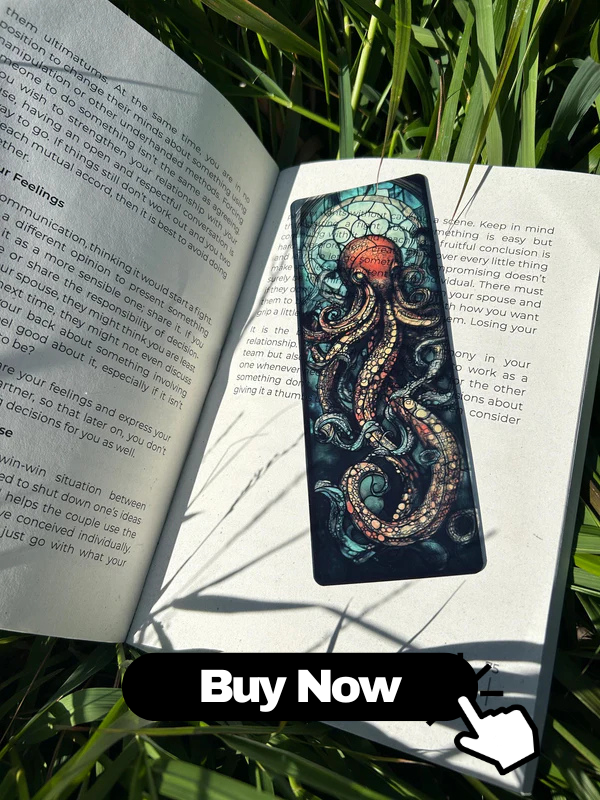
Finding bookmarks for kids that are both fun and practical can transform reading time from a routine task into an exciting adventure. The right children’s bookmark not only helps kids keep their place in a book but also encourages a lifelong love of reading, supports organization, and even builds fine motor skills. This guide explains how to choose the best bookmarks for children, what features to look for, how to match bookmarks to age and reading level, and how to create your own DIY bookmarks at home or in the classroom—all while keeping things playful, safe, and educational.
Why Bookmarks Matter for Kids
At first glance, a bookmark seems like a small accessory. For children, however, the right bookmark can be a powerful reading tool. It has practical benefits but also emotional and educational value.
- Encourages consistent reading habits: Having a special bookmark gives kids a sense of ownership over their books. They’re more likely to pick up where they left off instead of starting over or giving up.
- Prevents page damage: Kids may be tempted to fold pages, lay books face down, or use bulky objects to mark their place. A simple, slim bookmark helps protect pages and book spines.
- Teaches organization skills: Using a bookmark is an early lesson in keeping track of things—a foundational skill for schoolwork and personal responsibility.
- Makes reading more engaging: When a bookmark features a child’s favorite character, color, or theme, it turns reading into something they look forward to rather than a chore.
- Supports emerging readers: Some bookmarks include reading trackers, sight words, or phonics prompts, which can gently reinforce literacy skills.
For parents, teachers, and librarians, choosing fun and practical bookmarks for kids is a simple, low-cost way to support literacy and make books feel special.
Key Features of Fun and Practical Kids’ Bookmarks
When you’re browsing for children’s bookmarks, look beyond the cute designs. Truly kid-friendly bookmarks balance style with functionality and safety.
1. Durability and Material Quality
- Sturdy cardstock or laminated paper: These resist tearing and crumpling, ideal for younger children who may be rougher with their books.
- Flexible plastic or silicone: These materials are long-lasting, easy to wipe clean, and less likely to bend permanently.
- Fabric or felt bookmarks: Soft and comfortable to handle, but should be well-stitched to avoid fraying.
Choose materials that can handle being stuffed into backpacks, dropped on the floor, or used daily without quickly falling apart.
2. Comfortable Size and Shape
- Standard length: Around 5–7 inches long works well for most children’s books.
- Not too wide: A width of 1–2 inches keeps the bookmark from warping the pages.
- Kid-friendly shapes: Animals, rockets, hearts, or arrows can make bookmarks more exciting, but avoid shapes that are too bulky or heavy.
A practical kids’ bookmark should slide easily into a book, stay flat, and be simple enough for small hands to use independently.
3. Easy to Spot and Recognize
- Bright colors and patterns: Colorful bookmarks are easier to find in a messy bedroom, desk, or backpack.
- Distinctive tops or charms: A tassel, ribbon, or shaped top (like a star or animal head) makes it simple to see where you left off.
- Personalization: Bookmarks with the child’s name or initials help prevent mix-ups in classrooms or libraries.
4. Safe and Age-Appropriate Design
- No sharp edges: Avoid metal corners or rigid plastic with pointed tips for younger kids.
- Non-toxic materials: This is especially important for toddlers and preschoolers who may still put things in their mouths.
- Secure embellishments: Stickers, gems, and buttons should be firmly attached to avoid choking hazards.
5. Added Functionality
Some of the best practical bookmarks for kids offer extra features:
- Reading trackers: Lines or boxes to note the date, page number, or time spent reading.
- Rulers: Bookmarks printed with inch and centimeter measurements can double as school tools.
- Checklists or goals: Space to write mini reading goals (e.g., “Read 10 pages a day”).
- Magnets or clips: Help the bookmark stay in place even in a busy school bag.
Types of Kids’ Bookmarks to Consider
There’s a wide range of children’s bookmark styles. Understanding the options helps you choose the best type for different ages and needs.
1. Classic Flat Bookmarks
These are the most common and are perfect for everyday use.
- Paper or cardstock: Lightweight, customizable, and affordable—often used for classroom rewards or party favors.
- Laminated bookmarks: More durable, stain-resistant, and ideal for heavy use or younger children.
- Printable bookmarks for kids: Many websites offer free printable designs that you can laminate at home.
2. Magnetic Bookmarks
Magnetic kids’ bookmarks fold over the top of the page and are held in place by small magnets.
- Stay put better: Less likely to slip out of the book.
- Great for travel: Ideal for car rides, flights, or backpacks.
- Fun shapes: Often available in animal, emoji, or cartoon-themed designs.
Magnetic bookmarks tend to be especially practical for school-age readers who carry books between home and school.
3. Clip and Corner Bookmarks
- Paper clip-style bookmarks: Attach to a single page and can be topped with a charm or figure.
- Corner bookmarks: Folded pieces of paper, felt, or fabric that slip over the corner of the page.
Corner bookmarks are popular DIY projects and can be very fun for kids to personalize with faces, animal ears, or character designs.
4. 3D and Plush Bookmarks
These bookmarks often feature soft or three-dimensional elements:
- Plush character tops: Stuffed animal heads or shapes attached to a flat strip.
- Pom-poms and tassels: Decorative touches that stick out of the book.
While these are very fun and eye-catching, check that they’re not too bulky, especially for thin paperback books.
5. Educational and Interactive Bookmarks
- Phonics and alphabet bookmarks: Great for early readers learning letter sounds and recognition.
- Math bookmarks: With multiplication tables, number lines, or quick-reference facts.
- Vocabulary bookmarks: Featuring sight words, synonyms, or themed word lists.
These can make study time more enjoyable and are especially useful for classroom use and homeschooling.
Choosing Bookmarks by Age and Reading Level
Different ages have different needs. Matching the bookmark to a child’s developmental stage helps make it both safe and effective.
Preschool and Early Elementary (Ages 3–7)
- Prioritize safety: Soft edges, non-toxic materials, and no small detachable parts.
- Simple designs: Large, bright images of animals, shapes, or familiar characters.
- Sturdy construction: Laminated or thick plastic bookmarks that can’t be torn easily.
- Visual cues: Bookmarks that show a “Start here” arrow or icon to help kids refocus on their reading spot.
Middle Elementary (Ages 8–10)
- More detailed designs: Fantasy creatures, space themes, sports, or hobby-based designs.
- Magnetic or clip bookmarks: Good for chapter books taken to and from school.
- Reading trackers: Bookmarks with lines for recording pages read or daily goals.
- Educational content: Bookmarks with multiplication tables or reading strategies.
Tweens and Early Teens (Ages 11–14)
- Mature yet fun themes: Minimalist designs, inspiring quotes, bookish humor.
- Personalization: Customized bookmarks featuring their name, favorite series, or fandom.
- Functional extras: Ruler edges, calendar strips, or mini to-do lists on the bookmark.
Safety Considerations for Children’s Bookmarks
Safety is a key part of making bookmarks truly practical for kids. Before choosing or creating a bookmark, consider these points:
- Avoid choking hazards: For children under 3 (and even up to 5), stay away from beads, buttons, or small detachable parts.
- Check for sharp edges: Especially on metal or rigid plastic bookmarks.
- Non-toxic materials only: Use child-safe inks, glues, and finishes for DIY bookmarks.
- Supervised crafting: If kids are making bookmarks themselves, supervise the use of scissors, hot glue, or other tools.
When in doubt, treat a bookmark like any small toy or accessory and follow the same age-appropriate safety guidelines.
Educational Bookmarks That Support Learning
Educational bookmarks for kids turn a simple reading tool into a learning aid. These are especially useful in classrooms, tutoring centers, and homeschooling environments.

Literacy-Focused Bookmarks
- Sight word bookmarks: Help emerging readers practice high-frequency words.
- Phonics prompts: Show common letter combinations and example words.
- Reading strategy bookmarks: Reminders like “Predict,” “Visualize,” “Question,” and “Summarize.”
STEM and Reference Bookmarks
- Math facts: Multiplication tables, fraction visuals, or measurement conversions.
- Science themes: Planets in the solar system, life cycles, or basic anatomy diagrams.
- Geography aids: World flags, continents and oceans, or simple maps.
Behavior and Study Skill Bookmarks
- Study steps: “Read, highlight, review, summarize” as a quick checklist.
- Goal-setting bookmarks: Track reading minutes or number of books finished.
- Positive affirmations: Encouraging phrases that build confidence in young readers.
By choosing bookmarks that reinforce school skills, parents and teachers can gently integrate learning into daily reading time.
Fun Design Ideas That Make Kids Want to Read
To be truly effective, bookmarks for kids should be fun. Visual appeal often makes the difference between a bookmark that’s used once and one that becomes a favorite companion.
Popular Themes Kids Love
- Animals and pets: Cats, dogs, dinosaurs, unicorns, jungle animals.
- Fantasy and adventure: Dragons, wizards, knights, mermaids, pirates.
- Space and science: Rockets, planets, astronauts, robots.
- Sports and hobbies: Soccer, basketball, dance, music, gaming.
- Seasonal and holiday bookmarks: Halloween, winter holidays, birthdays.
Interactive and Personalized Elements
- Name tags: Add the child’s name for a sense of ownership.
- Color-in bookmarks: Black-and-white designs that kids can color themselves.
- Sticker-friendly areas: Space for kids to add stickers as they finish chapters or books.
- Collectible sets: Series of bookmarks (e.g., all planets, all animals in a zoo) that encourage kids to keep reading to “earn” the next design.
DIY Bookmarks for Kids: Creative and Budget-Friendly
Making DIY bookmarks for kids is a fantastic activity for families, classrooms, libraries, and book clubs. It encourages creativity, crafts skills, and pride in reading.
Simple DIY Bookmark Materials
- Thick paper or cardstock
- Markers, crayons, or colored pencils
- Stickers, washi tape, and stamps
- Safety scissors and non-toxic glue
- Ribbon, yarn, or string for tassels
- Self-adhesive laminating sheets (optional but helpful)
Easy DIY Bookmark Ideas
1. Classic Decorated Strip Bookmark
- Cut cardstock into strips (about 1.5" x 6").
- Let kids decorate with drawings, patterns, and their names.
- Add stickers or washi tape for extra flair.
- Optional: Laminate to increase durability.
- Punch a hole at the top and add a ribbon tassel.
2. Corner Monster Bookmark
- Fold a square piece of paper into a triangle pocket that fits over a page corner.
- Glue or tape the flaps to create a secure pocket.
- Decorate as a monster: add eyes, teeth, and funny expressions.
Corner monsters are especially fun bookmarks for kids because they “bite” the top of the page.
3. Photo Bookmarks
- Print small photos of the child (head and shoulders).
- Cut around the photo and glue it to the top of a cardstock strip.
- Decorate the strip and laminate if possible.
These make wonderful personalized kids’ bookmarks and are also great gifts for grandparents.
Tips for Successful DIY Bookmark Sessions
- Set a theme: Animals, outer space, or favorite books provide creative direction.
- Prepare templates: Pre-cut shapes for younger kids to decorate.
- Highlight function: Remind kids that bookmarks should be flat, slim, and durable.
- Display finished bookmarks: A bookmark “gallery” at home or in the classroom motivates kids to use them.
Organizing and Storing Kids’ Bookmarks
When kids collect multiple bookmarks, a bit of organization keeps them from getting lost and encourages regular use.
- Bookmark jars or cups: Place a labeled cup on a desk or bookshelf for quick access.
- Small pouches or pencil cases: Ideal for keeping bookmarks safe in a backpack.
- DIY bookmark holder: A piece of cardboard with slits to slide bookmarks into.
- Designated “bookmark spot”: Always keep bookmarks in the same place near reading areas.
Teaching kids to put their bookmarks away after reading also reinforces organizational skills and responsibility.
Where to Buy Quality Kids’ Bookmarks (Online and Offline)
There are many places to find fun and practical bookmarks for kids, from local shops to online marketplaces.
Offline Options
- Bookstores: Most independent bookstores and major chains offer children’s bookmarks near the checkout area.
- School book fairs: Often sell themed bookmarks that match popular children’s book series.
- Craft stores: Offer supplies (and sometimes kits) for making DIY bookmarks.
- Libraries: Some libraries give away free bookmarks or sell them to support programs.
Online Options
- Marketplace websites: Look for “kids bookmarks,” “magnetic bookmarks for children,” or “educational bookmarks for kids.”
- Teacher resource sites: Provide classroom packs, printable bookmarks, and educational designs.
- Small artisan shops: Many independent creators make personalized and themed bookmarks for kids.
When shopping online, always check reviews, material descriptions, and size measurements to ensure that bookmarks are safe, durable, and age-appropriate.
Tips for Encouraging Kids to Use Bookmarks Regularly
Even the best bookmark won’t help if it sits unused in a drawer. These strategies motivate kids to use their bookmarks and read more.
- Make bookmark selection part of reading time: Let kids choose a bookmark before they sit down to read.
- Use bookmarks as rewards: Offer new designs when children reach reading milestones.
- Model the habit: Show your own bookmark and explain why you use it.
- Create a reading ritual: “Pick a book, pick a bookmark, pick a cozy spot.”
- Involve kids in creating bookmarks: Kids are more likely to use a bookmark they designed themselves.
The combination of fun designs, personal involvement, and clear routines helps make bookmarks a natural part of every reading session.
Frequently Asked Questions About Kids’ Bookmarks
What makes a bookmark “kid-friendly”?
A kid-friendly bookmark is durable, safe, easy to handle, and visually appealing to children. It should have smooth edges, non-toxic materials, and a design that matches the child’s interests and age level.
Are magnetic bookmarks safe for young children?
Magnetic bookmarks can be safe for school-age kids, but they may not be ideal for toddlers or children who still put objects in their mouths. Always supervise younger children with small magnetic items.
How many bookmarks does a child really need?
Practically, a child only needs one or two bookmarks at a time, but having a small variety can keep reading exciting. Some families and teachers use multiple bookmarks for different books or subjects.
Can bookmarks really improve reading habits?
Bookmarks alone don’t teach reading, but they can support consistent reading habits by making it easier and more fun to return to a book. When combined with routines and encouragement, they become part of a positive reading culture.
What is the best bookmark material for kids?
For most children, laminated paper, flexible plastic, or soft fabric work best. These materials are durable enough for frequent use yet gentle on book pages and safe for kids to handle.
When you focus on bookmarks that are both fun and practical, you give kids a small but powerful tool that supports reading, organization, and creativity. Whether you buy ready-made designs, choose educational bookmarks, or create DIY bookmarks together, the right choice can make every book feel more special and every reading session more enjoyable.