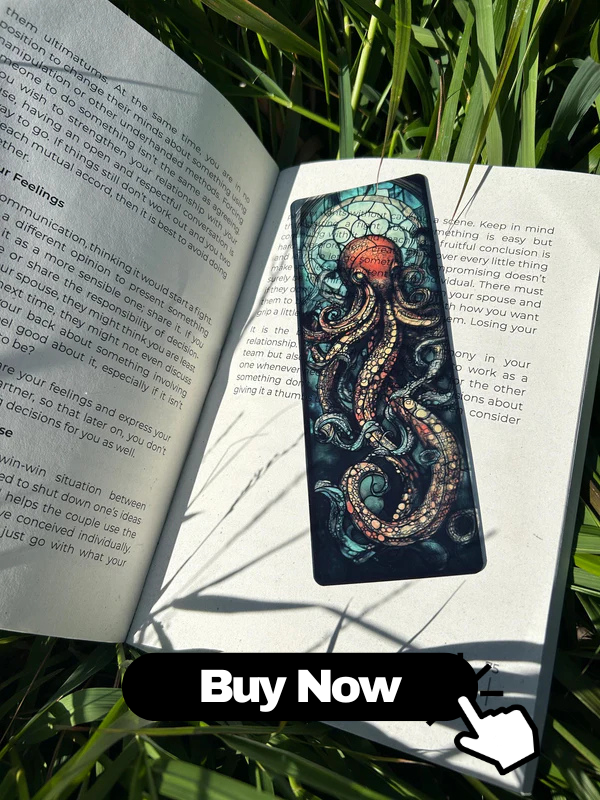
Transparent bookmarks are becoming a favorite accessory among book lovers who want to protect their pages while enjoying a clean, modern look. Unlike traditional paper or metal markers, clear plastic, acrylic, or PET bookmarks offer gentle, long-lasting protection without hiding text or damaging delicate paper. In this in-depth guide, you’ll learn exactly how transparent bookmarks protect your books, why they are ideal for collectors and casual readers alike, and how to choose, use, and care for them so your library stays in pristine condition.
What Are Transparent Bookmarks?
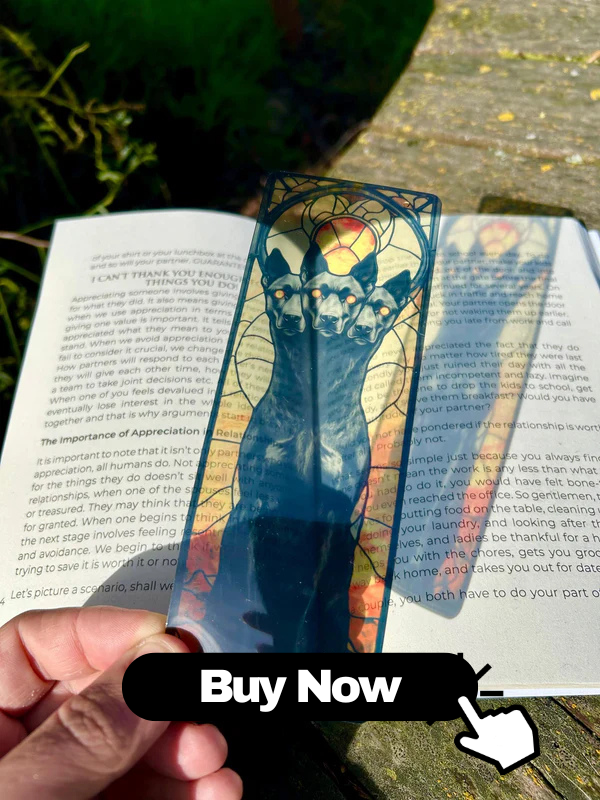
Transparent bookmarks are page markers made from clear or semi-clear materials that allow you to see the text beneath them. They are designed to hold your place in a book while minimizing wear and tear on the pages.
Common materials include:
- Clear PET plastic – Flexible, thin, and widely used for high-quality bookmarks.
- Acrylic – Rigid, crystal-clear, and often used for premium or decorative transparent bookmarks.
- Polycarbonate or PVC – Used in some budget options; should be acid-free for safe long-term use.
Transparent bookmarks come in various forms, such as:
- Flat rectangular strips that slide between pages.
- Corner bookmarks that sit over the page corner without bending it sharply.
- Ruler-style transparent bookmarks with measurement markings.
- Magnetic bookmarks with clear windows.
The main purpose is to mark your place without hiding the page and without damaging it. This simple function, when done correctly, makes a huge difference in how well your books age over time.
Key Benefits of Transparent Bookmarks for Book Protection
Transparent bookmarks provide several protective benefits that many readers overlook. Understanding these advantages helps you make better choices for your library.
-
Prevents page creasing and dog-earing
- Replaces the habit of folding corners to mark your spot.
- Keeps corners sharp and pages uncreased, which is vital for collectors and resale value.
-
Reduces friction and abrasion
- Smooth surfaces slide between pages without rough edges.
- Less rubbing means less ink transfer, smudging, or tearing at the page edge.
-
Minimizes bulk inside the book
- Thin, clear designs keep the book from bulging unnaturally.
- Helps preserve the integrity of the spine and binding.
-
Protects fragile or old pages
- Perfect for antique, vintage, or collectible editions.
- Even pressure and a non-abrasive surface reduce the risk of tearing brittle paper.
-
Prevents ink transfer from improvised markers
- Replaces receipts, sticky notes, or newspapers that can bleed ink onto pages.
- Acid-free transparent bookmarks don’t stain pages over time.
-
Clear visibility of text
- You can see exactly where you left off.
- No risk of accidentally writing or highlighting over hidden text.
By eliminating common sources of damage—folded corners, bulky items, and dirty improvised bookmarks—transparent bookmarks directly protect your books and extend their lifespan.
How Transparent Bookmarks Physically Protect Your Pages
Understanding the physical interaction between bookmark and page explains why transparent designs are so effective.
-
Even distribution of pressure
- Flat, smooth surfaces distribute pressure across a larger area.
- This reduces stress on any one point, lowering the risk of page indentations or tears.
-
Minimal thickness prevents spine strain
- Thin transparent bookmarks add very little bulk between pages.
- Books close more naturally, preventing warping of the cover and weakening of the binding.
-
Smooth, rounded edges protect paper fibers
- Quality transparent bookmarks have polished or rounded edges.
- These edges avoid cutting or catching delicate paper fibers.
-
Non-porous surfaces resist dirt and moisture
- Unlike paper bookmarks, clear plastic does not absorb moisture.
- Less risk of transferring oils, sweat, or spills from the bookmark to your book.
-
Stable placement prevents accidental page folds
- Because transparent bookmarks are easy to see, you are less likely to misplace them.
- No need to shove them deep into the spine (a common source of creases and damage).
When you use a well-designed transparent bookmark, you’re effectively adding a protective barrier layer that interacts gently with the page and binding.
Materials and Durability: Plastic, PET, and Acrylic
The material of your transparent bookmark directly affects how safely and effectively it protects your books.
1. PET (Polyethylene Terephthalate) Bookmarks
-
Pros
- Flexible yet strong, ideal for everyday reading.
- Usually acid-free and archival-safe when designed for stationery.
- Resistant to tearing and cracking.
-
Cons
- Can scratch over time if mishandled.
- Low-quality PET may yellow with age.
2. Acrylic Transparent Bookmarks
-
Pros
- Crystal-clear and visually appealing.
- Rigid structure distributes pressure evenly.
- Excellent for gift bookmarks and decorative designs.
-
Cons
- More rigid, so it must be used carefully in very tight bindings.
- Can chip if dropped or roughly handled.
3. PVC or Other Plastics
-
Pros
- Common and often inexpensive.
- Available in a wide range of styles and thicknesses.
-
Cons
- Not all are acid-free or suitable for long-term archival use.
- Cheap versions may become brittle, crack, or emit chemicals that can affect paper.
For maximum book protection, look for labels like:
- Acid-free
- Archival-safe or archival quality
- BPA-free and phthalate-free (where relevant)
Design Features That Add Extra Protection
Not all transparent bookmarks are created equal. Several design features directly influence how gentle and protective they are.
-
Rounded corners
- Reduce the chance of poking or tearing page edges.
- Essential for use with thin or brittle paper.
-
Smooth, polished edges
- Prevent micro-scratches or cuts along page margins.
- Higher-end bookmarks often advertise “polished edges” for this reason.
-
Non-slip surface or light texture
- Helps the bookmark stay in place without pinching pages tightly.
- Reduces the need to push it deep into the binding.
-
Appropriate thickness
- Very thick bookmarks can put pressure on the spine.
- Ideal thickness is usually between 0.2 mm and 0.6 mm for flexible, daily-use options.
-
Corners-only or wrap-around designs
- Transparent corner bookmarks protect specific areas like page tips.
- They distribute pressure on the corners instead of the center of the page.
When shopping, prioritize bookmarks that highlight safety features, particularly if you plan to use them on collectible first editions, rare books, or family heirlooms.
Best Types of Books to Use Transparent Bookmarks With
Transparent bookmarks can be used with almost any reading material, but they are especially protective for certain book types.
-
Hardcover first editions and collectibles
- Protect value by eliminating dog-ears and page stress.
- Ideal for signed copies and limited print runs.
-
Textbooks and study guides
- Use ruler-style transparent bookmarks to mark sections and underline straight lines without writing on pages.
- Multiple bookmarks can organize chapters and important passages.
-
Cookbooks and reference books
- Frequently opened and closed; a transparent bookmark protects high-use pages.
- Wipe-clean surfaces are ideal in the kitchen or workshop.
-
Art books and photography books
- Do not obstruct images when left in place.
- Allows you to revisit favorite visuals without pen marks or sticky notes.
-
Journals and planners
- Helps you quickly find the current page while preserving a neat, professional appearance.
- Clear bookmarks can double as straightedges for drawing lines or boxes.
How to Use Transparent Bookmarks Correctly
Proper use is essential if you want transparent bookmarks to protect your books instead of accidentally damaging them.
-
Insert the bookmark gently
- Slide it in parallel to the page—not at an angle.
- Avoid pushing it deep into the binding; leave a bit of the bookmark protruding for easy removal.
-
Position near the outer edge
- Place the bookmark closer to the edge of the page to minimize stress on the spine.
- This is especially helpful for thick or tightly bound books.
-
Use only one bookmark per section
- Stacking many bookmarks together can create bulk and warp pages.
- If you need multiple markers, space them out throughout the book.
-
Remove before long-term storage
- If you plan to shelve a book for years (especially collectible editions), remove all bookmarks.
- This avoids imprint lines or pressure marks developing over time.
-
Keep the bookmark clean
- Wipe fingerprints or dust so they don’t transfer to pages.
- Clean surfaces slide more smoothly and cause less friction.
Common Mistakes to Avoid When Using Transparent Bookmarks
Even protective tools can cause problems when misused. Avoid these habits to keep your books safe.
-
Using overly thick acrylic bookmarks in small paperbacks
- Too much thickness can stress the spine and cause cracks in the glue.
- Opt for thinner, flexible transparent bookmarks in tight bindings.
-
Leaving bookmarks in for years
- Long-term pressure can leave impressions, especially in very thin paper.
- Periodically remove bookmarks from stored books and let pages rest.
-
Using damaged or cracked bookmarks
- Sharp chips or cracks can scratch or tear pages.
- Replace damaged bookmarks immediately to maintain protection.
-
Placing bookmarks in humid or damp books
- Moisture trapped between a non-porous bookmark and paper can cause waviness or mold risk.
- Always dry a book thoroughly before inserting any bookmark.
-
Using non-archival plastics for valuable books
- Cheap plastic bookmarks may off-gas or leach chemicals over long periods.
- For rare or irreplaceable books, use archival-safe transparent bookmarks only.
Care and Cleaning Tips for Long-Lasting Transparent Bookmarks
Proper maintenance ensures your bookmarks stay clear, smooth, and safe for your pages.
-
Regular gentle cleaning
- Wipe with a soft, lint-free cloth (like a microfiber cloth).
- Remove oils and dust that can transfer to book pages.
-
Avoid harsh chemicals
- Do not use strong solvents like acetone or industrial cleaners.
- If needed, use mild soap and water, then dry thoroughly.
-
Protect from scratches
- Store bookmarks in a dedicated case, pouch, or small box when not in use.
- Do not toss them loose into bags with keys or sharp objects.
-
Keep away from heat
- High temperatures can warp thin plastic bookmarks.
- Avoid leaving them on hot windowsills or in direct sunlight for long periods.
-
Inspect periodically
- Check edges for chips, cracks, or rough spots.
- Retire any bookmark that might damage paper.
Eco-Friendly and Archival-Safe Transparent Bookmarks
If you care both about your books and the environment, you can choose eco-conscious transparent bookmarks that still offer reliable protection.
-
Recycled PET bookmarks
- Made from recycled plastic bottles or packaging.
- Reduce plastic waste while still protecting your pages.
-
Archival-safe plastics
- Manufactured to be acid-free and chemically stable.
- Ideal for long-term use with rare and collectible books.
-
Minimalist designs
- Slim, single-layer designs use less material.
- Lightweight and efficient while still durable.
When shopping, look for bookmarks specifically marketed as archival, acid-free, or suitable for photo albums and scrapbooking. These characteristics typically translate into safe long-term contact with paper.
How to Choose the Right Transparent Bookmark
To ensure the best protection, match the bookmark style to how—and what—you read.
-
Consider the type of book
- Paperbacks: Flexible, thin PET bookmarks are ideal.
- Hardcovers and coffee table books: Slightly thicker or acrylic bookmarks work well.
- Journals and planners: Corner or ruler-style transparent bookmarks offer added functionality.
-
Check thickness and flexibility
- Light readers may prefer ultra-thin options to minimize bulk.
- Heavy textbook users may want more robust, semi-rigid designs.
-
Review edge quality
- Look for rounded corners and polished edges.
- Avoid bookmarks that feel sharp or rough to the touch.
-
Evaluate size and length
- Longer bookmarks are ideal for tall textbooks and art books.
- Compact or narrow designs suit pocket novels and small notebooks.
-
Prioritize archival safety for valuable books
- For rare editions, prioritize archival-certified transparent bookmarks.
- Keep a separate set of high-quality bookmarks specifically for special volumes.
DIY Transparent Bookmarks: Safe Options for Book Protection
Many readers enjoy making their own bookmarks. If you want DIY clear bookmarks that protect books safely, follow these guidelines.
-
Use archival-safe laminating sheets
- Laminate thin decorative paper or artwork, then cut to bookmark size.
- Ensure the laminating film is acid-free and has smooth, sealed edges.
-
Repurpose clear packaging carefully
- Only use packaging that’s smooth, clean, and not brittle.
- Round all corners and sand any rough edges.
-
Avoid tape or adhesives near edges
- Sticky residues can attach to pages and cause tearing.
- If you decorate, keep glue or embellishments away from contact areas.
-
Test on non-valuable books first
- Before using DIY bookmarks in cherished volumes, test them in a regular paperback.
- Check for any signs of indentation, sticking, or discoloration.
Storing and Organizing Transparent Bookmarks
Organized storage helps you keep your bookmarks clean, unbent, and ready to protect your books.
-
Dedicated bookmark holder or case
- Use a small box, pencil case, or envelope for loose bookmarks.
- Prevents scratches and bending during transport.
-
Bookmark pockets in reading journals
- Add a clear pocket or envelope to your reading journal or planner.
- Keep a few transparent bookmarks handy for current reads.
-
Separate sets for daily and archival use
- Have one set of bookmarks for everyday paperbacks and travel.
- Reserve a high-quality, archival-safe set for your most valuable books.
Frequently Asked Questions About Transparent Bookmarks
Do transparent bookmarks damage books?
Properly designed and used transparent bookmarks are among the safest options for marking your place. Damage usually occurs only when bookmarks are too thick, have sharp edges, are left in books for several years without movement, or are used in damp conditions.
Are plastic bookmarks safe for old or fragile books?
They can be, provided you choose thin, flexible, archival-safe transparent bookmarks with rounded edges. For extremely fragile books, consult a conservator or use specialized archival paper slips instead.
Can transparent bookmarks cause yellowing of pages?
Low-quality plastics that are not acid-free may contribute to discoloration over very long periods. To avoid this, use acid-free and archival-quality transparent bookmarks, especially in valuable collections.
How many bookmarks can I safely use in a single book?
For most books, 2–4 thin transparent bookmarks are safe if spaced apart. Avoid clustering many bookmarks in one area, as this creates localized pressure and can distort the pages or spine.
Is it okay to leave a transparent bookmark in a stored book?
For short-term storage (weeks or months), this is usually fine. For long-term storage of collectible or rare books, it is safer to remove all bookmarks to prevent impressions or chemical interactions over time.
Final Thoughts: Why Transparent Bookmarks Are Worth Using
Transparent bookmarks offer a rare combination of visual clarity, practical usability, and genuine page protection. By replacing dog-eared corners, bulky improvised markers, and potentially harmful materials with slim, clear, archival-safe designs, you significantly reduce everyday wear on your books.
When you choose the right material, thickness, and design—and use them correctly—transparent bookmarks:
- Keep pages flat and uncreased.
- Preserve clean edges and corners.
- Minimize stress on bindings and spines.
- Protect delicate, vintage, or collectible volumes.
- Maintain the overall condition and value of your personal library.
If you care about book preservation, page protection, and long-term readability, integrating high-quality transparent bookmarks into your reading routine is a simple, affordable habit that delivers lasting benefits. They are more than just a reading accessory—they are a subtle but powerful tool for keeping your books looking as fresh and loved as the day you first opened them.