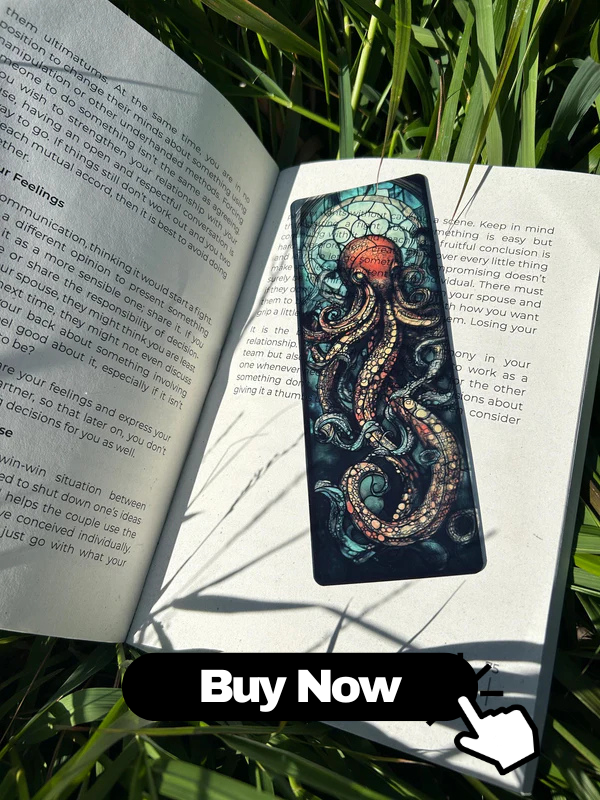
For avid readers, stationery lovers, and book collectors, the humble bookmark is more than just a strip of paper—it is a tool that protects books, marks progress, and often expresses personal style. When choosing between laminated bookmarks and non-laminated bookmarks, many readers wonder which is better for durability, aesthetics, cost, and overall reading experience. This comprehensive guide explains the differences between laminated and non-laminated bookmarks, compares their pros and cons, and helps you decide which type is best suited to your reading habits, budget, and book care preferences.
What Are Laminated Bookmarks?
Laminated bookmarks are bookmarks that have been sealed in a thin, transparent plastic film using a heat or cold lamination process. This protective layer surrounds the printed surface and edges, creating a water-resistant and durable bookmark that can withstand frequent handling.
Main characteristics of laminated bookmarks:
- Made from paper or cardstock that is covered with a plastic laminate
- Available in gloss, matte, or soft-touch finishes
- More resistant to tearing, bending, and moisture
- Ideal for long-term use and frequent readers
- Common in bookstores, libraries, schools, and promotional materials
Why laminating matters:
- Protects vibrant artwork, illustrations, or typography on the bookmark
- Prevents edges from fraying or corners from folding easily
- Makes cleaning easier (can be wiped gently with a dry or slightly damp cloth)
What Are Non-Laminated Bookmarks?
Non-laminated bookmarks are made using plain paper, cardstock, or specialty materials without any plastic coating. They are sometimes referred to as uncoated bookmarks or raw paper bookmarks. These bookmarks often feel more natural and are popular for handmade, artistic, and eco-friendly designs.
Main characteristics of non-laminated bookmarks:
- Usually made from cardstock, recycled paper, kraft paper, or textured paper
- Have a more organic, matte, and tactile feel
- May absorb ink from pens, allowing for notes or personalization
- Less resistant to moisture, bending, and stains
- Common for DIY, craft projects, and small batch printing
Why non-laminated bookmarks are popular:
- Offer a natural, paper-like texture that many readers love
- Often more environmentally friendly, especially when made from recycled or FSC-certified paper
- Perfect for calligraphy, stamping, hand-drawn art, or personal notes
Key Differences: Laminated vs Non-Laminated Bookmarks
Understanding the core differences between laminated and non-laminated bookmarks helps readers choose the best option for daily use, gift-giving, or collectible purposes.
-
Durability
- Laminated: Highly durable, resistant to tearing and moisture.
- Non-laminated: More prone to wear, bending, and damage over time.
-
Feel and Texture
- Laminated: Smooth, sometimes slippery, with either gloss or matte finish.
- Non-laminated: Natural paper feel, good grip, more tactile.
-
Appearance and Color
- Laminated: Colors often appear more vivid and saturated, especially with gloss laminate.
- Non-laminated: Softer colors, more muted or artistic look.
-
Protection
- Laminated: Protects against spills, fingerprints, dust, and scratching.
- Non-laminated: Vulnerable to smudges, moisture, and dirt.
-
Eco-Friendliness
- Laminated: Harder to recycle due to plastic layer.
- Non-laminated: Easier to recycle (especially if free from coatings and embellishments).
-
Customization
- Laminated: Best for pre-printed designs; writing on them requires permanent markers.
- Non-laminated: Easy to write on with pens, pencils, or markers.
-
Cost
- Laminated: Typically more expensive because of extra material and processing.
- Non-laminated: Usually cheaper and faster to produce.
Advantages of Laminated Bookmarks
Laminated bookmarks are widely used by readers, libraries, schools, and businesses for their excellent durability and professional appearance.
1. Superior Durability
- Resist tearing, bending, and fraying, even with heavy use
- Ideal for children’s books, library books, and shared reading spaces
- Better suited for readers who carry books in bags, backpacks, or purses
2. Moisture and Stain Resistance
- Lamination creates a barrier against:
- Coffee or tea spills
- Oily finger marks
- Smudges and dirt
- Can be gently wiped clean, extending lifespan significantly
3. Enhanced Visual Appeal
- Gloss laminate makes colors look brighter and more vibrant
- Matte laminate reduces glare and gives a premium, sophisticated look
- Perfect for bookmarks featuring:
- Artwork and illustrations
- Photography
- Brand logos and promotional graphics
4. Professional and Gift-Ready
- Often perceived as higher quality, making them great for:
- Author giveaways
- Bookstore merchandise
- Book subscription boxes
- Corporate or educational branding
Disadvantages of Laminated Bookmarks
While laminated bookmarks have many practical benefits, they are not perfect for every reader or situation.
-
Less Eco-Friendly
- The plastic layer makes them difficult or impossible to recycle in standard paper streams
- Not ideal for readers prioritizing zero-waste or plastic-free lifestyles
-
Higher Production Cost
- Extra material and lamination process add to cost per bookmark
- Can be more expensive for small print runs or indie creators
-
Slippery Texture
- Some laminated bookmarks can slide out more easily from certain books
- Glossy surfaces may show fingerprints or glare under strong lights
-
Limited Writing Options
- Requires permanent pen or marker to write on
- Not ideal if you like to jot notes, quotes, or dates directly on the bookmark
Advantages of Non-Laminated Bookmarks
Non-laminated bookmarks offer a different reading experience, emphasizing texture, simplicity, and eco-consciousness.
1. Natural Look and Feel
- Paper texture feels warm and traditional in the hand
- Pairs beautifully with classic literature, vintage books, and journals
- Less reflective and more comfortable for some readers to handle
2. Eco-Friendly Potential
- When made from recycled or sustainably sourced paper, they are more:
- Biodegradable
- Recyclable
- Environmentally responsible
- Preferred by readers trying to reduce plastic use
3. Easy to Customize and Write On
- Perfect for:
- Personal notes and reminders
- Quotes and reading goals
- Gift messages when giving a book
- Accepts most pen, pencil, and marker types without smearing like glossy laminate
4. Lower Cost and Simpler Production
- Ideal for:
- DIY bookmark projects
- Classroom activities
- Event giveaways on a budget
- Cost-effective for small groups, book clubs, or handmade sellers
Disadvantages of Non-Laminated Bookmarks
While non-laminated bookmarks have charm and sustainability benefits, they require more careful handling.
-
Less Durable
- Edges can fray, bend, or tear more easily
- Not ideal for rough handling or long-term heavy use
-
Sensitive to Moisture and Stains
- Absorbs liquids quickly if exposed to spills
- Can pick up dirt, oil, or smudges from fingers
-
Colors May Fade or Rub Off
- Printed ink can fade more quickly when exposed to sunlight
- Heavy friction may cause print deterioration over time
Which Bookmark Is Better for Different Types of Readers?
The “best” bookmark type depends on how you read, how you treat your books, and what matters most to you—durability, aesthetics, sustainability, or cost.
For Daily Commuters and On-the-Go Readers
- Recommended: Laminated bookmarks
- Reasons:
- Withstand backpacks, travel, and crowded spaces
- Resist accidental spills and rough handling
For Collectors and Book Aesthetes
- Recommended: Both, depending on style
- Laminated:
- Showcases high-quality print and artwork
- Lasts longer as part of a collection
- Non-laminated:
- Feels more authentic and artisanal
- Matches vintage or handmade book aesthetics
For Children and Classrooms
- Recommended: Laminated bookmarks
- Reasons:
- Resist crumpling and accidental spills
- Can be sanitized or wiped clean more easily
For Eco-Conscious Readers
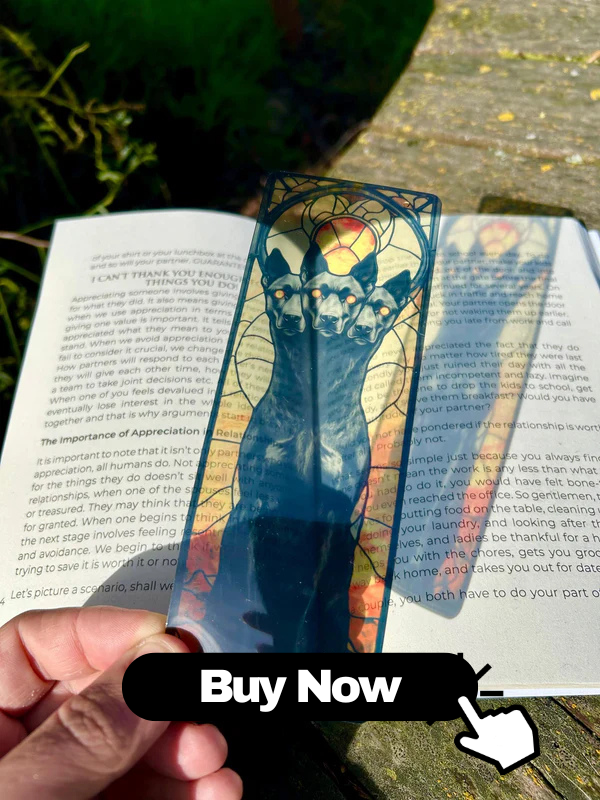
- Recommended: Non-laminated bookmarks made from recycled or FSC-certified paper
- Reasons:
- Reduce plastic waste
- Better compatibility with recycling systems
For Authors, Bookstores, and Brands
- Recommended: Laminated bookmarks for promotions
- Reasons:
- Look professional and high-quality
- Last longer in readers’ hands, extending brand exposure
Materials and Printing Options for Bookmarks
Both laminated and non-laminated bookmarks come in a variety of materials and printing options, which affect their appearance, durability, and price.
Common Bookmark Materials
-
Standard cardstock (250–350 gsm)
- Common for both laminated and non-laminated bookmarks
- Balances thickness, flexibility, and cost
-
Recycled paper
- Popular for eco-friendly non-laminated designs
- Often has a slightly rough or speckled texture
-
Kraft paper
- Brown, rustic appearance, ideal for vintage designs
- Mostly used without lamination
-
Specialty textured paper
- Felt, linen, or laid textures
- Best used non-laminated to preserve tactile feel
Lamination Types
-
Gloss lamination
- Shiny, reflective surface
- Enhances bright colors and bold graphics
-
Matte lamination
- Soft, non-reflective finish
- Looks elegant and reduces glare
-
Soft-touch lamination
- Velvety, smooth feel
- Premium finish, often used for high-end bookmarks
Printing Methods
-
Digital printing
- Ideal for small runs and custom designs
- Cost-effective for indie authors and small shops
-
Offset printing
- Best for large quantities
- Consistent color and high-quality finish
Bookmark Care and Maintenance Tips
Proper care extends the life of both laminated and non-laminated bookmarks and keeps them looking attractive.
Caring for Laminated Bookmarks
- Store them flat or inside a book to avoid bending
- Wipe gently with a dry or slightly damp cloth if dirty
- Avoid placing heavy objects that may permanently warp them
Caring for Non-Laminated Bookmarks
- Keep away from moisture, drinks, and direct water contact
- Store in a protective sleeve or box if collectible
- Handle with clean, dry hands to prevent staining
Eco-Friendly and Sustainable Bookmark Options
For readers focused on sustainability, bookmark choice can reflect broader values about consumption and waste.
Eco-Friendly Options for Non-Laminated Bookmarks
- Use recycled or FSC-certified paper
- Print with soy-based or vegetable inks
- Avoid metallic foils or plastic embellishments to keep them recyclable
More Responsible Choices for Laminated Bookmarks
- Choose long-lasting designs to reduce frequent replacement
- Consider lamination only for bookmarks that will truly be used for years
- Look for printers offering biodegradable or compostable laminates (where available)
Design Tips for Custom Laminated and Non-Laminated Bookmarks
Whether you are a reader designing personal bookmarks, an author creating promotional materials, or a small business selling book accessories, design influences how your bookmark is used and remembered.
General Design Tips
- Use high-resolution images for clear printing
- Ensure text is large enough to read comfortably
- Include helpful elements:
- Reading quotes
- Book checklists
- Social media handles or website (for brands/authors)
Designing Laminated Bookmarks
- Take advantage of vivid color printing and gradients
- Use bold illustrations or photography that benefit from gloss or matte coating
- Consider rounded corners to prevent sharp edges or peeling
Designing Non-Laminated Bookmarks
- Use minimalist, text-based, or line-art designs that complement natural paper texture
- Leave whitespace or dedicated areas for handwritten notes or personalization
- Experiment with textured, recycled, or kraft paper for a unique aesthetic
Cost Considerations: Laminated vs Non-Laminated Bookmarks
Cost is an important factor, especially when ordering bookmarks in large quantities or for commercial use.
-
Laminated Bookmarks
- Higher material and production cost due to plastic film and additional processing
- Better long-term value if durability is a priority
- More appropriate for professional marketing and retail sales
-
Non-Laminated Bookmarks
- Generally cheaper per unit, especially for simple designs
- Excellent for short-term campaigns, events, or casual use
- Ideal for DIY craft sessions, workshops, and student projects
Common Questions (FAQ) About Laminated and Non-Laminated Bookmarks
1. Do laminated bookmarks damage books?
- Properly sized laminated bookmarks rarely damage books.
- Avoid overly thick or rigid bookmarks that could stress the spine.
2. Can I laminate my own bookmarks at home?
- Yes. You can use:
- Home laminating machines
- Self-adhesive laminating sheets
- Make sure to trim carefully to avoid sharp plastic corners.
3. Are non-laminated bookmarks strong enough for everyday use?
- Yes, if made from thick cardstock and used with care.
- They may not last as long as laminated ones, but can still serve well for regular reading.
4. Which is better for gifts: laminated or non-laminated?
- Laminated bookmarks usually feel more “finished” and lasting for gifts.
- Non-laminated bookmarks are great when paired with handwritten notes or artisan books.
5. Are there plastic-free alternatives that are still durable?
- Yes, thick, high-quality cardstock can hold up surprisingly well without lamination.
- Some printers offer water-resistant coatings that are less plastic-intensive than full lamination.
Final Thoughts: Choosing the Right Bookmark for Your Reading Style
Laminated bookmarks and non-laminated bookmarks each offer distinct benefits. Laminated bookmarks excel in longevity, protection, and professional appearance, making them a smart choice for frequent readers, children, libraries, and promotional use. Non-laminated bookmarks stand out for their natural feel, eco-friendly potential, and ease of customization, appealing to minimalist readers, crafters, and those who value sustainability.
When deciding between laminated vs non-laminated bookmarks, consider:
- How often and where you read
- How carefully you handle your books
- Whether you prioritize durability, aesthetics, cost, or sustainability
- If you plan to write notes or messages on the bookmark
Ultimately, many readers enjoy having a mix of both types—laminated bookmarks for long-term, everyday reading and non-laminated bookmarks for special editions, journaling, gifting, and personal projects. By understanding the differences and advantages of each, you can choose bookmarks that not only mark your page, but also enhance your entire reading experience.