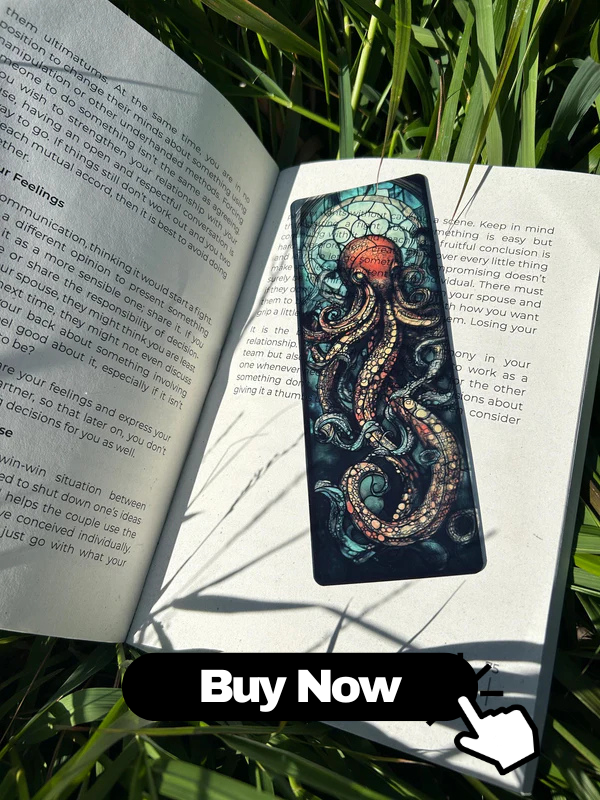
Laminated bookmarks vs non laminated bookmarks is a topic many readers, students, and book collectors ask about when choosing the best way to mark their pages. The type of bookmark you use can affect not only your reading experience, but also the longevity of your bookmark and, in some cases, the condition of your books. In this in‑depth guide, we will explore the differences between laminated and non laminated bookmarks, their pros and cons, the best use cases for each, and tips on how to choose (or even create) the perfect bookmark for your needs.
What Are Laminated Bookmarks?
A laminated bookmark is a bookmark that has been sealed between thin layers of plastic film using heat or pressure. This lamination creates a protective barrier that improves durability, water resistance, and overall longevity. Laminated bookmarks are common in libraries, schools, bookstores, and promotional giveaways, where bookmarks need to withstand frequent handling.
Key characteristics of laminated bookmarks include:
- Plastic coating on one or both sides
- Glossy or matte finish, depending on the laminate used
- More rigid and durable than plain paper bookmarks
- Resistant to spills, smudges, and bending
Typical uses for laminated bookmarks:
- Bookmarks with full-color artwork or photography
- Educational bookmarks with charts, references, or study tips
- Promotional bookmarks for authors, publishers, or businesses
- Bookmarks that are intended to last for many years of reading
What Are Non Laminated Bookmarks?
Non laminated bookmarks are bookmarks made of paper, cardstock, fabric, leather, metal, wood, or other materials that are not sealed in plastic film. These bookmarks often appeal to readers who prefer a more natural texture, a handcrafted feel, or an eco-friendlier option.
Common characteristics of non laminated bookmarks:
- Often made of uncoated or lightly coated cardstock, paper, or specialty materials
- More flexible, with a softer feel and lighter weight
- Can be easier to write on (for notes, quotes, or names)
- May show wear more quickly, such as creases, smudges, or tears
Typical uses for non laminated bookmarks:
- Handmade bookmarks for gifts, crafts, or personal use
- Artistic bookmarks using watercolor, ink, or mixed media
- Eco-conscious bookmarks using recycled paper or plant-based materials
- Bookmarks designed for short-term campaigns or events
Key Differences: Laminated vs Non Laminated Bookmarks
Understanding the main differences between laminated and non laminated bookmarks helps you choose the best option for your reading habits, budget, and values. Below is a breakdown of the most important points of comparison.
-
Durability
- Laminated bookmarks: Highly durable, long-lasting, resistant to bending, tearing, and moisture.
- Non laminated bookmarks: More delicate, prone to creasing and damage over time.
-
Texture and Feel
- Laminated: Smooth, sometimes slippery surface; can feel more “plastic” or rigid.
- Non laminated: Natural, soft paper feel; often preferred by readers who enjoy a tactile experience.
-
Visual Appearance
- Laminated: Colors appear more vibrant; glossy or matte finish enhances artwork and photographs.
- Non laminated: Can offer a more subtle, artistic, or vintage look, especially with textured paper.
-
Protection from Spills and Stains
- Laminated: Excellent protection from coffee, tea, fingerprints, and humidity.
- Non laminated: Absorbs liquids and fingerprints; can smudge or warp when wet.
-
Environmental Impact
- Laminated: Contains plastic, which can be harder to recycle, depending on local facilities.
- Non laminated: Can be made from recycled or compostable materials, making it more eco-friendly.
-
Cost
- Laminated: Usually more expensive due to additional materials and processing.
- Non laminated: Often cheaper and faster to produce, especially for small batches or DIY projects.
-
Writeability
- Laminated: Difficult to write on with regular pens; requires permanent markers.
- Non laminated: Easy to write notes, quotes, or personal messages with standard pens and pencils.
Advantages of Laminated Bookmarks
For avid readers, collectors, and organizations, laminated bookmarks offer several benefits that can make them a more practical, long-term choice.
-
Exceptional durability
- Resist bending, tearing, and fraying of edges.
- Ideal for heavy, daily use—perfect for library books and school textbooks.
-
Moisture and stain resistance
- Withstand coffee spills, water droplets, and general wear.
- Easy to wipe clean with a soft cloth.
-
Enhanced color and print quality
- Lamination protects ink and prevents fading over time.
- Gloss or matte finishes make artwork, photos, and typography stand out.
-
Professional appearance
- Useful for author swag, bookstore marketing, and corporate branding.
- Gives a premium, polished impression to readers and customers.
-
Long-term keepsakes
- Great for commemorative bookmarks, event souvenirs, and special editions.
- Can be kept for years without significant deterioration.
Disadvantages of Laminated Bookmarks
Despite their strengths, laminated bookmarks are not the perfect option for everyone. There are a few drawbacks to consider.
-
Environmental concerns
- Lamination uses plastic that may not be easily recyclable.
- Not ideal for minimal-waste or zero-waste lifestyles.
-
Less natural feel
- Some readers find the plastic coating slippery or less comfortable.
- The rigid material can feel out of place in delicate or antique books.
-
Higher cost
- Additional production steps (printing + lamination) increase pricing.
- May not be cost-effective for very short-term uses or one-time events.
-
Not ideal for frequent notes
- Ink can smudge or wipe off unless using permanent markers.
- Not as convenient for readers who like to jot quick notes on their bookmarks.
Advantages of Non Laminated Bookmarks
Non laminated bookmarks remain popular because they offer flexibility, a wide range of materials, and a unique aesthetic that appeals to many book lovers.
-
Natural and tactile feel
- Paper and cardstock have a warm, organic texture.
- Many readers find them more pleasant to handle than plastic-coated bookmarks.
-
Eco-friendly potential
- Can be made from recycled paper, plant-based inks, or biodegradable materials.
- Easier to recycle in regular paper streams (depending on ink and coatings).
-
Ideal for writing and personalization
- Perfect for writing quotes, page numbers, or personal messages.
- Great for gift bookmarks with handwritten notes.
-
Artistic and handmade options
- Works well with watercolor, inks, calligraphy, and collage.
- Popular for DIY bookmark projects and craft fairs.
-
Lower production cost
- No lamination step reduces cost and production time.
- Suitable for short print runs and quick promotional campaigns.
Disadvantages of Non Laminated Bookmarks
Before choosing non laminated bookmarks exclusively, consider their limitations, especially if you are a heavy reader or plan to distribute them widely.
-
Less durable
- Edges and corners can bend, crease, or tear more easily.
- Frequent use can result in fading, smudging, or dog-eared corners.
-
Sensitive to water and stains
- Coffee, tea, and water can leave permanent marks.
- Ink may bleed or run if the bookmark gets wet.
-
Shorter lifespan
- May need to be replaced more often, especially for students and daily readers.
-
Less vivid colors over time
- Without protection, printed designs can fade or rub off with frequent handling.
Laminated vs Non Laminated Bookmarks: Which Is Better for You?
There is no single “best” type of bookmark—only the one that matches your specific needs. To decide between laminated bookmarks and non laminated bookmarks, consider the following factors.
-
Your Reading Habits
- If you read daily and carry books in bags or backpacks, laminated bookmarks may last longer.
- If you read mostly at home and handle books gently, non laminated bookmarks may be sufficient.
-
Intended Lifespan
- For long-term keepsakes or collector’s items, choose laminated.
- For temporary events or campaigns, non laminated may be more cost-effective.
-
Environmental Priorities
- If sustainability is crucial, look for recycled, non laminated bookmarks or plastic-free finishes.
- Use lamination sparingly for bookmarks intended to be used for many years.
-
Design and Aesthetic Preferences
- For bright colors, photos, and high-impact graphics, lamination often enhances the design.
- For subtle, artisanal, or vintage designs, non laminated with textured paper can be more appealing.
-
Budget
- For mass production with a limited budget, non laminated bookmarks reduce costs.
- For premium branding or gift sets, laminated bookmarks justify the higher price.
Common Materials Used for Bookmarks
Both laminated and non laminated bookmarks can be made from a wide range of materials. Understanding these options helps you pick a bookmark that fits both function and style.
-
Paper and Cardstock
- Most common base for both laminated and non laminated bookmarks.
- Available in different weights, textures, and finishes (matte, gloss, silk).
-
Plastic
- Used as a standalone material or as the lamination layer.
- Very durable and flexible; often used for transparent bookmarks.
-
Fabric
- Includes ribbon, cotton, linen, and woven designs.
- Typically non laminated; offers a soft and lightweight option.
-
Leather or Faux Leather
- Durable and stylish; often used in luxury bookmarks and gifts.
- Usually non laminated but already protected by the leather finish.
-
Metal
- Thin metal bookmarks are extremely durable.
- Used for intricate cut-out designs, often with engraved patterns.
-
Wood or Bamboo
- Offers a unique, natural appearance.
- Typically non laminated, but sealed with varnish or oil.
How to Care for Laminated and Non Laminated Bookmarks
Proper care extends the life of your bookmarks and keeps them looking beautiful. The maintenance you need depends on whether your bookmark is laminated or not.
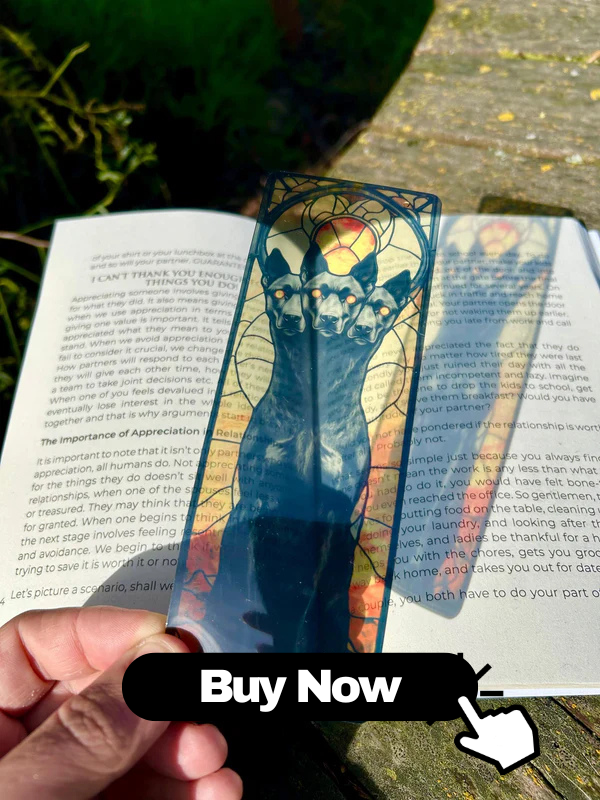
Laminated Bookmark Care
- Wipe gently with a soft, dry or slightly damp cloth to remove dust or fingerprints.
- Avoid excessive heat or sunlight that could warp the plastic over time.
- Do not fold or intentionally bend the laminated area; this can cause creases in the plastic.
- Store flat between books or in a small box when not in use.
Non Laminated Bookmark Care
- Keep away from liquids and damp environments to prevent warping or ink bleeding.
- Store in a protective sleeve, plastic pocket, or inside a book when not used.
- Handle by the edges to avoid fingerprints or smudges on the artwork.
- Consider adding a clear, non-plastic spray sealant if you want light protection while keeping the paper feel.
DIY Ideas: Making Your Own Bookmarks
Creating your own bookmarks is a fun way to customize your reading experience and make thoughtful gifts. You can choose to laminate your handmade bookmarks or keep them non laminated, depending on the style and durability you want.
DIY Non Laminated Bookmark Ideas
-
Watercolor bookmarks
- Use thick watercolor paper and paint simple designs or literary quotes.
- Once dry, cut into bookmark-sized strips and punch a hole for a ribbon if desired.
-
Collage bookmarks
- Glue pieces of magazine images, maps, or vintage paper onto cardstock.
- Seal with a thin layer of clear glue or varnish (still technically non laminated).
-
Calligraphy or quote bookmarks
- Write your favorite book quotes with calligraphy pens on high-quality paper.
- Decorate edges with washi tape or simple doodles.
DIY Laminated Bookmark Ideas
-
Printed photo bookmarks
- Print photographs, digital art, or book cover collages.
- Laminate using a home laminator or self-adhesive laminating sheets.
-
Student or classroom bookmarks
- Create reading-tracking bookmarks or motivational messages for students.
- Lamination helps them survive backpacks and daily classroom use.
-
Gift set bookmarks
- Design coordinated bookmarks for book clubs, weddings, or literary events.
- Lamination ensures these keepsakes last for years.
Using Bookmarks as Gifts, Branding, and Marketing Tools
Bookmarks are not just functional tools for readers; they are also effective branding and marketing items. Understanding when to choose laminated vs non laminated bookmarks is important if you are an author, business owner, librarian, or event organizer.
Bookmarks as Gifts
-
Laminated gifts
- Ideal for gift boxes, subscription book crates, and commemorative sets.
- Look polished and hold up well, making them a lasting reminder of the occasion.
-
Non laminated gifts
- Perfect for handwritten messages for birthdays, holidays, or thank-you notes.
- Great for handmade or artisanal gifts, where texture and uniqueness matter.
Bookmarks for Authors and Publishers
- Use laminated bookmarks for:
- Book signings, author events, and conventions.
- Giveaways that need to survive travel and frequent handling.
- Use non laminated bookmarks for:
- Short-run pre-launch promos.
- Bundles included with early ARCs (Advance Reader Copies).
Bookmarks for Businesses and Libraries
-
Libraries and schools
- Often prefer laminated bookmarks for reading programs, rules, and reference charts.
- Durability reduces the need for constant replacements.
-
Local businesses, cafes, and bookstores
- Can choose laminated for long-term branding or non laminated for seasonal campaigns.
- Bookmarks can include contact information, social media handles, and special offers.
Eco-Friendly Considerations: Sustainable Bookmark Choices
Many readers today care about the environmental impact of their reading accessories. When comparing laminated bookmarks vs non laminated bookmarks, sustainability is an important factor.
-
Issues with lamination
- Standard lamination uses plastic film that is difficult to recycle.
- Most curbside recycling programs do not accept laminated paper products.
-
Eco-friendly alternatives
- Use recycled paper or cardstock for non laminated bookmarks.
- Explore biodegradable or plant-based laminating films if available.
- Opt for minimal lamination and only when longevity is truly needed.
-
Low-waste bookmark ideas
- Repurpose postcards, packaging, or scrap paper into simple bookmarks.
- Choose fabric, wood, or bamboo bookmarks from ethical sources.
If environmental impact is a high priority, non laminated bookmarks made from recycled or compostable materials are often the best choice, especially for everyday reading.
FAQ: Laminated vs Non Laminated Bookmarks
Are laminated bookmarks safe for old or fragile books?
Laminated bookmarks are generally safe, but because they are more rigid and sometimes slippery, they can exert extra pressure on fragile pages if the book is tightly packed. For antique or delicate books, lightweight non laminated or soft fabric bookmarks are usually safer.
Do laminated bookmarks damage book pages?
Normally, laminated bookmarks do not damage pages if used correctly. Avoid very thick or sharp-edged laminations, and do not stuff multiple thick bookmarks into a tightly closed book. Thin, smooth laminated bookmarks are generally safe for everyday books.
Can I recycle laminated bookmarks?
In most areas, laminated paper is not easily recyclable because the plastic and paper layers are fused. Always check local recycling guidelines. Non laminated paper bookmarks, on the other hand, are more likely to be recyclable if printed with standard inks.
Which is better for kids: laminated or non laminated bookmarks?
For children, laminated bookmarks are usually more practical. They can withstand rough handling, spills, and frequent use in school bags. Non laminated bookmarks may tear more easily when used by younger readers.
Do non laminated bookmarks always wear out quickly?
Not always. High-quality cardstock, gentle use, and proper storage can make non laminated bookmarks last surprisingly long. However, for very heavy use or travel, laminated bookmarks typically provide greater longevity.
Is lamination always glossy?
No. Lamination comes in glossy, matte, and even soft-touch finishes. Matte lamination reduces glare and fingerprints, while soft-touch lamination adds a velvety feel but still counts as a laminated bookmark.
Conclusion: Choosing the Right Bookmark for Every Reader
When comparing laminated bookmarks vs non laminated bookmarks, the best choice depends on how you read, what you value, and how long you want your bookmark to last. Laminated bookmarks excel in durability, water resistance, and vibrant appearance, making them ideal for heavy use, kids, classrooms, and professional marketing. Non laminated bookmarks shine in eco-friendliness, tactile appeal, ease of writing, and artistic flexibility, perfect for handmade gifts, minimalists, and readers who prefer a more natural feel.
For many book lovers, the ideal solution is to keep a small collection of both types:
- Laminated bookmarks for travel, textbooks, and frequently handled books.
- Non laminated bookmarks for personal reading, journaling, and special sentimental titles.
By understanding the strengths and weaknesses of each option, you can confidently choose the best bookmark type for your reading style, values, and budget—and enjoy your books with the perfect page companion every time you open a cover.