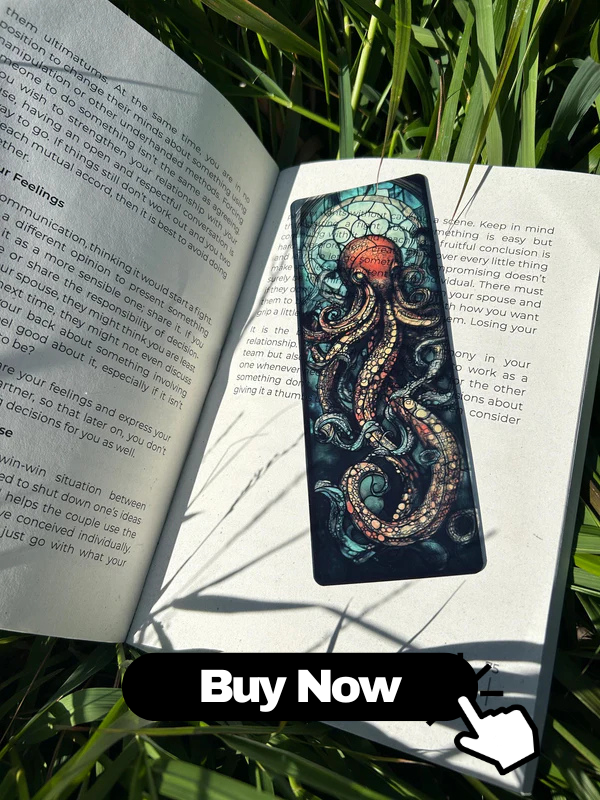
Laminated bookmarks vs non laminated bookmarks is a common debate among book lovers who care about both book protection and reading comfort. Choosing the right type of bookmark can actually influence how well your books are preserved, how enjoyable your reading experience is, and even how long your bookmarks last. In this detailed guide, we will explore the pros and cons of laminated and non laminated bookmarks, how they affect book care, and which is better depending on your reading habits, budget, and aesthetic preferences.
What Are Laminated Bookmarks?
A laminated bookmark is a bookmark that has been sealed between thin layers of plastic film using heat or adhesive. The lamination creates a smooth, glossy or matte protective surface that shields the paper or printed design underneath from wear and tear.
Key characteristics of laminated bookmarks:
- Protected surface – resists dirt, fingerprints, and minor spills.
- Stiffer structure – less flexible than plain paper bookmarks.
- Glossy or matte finish – improves color vibrancy and image clarity.
- Enhanced durability – less likely to tear, crease, or fray.
Laminated bookmarks are especially common for collectible bookmarks, gift bookmarks, and promotional bookmarks created by authors, libraries, and bookstores. They are designed to last a long time, even with frequent use.
What Are Non Laminated Bookmarks?
Non laminated bookmarks are bookmarks made without an exterior plastic coating. They are usually crafted from paper, cardstock, fabric, leather, wood, or other natural materials. These bookmarks rely on the inherent strength of the material rather than a lamination layer for durability.
Key characteristics of non laminated bookmarks:
- Natural texture – paper, fabric, and leather provide a pleasant tactile feel.
- More flexible – tend to bend more easily, conforming to book pages.
- Breathable materials – especially relevant for archival and rare books.
- Greater variety of handmade designs – popular among crafters and DIY enthusiasts.
Non laminated bookmarks are often favored by readers who value environmentally friendly bookmark options and a more traditional, organic feel when reading.
Benefits of Laminated Bookmarks for Book Care
Laminated bookmarks offer specific advantages that make them appealing for book protection and long-term use. When considering bookmark choices for book care, it is important to understand how lamination affects both the bookmark and the book.
1. Superior Durability
- Resistant to tearing: The plastic coating strengthens the underlying paper or card, making it less likely to rip.
- Less prone to bending: Stiffness helps keep the bookmark flat, which is ideal for neat book pages.
- Longevity: Laminated bookmarks can last for years, even with heavy daily use.
2. Protection Against Moisture and Stains
- Water-resistant surface: Minor spills or damp hands are less likely to damage the bookmark.
- Easy to wipe clean: Dust, fingerprints, and smudges can be removed with a soft cloth.
- Better for travel: Ideal for commuters and travelers who read in varied environments.
3. Reduced Transfer of Inks and Dyes to Pages
- The lamination layer acts as a barrier between the printed design and book pages, reducing the risk of ink transfer.
- This is particularly beneficial with dark or highly saturated bookmark designs used inside light-colored book pages.
4. Protection for Collectible or Sentimental Designs
- Lamination preserves special edition bookmarks, artwork, photos, and keepsakes used as bookmarks.
- Prevents fading and surface damage caused by frequent handling.
5. Professional Appearance
- High-quality look: A glossy or matte laminated finish can make printed designs sharper and more vivid.
- Branding benefits: Authors, publishers, and bookstores often choose laminated bookmarks for marketing materials to ensure they look polished and last longer.
Drawbacks of Laminated Bookmarks
While laminated bookmarks are durable and protective, they also come with potential disadvantages that can affect both book care and reading comfort.
1. Increased Thickness and Stiffness
- May strain the book’s spine if the bookmark is too thick or if multiple laminated bookmarks are used together.
- Less flexibility can cause slight pressure on the binding, especially in tightly bound or older books.
- Can leave a more pronounced indentation in very thin pages if pressed firmly.
2. Potential to Slip Out More Easily
- The smooth plastic surface of laminated bookmarks can be more slippery.
- In books with glossy pages, laminated bookmarks may slide out if the book is jostled in a bag or on a shelf.
3. Glare and Reflection
- Glossy lamination can produce glare under strong light, which some readers find distracting.
- Matte lamination reduces this issue but is often slightly more expensive.
4. Environmental Concerns
- Lamination typically uses plastic film, which is less eco-friendly and harder to recycle.
- Not ideal for readers seeking zero-waste or environmentally conscious bookmark options.
5. Potential Warping Over Time
- Poorly laminated bookmarks can curl or warp, especially if subjected to heat or humidity.
- Inferior lamination can peel at the edges, creating rough spots that may catch on pages.
Benefits of Non Laminated Bookmarks
Non laminated bookmarks offer a different set of advantages that many book lovers prefer, especially when focusing on delicate book care and sustainability.
1. Gentle on Book Spines and Pages
- Thinner and more flexible materials create less stress on the binding of the book.
- Conform naturally to the pages, minimizing gaps and pressure points.
- Especially suitable for older books, antique editions, and fragile bindings.
2. Natural and Tactile Reading Experience
- Paper, fabric, and leather offer a warm, organic feel that many readers love.
- Non laminated bookmarks can enhance the overall aesthetic and sensory experience of reading.
3. Eco-Friendly Options
- Recycled paper, cardboard, or natural fibers can be compostable or easily recyclable.
- Ideal for eco-conscious readers who avoid plastic-based products.
- Less environmental impact than plastic-coated bookmarks when responsibly sourced.
4. Easy to Customize and DIY
- Non laminated bookmarks are perfect for DIY projects, crafts, and personalized gifts.
- Children and hobbyists can create bookmarks with drawing, stamping, or collage without needing lamination equipment.
- Simple to write notes, quotes, or page references directly on the bookmark.
5. Variety of Artistic Styles
- Many artisans create hand-painted or hand-stitched bookmarks that are not laminated.
- Unique textures, such as handmade paper, linen, or embossed cardstock, are more noticeable without plastic covering.
Drawbacks of Non Laminated Bookmarks
Despite their charm and environmental advantages, non laminated bookmarks have some limitations that can affect long-term use and book care.
1. Less Resistant to Wear and Tear
- More prone to bending, creasing, and fraying at the edges.
- Paper bookmarks can tear easily, especially when pulled roughly from tightly closed books.
- Frequent use may cause designs and text to fade or rub off.
2. Vulnerable to Moisture and Stains
- Spills, sweat, or humidity can warp or stain non laminated bookmarks.
- Ink from poorly printed bookmarks may bleed onto pages under damp conditions.
3. Potential for Ink Transfer
- Without a protective layer, strong inks or saturated colors may transfer or smudge onto book pages over time.
- Especially relevant for cheaply printed bookmarks or homemade designs using non-archival inks.
4. Shorter Lifespan
- Non laminated bookmarks may need to be replaced more often due to visible wear.
- Sentimental or collectible designs risk damage without added protection.
Laminated vs Non Laminated: Impact on Book Care
When comparing laminated bookmarks vs non laminated bookmarks specifically for book care, it helps to look at how each type interacts with the physical book. Here are the main factors to consider.
1. Protection of Pages
-
Laminated bookmarks:
- Less likely to shed fibers or lose ink onto pages.
- May slightly indent or press on pages if they are very thick or stiff.
-
Non laminated bookmarks:
- Softer and more flexible, reducing the risk of pressure damage.
- Can absorb oils or moisture that may then contact book pages.
2. Impact on Book Spine and Binding
- Laminated: Thicker and stiffer designs can, in some cases, create extra tension on the spine if left in while the book is tightly shelved.
- Non laminated: Slimmer profiles are generally kinder to the spine, particularly in paperbacks and older hardcovers.
3. Suitability for Different Types of Books
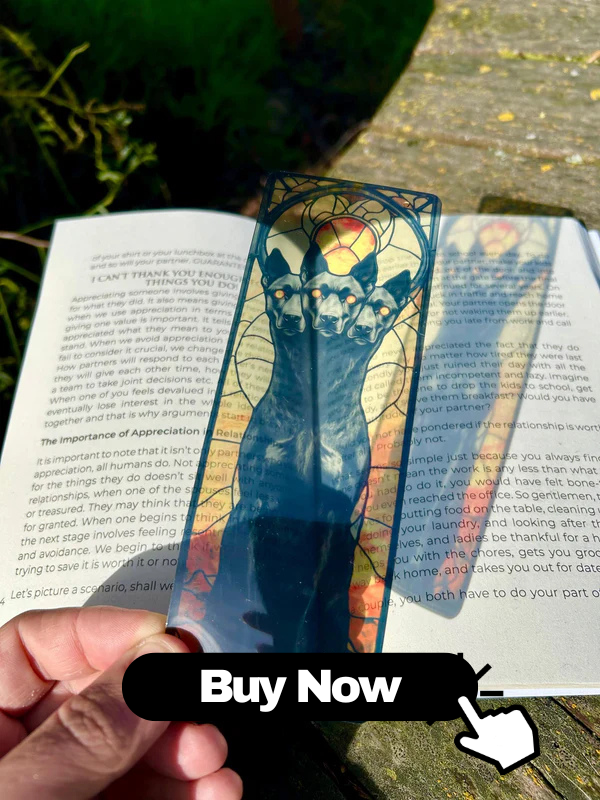
-
For rare, antique, or archival books:
- Non laminated, acid-free paper bookmarks are typically recommended to avoid chemical and physical stress.
-
For everyday novels and modern hardcovers:
- Laminated bookmarks are usually safe and convenient, offering long-lasting use.
-
For textbooks and study materials:
- Laminated bookmarks can handle heavy use and can double as note-friendly tools if you use erasable markers on them.
4. Storage and Long-Term Preservation
- Storing books with thick stacks of laminated bookmarks can slightly distort the book if overdone.
- Storing books with thin, non laminated bookmarks usually introduces minimal structural strain.
- For serious collection care, many archivists recommend using acid-free, non laminated paper slips as placeholders rather than heavy or plastic-coated items.
Common Materials and Types of Bookmarks
Understanding the materials used in both laminated and non laminated bookmarks can help you choose the best bookmark type for book care, durability, and style.
Popular materials for laminated bookmarks:
- Glossy cardstock + plastic film – bright, colorful, and eye-catching.
- Matte cardstock + matte lamination – more subtle and less reflective.
- Photo paper + lamination – preserves photographs and detailed illustrations.
Popular materials for non laminated bookmarks:
- Standard paper or cardstock – inexpensive and easy to print.
- Handmade or recycled paper – eco-friendly with unique textures.
- Fabric – soft bookmarks such as ribbon, woven strips, or embroidered cloth.
- Leather – durable, flexible, and elegant, often used in premium bookmarks.
- Wood – thin wooden slivers, often laser-engraved, which may be left unlaminated.
Common bookmark styles and how lamination fits in:
- Flat bookmarks: Can be laminated or non laminated; most common style.
- Magnetic bookmarks: Often use laminated exteriors for strength and durability.
- Corner bookmarks: Typically non laminated paper or fabric folded to fit the page corner.
- Ribbon or tassel bookmarks: Usually non laminated, especially when made from cloth, silk, or cotton.
When to Choose Laminated Bookmarks
In some reading situations and environments, laminated bookmarks are the more practical and protective option.
Choose laminated bookmarks if:
- You want a long-lasting bookmark that will not easily tear or fade.
- You frequently read:
- On public transportation.
- In cafés or outdoors.
- While traveling or commuting.
- You plan to give bookmarks as gifts or promotional items and want a professional finish.
- You have children using bookmarks who may handle them roughly.
- You use bookmarks for textbooks and study materials that are opened and closed many times a day.
- You want to preserve valuable artwork or photos printed on the bookmark.
When to Choose Non Laminated Bookmarks
Non laminated bookmarks shine in other contexts, especially when subtlety, flexibility, and sustainability are key.
Choose non laminated bookmarks if:
- You prioritize minimal impact on the book’s spine and pages.
- You frequently read old, collectible, or delicate books that require gentle care.
- You prefer eco-friendly bookmark options without plastic.
- You enjoy the natural feel of paper, fabric, or leather.
- You like to write notes on your bookmarks (e.g., quotes, page numbers, reflections).
- You create handmade bookmarks and value the visible, tactile qualities of the material.
Personalization and Design Options
Both laminated and non laminated bookmarks can be highly personalized, but the material choice affects the design approach and longevity.
Personalizing laminated bookmarks:
- Best for full-color printing, photographs, and detailed graphics.
- Lamination enhances vibrant colors and sharp lines.
- Common personalization options:
- Author branding and logos.
- Quotes, book series art, and character illustrations.
- Event or conference bookmarks designed to last.
Personalizing non laminated bookmarks:
- Ideal for handwritten notes, drawings, and mixed-media art.
- Encourages creative techniques such as:
- Watercolor and ink work (using suitable paper).
- Stamped designs, collage, and washi tape decoration.
- Embroidery and stitching on fabric bookmarks.
- Easier for one-of-a-kind or small-batch handmade bookmarks sold by artisans.
Cost and Durability Comparison
When deciding between laminated bookmarks vs non laminated bookmarks, it helps to consider both the short-term cost and the long-term value.
Cost factors for laminated bookmarks:
- Higher production cost due to lamination process and materials.
- More economical at larger print runs (e.g., for publishers and events).
- Long-term value is high because of extended lifespan.
Cost factors for non laminated bookmarks:
- Lower initial cost, especially for simple paper or cardstock designs.
- Can be printed at home or in small quantities cheaply.
- May require more frequent replacement due to wear and tear, depending on usage.
Durability comparison:
-
Laminated bookmarks:
- High resistance to damage.
- Maintain appearance for a long time.
- Best for heavy or rough use.
-
Non laminated bookmarks:
- Moderate to low durability depending on material.
- Best for careful readers or occasional use.
- Ideal for situations where replacing bookmarks is acceptable or even enjoyable.
Eco-Friendly and Sustainability Considerations
For many readers, sustainability is a key concern when choosing between laminated and non laminated bookmarks. Bookmark materials can affect environmental impact, recyclability, and waste.
Environmental impact of laminated bookmarks:
- Lamination uses plastic film that is difficult to recycle when fused with paper.
- Most laminated bookmarks end up as non-recyclable waste.
- Some specialized lamination films are more eco-friendly, but they are less common.
Environmental impact of non laminated bookmarks:
- Recycled or FSC-certified paper bookmarks can often be recycled or composted.
- Natural fabrics like cotton or linen are biodegradable.
- Leather, while durable, comes with other environmental considerations in production.
Sustainable bookmark tips:
- Choose non laminated, recycled paper bookmarks when possible if sustainability is a priority.
- If you prefer laminated bookmarks for durability, opt for:
- High-quality designs you will keep and use long-term.
- Limited numbers rather than excessive quantities.
- Repurpose materials as bookmarks, such as:
- Scrap cardstock.
- Old greeting cards.
- Fabric offcuts.
Practical Tips for Caring for Your Bookmarks
Regardless of whether you choose laminated or non laminated bookmarks, proper care will extend their life and help protect your books.
Care tips for laminated bookmarks:
- Avoid bending them sharply, which can cause creases or cracks in the lamination.
- Wipe gently with a soft, dry cloth to remove dust or fingerprints.
- Do not leave them in extreme heat (e.g., inside a hot car), which may lead to warping.
Care tips for non laminated bookmarks:
- Keep them away from liquids and humidity to prevent warping and staining.
- Store unused bookmarks flat in a box or envelope to avoid bending.
- Use acid-free paper for bookmarks intended for long-term use in collectible books.
General bookmark etiquette for book care:
- Insert the bookmark gently between pages without forcing it.
- Avoid placing bulky objects (like thick charms or large clips) inside delicate books.
- Do not leave multiple thick bookmarks in the same book for extended periods, as this may put pressure on the binding.
FAQ: Laminated vs Non Laminated Bookmarks
1. Are laminated bookmarks bad for books?
- Laminated bookmarks are generally safe for most modern books, especially if they are not excessively thick.
- For rare or extremely fragile books, thin, non laminated, acid-free paper bookmarks are usually recommended.
2. Do non laminated bookmarks damage pages more than laminated ones?
- Non laminated bookmarks are softer and more flexible, so they generally do not damage pages.
- However, if they become dirty, oily, or wet, they could potentially stain pages.
3. Which bookmark type lasts longer?
- Laminated bookmarks typically last longer due to their protective plastic coating and resistance to wear.
- Non laminated bookmarks may wear down faster, especially with heavy use, but can be easily replaced or created anew.
4. Are laminated bookmarks waterproof?
- Laminated bookmarks are water-resistant, not fully waterproof.
- Edges and cuts can sometimes allow moisture to reach the underlying paper if submerged.
5. Which is better for children’s books?
- Laminated bookmarks are often better for children because they can withstand rough handling, spills, and bending.
- However, if eco-friendliness is a priority, sturdy non laminated cardstock bookmarks may be a good compromise.
Final Recommendations
Choosing between laminated bookmarks vs non laminated bookmarks for book care ultimately depends on your priorities: durability, environmental impact, reading habits, and the types of books you own.
Choose laminated bookmarks if you:
- Want durable, long-lasting bookmarks for everyday reading and travel.
- Use bookmarks heavily in textbooks, work materials, and frequently opened books.
- Value vibrant, high-quality printed designs that stay pristine over time.
Choose non laminated bookmarks if you:
- Read antique, rare, or delicate books that need gentle handling.
- Prefer a natural, eco-friendly reading accessory without plastic.
- Enjoy making or collecting handmade, artisanal bookmarks.
For many readers, the best approach is to keep a small collection of both laminated and non laminated bookmarks and choose the right tool for each reading situation. By understanding the strengths and weaknesses of each type, you can better protect your books, enhance your reading experience, and select bookmarks that align with your values and style.