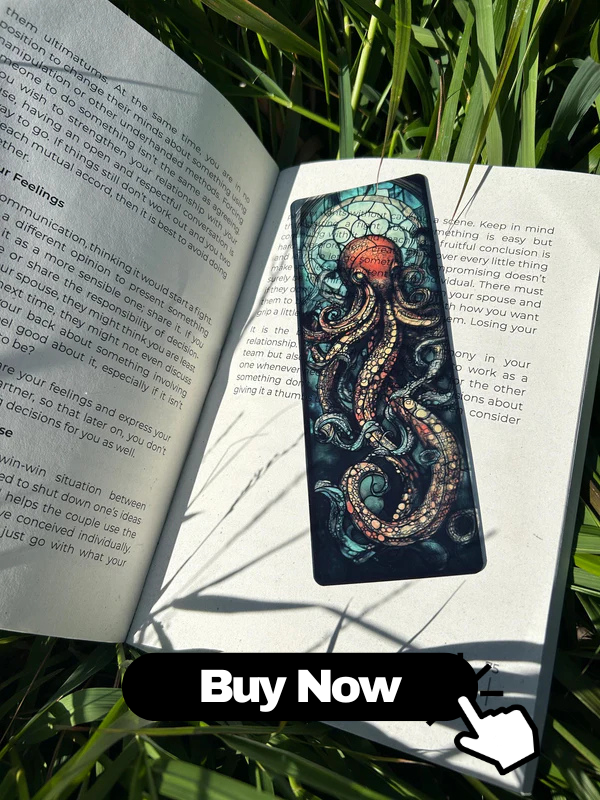
Bookmarks may be small accessories, but for readers, students, and collectors they carry a lot of meaning. When shopping for a bookmark, you’ll quickly notice two main categories: handmade bookmarks and mass market bookmarks. Understanding the difference between these two types can help you choose a bookmark that fits your needs, values, budget, and style. This detailed guide explores how handmade and mass-produced bookmarks differ in materials, design, durability, environmental impact, cost, and more—so you can make an informed choice and enjoy a better reading experience.
1. What Are Handmade vs. Mass Market Bookmarks?
To understand the difference between handmade bookmarks and mass market bookmarks, it helps to define both categories clearly.
Handmade Bookmarks
Handmade bookmarks are created individually or in small batches by artisans, crafters, or small businesses. They often feature:
- Handcrafted techniques such as painting, drawing, sewing, engraving, or hand-lettering.
- Unique or limited-edition designs that are not widely available.
- Small-scale production, often from home studios, local workshops, or independent craft shops.
- Direct input from the maker, including options for custom designs or personalized details.
Mass Market Bookmarks
Mass market bookmarks (also called mass-produced bookmarks or commercial bookmarks) are designed and produced in large quantities, usually by bigger companies or printers. They typically:
- Use industrial printing methods like offset or digital printing.
- Are sold in bookstores, online marketplaces, gift shops, and large retail chains.
- Feature standardized designs that are identical across thousands of units.
- Focus on low cost per unit and broad appeal.
In essence, the core difference is that handmade bookmarks emphasize individual craftsmanship and uniqueness, while mass market bookmarks prioritize efficiency, affordability, and scale.
2. Materials: Quality, Texture, and Feel
One of the most noticeable differences between handmade and mass market bookmarks is the choice and quality of materials. The material you choose affects not only the look and feel but also the bookmark’s durability and environmental footprint.
Materials Commonly Used in Handmade Bookmarks
- Premium paper and cardstock: Textured, recycled, or specialty paper for a tactile feel.
- Fabric and textiles: Cotton, linen, felt, leather, or faux leather for soft, flexible bookmarks.
- Wood and bamboo: Thin, laser-cut or hand-carved wooden bookmarks with natural grain patterns.
- Metal: Brass, stainless steel, or aluminum, often engraved or etched.
- Resin and epoxy: Clear or colored resin with embedded flowers, glitter, or images.
- Recycled and upcycled materials: Old book pages, maps, postcards, or fabric scraps.
Because artisans can source materials in smaller quantities, handmade bookmarks often feature higher-quality or unusual materials that are not economical for mass production.
Materials Commonly Used in Mass Market Bookmarks
- Standard cardstock: Glossy or matte, often laminated for protection.
- Plastic or PVC: Flexible and durable, sometimes transparent.
- Thin metal: For metallic bookmarks produced in large batches.
- Magnetic strips: For fold-over magnetic bookmarks that clip to the page.
Mass-produced bookmarks generally focus on cost-effective, easily printable materials that work well with industrial machinery and large print runs.
How Material Choices Affect the User Experience
- Texture: Handmade bookmarks often feel more textured and “alive” in the hand, while mass market bookmarks tend to be smoother and more uniform.
- Thickness: Some handmade materials like wood or layered fabric can be thicker, which may not suit very tightly bound books.
- Flexibility: Fabric and thin paper conform more easily to pages; metal and wood are stiffer and more rigid.
- Perceived luxury: Natural materials such as leather, wood, or heavy cardstock feel more luxurious and premium.
3. Design and Aesthetic Differences
Design is where the difference between handmade and mass market bookmarks becomes especially visible. Style, originality, and artistic expression vary significantly across both categories.
Design Features of Handmade Bookmarks
- Unique artwork: Watercolor illustrations, hand-drawn characters, calligraphy, and original typography.
- One-of-a-kind pieces: No two bookmarks are exactly the same, especially with hand-painted or hand-cut designs.
- Artistic imperfections: Slight variations, brushstrokes, or irregularities that signal human craftsmanship.
- Thematic depth: Designs often inspired by literature, poetry, fandoms, specific book quotes, or personal interests.
- Mixed media: Beads, ribbons, charms, dried flowers, and other embellishments to enhance visual interest.
Design Features of Mass Market Bookmarks
- Broad appeal: Designs crafted to satisfy a wide audience—cute animals, inspirational quotes, popular characters.
- Reproducible graphics: Digital illustrations or stock images that can be printed thousands of times.
- Branding and licensing: Logos, corporate branding, or licensed imagery from movies, games, and best-selling books.
- Standardized format: Most bookmarks follow common dimensions and shapes for ease of packaging and display.
Visual Identity and Personal Style
If you care about your bookshelf aesthetic or use bookmarks to express your identity as a reader, the design difference matters:
- Handmade bookmarks are ideal for readers who want their bookmarks to reflect their personal style, fandoms, or values.
- Mass market bookmarks suit readers who prioritize recognizable designs, branded characters, or uniform collections.
4. Craftsmanship and Production Methods
Craftsmanship plays a huge role in the quality and character of a bookmark.
Handmade Bookmark Craftsmanship
Handmade bookmarks are often created using time-intensive techniques, such as:
- Hand cutting and trimming paper, leather, or fabric to create unique shapes.
- Stitching or embroidery on fabric bookmarks.
- Hand-painting or drawing illustrations and lettering.
- Burnishing, carving, or woodburning on wooden bookmarks.
- Resin casting with carefully arranged decorative elements.
This level of craftsmanship results in bookmarks that carry a sense of authenticity and individuality. Buyers often appreciate knowing that a specific person invested time and care into each piece.
Mass Market Bookmark Production
Mass market bookmarks rely on automated, industrial processes to keep costs low and output high:
- Offset and digital printing for clear, consistent images and text.
- Die-cutting to produce identical shapes quickly.
- Lamination for added durability and a glossy or matte finish.
- Automated packaging and labeling for retail distribution.
While these methods minimize uniqueness, they excel at delivering consistent quality and affordability across large volumes.
5. Durability and Longevity
Another key difference between handmade and mass-produced bookmarks lies in how long they last and how well they hold up to daily use.
Durability of Handmade Bookmarks
Durability can vary widely with handmade bookmarks because they use diverse materials and techniques:
-
High-durability examples:
- Leather or faux leather bookmarks
- Metal bookmarks (brass, stainless steel, aluminum)
- Sealed wood bookmarks
- Resin bookmarks with smooth edges
-
More delicate examples:
- Hand-painted watercolor paper without lamination
- Dried flower bookmarks that are not fully sealed
- Bookmarks with protruding charms or beads that can catch on pages
Durability of Mass Market Bookmarks
- Laminated paper bookmarks: Resist spills, smudges, and bending, making them reliable for daily use.
- Plastic bookmarks: Very resilient, though they can bend or crease over time.
- Magnetic bookmarks: Protect pages well but can weaken if the magnets are low-quality.
If your priority is a bookmark that will withstand frequent, rough handling, mass market options—especially laminated or plastic ones—are often more predictable. Handmade bookmarks can be just as durable, but it depends heavily on the maker’s material choices and construction.
6. Personalization and Customization Options
Personalization is a major advantage of handmade bookmarks and a clear point of difference from mass market products.
Personalization with Handmade Bookmarks
Most artisans and small businesses offer or accept custom bookmark orders. Options often include:
- Names and initials printed, painted, engraved, or embroidered on the bookmark.
- Custom quotes from your favorite books, authors, or poems.
- Color schemes tailored to your preferences or matching a particular book cover.
- Themed bookmarks for fandoms (fantasy, sci-fi, romance, classics) or special occasions.
- Logo or brand bookmarks for book clubs, libraries, or small businesses.
Personalization with Mass Market Bookmarks
Mass market bookmarks generally offer limited or no customization. What you see is what you get:
- Pre-printed quotes and designs you can choose from but not change.
- Occasional “name bookmarks” with common names, sold in tourist shops or chain stores.
- Large corporate runs of branded bookmarks (often promotional, not personalized to individuals).
If you want a bookmark that feels truly personal, meaningful, or gift-worthy, handmade bookmarks usually provide far more flexibility and emotional resonance.
7. Sustainability and Environmental Impact
Many readers care about eco-friendly bookmarks and sustainable reading accessories. The sustainability profile of handmade vs. mass market bookmarks can look very different.
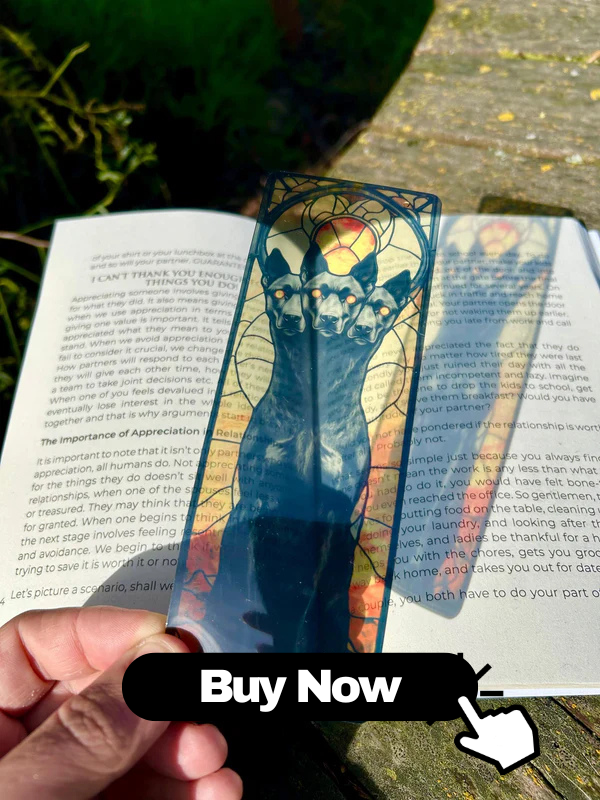
Sustainability Advantages of Handmade Bookmarks
- Local and small-scale production: Often results in a smaller carbon footprint, especially if made and sold locally.
- Use of recycled or upcycled materials: Old book pages, maps, or fabric scraps are often repurposed creatively.
- Natural materials: Wood, bamboo, cotton, and other biodegradable materials may be favored.
- Ethical sourcing: Easier to trace where materials come from when dealing with independent makers.
Sustainability Concerns with Mass Market Bookmarks
- Plastic content: Many mass-produced bookmarks are made from or coated with plastic, which is not biodegradable.
- Large-scale manufacturing: Industrial production and global shipping can increase environmental impact.
- Disposable nature: Very low-cost bookmarks may be treated as disposable, leading to more waste.
That said, some large companies are improving their sustainability efforts by using recycled paper, soy-based inks, and eco-friendly laminates. Always check product descriptions or labels for sustainability information, whether you’re buying handmade or mass market.
8. Cost, Value, and Perceived Worth
Price is often the most immediate difference between handmade and mass-produced bookmarks, but it’s important to consider value beyond the price tag.
Cost of Handmade Bookmarks
Handmade bookmarks typically cost more than mass market versions because:
- They require significant time and labor to design and create.
- Artisans often use higher-quality materials in smaller quantities.
- Each piece may be unique or limited edition, increasing its perceived value.
Price ranges can vary widely, for example:
- Simple paper or cardstock handmade bookmarks: Lower cost but still often more than mass-produced equivalents.
- Leather, metal, or resin bookmarks: Mid to higher price point due to materials and labor.
- Highly customized or intricate pieces: Highest prices, reflecting bespoke design work.
Cost of Mass Market Bookmarks
Mass market bookmarks are generally very affordable:
- They benefit from economies of scale—the more produced, the lower the cost per unit.
- Materials are often standardized and inexpensive.
- Labor is mostly automated, reducing manual effort.
Perceived Value
When comparing cost vs. value:
- Handmade bookmarks deliver value through uniqueness, craftsmanship, and emotional connection.
- Mass market bookmarks deliver value through affordability, consistency, and broad availability.
If you want something special, sentimental, or collectible, a handmade bookmark is often worth the higher price. For everyday, practical use or bulk needs, mass market bookmarks may be more cost-effective.
9. Collecting Bookmarks: Handmade vs. Mass Market
Bookmark collecting is a popular hobby among book lovers. Both handmade and mass-produced bookmarks offer unique benefits for collectors.
Collecting Handmade Bookmarks
- Unique pieces: Each item can be different, creating a truly diverse collection.
- Support for artists: Collectors often enjoy building relationships with specific creators.
- Limited editions: Many handmade bookmarks are produced in small runs or as one-of-a-kind items, increasing their rarity.
- Art appreciation: Handmade bookmarks can feel like miniature works of art, worthy of display.
Collecting Mass Market Bookmarks
- Themed sets: TV shows, movie franchises, book series, or seasonal themes.
- Vintage commercial bookmarks: Out-of-print designs, retro advertisements, or promotional bookmarks from past decades.
- Completable collections: It can be fun to “complete a set” of branded or numbered bookmarks.
Collectors often combine both types, using handmade bookmarks for display or special reads and mass market bookmarks for everyday reading.
10. Gift-Giving: Choosing the Right Type of Bookmark
Bookmarks make thoughtful, affordable gifts for readers of all ages. When deciding between handmade and mass market bookmarks for a gift, consider:
When to Choose Handmade Bookmarks as Gifts
- For special occasions: Birthdays, graduations, anniversaries, or holidays.
- For book lovers and collectors: Those who appreciate art, craftsmanship, or bespoke items.
- For personal gifting: When you know the recipient’s favorite colors, genres, or quotes and can request a custom design.
- For meaningful keepsakes: Personalized bookmarks can be cherished for years.
When to Choose Mass Market Bookmarks as Gifts
- For large groups: Book clubs, classroom gifts, or event giveaways.
- For casual gifts: Stocking stuffers, party favors, or small add-ons to a book purchase.
- For budget-conscious gifting: When you need something thoughtful but inexpensive.
Combining both types is also effective: pair a handmade personalized bookmark with a special book for a close friend, and use mass market sets for broader, more casual gifting.
11. How Bookmarks Influence the Reading Experience
While bookmarks seem like simple tools, the type you choose can subtly affect how you feel about reading.
Emotional Connection
- Handmade bookmarks often feel more personal and special, encouraging you to slow down and savor your reading time.
- Mass market bookmarks offer reliable function and can reflect favorite brands or fandoms, which can still be emotionally satisfying.
Practical Function
- Thin, flat bookmarks (often mass-produced) slide easily between pages with minimal bulk.
- Thicker or decorative handmade bookmarks add personality but may be less practical in very tightly bound books.
- Magnetic bookmarks (often mass market) stay securely in place, ideal for travel or bags.
12. How to Choose the Right Bookmark for You
Choosing between handmade and mass-produced bookmarks depends on your priorities. Consider these factors:
1. Budget
- If you want to spend less, mass market bookmarks are more affordable.
- If you can invest a bit more for something special, handmade bookmarks offer more uniqueness and craft value.
2. Usage Frequency
- Everyday reading and travel: Durable, simple designs (often mass market) or sturdy handmade options.
- Special books or collections: Unique handmade bookmarks that complement your favorite titles.
3. Personal Values
- Support for small businesses and artisans: Choose handmade bookmarks whenever possible.
- Eco-consciousness: Look for bookmarks labeled as recycled, upcycled, or sustainably sourced.
4. Aesthetic Preferences
- Do you prefer clean, uniform designs? Mass-produced bookmarks might appeal more.
- Do you love unique, artsy, or imperfect pieces? Handmade bookmarks are likely for you.
13. Care and Maintenance Tips for Different Types of Bookmarks
Proper care can significantly extend the life of both handmade and mass market bookmarks.
Caring for Handmade Bookmarks
-
Paper or cardstock:
- Avoid water, oils, and direct sunlight for long periods.
- Store in a book box or protective sleeve if not in use.
-
Fabric and leather:
- Keep away from moisture and direct heat.
- Gently brush off dust; for leather, use appropriate leather conditioner if needed.
-
Wood:
- Avoid bending and dropping on hard surfaces.
- Keep away from extreme humidity to prevent warping.
-
Resin:
- Store away from sharp objects that could scratch the surface.
- Do not expose to very high temperatures to avoid warping.
Caring for Mass Market Bookmarks
-
Laminated paper:
- Wipe gently with a soft, slightly damp cloth if dirty.
- Avoid folding or extreme bending to prevent creases.
-
Plastic:
- Clean with a soft cloth; avoid harsh chemicals that might cloud the plastic.
-
Magnetic bookmarks:
- Keep away from strong magnets or electronics where possible.
- Avoid bending the hinge area repeatedly to prevent tearing.
14. Frequently Asked Questions About Handmade and Mass Market Bookmarks
Are handmade bookmarks better quality than mass market bookmarks?
Handmade bookmarks can be higher quality when artisans use premium materials and careful techniques, but quality varies by maker. Mass market bookmarks are consistent and often durable, especially laminated or plastic versions, but may not feel as special or unique.
Do handmade bookmarks damage books?
Most handmade bookmarks are safe for books if they are thin, smooth, and free of sharp edges. Avoid very thick, heavy, or rough designs for delicate or antique books.
Can mass market bookmarks be eco-friendly?
Yes. Look for bookmarks labeled as recycled paper, chlorine-free, soy-ink printed, or biodegradable. Some large manufacturers now offer eco-conscious bookmark lines.
Where can I buy handmade bookmarks?
You can find handmade bookmarks on:
- Online marketplaces (e.g., artisan-focused platforms).
- Local craft fairs and art markets.
- Independent bookstores and gift shops.
- Directly from artists via their websites or social media.
Are mass market bookmarks collectible?
Yes. Many readers collect vintage promotional bookmarks, licensed character sets, and branded bookmarks from favorite publishers, bookstores, or events.
15. Conclusion: Which Bookmark Type Is Better?
The difference between handmade and mass market bookmarks comes down to values, priorities, and personal taste:
-
Choose handmade bookmarks if you value:
- Unique, artistic designs
- Personalization and custom quotes
- Supporting independent artists and small businesses
- Collectible, meaningful keepsakes
-
Choose mass market bookmarks if you value:
- Affordability and easy availability
- Consistent quality and durability
- Themed or branded designs (movies, series, fandoms)
- Bulk purchasing for classes, events, or book clubs
Ultimately, many readers enjoy a mix of both: handmade bookmarks for special books and occasions, and mass market bookmarks for everyday reading and backup markers. By understanding the key differences in materials, craftsmanship, sustainability, cost, and design, you can choose bookmarks that not only save your place in a story but also reflect who you are as a reader.