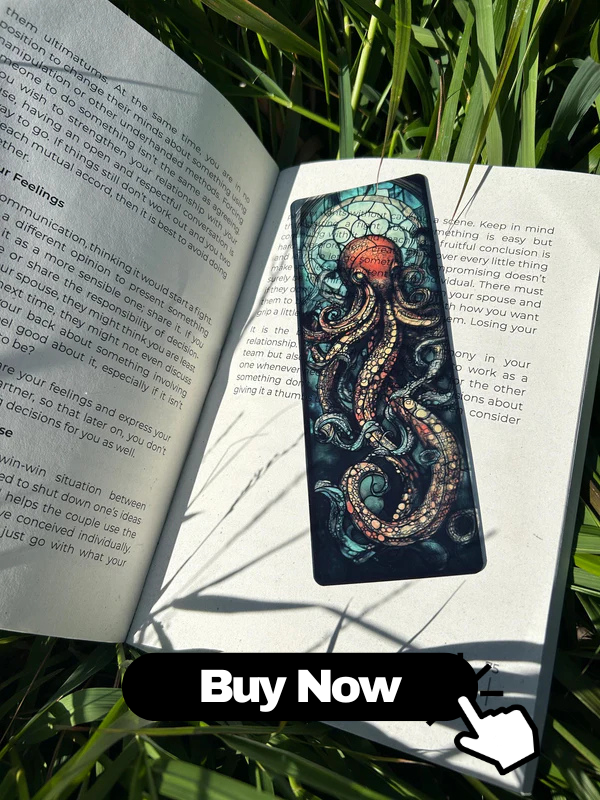
Laminated bookmarks have become a popular choice among readers, students, teachers, and book collectors who want a durable, attractive way to mark their place in a book. While lamination can increase longevity and protect designs, it also comes with potential drawbacks related to cost, sustainability, and user experience. Understanding the pros and cons of laminated bookmarks can help you decide whether laminated bookmarks are the right option for your personal reading habits, classroom, business, or gift-giving needs.
What Are Laminated Bookmarks?
Laminated bookmarks are bookmarks that have been sealed between thin layers of plastic film, typically using heat or pressure. This process creates a protective coating over the printed or decorated surface, making the bookmark more durable and resistant to damage.
Common materials used before lamination include:
- Cardstock (matte or glossy)
- Photo paper for high-resolution images
- Decorative paper or scrapbook paper
- Printed marketing materials for authors, publishers, or bookstores
Lamination is widely used for:
- Promotional bookmarks for authors, libraries, and bookshops
- Souvenir bookmarks from museums or tourist attractions
- Educational bookmarks with reference information, reading lists, or study tips
- Custom gifts featuring quotes, photos, or artwork
Benefits of Laminated Bookmarks
The advantages of laminated bookmarks are the main reason they are so common in libraries, book fairs, and online shops. Below are the most significant pros to consider.
1. Enhanced Durability and Longevity
One of the primary reasons many readers prefer laminated bookmarks is their long-lasting durability.
- Resistant to tearing: The plastic coating reinforces the paper core, preventing tears and rips.
- Less prone to creasing: Unlike plain paper bookmarks, laminated versions keep their shape even after repeated use.
- Edge protection: Lamination helps prevent frayed or curled edges that can appear quickly with unlaminated paper.
This makes laminated bookmarks ideal for:
- Frequent readers who use bookmarks daily
- Classrooms with younger students who may be rough on materials
- Libraries where bookmarks are shared and heavily handled
2. Protection from Spills and Stains
Readers often enjoy books with beverages, snacks, or on the go. Laminated bookmarks offer protection against moisture, fingerprints, and dirt.
- Water resistance: Light spills or damp hands are less likely to ruin the bookmark.
- Easy to wipe clean: A soft cloth can remove smudges or dust from the laminated surface.
- Stain resistance: Ink, oils, or dirt are less likely to penetrate the surface.
3. Improved Appearance and Color Preservation
Lamination can enhance the visual appearance of bookmarks, which is important for both aesthetics and branding.
- Color vibrancy: Lamination, especially with a glossy finish, can make colors look richer and more eye-catching.
- Fade resistance: The protective layer reduces damage from UV light and handling, helping printed designs last longer.
- Professional look: Laminated bookmarks often appear more polished and high-quality, which is beneficial for authors, illustrators, and small businesses.
4. Ideal for Promotional and Branding Purposes
For businesses, authors, or events, laminated bookmarks can serve as long-term marketing tools.
- Brand visibility: Logos, website URLs, and social media handles remain legible and attractive over time.
- Giveaways that last: A durable bookmark is more likely to be used repeatedly, increasing exposure.
- Perceived value: Laminated bookmarks feel more substantial and professional than plain paper, improving the recipient’s impression.
5. Structural Support for Special Features
Laminated bookmarks provide stability for additional design elements.
- Punched holes and tassels: Lamination prevents holes from tearing easily.
- Die-cut shapes: Unusual shapes maintain their structure better when laminated.
- Double-sided printing: Both sides are protected from wear and fading.
Drawbacks of Laminated Bookmarks
Despite their advantages, laminated bookmarks are not perfect. There are significant downsides to consider, especially regarding sustainability, flexibility, and user preference.
1. Environmental and Sustainability Concerns
One of the biggest drawbacks is the environmental impact of lamination.
- Mixed-material product: Laminated bookmarks typically combine paper and plastic, making them difficult or impossible to recycle through standard channels.
- Plastic waste: The plastic film used in lamination contributes to long-lasting waste in landfills.
- Resource use: Both the lamination process and film production consume energy and materials.
For eco-conscious readers, teachers, and businesses, these environmental disadvantages can outweigh the benefits of durability.
2. Increased Production Costs
Laminated bookmarks are generally more expensive to produce than simple paper bookmarks.
- Materials cost: Lamination film and higher-quality cardstock add expenses.
- Equipment and labor: Whether done at home with a laminator or by a print shop, lamination requires additional steps.
- Minimum order quantities: Professional lamination services often require larger orders to be cost-effective.
For small projects or budget-sensitive campaigns, these added costs may not be justifiable.
3. Potential for Glare and Reflections
While glossy lamination can enhance colors, it can also introduce unwanted glare.
- Difficult to read in bright light: Quotes or small text printed on the bookmark can be harder to see under strong lighting.
- Annoying reflections: Shiny surfaces may reflect lamps or sunlight when you’re trying to read.
Those who prioritize readability and eye comfort may prefer matte lamination or unlaminated bookmarks.
4. Stiffness and Bulk in the Book
Laminated bookmarks are usually thicker and more rigid than paper ones.
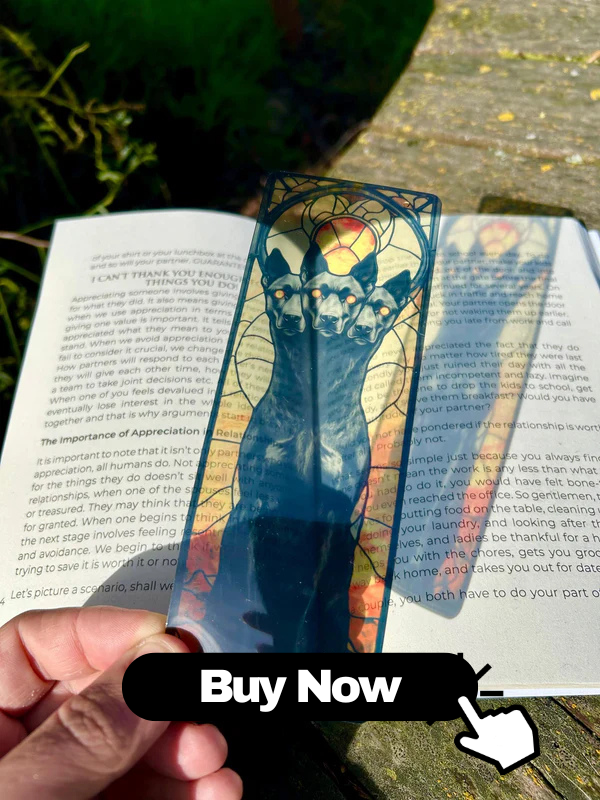
- Added bulk: A stiff bookmark can slightly push the pages apart, especially in smaller or tightly bound books.
- Less flexible: It may not conform well to the curve of the book spine or pages.
- Potential pressure marks: In delicate, thin-paper books, a thick bookmark might leave impressions if pressed tightly.
For fragile or collectible books, many collectors prefer thin, non-laminated bookmarks to minimize stress on the binding.
5. Comfort and Tactile Preferences
Some readers simply do not enjoy the feel of plastic.
- Slippery texture: Laminated surfaces can feel slick and may slide out more easily in some books.
- Temperature and feel: Plastic feels different from natural paper or fabric, which some users find less pleasant.
- Noise: The slight “crinkle” sound when handling laminated materials can be distracting for some readers.
6. Lamination Quality Issues
Poor-quality lamination can create issues that reduce both durability and appearance.
- Peeling edges: Over time, edges may start to peel or bubble, especially if the bookmark is frequently flexed.
- Air bubbles and wrinkles: Inadequate lamination can lead to imperfections that look unprofessional.
- Discoloration: Low-quality laminating film may yellow with age, affecting the design.
Laminated Bookmarks and Book Care
The type of bookmark you use can have subtle effects on the long-term condition of your books. Laminated bookmarks interact with pages differently than plain paper or fabric options.
Impact on Book Spines and Pages
- Thickness: Thicker bookmarks can add stress to the spine if left in one position for long periods.
- Page indentation: In very thin or delicate pages, the edges of a rigid bookmark could leave minor impressions.
- Secure placement: Because laminated bookmarks are smoother, they may slide more easily and require more careful placement within the book.
Best Practices for Using Laminated Bookmarks Safely
- Place them gently between pages without forcing the book open wider than it naturally rests.
- Avoid very thick laminated bookmarks in old, fragile, or very tight bindings.
- Do not store multiple laminated bookmarks in a single book for extended periods; this can increase bulk.
- Remove bookmarks before storing rare or collectible books long-term.
Lamination Types and Finishes
Not all laminated bookmarks are the same. The type of lamination and finish can significantly change the user experience.
Hot Lamination vs. Cold Lamination
-
Hot lamination:
- Uses heat to seal the plastic film around the bookmark.
- Common for home laminators and professional shops.
- Generally provides a stronger, more permanent seal.
-
Cold lamination:
- Uses adhesive film pressed around the bookmark without heat.
- Useful for heat-sensitive inks or materials.
- Can be more accessible for small DIY projects but may be slightly less durable.
Glossy vs. Matte Finish
-
Glossy lamination:
- Enhances color saturation and gives a shiny, reflective surface.
- Great for vibrant, photo-heavy bookmark designs.
- More prone to fingerprints and glare.
-
Matte lamination:
- Reduces glare and reflections, improving readability of text.
- Feels smoother and more “velvety” to the touch.
- Often preferred for minimalist or text-based bookmarks.
Thickness of Lamination Film
Lamination film is measured in microns or mils (thousandths of an inch). The thickness impacts both durability and flexibility.
-
Thinner film (e.g., 3 mil / 75 microns):
- More flexible, less bulky.
- Good for everyday reading bookmarks.
-
Thicker film (e.g., 5–10 mil / 125–250 microns):
- More rigid and protective.
- Best for heavy-use environments like classrooms or public libraries.
- May feel too stiff for some readers’ preferences.
Design Considerations for Laminated Bookmarks
To leverage the benefits and minimize the drawbacks, it helps to design laminated bookmarks with both aesthetics and functionality in mind.
Size and Shape
- Standard size (roughly 2" x 6" or 2" x 7") works well for most books.
- Oversized bookmarks may stick out too far and be more prone to damage.
-
Rounded corners are recommended for laminated bookmarks to:
- Prevent sharp corners that can damage pages.
- Reduce peeling at the edges of the lamination.
Content and Readability
- Use high-contrast colors for any text to ensure readability under lamination.
- Consider matte lamination if your bookmark contains a lot of small text or reading tips.
- Avoid extremely small fonts that may become harder to see under reflective surfaces.
Visual and Branding Elements
-
Include essential information for promotional bookmarks:
- Author name and book title
- Website or online store
- Social media handles or QR code
- Use high-resolution images to avoid pixelation, which lamination can emphasize.
- Test print a sample bookmark before mass production to evaluate colors and clarity under lamination.
Eco-Friendly Alternatives to Laminated Bookmarks
If you are concerned about the environmental impact but still want some durability, consider alternatives that balance longevity with sustainability.
Unlaminated Heavy Cardstock
- Recyclable when printed with appropriate inks.
- Sturdy enough for daily reading, though less resistant to spills.
- Can be coated with eco-friendly varnish or aqueous coatings for minor protection.
Recycled or FSC-Certified Paper
- Paper sourced from sustainably managed forests.
- Recycled-content paper reduces demand for new pulp.
- Ideal for eco-conscious bookmark printing without plastic lamination.
Fabric or Ribbon Bookmarks
- Soft and flexible, gentle on book pages.
- Can be made from organic cotton, linen, or other natural fibers.
- Offer a tactile, elegant alternative to plastic-coated designs.
Biodegradable or Compostable Coatings
- Some printers offer plant-based or biodegradable laminates or coatings.
- These can provide water and stain resistance with a lower environmental footprint.
- Availability may be limited and costs somewhat higher.
When to Choose Laminated vs. Non‑Laminated Bookmarks
Whether lamination is the right choice depends on how the bookmarks will be used and what you value most: durability, cost, aesthetics, or sustainability.
Situations Where Laminated Bookmarks Are a Strong Choice
-
Classrooms and schools:
- High-traffic environments where materials must endure frequent handling.
-
Libraries:
- Public bookmarks used by many people over time.
-
Promotional campaigns:
- Author or bookstore bookmarks intended to last for months or years.
-
Gifts and keepsakes:
- Bookmarks with sentimental value, photos, or special artwork.
Situations Where Non‑Laminated Bookmarks May Be Better
-
Eco-conscious brands and individuals:
- Those prioritizing zero-waste or low-plastic lifestyles.
-
Collectors and archivists:
- Those who need acid-free, archival-safe materials with minimal bulk.
-
Short-term events:
- Bookmarks used for a single event or limited-time promotion.
-
Minimalist or luxury designs:
- High-end paper or letterpress bookmarks where tactile quality matters.
Tips for Making and Caring for Laminated Bookmarks
If you decide that laminated bookmarks are right for you, a few best practices can help you get the most from them.
DIY Lamination Tips
-
Use quality paper:
- Choose heavier cardstock to prevent waviness inside the lamination.
-
Leave a small border:
- Ensure there is a clear plastic edge (1–3 mm) around your design so the lamination seals properly.
-
Round the corners:
- Use a corner punch to reduce sharp edges and peeling.
-
Avoid very high temperatures:
- Test your laminator settings so ink doesn’t bleed or paper doesn’t warp.
-
Trim carefully:
- Use a sharp paper cutter for straight, clean edges.
How to Care for Laminated Bookmarks
- Keep them flat: Store laminated bookmarks flat rather than bent or folded.
- Avoid extreme heat: High temperatures can warp the plastic or weaken the adhesive.
- Clean gently: Use a soft, slightly damp cloth to wipe dirt or fingerprints—avoid harsh chemicals.
- Inspect edges regularly: If lamination begins to peel, trim or retire the bookmark to avoid sharp plastic edges.
Frequently Asked Questions About Laminated Bookmarks
Are laminated bookmarks bad for books?
Laminated bookmarks are generally safe for books when used properly. The main concerns involve thickness and rigidity rather than lamination itself. To protect your books:
- Choose moderately thin laminated bookmarks.
- Avoid forcing the book wider than it naturally opens.
- Do not store multiple thick bookmarks in one book for long periods.
Can laminated bookmarks be recycled?
Most standard laminated bookmarks are not easily recyclable because they are a composite of paper and plastic. Some specialized facilities may accept them, but in most curbside programs, they end up in general waste. If recycling is a priority, consider unlaminated or eco-coated bookmarks instead.
How long do laminated bookmarks last?
With normal use, a well-made laminated bookmark can last for years. Factors affecting lifespan include:
- Quality and thickness of lamination film
- Frequency and type of use (home, school, library)
- Exposure to heat, sunlight, and moisture
Is it worth laminating homemade bookmarks?
It can be worth it if you:
- Want to preserve children’s artwork or sentimental designs.
- Plan to use the bookmarks frequently or share them widely.
- Don’t mind the added time and small cost of lamination.
If the bookmarks are for a single event or short-term use, lamination may be unnecessary.
Final Thoughts
Choosing between laminated and non-laminated bookmarks ultimately depends on your priorities. Laminated bookmarks offer impressive durability, protection from spills, and a professional appearance, making them an excellent choice for schools, libraries, promotions, and long-term personal use. However, they also increase production costs, add plastic to the waste stream, and may feel bulkier or less eco-friendly than simpler alternatives.
By carefully weighing the pros and cons of laminated bookmarks—including environmental impact, budget, aesthetics, and book care—you can select the bookmark style that best aligns with your values and reading habits. Whether you are a passionate reader, a teacher, a librarian, or a small business owner, understanding these trade-offs will help you make informed, thoughtful decisions about your next set of bookmarks.