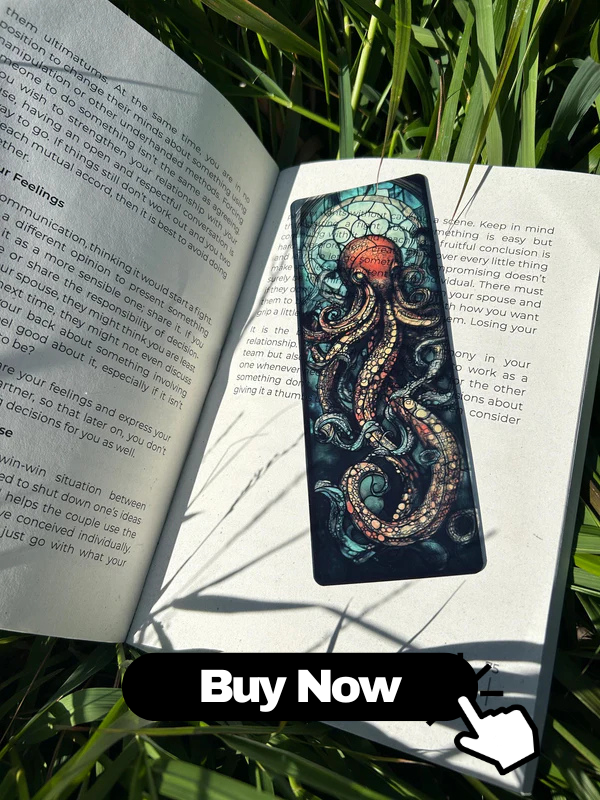
The reading lifestyle of book lovers is more than just a casual hobby—it is a deeply rooted way of life that influences how they think, feel, spend their time, and even connect with others. Understanding the habits, routines, and motivations of avid readers can help you build your own reading lifestyle, read more books consistently, and enjoy reading on a deeper level. In this comprehensive guide, we explore the daily routines of book lovers, how they choose and organize their books, the emotional and psychological benefits of reading, and practical tips on how to live a fulfilling reader’s life.
What Is a Reading Lifestyle?
A reading lifestyle is the way reading naturally fits into someone’s daily life. For book lovers, reading is not a forced task; it is a regular, meaningful activity that shapes:
- How they spend their free time
- How they relax and unwind
- How they learn, grow, and explore new ideas
- How they decorate and organize their living spaces
- How they connect with friends, communities, and online book clubs
Avid readers often identify themselves as book lovers, bibliophiles, or bookworms. Their lifestyle includes:
- Regular visits to bookstores, libraries, and book fairs
- Maintaining a personal library at home
- Tracking their reading progress using apps, journals, or spreadsheets
- Participating in reading challenges and book discussions
- Following book blogs, “bookstagram” accounts, and “BookTube” channels
In essence, the reading lifestyle of book lovers is a combination of daily reading habits, intentional book choices, and a love for stories and knowledge.
Daily Habits of Avid Book Lovers
Book lovers cultivate small, consistent habits that keep reading at the center of their lives. These habits make reading feel natural instead of like another obligation on a to-do list.
Typical Daily Reading Habits
- Reading first thing in the morning – Many readers start their day with a few pages instead of scrolling through social media.
- Carrying a book everywhere – Physical book, e-reader, or audiobook app, there is always a story close at hand.
- Using small pockets of time – Reading during commute, lunch break, waiting in lines, or in between tasks.
- Setting daily reading goals – For example, 10–30 pages a day or a set amount of reading time.
- Reading before bed – A calming nightly routine that replaces screens and helps relax the mind.
Micro-Habits That Support a Reading Lifestyle
- Keeping a book on the nightstand at all times
- Leaving books in different rooms to make reading more accessible
- Enabling “Do Not Disturb” mode while reading for deeper focus
- Highlighting passages and taking quick notes
- Logging finished books in a reading journal or app
These consistent, small actions create a strong reading identity and help transform occasional readers into lifelong book lovers.
How Book Lovers Choose What to Read
The reading lifestyle of book lovers is shaped by how they discover and select their next read. These choices are often intentional and driven by curiosity, mood, and personal goals.
Common Ways Book Lovers Discover New Books
- Book recommendations from friends, family, or colleagues
- Online book reviews on blogs, Goodreads, YouTube, or social media
- Browsing bookstores and library shelves to find hidden gems
- Book award lists (e.g., Pulitzer, Booker, National Book Awards)
- Bestseller lists from major retailers and book publications
- Book clubs and reading groups that assign monthly reads
Criteria Book Lovers Use When Selecting Books
- Genre preference – Fiction, fantasy, romance, mystery, sci-fi, non-fiction, self-help, history, biographies, etc.
- Author loyalty – Following favorite authors or reading their complete works.
- Mood and emotional needs – Choosing comfort reads, lighthearted stories, or intense, thought-provoking books.
- Personal development goals – Selecting books that improve skills, knowledge, productivity, or mindset.
- Diversity and representation – Reading books from different cultures, backgrounds, and voices.
- Length and difficulty – Balancing dense, challenging books with shorter, easier reads.
To-Be-Read (TBR) Lists and Wishlists
Most book lovers maintain some form of a To-Be-Read list (TBR), which might be:
- A notebook or reading journal
- A dedicated shelf or stack of books
- A digital list in apps like Goodreads or Notion
- Bookmarks and wishlists on online bookstores
Maintaining a TBR helps structure the reading lifestyle, ensures readers always know what to read next, and allows them to prioritize the books that matter most.
How Book Lovers Organize Their Personal Library
The reading lifestyle often includes curating a personal home library. Book lovers rarely treat books as disposable objects; instead, they see them as treasured companions and long-term investments.
Popular Ways to Organize Books at Home
- By genre – Fiction, non-fiction, fantasy, mystery, classics, etc.
- By author – Alphabetical order for easy reference.
- By color – Aesthetic “rainbow shelves” often seen on social media.
- By size or format – Hardcovers together, paperbacks together.
- By priority – Unread books in one section, favorites or frequently referenced books in another.
Book Care and Preservation
Book lovers tend to take extra care of their collections:
- Using bookmarks instead of folding pages
- Storing books away from direct sunlight and moisture
- Using dust jackets or protective covers
- Regularly dusting shelves and reorganizing
- Lending books carefully and keeping track of borrowed items
For many, organizing a personal library is a joyful extension of the reading lifestyle—a way to celebrate their love for books visually and physically.
Reading Routines and Rituals Explained
In the reading lifestyle, routines and rituals transform ordinary reading time into a comforting experience. They signal the mind and body that it is time to focus, relax, and enter a different world.
Common Reading Rituals
- Preparing a drink – Tea, coffee, hot chocolate, or water before sitting down to read.
- Choosing a specific reading spot – A dedicated reading chair, window seat, bed, or couch.
- Setting the mood – Soft lighting, candles, background music, or total silence.
- Having reading tools nearby – Bookmarks, pens, highlighters, sticky notes, and notebooks.
- Creating a time boundary – For example, deciding to read for 20, 30, or 60 minutes without interruptions.
Weekend and Vacation Reading Routines
Book lovers often intensify their reading lifestyle during weekends or holidays:
- Scheduling longer reading sessions
- Bringing multiple books on vacation (or loading an e-reader)
- Visiting local bookstores and libraries while traveling
- Combining reading with nature, like reading in parks or at the beach
These recurring rituals make reading both a pleasurable escape and a stable habit.
The Social Side of the Reading Lifestyle
Although reading is often a solitary activity, the reading lifestyle has a strong social dimension. Book lovers enjoy sharing their experiences, opinions, and recommendations with others.
Book Clubs and Reading Groups
Many readers join local or online book clubs to:
- Discuss books in depth
- Discover new genres and authors
- Stay accountable to their reading goals
- Build friendships around shared interests
Online Book Communities
The internet has created vibrant spaces for book lovers:
- Goodreads for tracking reading and sharing reviews
- Book blogs and review websites
- Bookstagram (book-focused Instagram accounts)
- BookTok (book content on TikTok)
- BookTube (YouTube channels dedicated to reading and book reviews)
- Reddit communities focused on genres, authors, and reading challenges
Conversations and Recommendations
The reading lifestyle often includes:
- Swapping books with friends and family
- Recommending books tailored to someone’s interests
- Hosting reading marathons or “buddy reads” with others
- Attending author events, signings, and literary festivals
This social side reinforces reading as a shared cultural experience, not just a solitary hobby.
Digital vs. Physical Reading: How Book Lovers Decide
Modern book lovers often navigate between print books, e-books, and audiobooks. Each format plays a role in their reading lifestyle.
Physical Books
- Pros: Tangible experience, collectability, easier note-taking, no screens.
- Common uses: Favorite authors, special editions, visually rich books, comfort reading.
E-Books
- Pros: Portable, adjustable font size, built-in dictionary, large library in one device.
- Common uses: Travel, commuting, reading in bed, limited shelf space.
Audiobooks
- Pros: Hands-free, great for multitasking, helpful for busy schedules.
- Common uses: Commutes, chores, exercise, relaxing with eyes closed.
Blended Reading Lifestyle
Many book lovers adopt a hybrid reading lifestyle:

- Listening to audiobooks during the day
- Reading e-books on the go
- Enjoying physical books at home
The choice of format usually depends on convenience, budget, and reading environment.
Emotional and Mental Benefits of a Reading Lifestyle
The reading lifestyle offers powerful mental health and emotional benefits. Many book lovers describe reading as both a refuge and a tool for self-growth.
Key Benefits of Regular Reading
- Stress reduction – Immersing in a story can lower tension and anxiety.
- Improved focus – Regular reading trains the brain to concentrate for longer periods.
- Empathy and emotional intelligence – Fiction exposes readers to different perspectives and inner worlds.
- Expanded vocabulary – Encountering new words naturally improves language skills.
- Cognitive stimulation – Reading supports memory, analytical thinking, and creativity.
- Sense of purpose and identity – Identifying as a reader becomes a positive part of one’s self-image.
Reading as Self-Care
Many book lovers use reading deliberately as a form of self-care:
- Creating quiet time away from screens and noise
- Choosing uplifting or comforting books during difficult times
- Journaling about insights from self-help or personal development books
- Using inspirational books to stay motivated and hopeful
This intentional use of books makes the reading lifestyle a powerful ally for mental well-being.
Time Management Tips for Busy Book Lovers
One of the biggest questions people ask about the reading lifestyle is: “How do book lovers find time to read so much?” The answer lies in smart time management and intentional planning.
Strategies to Read More Books
- Set a realistic daily reading goal – Even 10–20 minutes a day adds up over time.
- Schedule reading time – Treat reading like an appointment in your calendar.
- Use small pockets of time – Read while waiting, commuting (audiobooks), or during short breaks.
- Reduce screen time – Swap some social media or TV time for reading.
- Always have a book with you – Physical book, e-reader, or audiobook app.
Balancing Reading with Other Responsibilities
- Setting weekly reading targets instead of rigid daily quotas
- Using audiobooks during chores or workouts
- Communicating with family about having some quiet reading time
- Prioritizing quality reading over mindless scrolling
The key is to make reading a non-negotiable part of the daily routine without creating unnecessary pressure.
Creating the Perfect Reading Space at Home
A well-designed reading space makes it easier to maintain a consistent reading lifestyle. It signals comfort, focus, and relaxation.
Elements of a Cozy Reading Nook
- Comfortable seating – Armchair, chaise lounge, floor cushions, or a well-supported bed.
- Good lighting – Natural light during the day, warm lamps or reading lights at night.
- Accessible books – A nearby shelf or stack of current reads.
- Minimal distractions – Reducing noise, clutter, and unnecessary electronics.
- Personal touches – Blankets, cushions, plants, candles, or artwork inspired by books.
Practical Tips to Improve Your Reading Environment
- Position lights behind or above you to avoid glare on pages or screens.
- Keep a small table or tray for drinks, notebooks, and bookmarks.
- Use bookends or small shelves to keep your current reading stack organized.
- Create rules for your reading corner, such as “no phone scrolling.”
A carefully arranged reading space supports a consistent, enjoyable reading lifestyle and encourages you to spend more time with your books.
How to Develop and Maintain a Consistent Reading Habit
Even if you are not yet an avid book lover, you can gradually build a strong reading lifestyle by focusing on sustainable habits.
Steps to Build a Reading Habit
- Start small – Commit to just 5–10 minutes of reading a day.
- Choose enjoyable books – Prioritize entertaining or highly engaging reads at the beginning.
- Attach reading to an existing habit – For example, read after breakfast or before bed.
- Track your progress – Use apps, calendars, or journals to mark each day you read.
- Celebrate small wins – Finishing a chapter or a book is worth acknowledging.
Maintaining Motivation Over Time
- Join reading challenges (monthly, yearly, or genre-based).
- Alternate between light and heavy reads to avoid burnout.
- Allow yourself to DNF (Did Not Finish) books that you are not enjoying.
- Revisit favorite books when you feel stuck or unmotivated.
A strong reading lifestyle grows from consistency, enjoyment, and flexibility, not from strict rules or pressure.
Common Challenges Book Lovers Face (and How They Overcome Them)
Even experienced book lovers face obstacles that interrupt their reading lifestyle. Recognizing these challenges helps you overcome them effectively.
Reading Slumps
A reading slump is a period when you struggle to read or feel no motivation to pick up a book.
- Possible causes: Burnout, stress, overwhelming life events, choosing the wrong book.
-
Solutions:
- Switch to a short, fast-paced, or favorite book.
- Try a different format, like audiobooks.
- Re-read a beloved classic or comfort read.
- Take the pressure off and read just a few pages a day.
Overwhelming TBR Piles
A huge To-Be-Read pile can feel intimidating.
-
Solutions:
- Prioritize 3–5 books at a time instead of focusing on everything.
- Declutter books you are no longer excited about.
- Avoid impulsive book buying for a short period.
- Use a TBR jar or random selection method to make choosing fun.
Lack of Time
Busy schedules are a common barrier to the reading lifestyle, but they can be managed with strategy.
- Use audiobooks during commutes or chores.
- Integrate reading into transitional moments in your day.
- Limit low-value screen time in favor of reading.
The Reading Lifestyle for Different Ages and Stages
The reading lifestyle evolves throughout life, but it can be nurtured at any age.
Children and Young Readers
- Reading aloud with parents or caregivers
- Colorful picture books and early chapter books
- School reading programs and library visits
- Creating a small, accessible shelf of children’s books at home
Teens and Young Adults
- Exploring genres like fantasy, YA fiction, dystopian, romance, and graphic novels
- Participating in school book clubs or online reading communities
- Using reading to understand identity, relationships, and future goals
Adults
- Balancing fiction and non-fiction for both pleasure and growth
- Focusing on professional development books alongside personal interest reads
- Using reading as a daily escape from work stress and responsibilities
Older Adults
- Focusing on comfort reads and meaningful literature
- Using larger print books or e-readers with adjustable fonts
- Joining local library groups or senior reading circles
At every stage of life, the reading lifestyle provides connection, learning, and joy.
Building a Sustainable and Budget-Friendly Reading Lifestyle
Avid reading does not have to be expensive. Book lovers often mix paid and free resources to sustain their reading lifestyle.
Affordable Ways to Access Books
- Public libraries – Borrow physical books, e-books, and audiobooks for free.
- Library apps – Apps like Libby or OverDrive to access digital collections.
- Used bookstores – Buy secondhand books at lower prices.
- Book swaps – Trade books with friends, family, or community groups.
- Free e-books – Public domain classics and promotions from publishers.
Curating Your Collection Intentionally
- Buying only books you truly want to own and reread
- Letting go of books that no longer fit your interests
- Donating or selling unused books to create space and help others read
- Keeping a wish list to avoid impulse buys
A sustainable reading lifestyle focuses on meaningful, thoughtful book choices rather than constant accumulation.
Final Thoughts on the Reading Lifestyle of Book Lovers
The reading lifestyle of book lovers is built on small, intentional habits, a deep appreciation for stories and knowledge, and a desire to keep learning throughout life. It goes far beyond simply “liking books”—it shapes daily routines, personal identity, social connections, and even interior spaces.
By observing how avid readers choose their books, organize their libraries, protect their reading time, and integrate reading into every part of life, you can begin to design your own book-centered lifestyle. Whether you read a few books a year or dozens, embracing the principles of the reading lifestyle—consistency, curiosity, and enjoyment—can help you become a more engaged, thoughtful, and fulfilled reader.
Ultimately, the reading lifestyle is about one central belief: books matter. They enrich our minds, comfort our hearts, and connect us to a wider world of ideas, people, and possibilities.