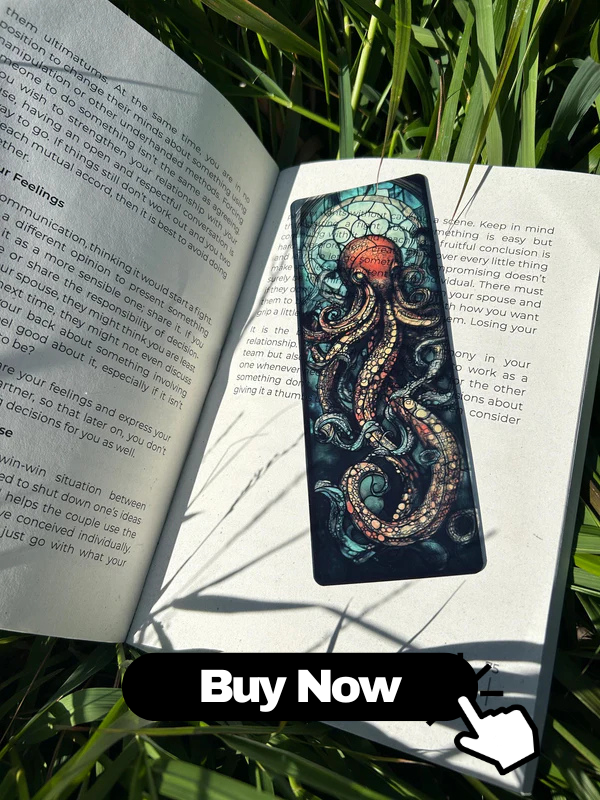
Thin bookmarks might seem like simple reading accessories, but there is a surprising amount of science, design thinking, and material engineering behind them. From how they protect your books from damage to the way they interact with paper fibers, binding glue, and page edges, thin bookmarks play a crucial role in book preservation. This article explores the science behind thin bookmarks and book protection, explaining why the right bookmark thickness, material, and design can significantly extend the life of your books.
Why Thin Bookmarks Matter for Book Protection
In the world of book protection and book care, thin bookmarks are one of the simplest yet most effective tools. While thick or bulky items can warp spines, stretch bindings, and crease pages, well-designed thin bookmarks minimize stress on the physical structure of a book.
- Reduced Spine Stress: Thinner bookmarks create less separation between pages, reducing the angle at which the book must stay open.
- Less Pressure on Binding: When a bookmark is too thick, it pushes against the binding, causing glue and stitching to weaken over time.
- Minimal Page Distortion: Thin, flat bookmarks sit between pages without imprinting heavy dents, waves, or compression marks.
- Better for Long-Term Storage: Books stored with thick items left inside often develop permanent warping; thin bookmarks reduce this risk.
From an SEO perspective, readers searching for book protection tips, best bookmarks for books, or how to prevent book damage are often unaware how much the thickness and material of a bookmark influence the lifespan of their collection.
How Bookmarks Interact with Books: The Science
To understand why thin bookmarks are better, it helps to look at how books are constructed and how different bookmark types affect them. This interaction involves paper physics, binding mechanics, and material science.
1. Paper Fibers and Compression
- Book pages are made of intertwined cellulose fibers that compress and bend under pressure.
- When a thick object is left between pages, it forces those fibers to bend sharply, leading to:
- Permanent creases
- Page warping or “waving”
- Edge indentation at the contact point with the bookmark
- Thin bookmarks reduce this compression, spreading pressure more evenly across the page.
2. Spine and Binding Mechanics
- The spine is designed to flex along a curve when the book is opened.
- Inserting a thick bookmark:
- Increases the opening angle where the bookmark sits.
- Places excess stress on:
- Glue in perfect-bound paperbacks
- Thread stitching in sewn bindings
- Hinges in case-bound hardcovers
- Thin bookmarks allow the book to close more naturally, preserving spine alignment and structural integrity.
3. Friction and Surface Interaction
- Friction between bookmark surfaces and paper affects:
- How easily the bookmark can be removed
- Whether ink or toner is disturbed on the page
- Potential for tearing when the bookmark is pulled
- Materials with a smooth, non-abrasive surface are safest, particularly for:
- Old, brittle books
- High-quality art books
- Glossy or coated paper
Materials Used for Thin Bookmarks
The material your bookmark is made from significantly influences its effect on book protection. Thin bookmarks are available in a range of materials, each with advantages and considerations.
1. Paper and Cardstock Bookmarks
-
Pros:
- Very thin and lightweight
- Easily customized, printable, and widely available
- Generally safe for most books if not too thick or textured
-
Cons:
- Can absorb moisture and transfer it to pages
- Cheap inks may transfer or stick to pages in humid conditions
- Thicker cardstock can still cause pressure and minor warping
- Best use: Everyday reading, modern paperbacks and hardcovers, non-archival collections.
2. Plastic and Polyester Bookmarks
-
Pros:
- Very durable and resistant to tearing
- Often ultra-thin and smooth
- Resistant to moisture and staining
-
Cons:
- Cheap plastics may off-gas over time
- Sharp edges can scratch or indent pages
- Static build-up can attract dust
- Best use: Long-term daily use, textbooks, reference books, work or study materials.
3. Metal Bookmarks (Thin Metal Strips)
-
Pros:
- Extremely thin (especially stainless steel or brass strips)
- Highly durable and long-lasting
- Resistant to bending and tearing
-
Cons:
- Can be heavy relative to paper
- Improperly finished edges may cut or mark pages
- Conducts temperature; may feel cold or hot to the touch
- Best use: Readers who want an ultra-thin profile with long durability and minimal bulk.
4. Fabric and Ribbon Bookmarks
-
Pros:
- Very flexible and soft
- Built-in for many hardcovers as a sewn-in marker
- Ribbon style causes almost no page indentation
-
Cons:
- Fraying edges can create lint or fibers in the book
- Can absorb moisture, oils, and dirt
- Some dyes may transfer color over time
- Best use: Journals, Bibles, planners, and high-use books where flexibility is essential.
Ideal Thickness and Dimensions of Protective Bookmarks
While there is no single “perfect” thickness, thin bookmarks for optimal book protection generally fall within a practical range.
Recommended Thickness
- Ultra-thin plastic or metal bookmarks: Around 0.1–0.3 mm
- Standard paper bookmarks: Around 0.3–0.5 mm
- Heavier cardstock bookmarks: 0.5–0.8 mm (better for robust modern books only)
For fragile, older, or collectible books, err on the thinnest and smoothest possible bookmark. For modern, well-bound hardcovers and paperbacks, moderately thin cardstock is usually safe.
Dimensions and Shape
- Length: Slightly shorter than the height of the book, or equal to it, to avoid bending at the top.
- Width: Narrow enough to avoid spanning the full width of a page; this reduces friction and page strain.
- Edges: Rounded corners are safer than sharp or pointed edges for page protection.
Bookmark Design Features That Improve Book Preservation
Beyond thickness, the design features of a bookmark significantly influence how protective it is. Thoughtful design helps prevent tears, dents, and accidental damage.
1. Smooth Edges and Corners
- Rounded corners prevent punctures and corner dings in pages.
- Beveled or polished edges on metal and plastic bookmarks reduce scratching or indenting.
- Avoid bookmarks with:
- Jagged cutouts
- Raised, hard decorative pieces
- Rough embossing that presses into pages
2. Flexible vs. Rigid Construction
- Flexible thin bookmarks conform to the curve of the book, easing stress on the spine and pages.
- Rigid bookmarks can act as a lever inside the book, amplifying pressure at specific points.
- For book preservation, a balance of thinness and gentle flexibility is ideal.
3. Non-Marking Surface Finishes
- Bookmarks should use non-reactive, non-bleeding finishes so they do not:
- Stick to ink on the page
- Transfer color or coating
- Leave oily or glossy marks
- Matte coatings are often safer than heavy varnishes or metallic inks.
Common Book Damage Caused by Poor Bookmark Choices
The wrong bookmark, or using random objects as placeholders, can silently damage your books over time. Understanding this helps you avoid common mistakes.
-
Spine Cracking and Leaning
- Thick or multiple bookmarks can cause the spine to bow.
- Over time, the book may not close flat and will sit permanently warped on the shelf.
-
Page Creases and “Dog-Earing” Effects
- Bulky items force pages to fold unnaturally.
- This creates creases similar to deliberate dog-earing, weakening paper fibers.
-
Indentation Lines and Ghost Imprints
- Rigid or embossed bookmarks can leave visible impressions.
- These marks can show up several pages deep, especially in soft paperbacks.
-
Tears at the Page Edge
- Bookmarks with sharp corners or clips may catch pages on insertion or removal.
- Over time, small nicks expand into tears.
-
Staining and Discoloration
- Bookmarks made from acidic paper can contribute to yellowing.
- Objects like leaves, receipts, or newsprint may leave brown stains due to acid migration.
Best Practices for Using Thin Bookmarks Safely
Using even the best thin bookmark incorrectly can still compromise book protection. Adopt these bookmark usage best practices to safeguard your collection.
- Insert Bookmarks Straight Down: Slide them gently vertically between pages instead of shoving them diagonally.
- Avoid Forcing the Book Open: Do not wedge a bookmark into a tightly closed book; let the pages part naturally.
- Use Only One Bookmark per Section: Stacking several bookmarks creates unnecessary bulk.
- Do Not Leave Bulky Accessories Attached: Tassels are fine if they hang outside the book; avoid thick attached charms that sit inside.
- Remove Bookmarks for Long-Term Storage: For archival or long-term shelving, remove all loose items to prevent imprinting over years.
Thin Bookmarks vs. Common Placeholder Alternatives
Many readers use whatever is nearby—receipts, tickets, pencils, or even other books—as placeholders. Compared to purpose-made thin bookmarks, these alternatives carry additional risks.
Receipts, Tickets, and Random Paper Slips
- Often printed on thermal or low-quality acidic paper.
- Can fade and transfer chemicals onto book pages.
- May crumple and create uneven pressure.
Post-it Notes and Adhesive Tabs
- Convenient but:
- Adhesives may become permanent over time.
- Can pull fibers or ink when removed.
- May lose stickiness and slide deep into the binding.
Bulky Objects (Pens, Keys, Phones)
- Cause heavy deformation of the spine and pages.
- Risk tearing if the book is picked up or moved with the object inside.
- Can permanently warp hardcover boards and paperback covers.
Dog-Eared Pages
- Folding page corners directly damages the paper fibers.
- Repeated folding and unfolding eventually leads to:
- Broken corners
- Missing pieces
- Weakened page edges
Purpose-designed, thin, non-damaging bookmarks are the safest and most reliable way to mark your place without sacrificing book preservation.
Using Thin Bookmarks for Collectible and Rare Books
For collectors, archivists, and bibliophiles, book protection is more than convenience; it’s a matter of preserving value and history. Thin bookmarks are essential tools for handling rare and antique volumes.

-
Use Archival-Quality Materials:
- Acid-free, lignin-free paper bookmarks
- Inert polyester (e.g., Mylar) or polyethylene bookmarks
-
Avoid Metal and Colored Plastics:
- Some metals may tarnish or react in high humidity.
- Colored plastics can off-gas or leach dyes over decades.
-
Never Store Long-Term with Bookmarks Inside:
- For rare books, remove all bookmarks before archival storage.
- Use bookmarks only while actively consulting the book.
-
Handle Pages Gently Around the Bookmark:
- Older paper can be brittle; turn pages fully before inserting or removing the bookmark.
Eco-Friendly and Archival-Safe Thin Bookmark Options
Many readers care about both sustainable reading accessories and long-term book preservation. Fortunately, several thin bookmark options combine eco-friendliness with safe materials.
-
Recycled Paper Bookmarks:
- Made from post-consumer waste, reducing environmental impact.
- Choose acid-free options to protect books.
-
Bamboo or Plant-Based Fiber Bookmarks:
- Natural materials, often biodegradable.
- Should be manufactured smooth and thin to avoid roughness.
-
Archival Polyester Bookmarks:
- Inert, stable, and non-reactive over time.
- Commonly used in libraries and archives for safe page marking.
When selecting eco-friendly bookmarks, prioritize materials that are both sustainable and non-damaging to your books’ paper and binding.
How to Choose the Right Thin Bookmark
Choosing the best thin bookmark involves balancing thickness, material, durability, and book type. Use the checklist below to guide your selection.
Bookmark Selection Checklist
-
Match the Bookmark to the Book Type
- For paperback novels: thin paper or plastic bookmarks.
- For hardcovers and textbooks: slightly sturdier but still thin bookmarks.
- For rare/collectible books: archival-quality, ultra-thin, non-reactive materials.
-
Inspect Edges and Surface
- Check for sharp corners, rough cuts, or raised decorations.
- Prefer smooth, rounded, and gently finished edges.
-
Consider Flexibility
- Light flex helps the bookmark conform to the book’s natural curvature.
-
Evaluate Ink and Coating Quality
- Avoid bookmarks with heavy, sticky varnishes or glitter that can rub off.
- Look for light, matte, or sealed printing.
-
Think About Your Reading Habits
- Frequent travel or commuting: durable, flexible plastic or metal.
- Home library reading: high-quality paper or archival bookmarks.
FAQ: Thin Bookmarks and Book Protection
Are all thin bookmarks safe for books?
Not necessarily. While thinness helps, unsafe materials, sharp edges, or reactive inks can still damage books. Always look for bookmarks that are both thin and designed for book safety.
Can a bookmark be too thin?
If a bookmark is extremely thin and flimsy, it can wrinkle or fold inside the book, creating uneven pressure. The ideal thin bookmark is:
- Thin enough to avoid spine strain
- Sturdy enough to stay flat and smooth
Do magnetic bookmarks harm books?
Magnetic bookmarks are typically small and thin, but:
- The magnets add slight thickness and pressure.
- They may pinch pages if too strong or misaligned.
Used carefully, they are generally safe for modern books, but for rare or fragile volumes, non-magnetic thin bookmarks are safer.
Is it safe to leave bookmarks in books for years?
For personal reading copies, leaving a thin, non-reactive bookmark in place is usually fine. For long-term archival storage, most conservators recommend:
- Removing all loose bookmarks and inserts
- Storing the book closed and evenly supported
What is the best bookmark for book collectors?
For collectors, the best options are:
- Acid-free, lignin-free, archival paper bookmarks
- Inert polyester (Mylar) strips with rounded corners
Both offer thin, stable, and non-damaging page marking.
Conclusion: Small Bookmark, Big Impact
The science behind thin bookmarks and book protection shows that small design choices have big consequences for the health and longevity of your books. By choosing thin, smooth, and appropriately flexible bookmarks, you:
- Reduce stress on spines and bindings
- Prevent creases, tears, and page warping
- Preserve the aesthetic and monetary value of your collection
- Support sustainable, long-term reading habits
Whether you are a casual reader, a serious book collector, or a library professional, understanding the science of thin bookmarks helps you make informed decisions that protect your books for years to come. A well-chosen, well-used thin bookmark is one of the simplest, most effective tools in book conservation and everyday book care.