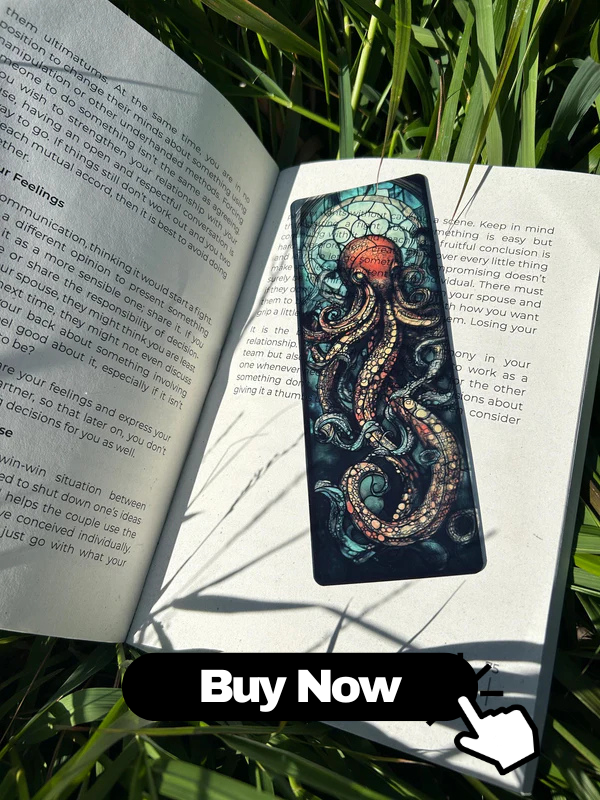
Unique bookmarks are more than just placeholders in your favorite novels or study materials—they are tools that protect your books, preserve pages, and add personality to your reading experience. When chosen wisely, unique bookmarks that are safe for long-term use can prevent damage such as torn pages, warped spines, and ink transfer, all while reflecting your style. In this in-depth guide, we will explore different types of long-lasting bookmarks, materials that are safe for books, how to choose the ideal bookmark for your reading habits, and how to care for bookmarks so they remain attractive and functional for years.
Why Long-Term Safe Bookmarks Matter
Many readers underestimate the impact that bookmarks can have on the physical condition of their books. Using long-term safe bookmarks helps maintain the value, appearance, and readability of your collection. This is especially important if you:
- Collect first editions, signed copies, or rare books
- Use textbooks and reference books that need to last for years
- Regularly lend and share books with others
- Care about preserving books for personal or family libraries
Improper bookmarks—such as bulky objects, metal clips, or sticky notes—can cause:
- Indentations and creases on pages
- Ink or adhesive transfer over time
- Warped covers and spines if the item is too thick
- Acid damage from low-quality paper or cardboard
Choosing unique bookmarks that are safe for long-term use lets you enjoy creative designs without sacrificing the health of your books.
Key Characteristics of Long-Lasting, Safe Bookmarks
Before looking at specific bookmark types, it helps to understand what makes a bookmark truly “safe” and durable. The best long-term bookmarks share a few common traits.
1. Non-Damaging to Paper
- Acid-free materials: Acidic paper or cardboard can yellow pages over time.
- Non-abrasive surfaces: Rough metals or hard plastic edges may scratch the paper.
- No sharp corners: Sharp or pointed shapes are more likely to tear delicate pages.
2. Thin Yet Sturdy Profile
- Thin enough not to stress the binding when the book is closed.
- Sturdy enough to resist bending, tearing, or warping with repeated use.
- Avoids creating “page bulges” when multiple bookmarks are used in one book.
3. Colorfast and Non-Transferable
- Uses quality inks or dyes that will not bleed onto pages.
- Finishes are dry and stable, not tacky or oily.
- No glitter or loose decorative elements that could rub off.
4. Heat and Moisture Resistant
- Resists curling in humid environments.
- Does not stick to pages in warm or slightly damp conditions.
- Maintains shape after years of regular handling.
5. Ergonomic and Practical Design
- Easy to insert and remove without bending pages.
- Stays in place even if the book is moved or carried.
- Comfortable to handle and reposition frequently.
Best Materials for Unique, Long-Term Bookmarks
Material choice is crucial for creating unique bookmarks that last and remain safe for your books. Below are some of the best bookmark materials for long-term use.
1. Acid-Free Cardstock Bookmarks
Acid-free cardstock is one of the most common and reliable materials for long-lasting bookmarks.
-
Benefits:
- Lightweight and thin
- Customizable with designs, quotes, or artwork
- Less likely to damage pages if properly finished
-
What to look for:
- Clearly labeled acid-free or archival-quality paper
- Matte or satin finish instead of sticky gloss
- Rounded corners to avoid page tearing
2. Laminated Paper Bookmarks
Laminated bookmarks combine the comfort of paper with extra protection from wear and tear.
-
Advantages:
- Resistant to spills and moisture
- Very durable over long-term use
- Ideal for children’s books and frequently used texts
-
Safety tips:
- Use thin lamination film to avoid bulkiness.
- Ensure edges are smooth and sealed to prevent snagging pages.
- Avoid overly stiff laminates that might stress the binding.
3. Fabric and Ribbon Bookmarks
Fabric bookmarks, especially those made from soft materials, are gentle on pages and highly customizable.
-
Popular fabrics:
- Cotton and linen
- Soft polyester ribbon
- Silk or satin (if not too slippery)
-
Benefits:
- Flexible and gentle on paper
- Available in many colors, patterns, and textures
- Can be sewn or embroidered for unique designs
-
What to avoid:
- Thick or heavily beaded fabrics that add bulk
- Dark dyes that may transfer when damp
- Rough or scratchy fabric edges
4. Leather and Faux Leather Bookmarks
Leather bookmarks are timeless, elegant, and durable when crafted well.
-
Why they’re good for long-term use:
- Extremely durable and flexible
- Can develop a pleasing patina over time
- Often thin yet sturdy enough for regular use
-
Best practices:
- Choose thin, soft leather or quality faux leather.
- Avoid bookmarks with metal studs or sharp embellishments.
- Ensure the leather dye is stable and does not rub off.
5. Magnetic Bookmarks
Magnetic bookmarks clip around a page using small magnets, keeping them firmly in place.
-
Advantages:
- Stay secure even in bags or backpacks
- Allow precise marking of a specific line or paragraph
- Compact and lightweight when well-designed
-
Safety considerations:
- Choose thin, low-profile magnets to reduce pressure on pages.
- Avoid large, heavy magnetic clips that can crease paper.
- Ensure edges are rounded and covered with paper or plastic.
6. Wood Veneer Bookmarks
Thin wood veneer bookmarks provide a natural, organic look while remaining gentle on pages.
-
Benefits:
- Very thin and lightweight if made from quality veneer
- Visually striking grain patterns
- Often finished with smooth, sealed surfaces
-
What to check:
- Ensure the wood edges are finely sanded and sealed.
- Avoid thick or unfinished wood that may splinter.
- Look for non-toxic finishes that won’t transfer to pages.
Unique Bookmark Ideas That Are Safe for Books
You do not have to sacrifice creativity to keep your books safe. Here are unique bookmark designs that are gentle, durable, and visually interesting.
1. Illustrated Art Bookmarks
- Feature original artwork, quotes, or literary illustrations.
- Printed on archival cardstock with matte or satin finish.
- Perfect for collectors and book lovers who enjoy bookish aesthetics.
2. Minimalist Metal Bookmarks (with Safe Design)
- Use thin, smooth stainless steel or brass with rounded edges.
- Laser-cut designs that remain flat, without sharp interior points.
- Work best in hardcovers or sturdy textbooks where pages are less delicate.
3. Woven Fabric or Embroidered Bookmarks
- Soft woven bands with embroidered patterns or text.
- Lightweight and flexible, ideal for long-term use.
- Can be custom-made with names, favorite book quotes, or symbols.
4. Corner Slip Bookmarks
Corner bookmarks slide onto the corner of a page and stay in place.
- Made from soft fabric or thin laminated paper.
- Do not extend far beyond the book edge, preventing accidental damage.
- Particularly useful for marking spots in cookbooks or reference guides.
5. Elastic Band Bookmarks
- Thin elastic bands that wrap around the book vertically or horizontally.
- Often combined with a small fabric or leather tab to mark the page.
- Holds the book closed and can protect pages in bags or backpacks.
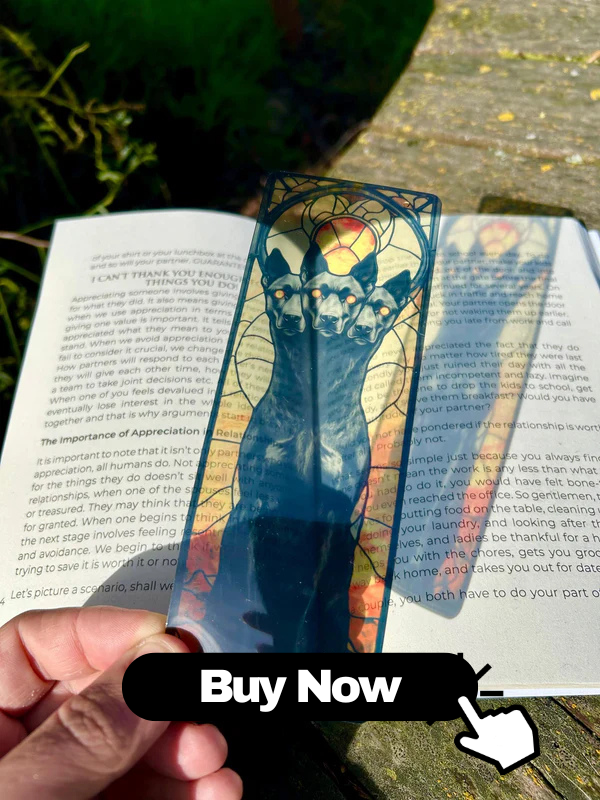
6. Transparent Plastic or PET Film Bookmarks
- Made from thin, flexible, archival-quality plastic.
- Transparent design lets you see text while marking a specific location.
- Ideal for studying, editing, or annotation work.
7. Personalized Name or Monogram Bookmarks
- Custom bookmarks with names, initials, or monograms.
- Printed on high-quality, acid-free materials.
- Make excellent gifts for avid readers and students.
Bookmarks to Avoid for Long-Term Use
Not every creative object makes a good bookmark. Some common “quick fixes” can damage books over time.
1. Paper Clips and Binder Clips
- Metal edges can tear or crease paper.
- May leave indentations or rust marks over time.
- Bulky clips stress the spine when the book is closed.
2. Sticky Notes and Adhesive Tabs
- Adhesive can transfer residue to pages.
- Long-term use may cause yellowing or tearing when removed.
- Better suited for temporary notation rather than permanent marking.
3. Objects Like Pens, Keys, or Phones
- Too thick and heavy, causing spine and binding damage.
- Can leave deep creases in pages.
- Risk of dropping or misplacing items inside the book.
4. Low-Quality or Glossy Cardboard
- Non-archival cardboard may be acidic.
- Glossy surfaces can become tacky and stick to pages.
- Edges often fray or become rough with use.
5. Heavy Beaded or Charm Bookmarks
- Bulky beads rest between pages, causing indentations.
- Metal charms can scrape or tear paper.
- If used, they should hang outside the book, not within its pages.
How to Choose the Right Bookmark for Your Needs
Different reading situations call for different bookmark designs. Consider the following when choosing a long-term safe bookmark.
1. Type of Book
- Paperbacks: Use thin, flexible bookmarks like fabric, cardstock, or thin plastic.
- Hardcovers: Can handle slightly sturdier materials such as metal or wood veneer.
- Textbooks and manuals: Magnetic, elastic, or multiple slim bookmarks are useful.
2. Reading Style
- Casual readers: Simple, single-page bookmarks are usually enough.
-
Students and researchers:
- Multiple bookmarks for different sections
- Color-coded or numbered designs
- Transparent or magnetic bookmarks for marking precise lines
- Travel readers: Firm yet flat bookmarks that won’t fall out in bags.
3. Aesthetic Preference
- Classic styles: Leather, linen, or simple cardstock with minimal designs.
- Artistic styles: Illustrated, hand-painted, or uniquely shaped bookmarks.
- Modern styles: Metal, magnetic, or transparent geometric designs.
4. Durability and Maintenance
- Ask whether the bookmark will survive everyday use.
- Prefer materials that are easy to clean and won’t fray quickly.
- Look for products labeled archival, acid-free, or book-safe when possible.
Caring for Your Bookmarks for Long-Term Durability
Even high-quality bookmarks benefit from proper care. Maintaining your bookmarks ensures that they remain safe for your books as well.
1. Storage Tips
- Store bookmarks flat in a small box, organizer, or drawer.
- Avoid leaving them in direct sunlight to prevent fading.
- Keep them away from moisture and extreme temperatures.
2. Cleaning and Maintenance
- Paper or cardstock: Gently wipe with a dry cloth; avoid liquids.
- Laminated and plastic: Use a slightly damp cloth, then dry thoroughly.
- Leather: Use appropriate leather conditioner sparingly.
- Fabric: Spot clean with mild soap and air dry completely.
3. Avoiding Common Damage
- Do not use bookmarks as makeshift levers to open books.
- Avoid folding bookmarks around multiple pages.
- Replace bookmarks that become bent, sharp, or damaged.
DIY Safe Bookmark Projects
Creating your own DIY bookmarks allows you to ensure they are both unique and safe for long-term use. Here are a few ideas.
1. DIY Acid-Free Paper Bookmark
- Choose acid-free cardstock in your favorite color.
- Cut to a standard size (for example, 5 cm x 15 cm).
- Round corners with scissors or a corner punch.
- Decorate with:
- Archival ink pens
- Stamps using fade-resistant, non-bleeding ink
- Light watercolor (let it dry completely)
- Optional: Add a small hole and thread a thin ribbon, keeping embellishments outside the book.
2. Fabric Ribbon Bookmark
- Select a soft, flat ribbon (e.g., 1–2 cm wide satin or cotton).
- Cut slightly longer than the book’s height.
- Seal ribbon ends with:
- A quick pass near a flame (for synthetic ribbon, with caution), or
- A small amount of fray check or clear nail polish.
- Optional: Sew a small decorative charm or button to one end that remains outside the pages.
3. Laminated Photo Bookmark
- Print a favorite photo or artwork on high-quality paper.
- Trim to bookmark size and round the corners.
- Laminated using a thin, smooth lamination pouch.
- Trim any excess plastic and ensure edges are sealed and smooth.
Eco-Friendly and Sustainable Bookmarks
Many readers are interested in eco-friendly bookmarks that are both long-lasting and sustainable. You can support the environment while protecting your books.
1. Recycled Paper Bookmarks
- Made from recycled, acid-free paper.
- Often printed with eco-friendly, water-based inks.
- Ideal for environmentally conscious readers.
2. Bamboo and Sustainable Wood Bookmarks
- Use sustainably harvested bamboo or certified wood veneers.
- Provide a natural look with minimal environmental impact.
- Should be sanded and sealed for smoothness and durability.
3. Upcycled Fabric Bookmarks
- Created from fabric scraps, old clothing, or linens.
- Reduce waste and encourage creative reuse.
- Can be sewn into simple strips or more elaborate designs.
Frequently Asked Questions About Safe Bookmarks
Are magnetic bookmarks safe for long-term use?
Yes, magnetic bookmarks are generally safe if they are thin, have smooth covers, and do not clamp too tightly. Avoid large or heavy magnets that press hard against the paper.
Can laminated bookmarks damage books?
Properly made laminated bookmarks with thin film and smooth edges are safe. Problems arise if the lamination is too thick, edges are sharp, or the surface becomes sticky due to heat or poor-quality plastic.
Is using receipts or random paper as a bookmark okay?
While occasional use is not catastrophic, many receipts and random papers are not acid-free and may yellow over time. For valuable or collectible books, use dedicated, archival-quality bookmarks instead.
Do metal bookmarks scratch pages?
Some metal bookmarks can scratch or indent pages, especially if they have sharp cutouts or are too thick. If you choose metal, opt for smooth, thin designs with rounded edges and use them mainly in sturdy hardcovers.
How many bookmarks can I safely use in one book?
It depends on the thickness of both the book and the bookmarks. As a guideline:
- Use slim bookmarks if you need multiple markers.
- Avoid overstuffing with many thick or bulky bookmarks.
- Check that the book closes without visible strain on the spine.
Final Thoughts on Unique, Safe Bookmarks
Selecting unique bookmarks that are safe for long-term use is an important part of preserving your library. By focusing on non-damaging materials, thin yet durable designs, and archival-quality construction, you can enjoy beautiful, creative bookmarks without risking your books. Whether you prefer handcrafted fabric pieces, elegant leather strips, artistic prints on acid-free cardstock, or eco-friendly bamboo veneers, the right bookmark will enhance your reading while keeping pages pristine for years. When in doubt, choose bookmarks that are:
- Acid-free and archival-quality
- Thin, smooth, and non-abrasive
- Secure but not bulky
- Colorfast and non-sticky
With thoughtful choices and proper care, your bookmarks can be as enduring and beloved as the books they protect.