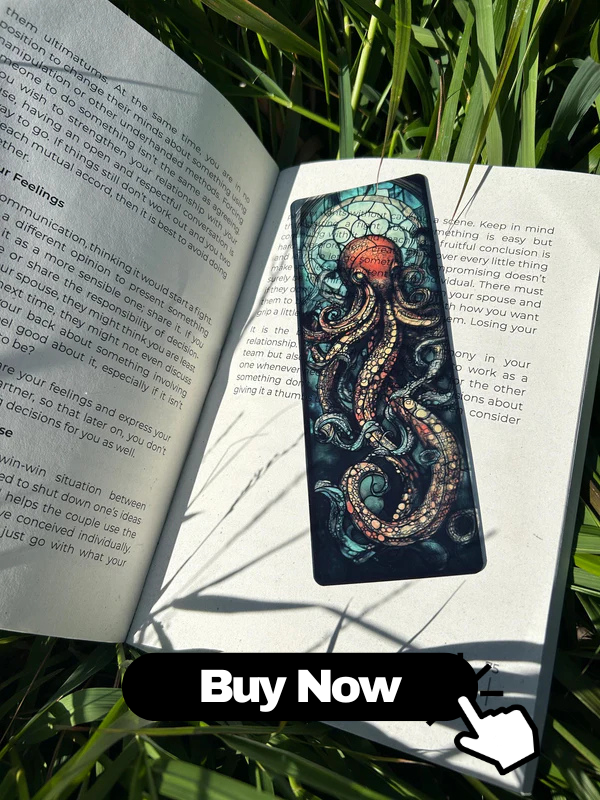
Handmade bookmarks are more than just placeholders in a book—they’re tiny works of art, crafted with intention, creativity, and care. Each handmade bookmark carries a story: the choice of materials, the design process, the techniques used, and the finishing touches that transform a simple strip of paper or fabric into a unique, collectible object. In this detailed guide, we’ll walk through exactly what goes into making each handmade bookmark, from the first idea to the final packaged product, so you can understand and appreciate every step behind these small but meaningful creations.
Why Handmade Bookmarks Matter
Handmade bookmarks stand out in a world filled with mass-produced reading accessories. They offer:
- Individuality – No two handmade bookmarks are exactly alike, making each piece special.
- Artistic expression – Makers can express their style through colors, textures, and techniques.
- Emotional value – A handmade bookmark can become a cherished keepsake, especially when personalized.
- Thoughtful gifts – They’re affordable, meaningful gifts for book lovers, teachers, and students.
- Eco-conscious choice – Many artisans use recycled or sustainable materials to reduce waste.
Understanding what goes into making each handmade bookmark helps readers and buyers appreciate the time, skill, and creativity invested in even the simplest designs.
Planning and Design: The First Step of Every Handmade Bookmark
Before tools come out or paper is cut, every quality handmade bookmark begins with a planning and design phase. This step ensures the final product is both beautiful and functional.
Defining the Purpose of the Bookmark
- Everyday reading bookmark – Slim, lightweight, and durable for frequent use.
- Decorative or collector’s bookmark – More elaborate, textured, or embellished.
- Themed bookmark – Based on a specific book genre, fandom, holiday, or occasion.
- Gift or event favor – Designed with names, dates, or special messages.
Planning the Size and Shape
Standard sizes help bookmarks fit comfortably in most books without damaging pages. Common dimensions include:
- Traditional rectangular: around 2" x 6" (5 cm x 15 cm)
- Narrow slimline: around 1.5" x 7" (4 cm x 18 cm)
- Oversized art bookmark: 2.5" x 8" (6.5 cm x 20 cm)
Makers may also experiment with:
- Rounded corners for a softer look
- Die-cut shapes (hearts, leaves, animals, etc.)
- Corner bookmarks that slip over the edge of a page
Concept and Aesthetic Direction
Designers often start with a concept such as:
- Nature-inspired – Leaves, flowers, trees, earthy colors.
- Minimalist – Clean lines, simple typography, limited palette.
- Vintage – Distressed textures, sepia tones, antique patterns.
- Whimsical – Cute characters, bright colors, playful illustrations.
- Literary-themed – Quotes from books, typewriter fonts, bookish icons.
Some artisans sketch layout ideas or create digital mockups, planning:
- Placement of text (quotes, names, short messages)
- Areas for illustrations or patterns
- Spaces for embellishments like tassels, charms, or ribbons
Choosing Materials for Handmade Bookmarks
Material choice is one of the most important aspects of what goes into each handmade bookmark. Materials affect not only the look but also the durability, feel, and thickness of the bookmark.
Paper- and Cardstock-Based Bookmarks
Paper bookmarks are the most common and versatile. Makers typically use:
- Heavy cardstock (200–350 gsm) for a sturdy base.
- Watercolor paper for hand-painted bookmarks.
- Mixed media paper for layering paints, inks, and collage.
- Patterned scrapbook paper for decorative backgrounds.
Key considerations:
- Acid-free paper to prevent yellowing over time.
- Non-bleeding surfaces for markers, pens, and inks.
- Thickness that is firm but not so thick that it damages book spines.
Fabric and Textile Bookmarks
Fabric bookmarks have a soft and tactile quality. Common choices include:
- Cotton – Easy to sew, print, or embroider.
- Linen – Natural, textured, and elegant.
- Felt – Great for cut-out shapes and layered designs.
- Canvas – Durable surface for painting or printing.
Often, fabric bookmarks are:
- Backed with interfacing or another fabric layer for structure.
- Top-stitched around the edges for durability.
Leather and Faux Leather Bookmarks
For a more luxurious look, some artisans use:
- Genuine leather – Can be stamped, tooled, or engraved.
- Vegan leather / faux leather – A cruelty-free alternative with similar aesthetics.
Leather bookmarks are prized for:
- Longevity – They stand up to years of use.
- Texture – A premium, tactile feel.
- Customization options – Names, initials, or symbols can be added through stamping or laser engraving.
Resin and Acrylic Bookmarks
Clear and decorative bookmarks are often made with:
- Epoxy resin – Poured into molds and cured.
- Acrylic sheets – Cut to size and decorated with vinyl or paint.
These designs often incorporate:
- Dried flowers
- Glitter or metallic flakes
- Colored pigments or alcohol inks
Recycled and Upcycled Materials
Many handmade bookmark artists emphasize sustainability by using:
- Scrap paper and offcuts from other projects.
- Old book pages or sheet music (sealed for durability).
- Recycled cardboard as a core layer.
- Repurposed fabrics from clothing or linens.
Essential Tools and Supplies for Bookmark Making
Beyond basic materials, each handmade bookmark requires specific tools and supplies to achieve a clean, professional finish.
Cutting and Measuring Tools
- Metal ruler for accurate measurements and straight lines.
- Cutting mat to protect surfaces and ensure clean cuts.
- Craft knife or rotary cutter for precise edges.
- Paper trimmer for fast and consistent bookmark sizes.
- Scissors for trimming details, threads, and ribbons.
Adhesives
- Double-sided tape – Ideal for neat, wrinkle-free bonding.
- PVA or craft glue – For paper layers and embellishments.
- Fabric glue – For textile bookmarks and ribbon attachments.
- Glue dots – For small embellishments and charms.
Drawing, Painting, and Lettering Tools
- Watercolor paints for soft backgrounds or illustrations.
- Acrylic paints for bold, opaque designs.
- Brush pens and markers for hand-lettering and details.
- Fineliners for outlines and intricate patterns.
- Calligraphy pens for elegant quotes and names.
Decorative and Specialty Supplies
- Stamps and ink pads for repeatable patterns or motifs.
- Stencils to create consistent shapes and designs.
- Embossing powders and heat tools for raised, shiny lettering.
- Glitter, sequins, and gems for sparkle and dimension.
- Washi tape for quick decorative borders and accents.
Finishing and Protection Supplies
- Laminating pouches and a laminator for sealed, durable surfaces.
- Clear varnish, sealant, or Mod Podge to protect artwork.
- Corner rounder punch for smooth, rounded corners.
- Hole punch for attaching tassels and ribbons.
Cutting and Shaping the Bookmark Base
Once materials and tools are selected, each handmade bookmark begins with creating a clean, accurately cut base.
Measuring and Marking
- Determine the final size (for example, 2" x 6").
- Use a ruler and pencil to mark cutting lines on the paper, fabric, leather, or acrylic.
- Check alignment twice to ensure consistency across multiple bookmarks.
Cutting the Base
- For paper and cardstock, a paper trimmer or craft knife is used to create straight, smooth edges.
- For fabric, a rotary cutter and quilting ruler produce clean cuts with minimal fraying.
- For leather, a strong utility knife and specialized cutting tools may be necessary.
- For resin and acrylic, shapes may be made with molds, laser cutting, or cutting tools designed for plastic.
Shaping Details
- Rounded corners are often added with a corner rounder punch to prevent dog-earing.
- Some designs include notches or cut-outs as decorative elements.
- Edges may be sanded (for resin/acrylic) or inked (for paper) for a finished look.
Popular Design Techniques for Handmade Bookmarks
Each handmade bookmark can feature one or several decoration techniques. The combination of techniques contributes to the piece’s uniqueness.
Hand-Painted Artwork
One of the most personal approaches involves hand painting each bookmark:
- Watercolor washes for delicate backgrounds and abstract patterns.
- Acrylic or gouache illustrations such as florals, landscapes, or characters.
- Layering techniques to add depth, highlights, and shadows.
Because painting is done individually, each bookmark becomes a one-of-a-kind original artwork.
Hand-Lettered Quotes and Typography
Many handmade bookmarks feature inspirational quotes, literary lines, or personalized names. Artisans may:
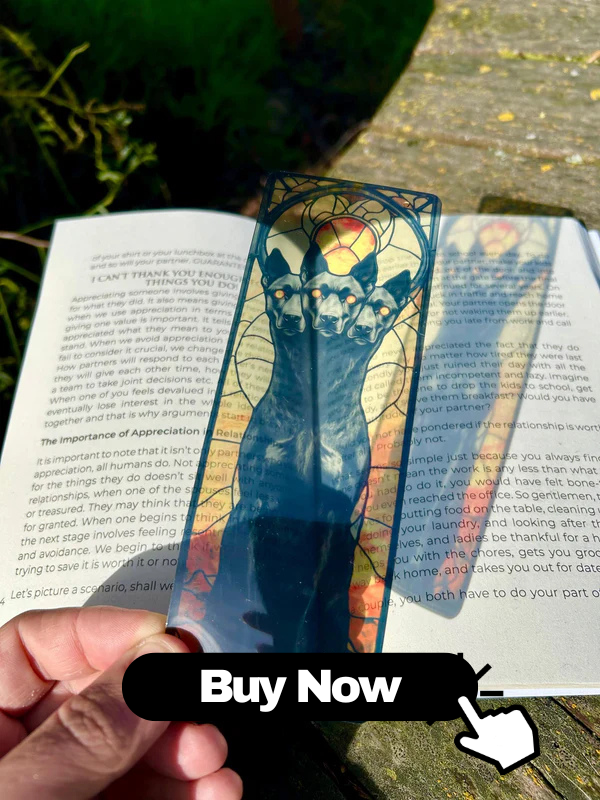
- Use brush pens for modern calligraphy styles.
- Combine script and block letters for visual contrast.
- Add decorative flourishes, borders, or small illustrations around text.
Good typography balances readability and aesthetics, ensuring the quote is clear while still artistic.
Stamping and Stenciling
- Rubber or clear stamps allow repeatable motifs like flowers, leaves, stars, or books.
- Stencils help create precise shapes, mandalas, or letterforms.
- Stamped designs may be colored with markers, inks, or pencils for added depth.
Collage and Mixed Media
Mixed media techniques combine multiple materials on a single bookmark:
- Layering printed papers, book pages, or music sheets.
- Adding fabric scraps, lace, or ribbon for texture.
- Incorporating stickers, ephemera, or die-cuts.
The result is a textured, visually rich piece that feels like a tiny art collage.
Embroidery and Textile Techniques
For fabric bookmarks, makers may:
- Hand-embroider initials, flowers, or simple patterns.
- Use a sewing machine to create decorative stitches or quilted textures.
- Appliqué shapes or letters onto a fabric base.
Laser Engraving and Pyrography
- Laser engraving can etch designs into wood, leather, or acrylic.
- Pyrography (woodburning) adds rustic, intentionally scorched designs on wood bookmarks.
These methods produce long-lasting, permanent designs that are resistant to fading.
Resin Embedding
For resin bookmarks, the design often involves:
- Arranging dried flowers, leaves, or petals in a mold.
- Adding glitter, gold flakes, or colored pigments.
- Pouring resin over the arrangement and removing bubbles before curing.
After curing, the result is a smooth, glass-like bookmark encasing the design elements.
Personalization and Custom Handmade Bookmarks
One of the biggest advantages of handmade bookmarks is the ability to offer personalization.
Common Personalization Options
- Names or initials added through hand-lettering, stamping, or engraving.
- Custom quotes chosen by the buyer.
- Favorite colors or themes matched to the recipient’s tastes.
- Dates or event details for weddings, anniversaries, or graduations.
How Personalization Affects the Process
- Designs must leave intentional blank spaces for personalized text.
- Artisans may create templates to ensure names and quotes fit neatly.
- Each piece requires individual attention, increasing the time and care needed per bookmark.
Finishing Touches: Protecting and Enhancing Each Bookmark
The final stage of making each handmade bookmark involves sealing, embellishing, and refining the piece to ensure it is both attractive and durable.
Sealing and Protecting the Surface
-
Lamination:
- Encases paper bookmarks in a protective plastic film.
- Makes bookmarks water-resistant and resistant to bending.
- Common for everyday, heavily used bookmarks.
-
Varnish or sealant:
- Used on painted or mixed media bookmarks.
- Protects against smudging and light moisture.
- Often preserves the tactile feel of the original surface.
-
Top coats for resin:
- Polishing or doming techniques ensure a glossy, smooth finish.
Edge Finishing
- Corner rounding to prevent sharp corners from catching or tearing pages.
- Inking edges on paper to add definition and a vintage or framed look.
- Sanding resin or acrylic edges for comfort and safety.
Adding Tassels, Ribbons, and Charms
Many handmade bookmarks are decorated with a tassel, ribbon, or charm that hangs outside the book, making it easy to find your place.
-
Tassels:
- Made from thread, embroidery floss, yarn, or silk cord.
- Color-coordinated with the bookmark’s design.
-
Ribbons:
- Grosgrain, satin, organza, or cotton ribbons tied through a punched hole.
-
Charms and beads:
- Small metal charms (books, leaves, stars, initials).
- Beads or crystals added for sparkle and personality.
These details not only beautify the bookmark but also emphasize the handcrafted attention to detail in each piece.
Branding and Packaging
- Artist’s logo or signature added subtly on the back.
- Business cards or backing cards included in packaging.
- Protective sleeves or envelopes for shipping and gifting.
Thoughtful packaging reinforces the idea that each bookmark is a crafted object, not just a piece of scrap paper.
Quality Control: Ensuring a Durable Handmade Bookmark
Before a handmade bookmark is sold or gifted, makers typically perform a quick quality assurance check.
Checks for Paper and Cardstock Bookmarks
- Ensuring edges are straight and smooth, with no jagged cuts.
- Confirming inks and paints are fully dry and do not smudge.
- Verifying lamination seal is complete with no trapped dust or bubbles.
- Checking adhesive bonds on layers and embellishments.
Checks for Fabric and Leather Bookmarks
- Inspecting seams for loose stitches.
- Confirming edges are finished to prevent fraying.
- Ensuring embroidery or appliqué is secure.
Checks for Resin and Acrylic Bookmarks
- Making sure resin is fully cured and non-tacky.
- Smoothing sharp edges and corners.
- Checking for major bubbles or surface flaws that affect durability or clarity.
Eco-Friendly and Sustainable Bookmark-Making Practices
Many people choosing handmade bookmarks value eco-friendly craftsmanship. Artisans can reduce their environmental footprint by:
- Using recycled or FSC-certified paper.
- Repurposing scrap materials from other projects.
- Selecting water-based, non-toxic paints and glues.
- Choosing organic or reclaimed fabrics.
- Minimizing plastic packaging and opting for paper sleeves or compostable bags.
Highlighting sustainability in product descriptions also helps SEO for handmade bookmarks, as many buyers search specifically for eco-friendly bookmarks or sustainable reading accessories.
Time, Cost, and Pricing of Handmade Bookmarks
Understanding what goes into each bookmark also means recognizing the time and cost behind them.
Time Investment
Depending on complexity, creating a handmade bookmark might involve:
- Design and planning: 5–30 minutes per design.
- Cutting and base preparation: a few minutes per bookmark, more when working in batches.
- Artwork and decoration: 10–60+ minutes per bookmark, especially for hand-painted or embroidered pieces.
- Drying and curing time: several hours for paints, overnight or longer for resin.
- Finishing and packaging: 5–15 minutes per bookmark.
Material Costs
Costs can include:
- High-quality paper, fabrics, leather, or resin.
- Paints, inks, and pens.
- Embellishments like tassels, charms, and ribbons.
- Protective finishes (laminating pouches, varnishes, sealants).
- Packaging supplies and shipping materials.
Why Handmade Bookmarks Cost More Than Mass-Produced Ones
- Each piece is individually crafted, not machine produced.
- Artists invest creative energy and unique design into every item.
- Materials are often higher quality and sourced ethically.
- Personalization and custom requests add extra labor.
How to Use and Care for Handmade Bookmarks
To keep a handmade bookmark beautiful and functional for as long as possible, proper care is important.
Everyday Use Tips
- Insert the bookmark gently between pages; avoid forcing it into tight spaces.
- Do not use very thick or rigid bookmarks in delicate or vintage books.
- Avoid placing heavy objects on top of embellished bookmarks.
Storage and Protection
- Store bookmarks flat, away from direct sunlight, to prevent fading.
- Keep them away from moisture and spills, especially non-laminated or fabric designs.
- For resin or acrylic bookmarks, avoid rough surfaces that might scratch them.
Cleaning
- Laminated or resin bookmarks: Wipe gently with a soft, slightly damp cloth.
- Paper bookmarks: Dust lightly; avoid water or cleaning agents.
- Fabric bookmarks: Spot-clean carefully, dabbing rather than scrubbing.
Display and Gift Ideas for Handmade Bookmarks
Because each handmade bookmark is a piece of art, many people choose to display or gift them creatively.
Display Ideas
- Arrange bookmarks in a small glass jar or decorative cup on a bookshelf.
- Use a corkboard and pins to hang a collection.
- Frame especially elaborate bookmarks as miniature artworks.
Gift Ideas
- Include a personalized bookmark inside a book as a thoughtful duo gift.
- Give sets of bookmarks as favors for book clubs, weddings, or baby showers.
- Create themed bookmark bundles (for example, fantasy bookmarks for fantasy readers).
Occasions Perfect for Handmade Bookmarks
- Birthdays and holidays.
- Graduations and back-to-school gifts.
- Teacher appreciation gifts.
- Author events and book signings.
Conclusion: The Story Behind Every Handmade Bookmark
From the first pencil sketch to the final tassel, each handmade bookmark is the result of careful design decisions, material choices, and skilled techniques. What might look like a simple strip of paper or fabric actually carries:
- Hours of planning, crafting, and refining.
- Personal artistic expression and creativity.
- A commitment to quality, durability, and sometimes sustainability.
Whether you’re a reader choosing a special bookmark, a gift giver searching for a meaningful present, or a crafter looking to understand the process, recognizing what goes into making each handmade bookmark deepens your appreciation of these small but powerful reading companions. Every time you slide a handmade bookmark into a favorite book, you are holding a tiny piece of art—one that was designed, cut, decorated, and finished with intention and love.