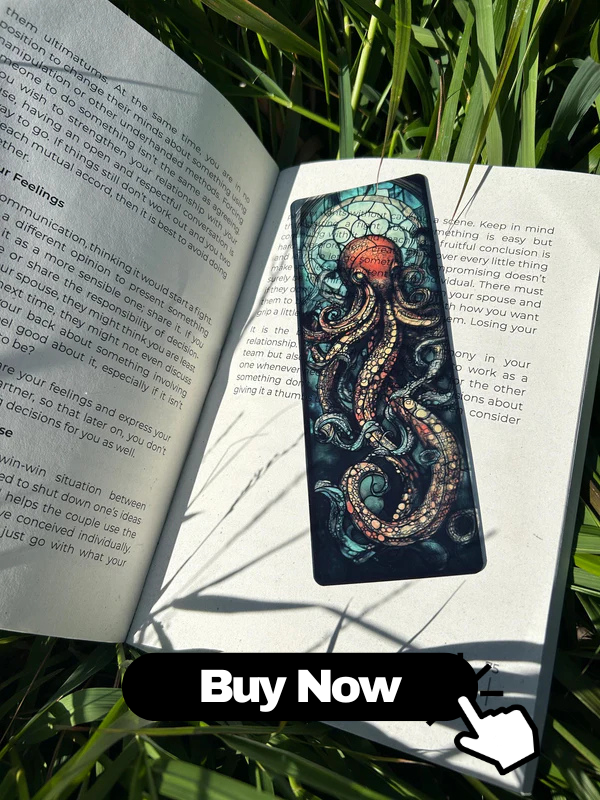
Flexible bookmarks are becoming increasingly popular among avid readers, students, archivists, and collectors because they offer a safer, more practical, and more durable option for long-term use. Unlike rigid or metal bookmarks, which can damage pages, weaken book spines, or cause indentations over time, flexible bookmarks gently adapt to the shape and movement of the book. In this comprehensive guide, you will learn why flexible bookmarks are safer for long-term use, how they protect your books, what materials are best, and how to choose the right bookmark for your reading habits and book collection.
What Are Flexible Bookmarks?
Flexible bookmarks are page markers made from bendable, soft, and resilient materials that can move and curve along with the pages of a book without causing damage. They are specifically designed to reduce pressure on the paper and spine, making them ideal for long-term use in personal libraries, academic collections, and cherished books.
Common types of flexible bookmarks include:
- Thin plastic bookmarks – Lightweight, often translucent, and resistant to tearing.
- Flexible silicone bookmarks – Soft, grippy, and durable, often shaped or designed for fun aesthetics.
- Laminated paper bookmarks – Sturdy yet bendable, offering both flexibility and protection.
- Fabric and ribbon bookmarks – Gentle on pages, commonly used in journals and high-quality notebooks.
- Elastic band bookmarks – Wrap around the book to hold pages in place without slipping.
What sets these bookmarks apart is their ability to adapt to the thickness and curvature of a book, making them significantly safer than rigid alternatives that might warp or strain the binding.
Why Flexible Bookmarks Are Safer for Long-Term Use
The primary reason flexible bookmarks are safer for long-term use is that they interact with the book in a gentle, adaptable way. Instead of forcing the pages or spine into a fixed position, they conform to the book’s natural shape.
- Reduced pressure on the spine: Flexible bookmarks don’t act as a lever that pushes the spine open. They allow the book to close naturally around them.
- Less risk of page tearing: Softer materials decrease friction and sharp edges, minimizing the chance of accidental rips.
- No deep indentations: Because they bend and move with the pages, they are unlikely to leave permanent marks or grooves on the paper.
- Better for frequent use: For readers who open and close the same book many times, flexible bookmarks maintain their shape and continue protecting the pages.
Over years of reading, these small benefits accumulate, making flexible bookmarks an excellent choice for anyone who wants to preserve the condition and value of their books.
Common Problems with Rigid Bookmarks
To understand why flexible bookmarks are safer, it helps to look at the issues that often arise with rigid bookmarks and hard page markers such as metal, thick wood, or stiff plastic.
- Spine strain: Thick or hard bookmarks force the book to close around an obstacle, placing stress on the spine and glue binding over time.
- Page indentation: Heavy or rigid corners can leave permanent creases or impressions in the paper, especially in thin, high-quality paper used in novels or reference books.
- Risk of tearing: Sharp edges and corners can snag or slice pages when inserted or removed quickly.
- Warping of covers: Hardcover books may begin to bulge or warp if a rigid bookmark remains inside for a long time, especially near the front or back.
- Uncomfortable reading experience: Large or inflexible markers can make the book awkward to hold, especially in bed, on the go, or with one hand.
For long-term book care and book preservation, these problems are significant. Flexible bookmarks offer a much gentler alternative that avoids these common issues while still keeping your place cleanly and clearly.
Benefits of Flexible Bookmarks for Different Types of Readers
Flexible bookmarks aren’t just safer; they are also more practical and versatile. Different types of readers can benefit in specific ways.
For Casual Readers
- Comfortable daily use: Soft, bendable bookmarks are easy to move from page to page.
- Less bulk in bags: Flexible bookmarks lay flat and don’t poke or scratch other items.
- Safer for paperbacks: They won’t crack the spine or bend the cover.
For Students and Researchers
- Multiple bookmarks in one book: Flexible designs make it easy to use several bookmarks without damaging the binding.
- Color-coding: Many flexible bookmarks are available in different colors, making it easy to mark chapters, sections, or topics.
- Quick repositioning: Smooth, soft materials allow for fast movement between pages without catching or tearing.
For Book Collectors and Archivists
- Preservation-first approach: Flexible, archival-safe bookmarks help protect rare or valuable books.
- Minimal contact damage: They reduce wear caused by long-term storage with a bookmark in place.
- Compatibility with protective sleeves: Thin and flexible markers can remain in the book even when it is stored in a slipcase or cover.
Best Materials for Flexible Bookmarks
The material of a bookmark has a direct impact on how safe it is for long-term use. Some materials are gentler on paper and more durable than others. Below are commonly used flexible bookmark materials and their advantages.
1. Silicone Bookmarks
- Highly flexible: Silicone bends without breaking or cracking.
- Non-slip surface: Stays securely in place without putting pressure on the paper.
- Water-resistant: Ideal for everyday use and for readers who carry books outdoors.
- Safe for most paper types: Soft and smooth, minimizing abrasion.
2. Soft Plastic or Vinyl Bookmarks
- Thin and lightweight: Slides between pages easily without bulking up the book.
- Durable over many uses: Resistant to tearing and folding.
- Customizable: Often used for branded or decorative bookmarks with printed designs.
3. Laminated Paper Bookmarks
- Balanced rigidity and flexibility: Sturdier than plain paper but still bendable.
- Protects artwork or quotes: Lamination guards against smudges and moisture.
- Gentle on pages: Smooth edges reduce friction and scratching.
4. Fabric and Ribbon Bookmarks
- Very soft and lightweight: Poses almost no risk of damage to pages.
- Common in journals and Bibles: Seen as built-in bookmark ribbons in many books.
- Ideal for long-term marking: Can stay inside a closed book for years without causing strain.
5. Elastic Band Bookmarks
- Holds the book closed: Protects pages from bending while carried in a bag.
- Adjustable tension: Stretches to fit different thicknesses without over-tightening if used correctly.
- Great for notebooks and planners: Keeps your place and secures loose papers inside.
When choosing materials, prioritize those that are smooth, non-abrasive, and chemically stable, especially if the bookmarks will be used in valuable or archival books.
How Flexible Bookmarks Protect Books Over Time
For readers concerned about long-term book protection, book care, and book preservation, flexible bookmarks offer several practical protections:
- Even distribution of pressure: Flexible bookmarks lie flat and move with pages instead of resisting movement. This keeps stress on the spine and paper to a minimum.
- No sharp corners: Rounded or soft edges prevent pages from being cut, snagged, or creased.
- Minimal bulk: Thin bookmarks reduce the gap created when a book is closed on a page marker, lowering strain on glue and stitching.
- Compatibility with different paper weights: Whether your book uses thin, delicate paper or thick, textured pages, flexible bookmarks are more forgiving.
- Less risk during storage: When left in a book on a shelf for years, flexible bookmarks are less likely to leave permanent impressions or distort the book’s shape.
In contrast, a thick metal or wooden bookmark left inside a favorite novel for years might cause visible bulging or uneven wear. By switching to flexible bookmarks, you can significantly extend the lifespan and appearance of your books.
Flexible Bookmarks and Book Collecting
For book collectors, condition is crucial. Small details like page creases, spine cracks, or indentations can affect both the aesthetic and market value of a book. This makes flexible bookmarks especially valuable in book collecting and archival storage.
- Safe for first editions: High-value books benefit from page markers that will not alter the pages or binding over time.
- Archival-friendly materials: Acid-free, non-reactive flexible bookmarks are recommended for rare or historical books.
- Gentle for illustrated and photo books: Flexible markers prevent scratching or offsetting of inks and coatings.
- Ideal for long-term displays: If a book is displayed open, a flexible bookmark is less likely to distort the pages or leave long-term marks.
Collectors should avoid metal clips, sticky notes, or thick, rigid bookmarks and instead select thin, non-damaging flexible bookmarks that respect the integrity of the book.
How to Choose the Right Flexible Bookmark
The best flexible bookmark for you depends on how you read, what you read, and how you store your books. Consider the following factors when choosing a bookmark designed for safe long-term use:

1. Book Type
- Paperbacks and mass-market books: Choose thin, soft bookmarks (ribbon, silicone, or soft plastic) to avoid cracking the spine.
- Hardcovers: Slightly thicker flexible bookmarks or elastic band markers work well, especially for study or reference.
- Journals and planners: Elastic band or ribbon bookmarks help keep everything together securely.
2. Reading Habits
- On-the-go readers: Elastic and silicone bookmarks are best since they don’t slip or fall out in bags.
- Bedtime readers: Soft and flat bookmarks are more comfortable and less likely to cause accidental damage if the book is dropped or moved.
- Multi-book readers: Colorful or labeled flexible bookmarks help you track multiple books and sections at once.
3. Preservation Needs
- Valuable or sentimental books: Use thin, acid-free, archival-safe bookmarks with no ink that might transfer.
- Heavily used study texts: Durable, washable flexible bookmarks (like silicone or plastic) are ideal.
When in doubt, choose a thin, smooth, and flexible bookmark that does not add unnecessary bulk or pressure inside the book.
Care and Maintenance of Flexible Bookmarks
Although flexible bookmarks are durable, some basic care will help keep them safe for your books and attractive over time.
- Keep them clean: Wipe silicone, plastic, or vinyl bookmarks with a slightly damp cloth to remove dust and oils.
- Avoid extreme heat: High temperatures can warp certain plastics or damage laminations.
- Don’t over-bend: While flexible, repeatedly folding a bookmark sharply in half may create weak points.
- Store flat: When not in use, keep bookmarks flat in a drawer, box, or between unused pages of a notebook.
- Check for rough edges: If a laminated or plastic bookmark starts to peel or crack, trim or replace it to avoid scratching pages.
Proper care ensures that your flexible bookmarks remain safe and effective for long-term book use.
Eco-Friendly Flexible Bookmark Options
If you are environmentally conscious, you can choose eco-friendly flexible bookmarks that balance sustainability with book safety.
- Recycled paper bookmarks (lightly laminated or coated): Offer flexibility with a lower environmental footprint.
- Fabric bookmarks made from natural fibers: Cotton, linen, and other textiles are soft, reusable, and biodegradable.
- Bamboo fiber or plant-based plastics: Provide flexibility and durability with more sustainable sourcing.
- DIY upcycled bookmarks: Old greeting cards, soft packaging, or fabric scraps can be turned into flexible bookmarks at home.
When selecting eco-friendly options, ensure they are smooth, non-abrasive, and not heavily dyed with unstable inks that might transfer to pages over time.
Flexible Bookmarks vs. Other Page-Saving Methods
Some readers use alternative methods to save their place that may seem convenient but are harmful for long-term book preservation. Here is how flexible bookmarks compare:
Flexible Bookmarks vs. Dog-Earing Pages
- Dog-earing: Folding page corners creates permanent creases and weakens the paper.
- Flexible bookmarks: Mark pages without altering or damaging the paper structure.
Flexible Bookmarks vs. Paper Clips or Metal Clips
- Metal clips: Can rust, dent, or cut pages, especially thin paper.
- Flexible bookmarks: Provide a flat, rust-free, non-damaging alternative.
Flexible Bookmarks vs. Sticky Notes
- Sticky notes: Adhesive can leave residue, discolor paper, or tear pages when removed.
- Flexible bookmarks: Rely on shape and position rather than glue, ensuring pages remain clean.
Flexible Bookmarks vs. Everyday Objects
- Receipts, pens, or cards: These are often too thick, rigid, or acidic, causing pressure and potential damage.
- Purpose-made flexible bookmarks: Designed specifically to be safe, thin, and gentle on books.
In every comparison, flexible bookmarks are the safest long-term option for marking your place without sacrificing the condition of your books.
Frequently Asked Questions about Flexible Bookmarks
Are flexible bookmarks safe for very old or fragile books?
Yes—if you choose a thin, smooth, archival-safe bookmark. Fabric ribbons or acid-free laminated bookmarks are excellent. Avoid anything thick or textured, and never force a fragile book fully closed over a bookmark.
Can flexible bookmarks damage the spine?
Compared to rigid bookmarks, flexible bookmarks exert far less pressure on the spine. For very tight bindings, use the thinnest possible bookmark and avoid leaving it in the same spot for extended periods if the book is tightly packed on a shelf.
Do flexible bookmarks fall out easily?
Most don’t. Materials like silicone, soft plastic, and elastic band bookmarks are designed to stay in place even when books are moved in bags or backpacks.
Are magnetic bookmarks considered flexible?
Some magnetic bookmarks have a flexible outer layer but contain small metal pieces. If they are thin and softly coated, they can be safe. However, thicker, stiff magnetic markers may apply localized pressure. For maximum long-term safety, choose fully flexible, non-magnetic designs.
How many bookmarks can I safely use in one book?
As long as they are thin, soft, and flexible, you can use several bookmarks in a single volume. However, avoid stacking multiple bookmarks on the same page or in the same small section to prevent uneven pressure.
Conclusion: Why Flexible Bookmarks Are the Best Long-Term Choice
Flexible bookmarks offer a powerful combination of safety, durability, and practicality for anyone who cares about their books. By using soft, bendable, and book-friendly materials, these bookmarks:
- Protect the spine and binding from unnecessary strain.
- Prevent tears, creases, and indentations on pages.
- Support long-term book preservation and collection value.
- Provide comfortable, everyday usability for all types of readers.
- Offer eco-friendly and archival-safe options for conscious readers and collectors.
If you want to extend the life of your personal library, protect sentimental volumes, or maintain the condition of study and reference books, switching to high-quality flexible bookmarks is a simple, affordable, and highly effective step. Over time, this small choice will help keep your books looking clean, flat, and well-cared-for—page after page, year after year.